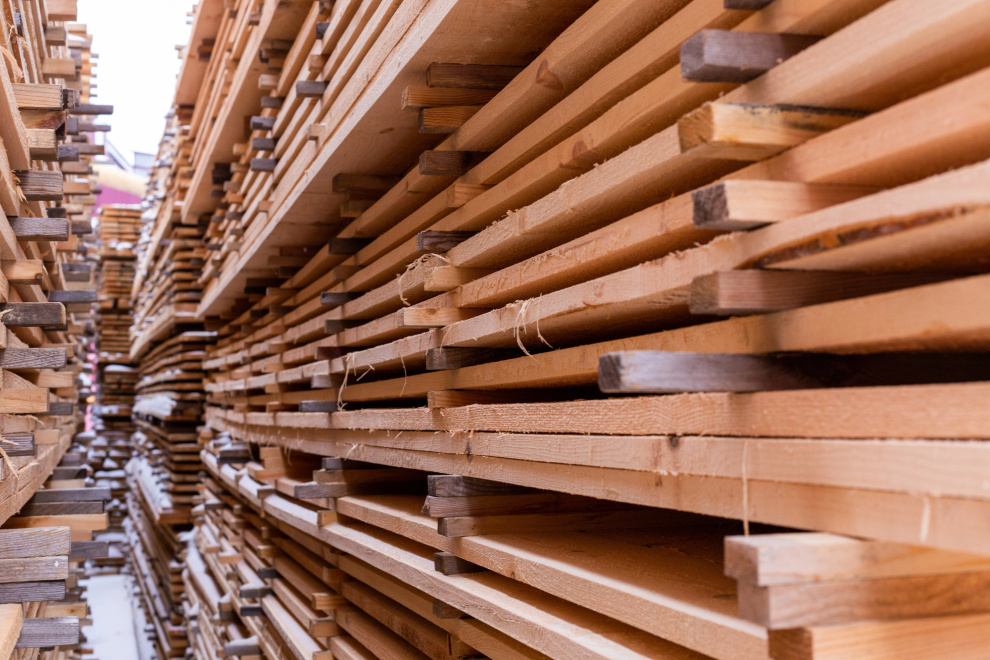
Softwood lumber, accounting for 90.2% of total production, decreases by 3.5%.
Softwood lumber, accounting for 90.2% of total production, decreases by 3.5%.

Rental vacancies improve slightly in 2024, but owner vacancy rates remain below 1% nationwide.
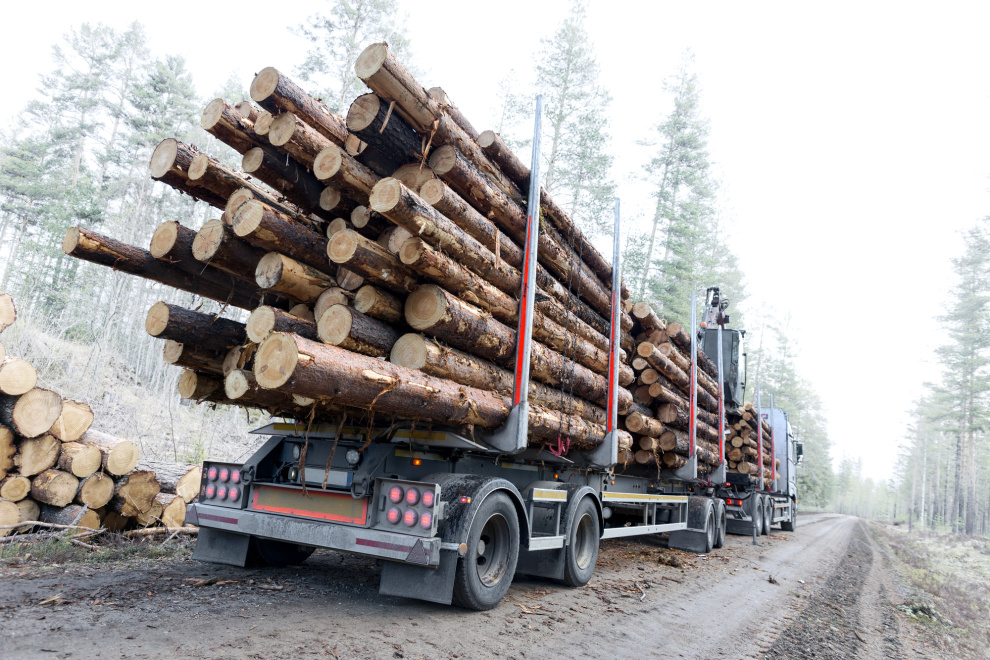
Regional wood shortage and high Swedish prices drive Norway’s export growth.
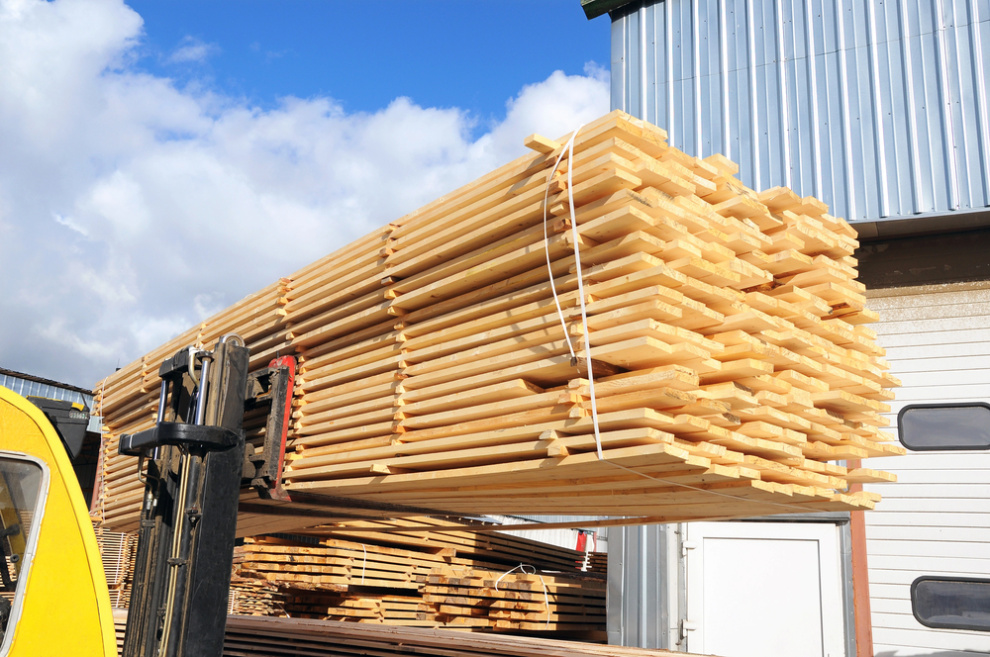
Softwood accounts for 97% of total import volume.

Company expects 2026 recovery driven by cost savings and lower wood prices.
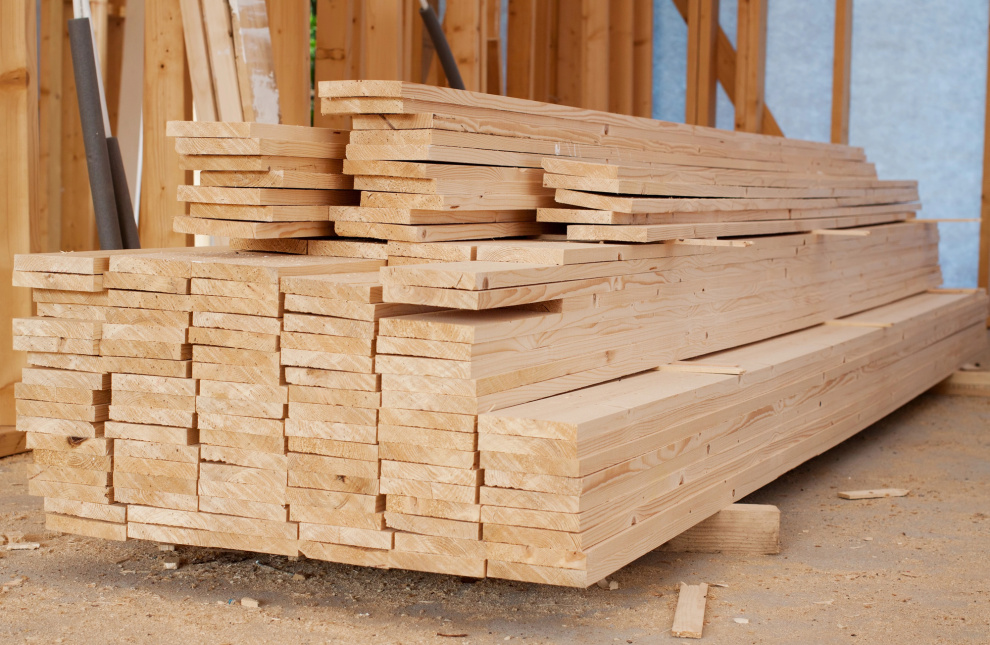
Cypress lumber prices remain stable from December levels.
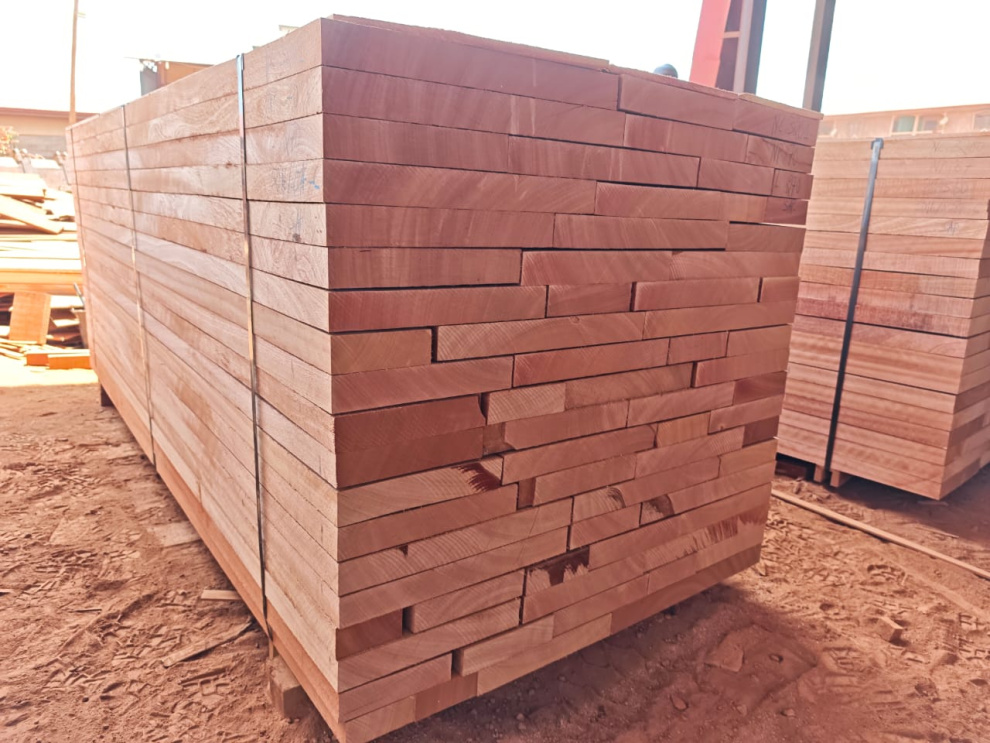
Belgium remains the largest destination, while France records the strongest increase in shipments.
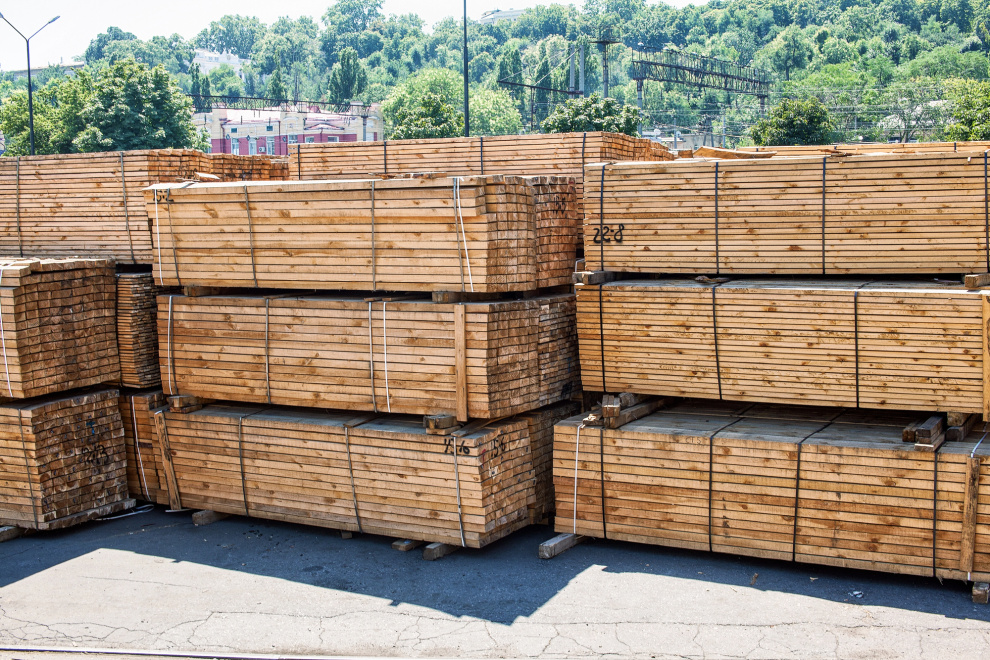
Russia maintains supply dominance, while New Zealand is the only major supplier to increase shipments.

Pulp deliveries rise 4% while paper deliveries decline and electricity output edges lower.
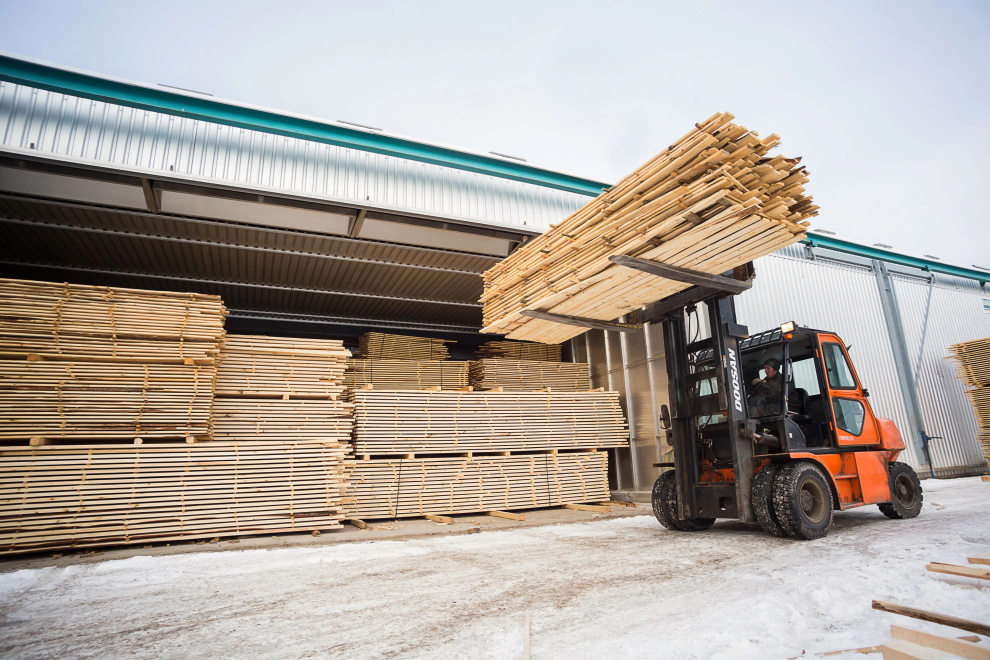
Shipments decline 13.3% as wood sector capacity utilization reaches 75.3%.

Asia accounts for more than 90% of Chile’s bleached softwood kraft pulp shipments.

Renewable energy development and technology infrastructure are expected to expand non-timber revenue opportunities for timberland owners in 2026.
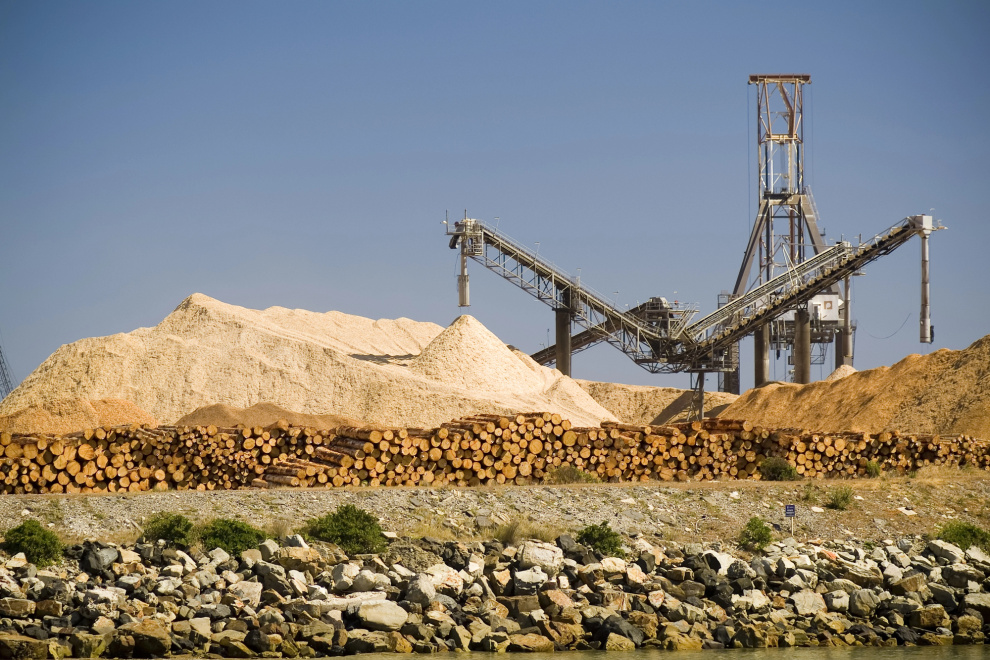
Vietnam remains dominant supplier as hardwood accounts for 97% of total volume.
China remains the main destination despite lower export prices.

Exports total Euro 1.458 billion, domestic sales Euro 710 million, and imports Euro 240 million, Acimall reports.
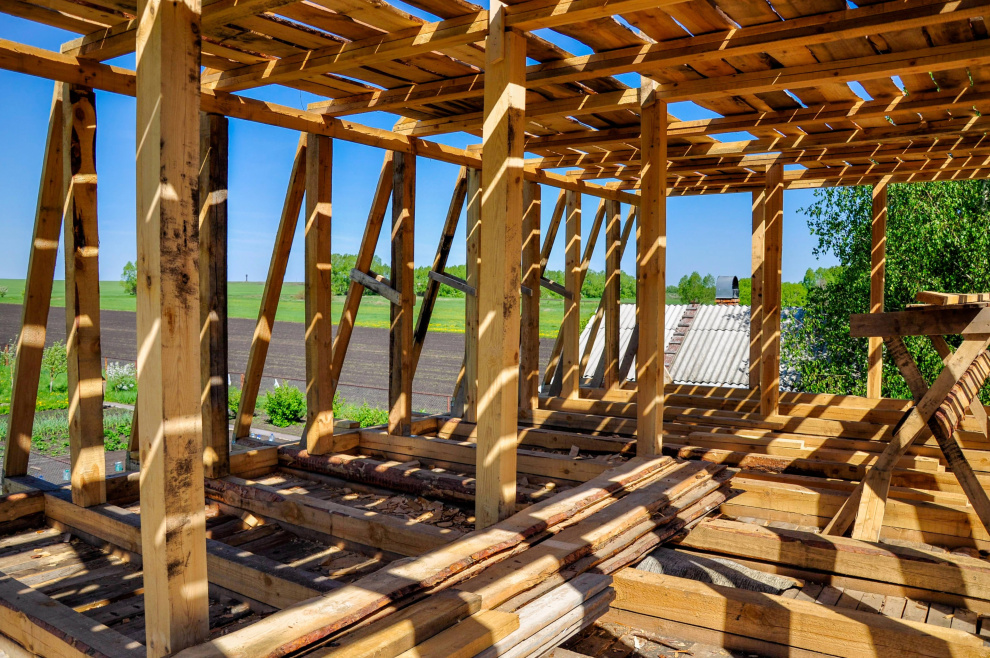
Wooden housing accounts for 60.4% of total starts, while full-year 2025 totals drop 6.5%.
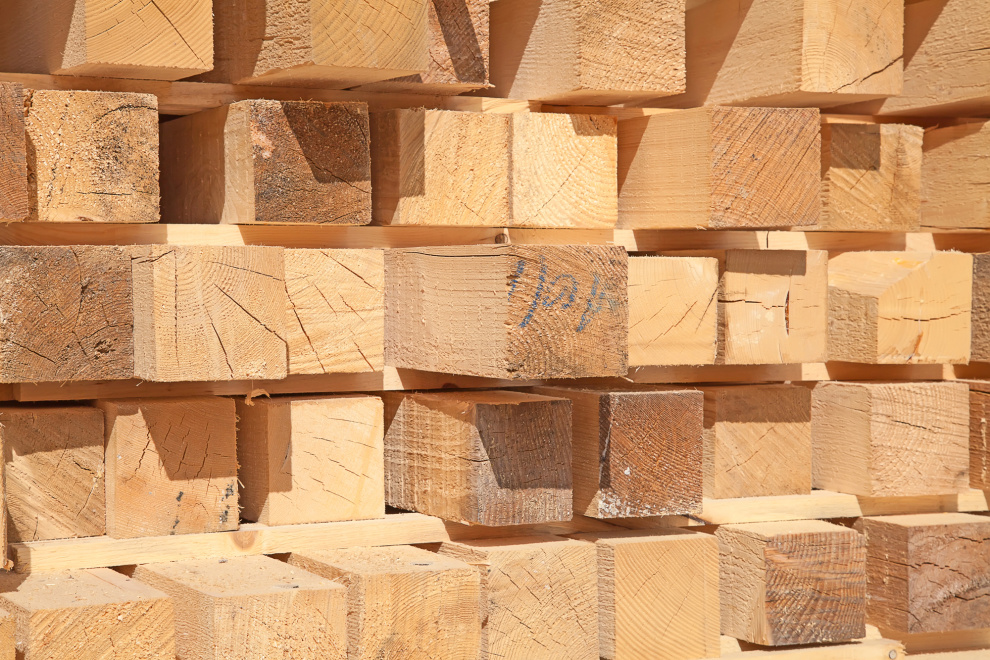
Hardwood lumber and plywood indexes rise while overall U.S. producer prices increase 0.5%.
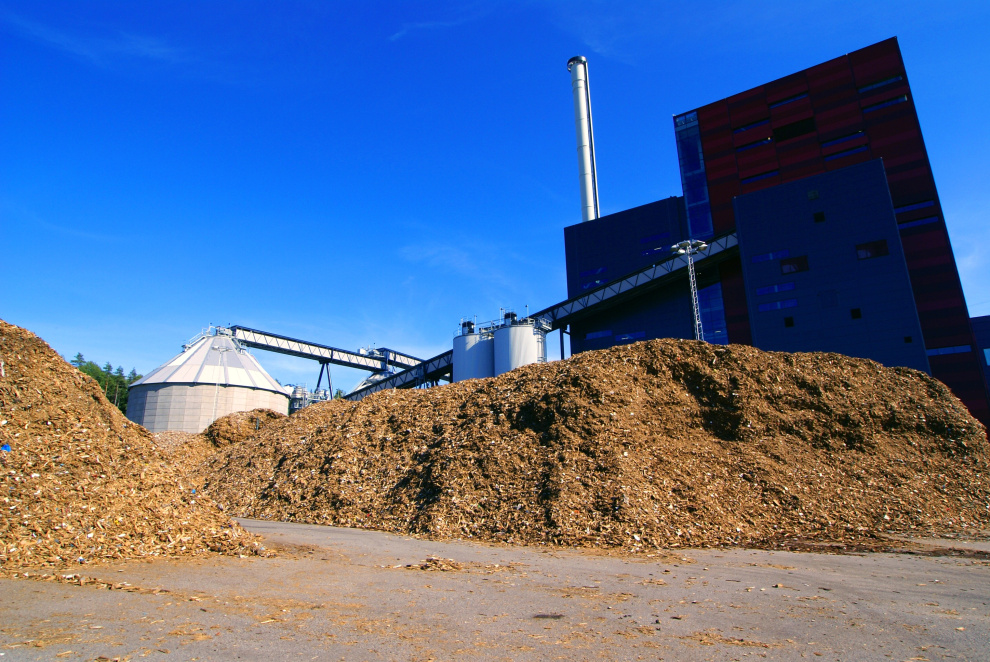
Tokyo targets 6% of power from biomass, yet high fuel prices, policy uncertainty, and competition challenge new projects.
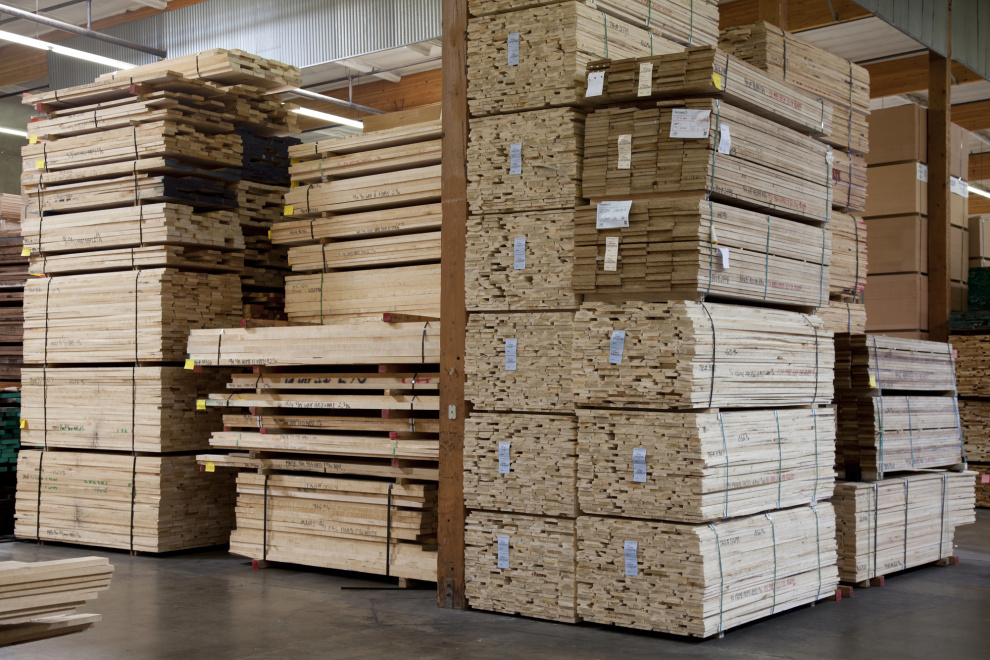
Shipments to China account for 98% of total export volume.
Vietnam supplies two-thirds of total imports as U.S. share declines sharply.