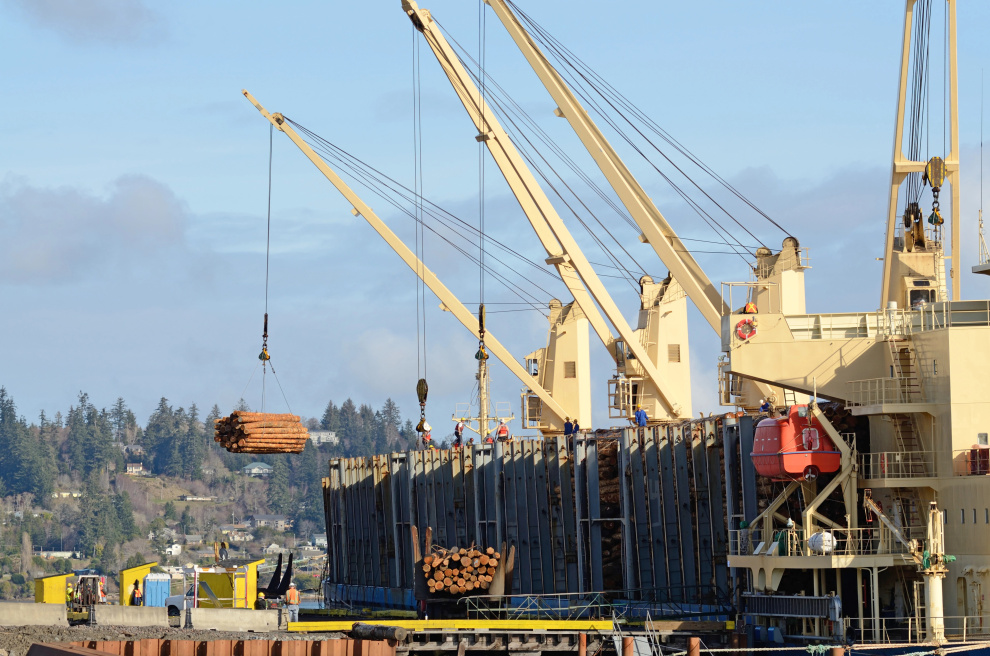
Weaker market sentiment drives lower import prices, while port activity and inventory levels remain stable.
Weaker market sentiment drives lower import prices, while port activity and inventory levels remain stable.
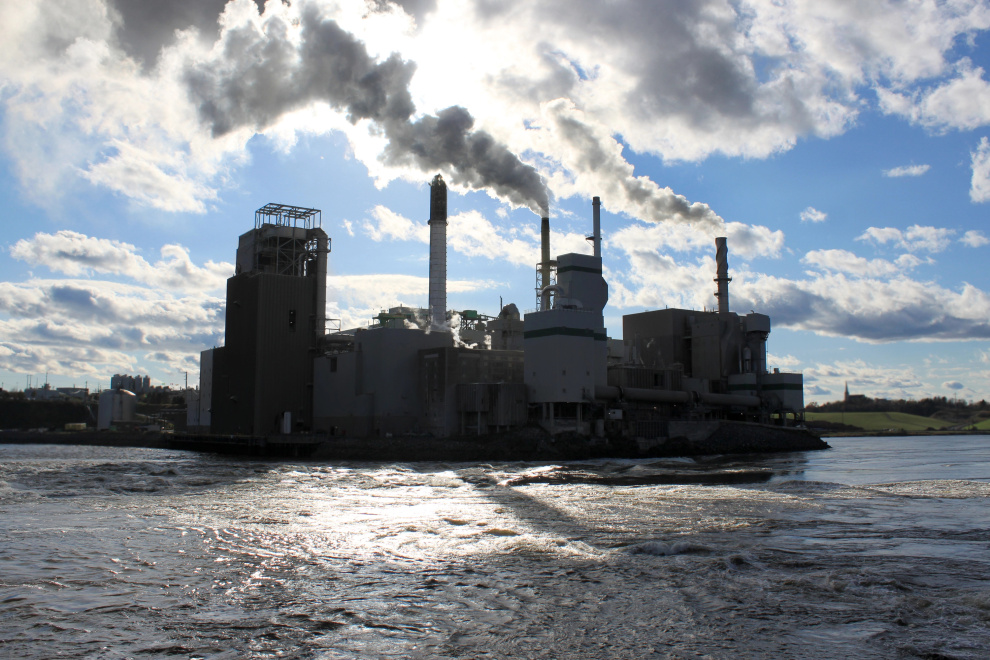
Buyers remain cautious as long-fiber pulp stays below $1,500 per ton and China increases short-fiber production capacity.
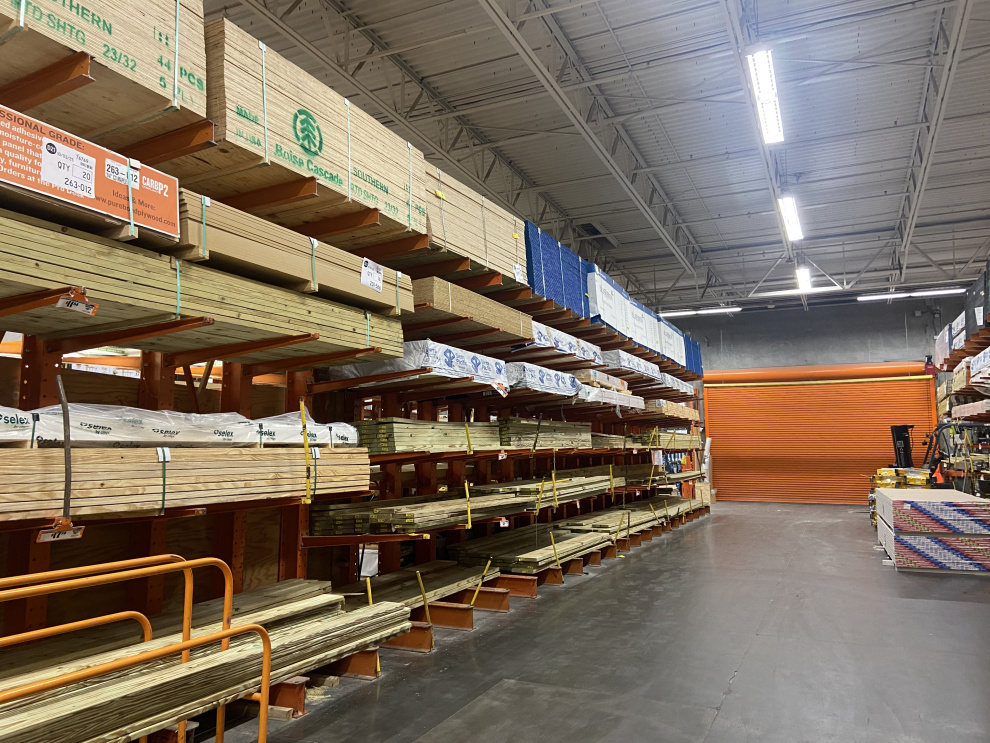
Retailer sees 2.5%–4.5% sales rise in 2026, below expectations.

Industry welcomes delay and revision of EU deforestation regulation, plans joint trade fair appearances in the U.S., UK, UAE, and China for 2026.

Handelsbanken expects wood raw material prices to fall by 10–15% while structural supply shortages and strong krona continue to challenge Swedish industry.
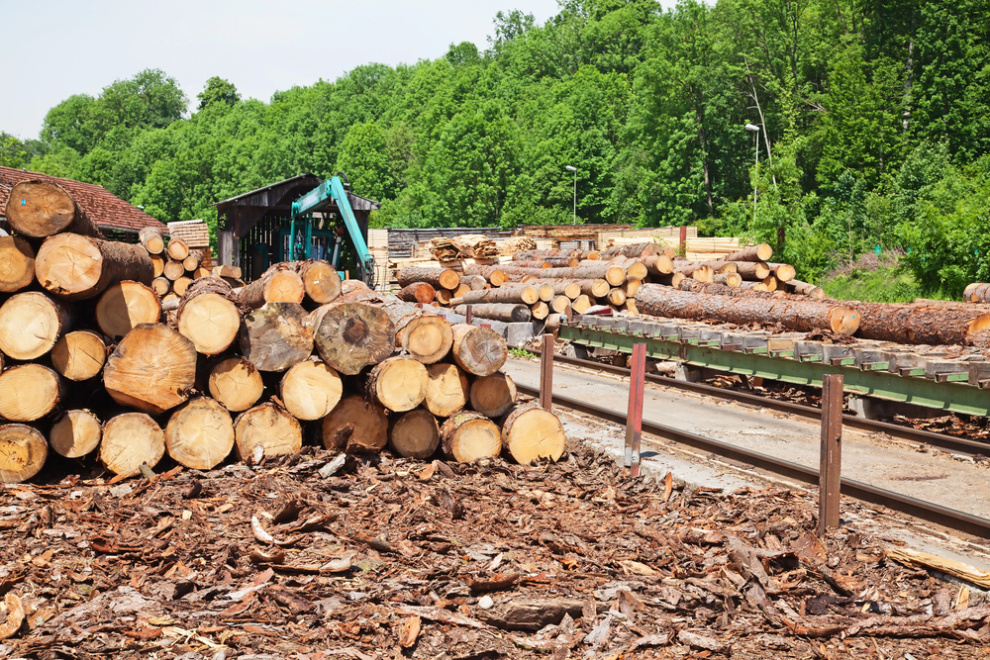
Green Business Index falls to 100.7 in Q4 2025, driven by a 19-point drop in forestry.
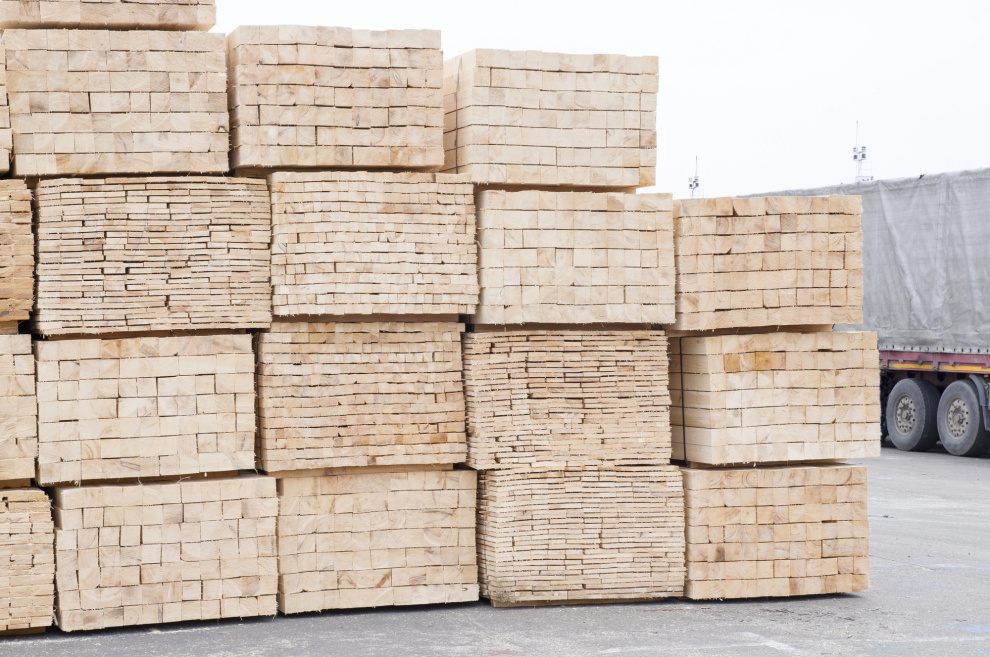
Domestic supply stays constrained while import flows improve and mills raise operating rates.
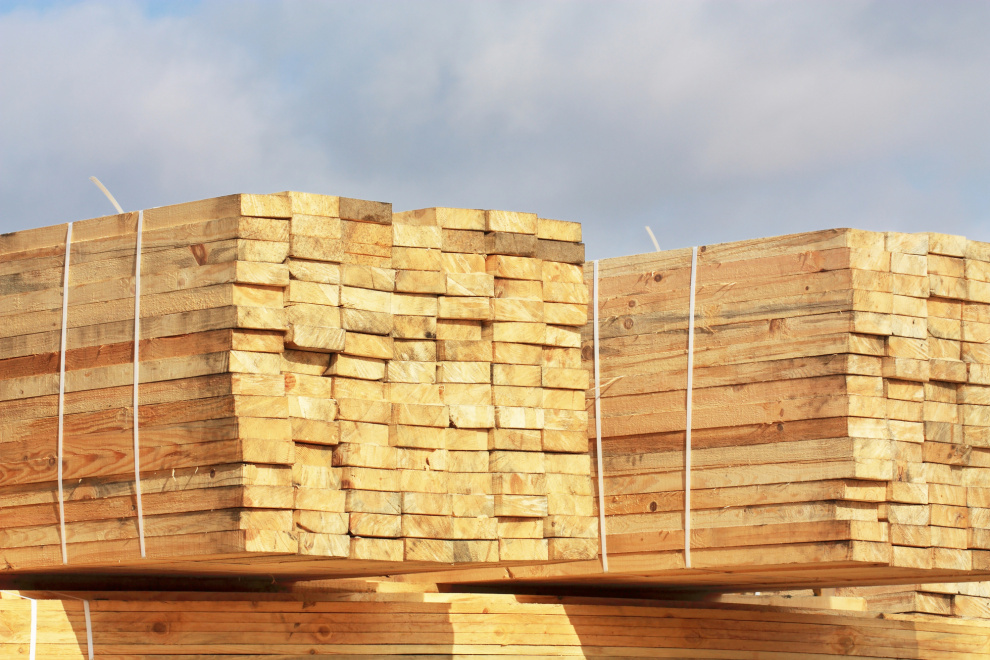
Average EBITDA margin for five major producers falls to 1.5%.

Exports to Switzerland, Italy, and Spain rise as tariff conflicts weigh on U.S. business and boost imports from Asia.
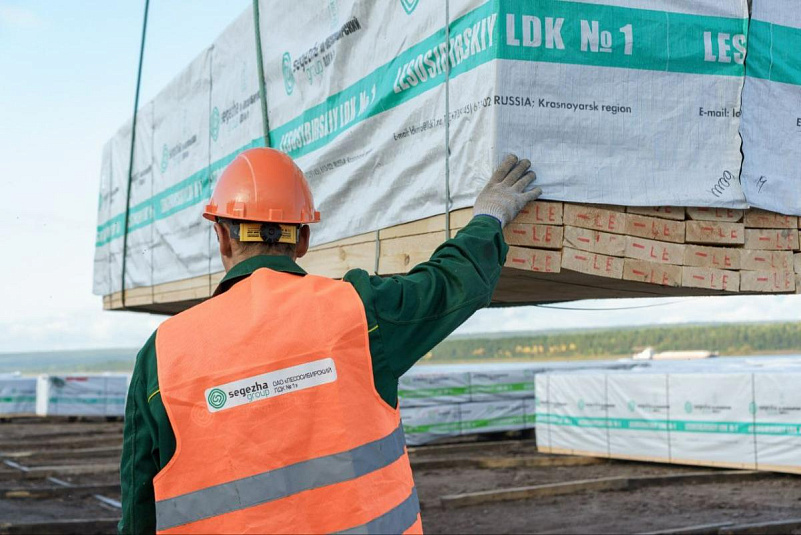
Chinese buyers push prices down as Russian exporters lack alternative markets.
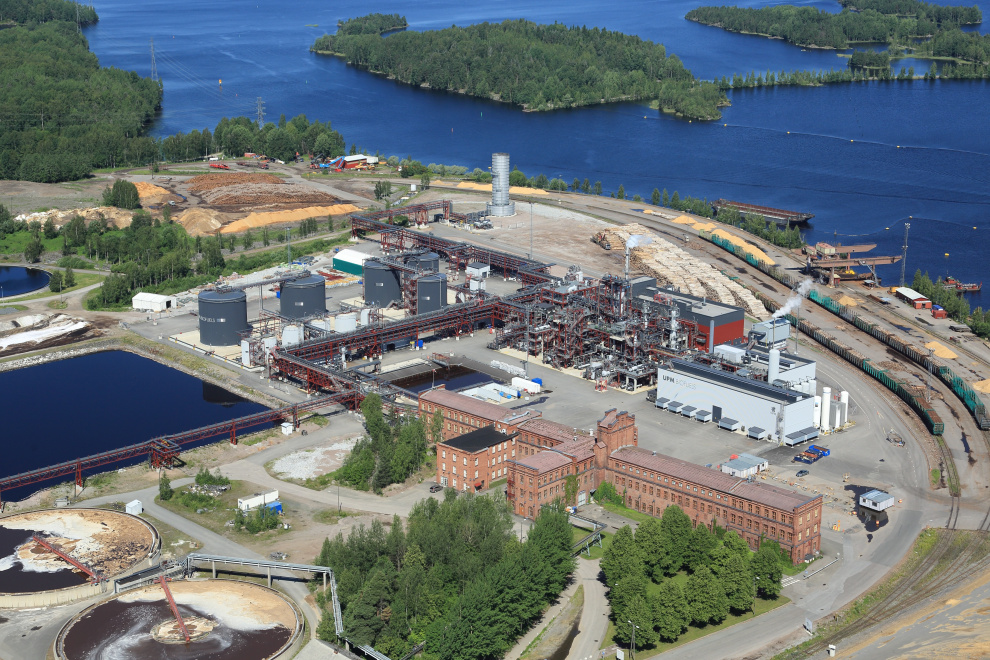
The plan targets Euro 10 billion in bio-based product purchases by 2030 and aims to expand a Euro 2.7 trillion sector employing 17.1 million people.
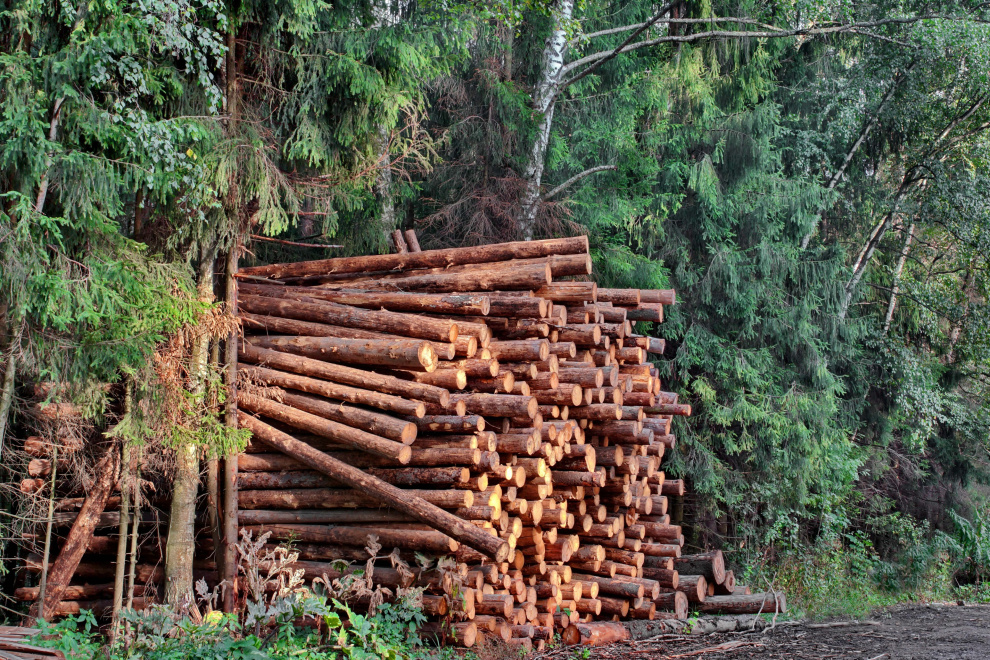
Standing sale prices for pine, spruce, and birch logs decline by up to 3%, while total roundwood purchases remain 14% lower for January–October compared to last year.
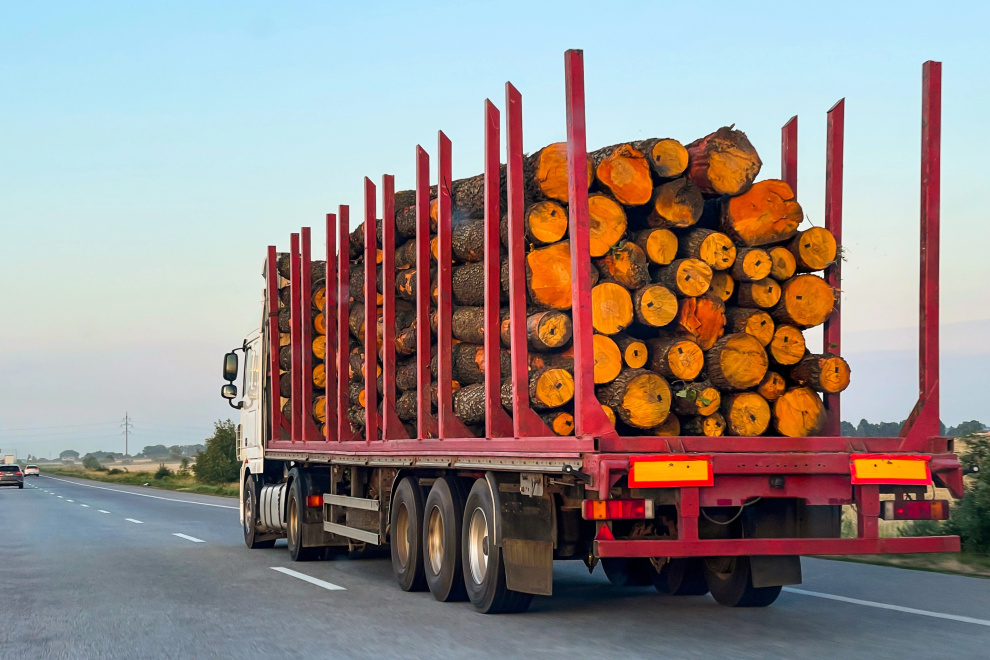
Industry associations report that about 7% of companies may exit the market in 2026 as costs rise and profitability declines
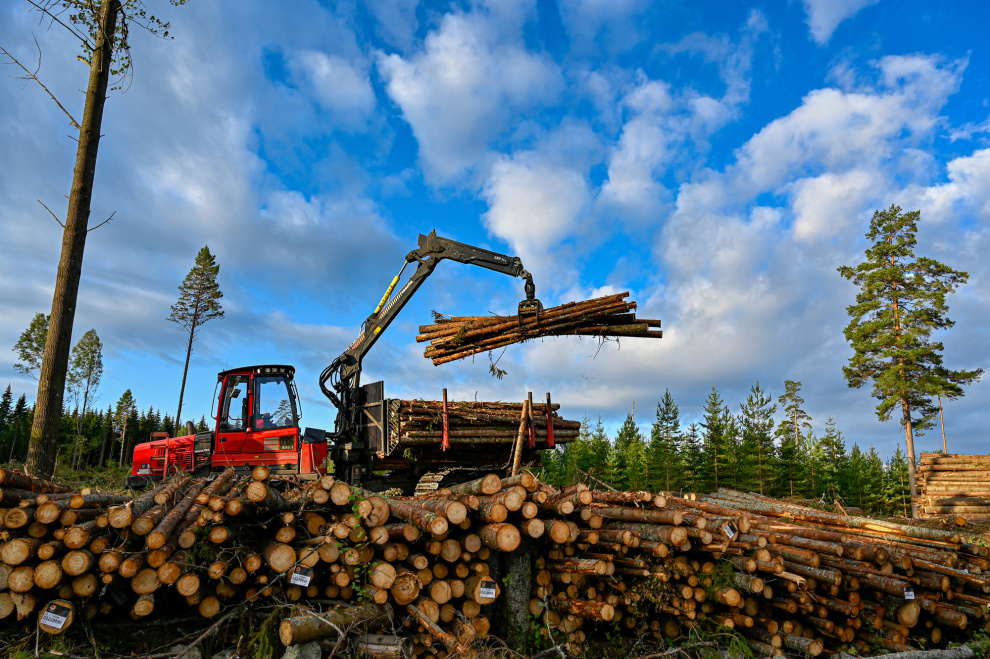
New research from Linnaeus University shows that managers in Sweden’s largest forest companies often reject profitable projects if they pose environmental or workplace risks, revealing strong behavioral and sustainability-driven bias in capital investment decisions.
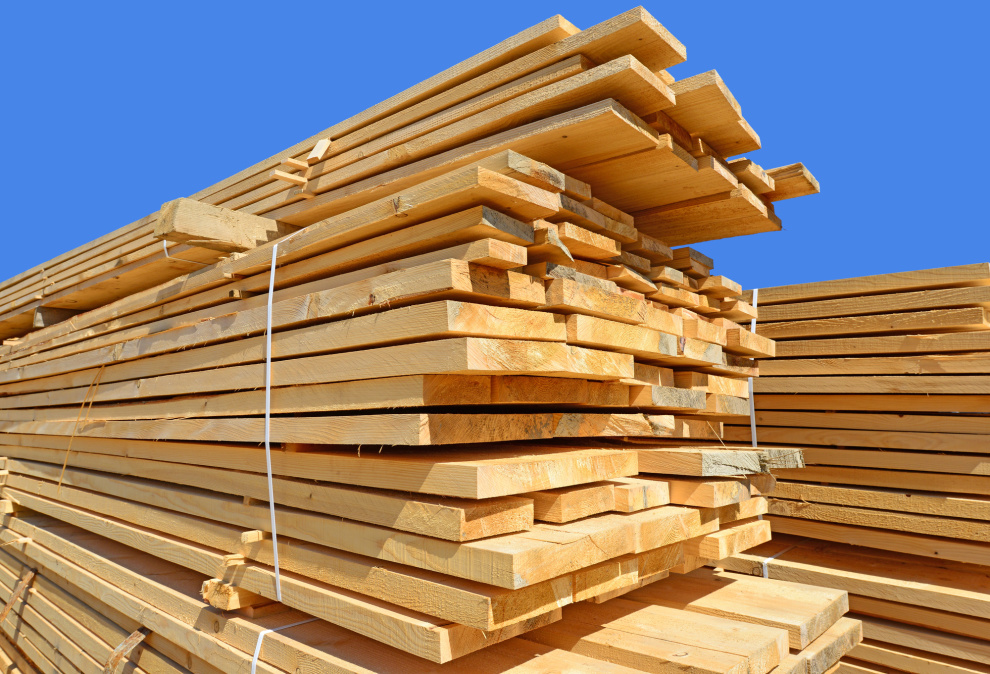
Russ Taylor projects sharp price increases driven by sustained US protectionism, reduced imports, and tariff-induced market distortions.
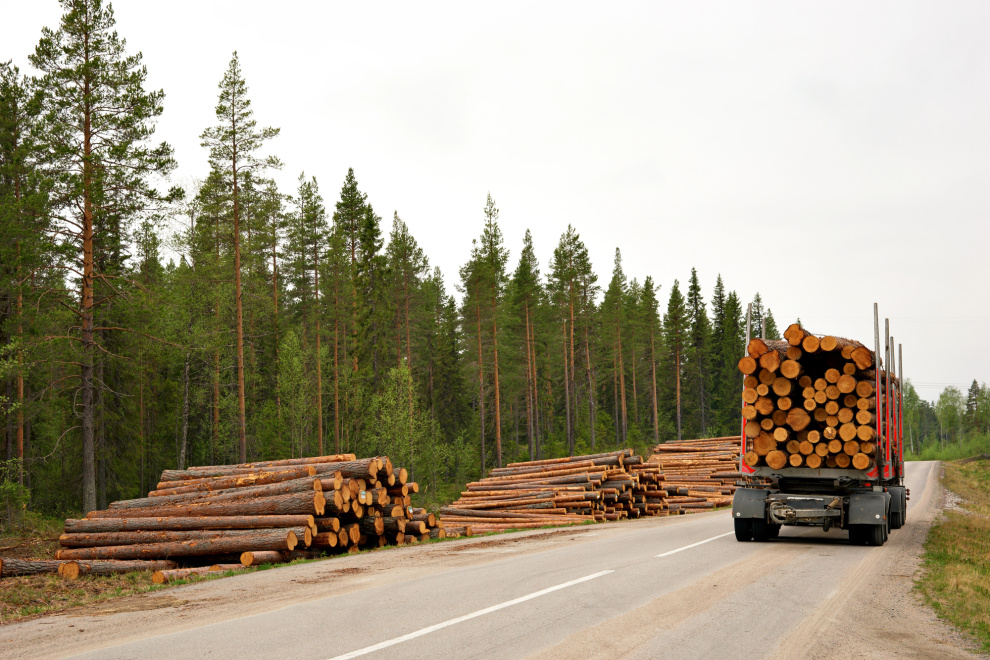
Total timber stocks decline 8%, while pulp chips and coniferous sawlogs remain largely stable across timber balance areas.
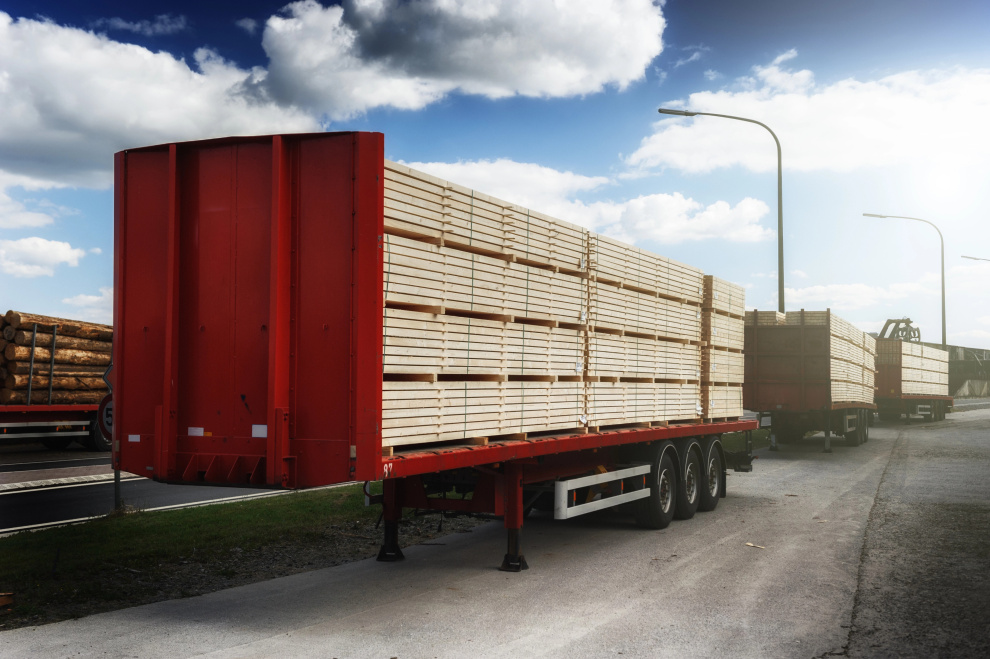
Driver cap slashes annual delivery volume as trucking costs rise 50%.
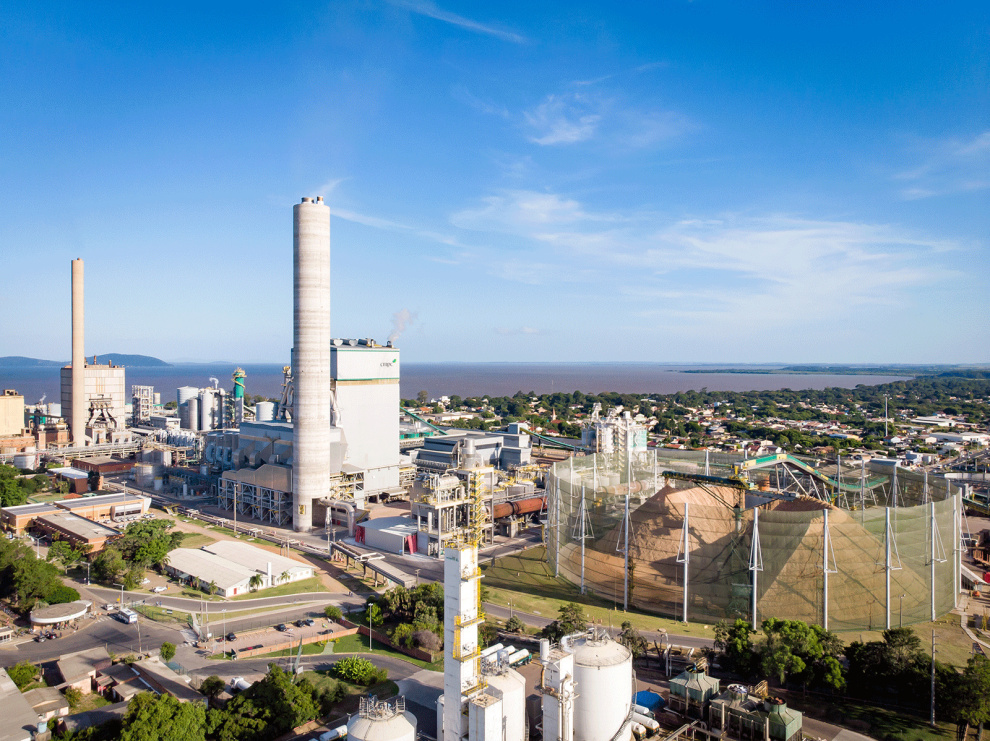
Lower pulp prices and exchange rate effects cut consolidated EBITDA margin to 14%, while early signs of recovery appear in short-fiber markets.
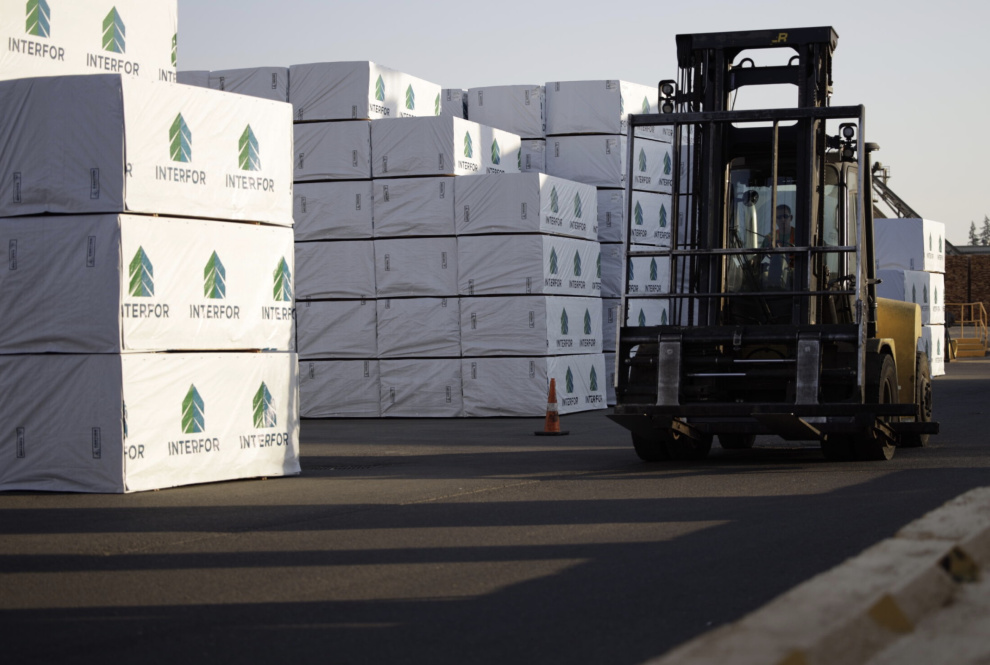
Lumber output dropped to 912 million board feet as the company is proceeding with a previously announced 26% production cut; duties expenses rose $147 million, partly offset by a $9 million revaluation gain.
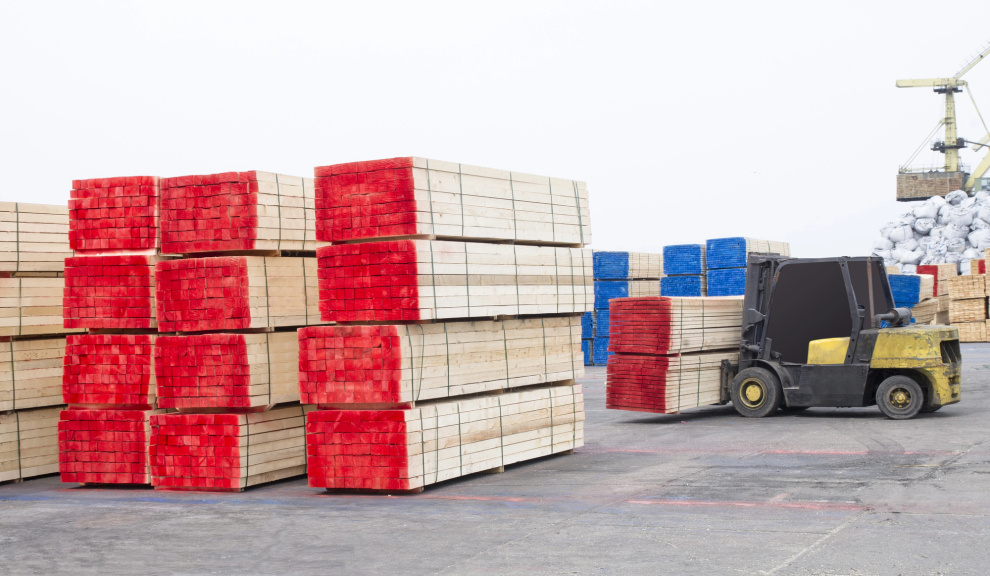
New report projects import dependence to continue through 2030 under ongoing production constraints.