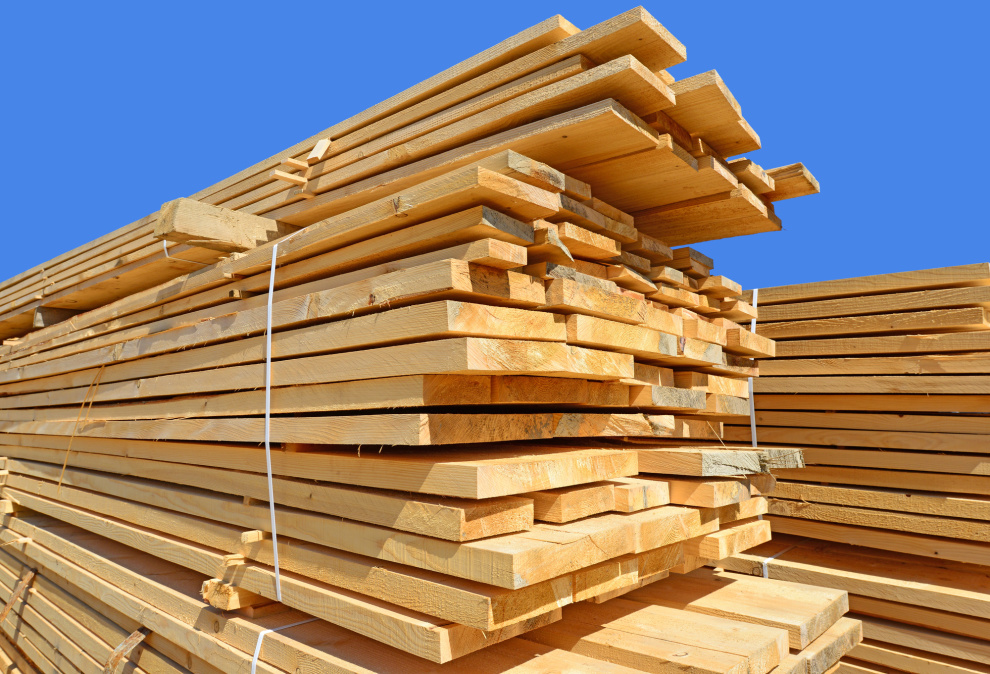
Russ Taylor projects sharp price increases driven by sustained US protectionism, reduced imports, and tariff-induced market distortions.
Russ Taylor projects sharp price increases driven by sustained US protectionism, reduced imports, and tariff-induced market distortions.
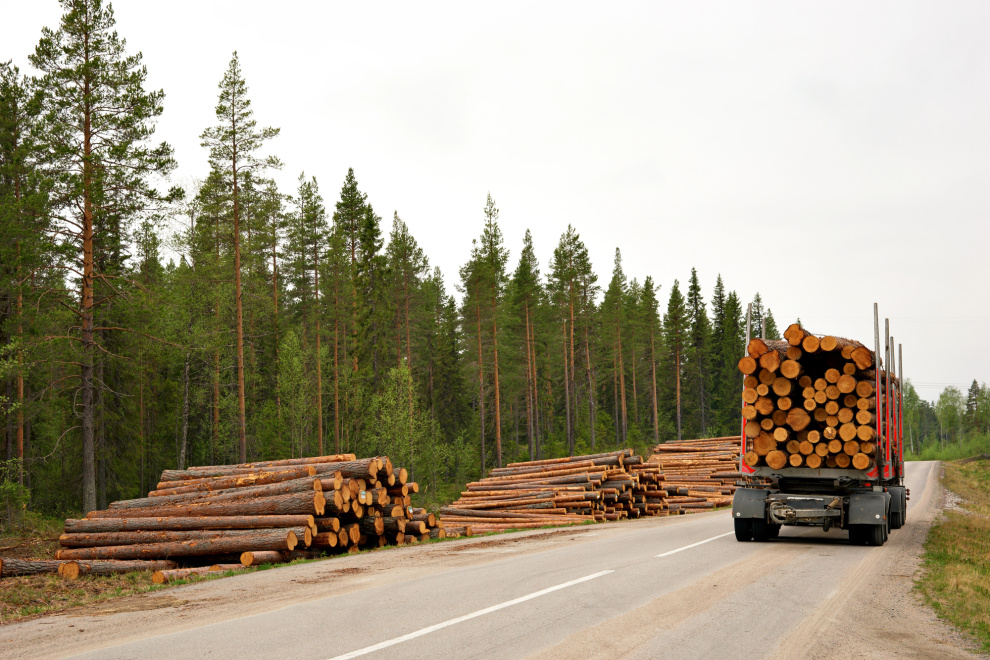
Total timber stocks decline 8%, while pulp chips and coniferous sawlogs remain largely stable across timber balance areas.
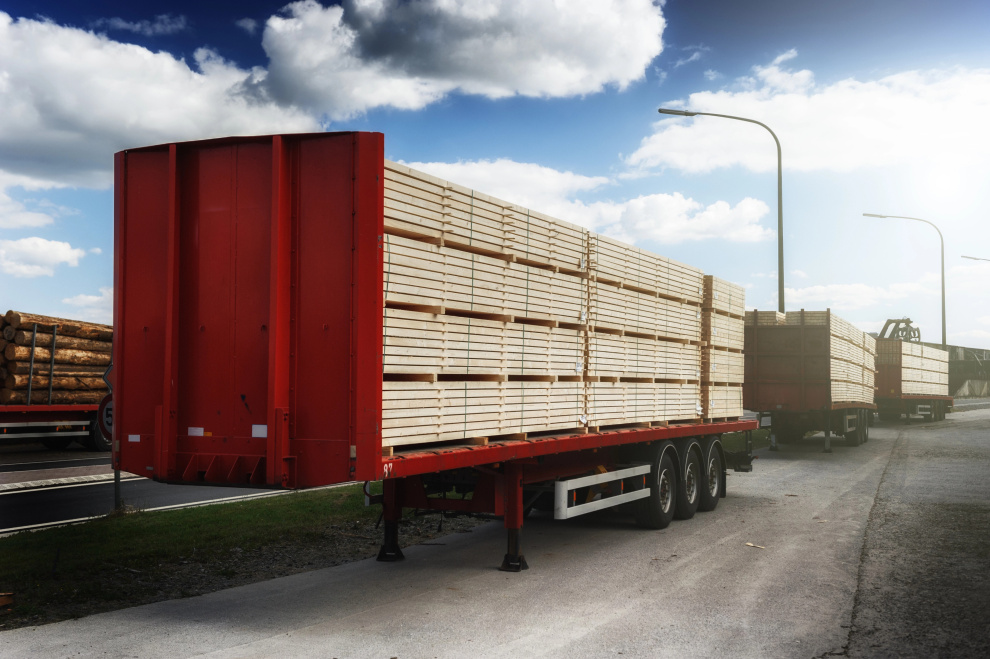
Driver cap slashes annual delivery volume as trucking costs rise 50%.
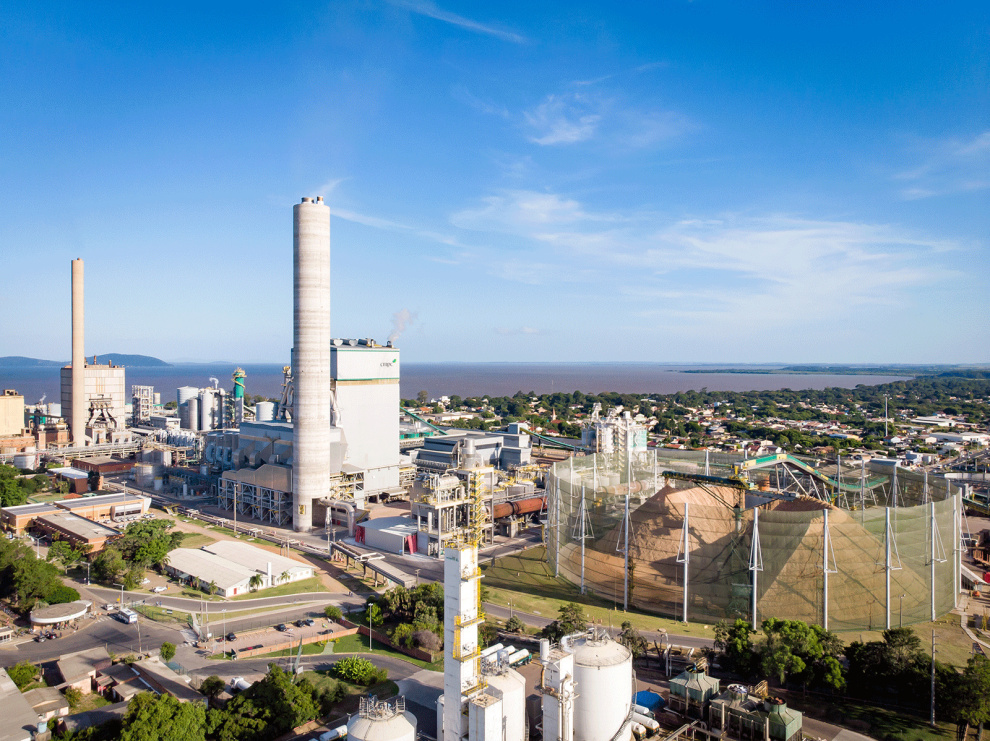
Lower pulp prices and exchange rate effects cut consolidated EBITDA margin to 14%, while early signs of recovery appear in short-fiber markets.
Lumber output dropped to 912 million board feet as the company is proceeding with a previously announced 26% production cut; duties expenses rose $147 million, partly offset by a $9 million revaluation gain.
New report projects import dependence to continue through 2030 under ongoing production constraints.
North American housing weakness, high duties, and soft global pulp prices drive lower production and margins across all regions.

Real estate EBITDA rises to $74 million; outlook indicates full-year results at or above prior guidance while Pacific Northwest EBITDA falls 26%.
Third-quarter net income falls to $21.8 million on $1.67 billion in sales, while adjusted EBITDA declines 52% due to lower commodity prices and reduced single-family housing activity.

Composite PMI output index remains at 50.0%, with service activity improving and construction slightly slowing.

Third-quarter adjusted EBITDA declined 31% to $434 million, with gross margin dropping to 30.4% and net income down 57% to $122 million.
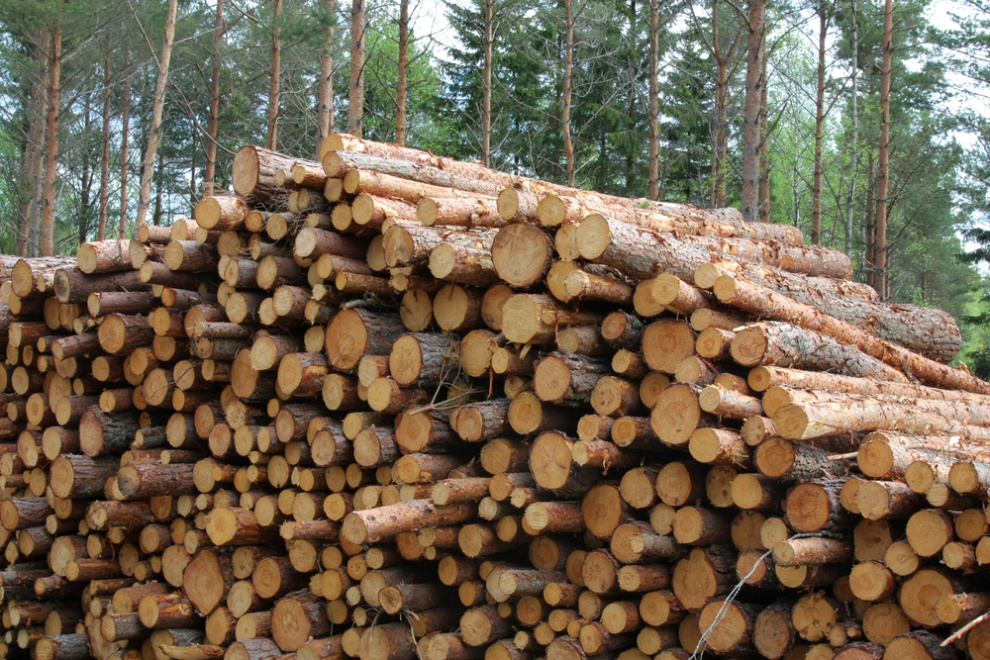
Cumulative purchases for January–September are two-fifths below last year as logging residues and delimbed stems volumes decline.

Softwood log imports decline by 13.0% in January–September 2025.
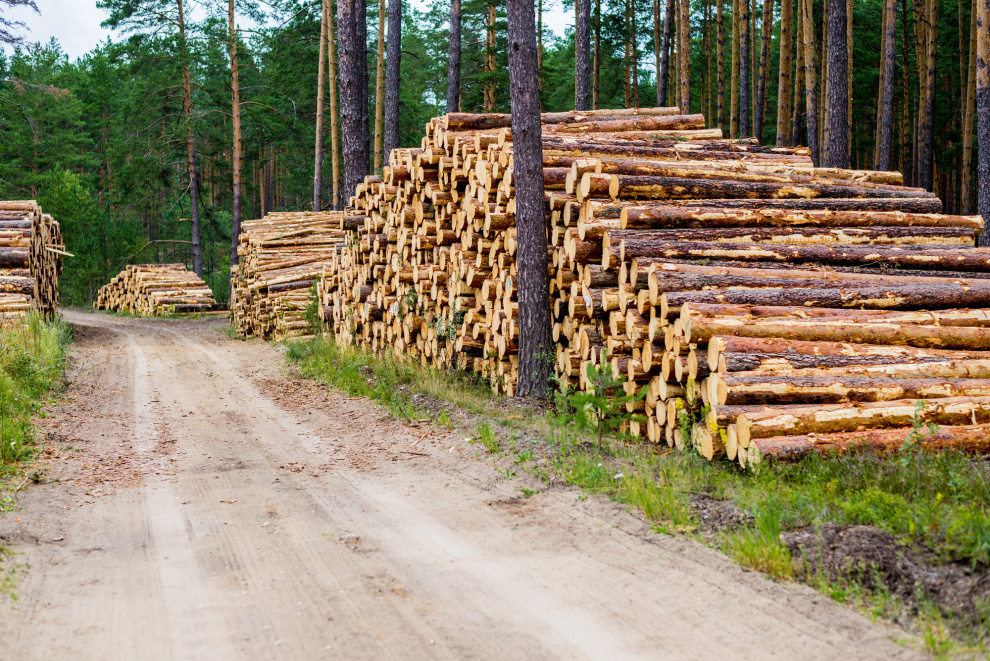
Result before tax reaches Euro -5 million as lower volumes and higher digital costs weigh on margins; 24 million seedlings planted during the 2025 season.

Affordability constraints and cautious buyers reduced closings by 5% to 84,863 homes, bringing annual revenue to $34.3 billion.

UPM’s sales fell 9% to Euro 2.3 billion as pulp and paper prices declined sharply; the company expects lower margins in H2.

Real housing wealth falls for fourth month while Chicago stands alone with 0.26% rise.
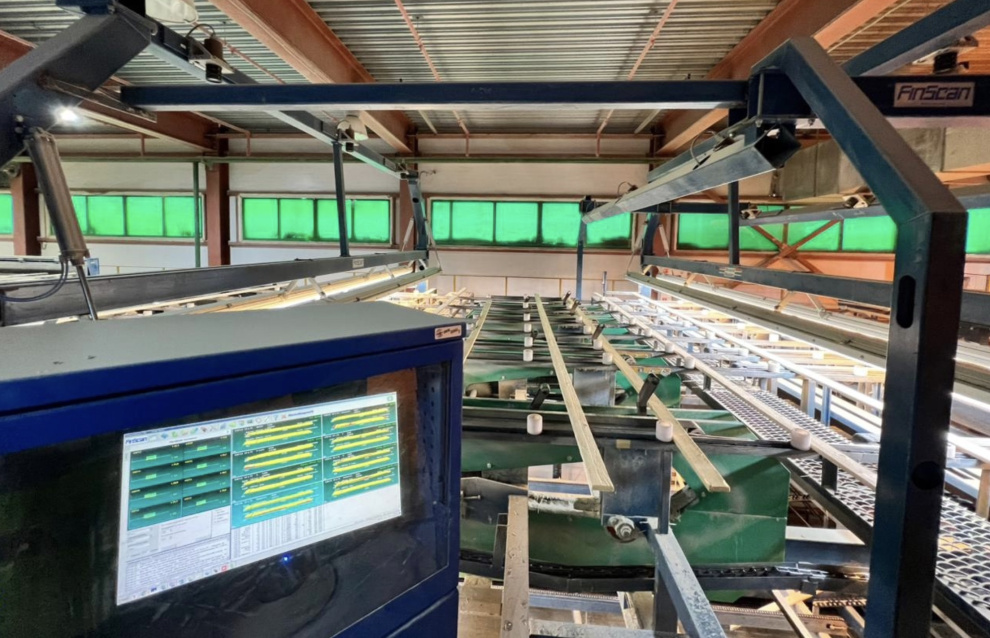
Rising costs, blocked access to road-building materials, and equipment shortage undermine Russia’s forest sector raw material base.
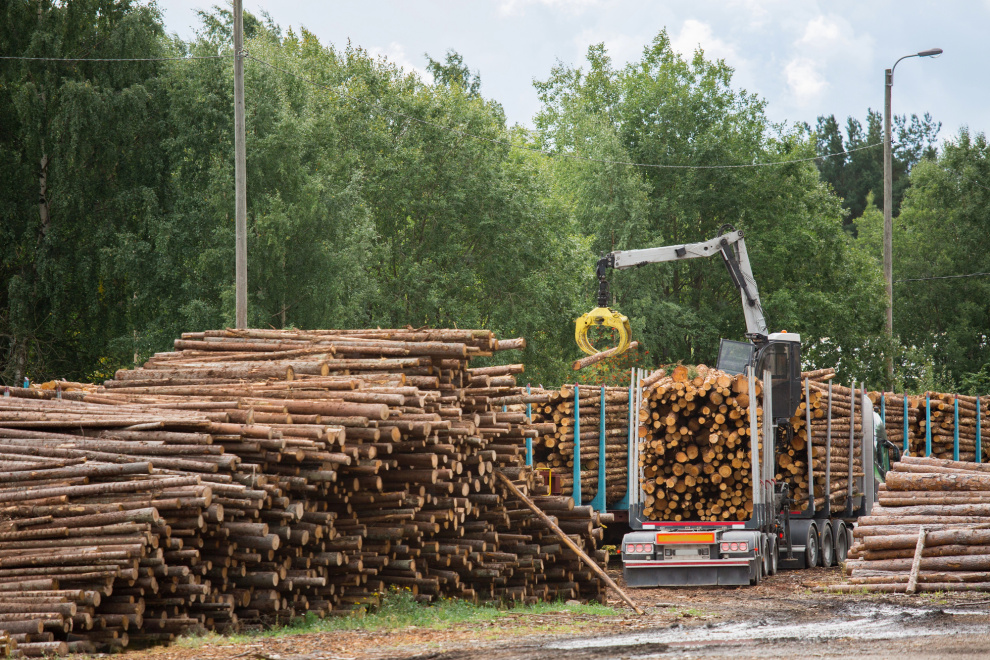
Signatories include CEPI, CEI-Bois, COCERAL and Bioenergy Europe citing supply chain-wide compliance issues.

New 25% duties on Asian parts pressure local makers; imports expected to fall as firms shift sourcing.