
Timber price declines may ease costs only with a lag and further closures are likely if the market doesn't improve.
Timber price declines may ease costs only with a lag and further closures are likely if the market doesn't improve.
State Farm, Allstate, Liberty Mutual, USAA and Farmers increase zero-payout claims from 36% a decade earlier.

Survey and industry data show firms improve efficiency, but sector productivity diverges from sawmills as technical change remains weak and variable.

New Zealand log export volumes rise seasonally after strong March harvesting conditions.
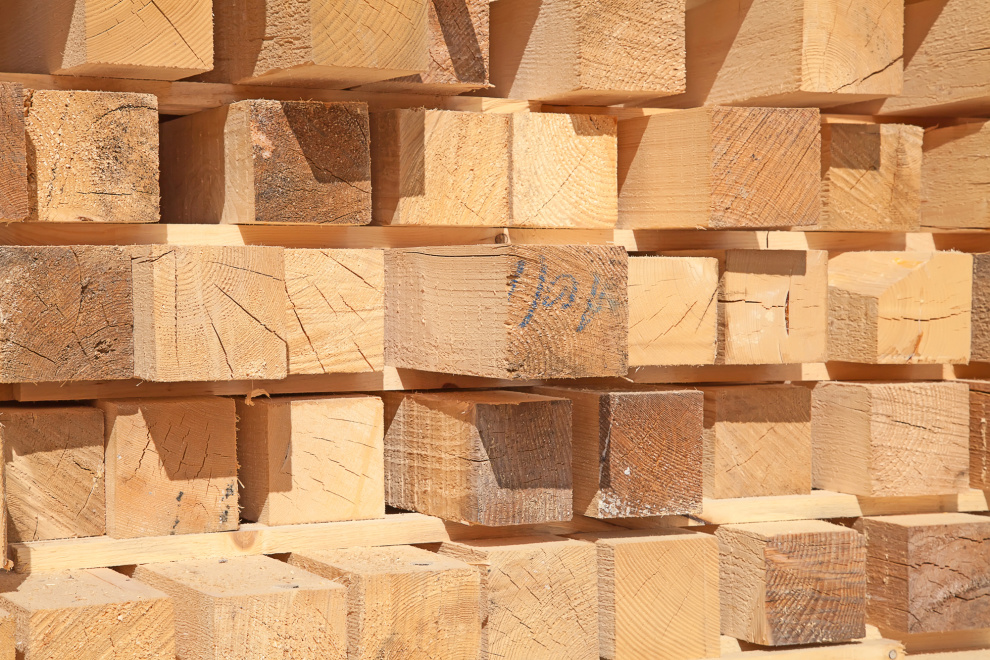
The U.S. posts the steepest decline among the largest softwood lumber import markets, followed by Germany and China, while supplier volumes fall most for Canada, Russia, and Austria.

Inventory rises to a 9.4-month supply as the median price increases to $422,500.

Canadian import taxes reach about 45% for many producers supplying U.S. builders.

Industrial roundwood totals 21.656 million m3 in January to April, 6% below the five-year average, while energywood totals 2.230 million m3, 13% above the five-year average.

More than half of the 20 tracked metro areas post year-over-year declines, led by Seattle, while Detroit’s March reading is unavailable due to local recording delays.

Weaker housing-related conditions in Ontario and British Columbia and more severe winter weather disrupted shipments and cut quarterly deliveries.

Association cites a significant 20-year decline in wood use in construction and links faster wood building to investment, exports and jobs.

The U.S. South leads 2025 timberland trading with more than 560,000 acres, representing 56% of total volume.

The 15-year fixed-rate mortgage averages 5.85%, higher than last week.

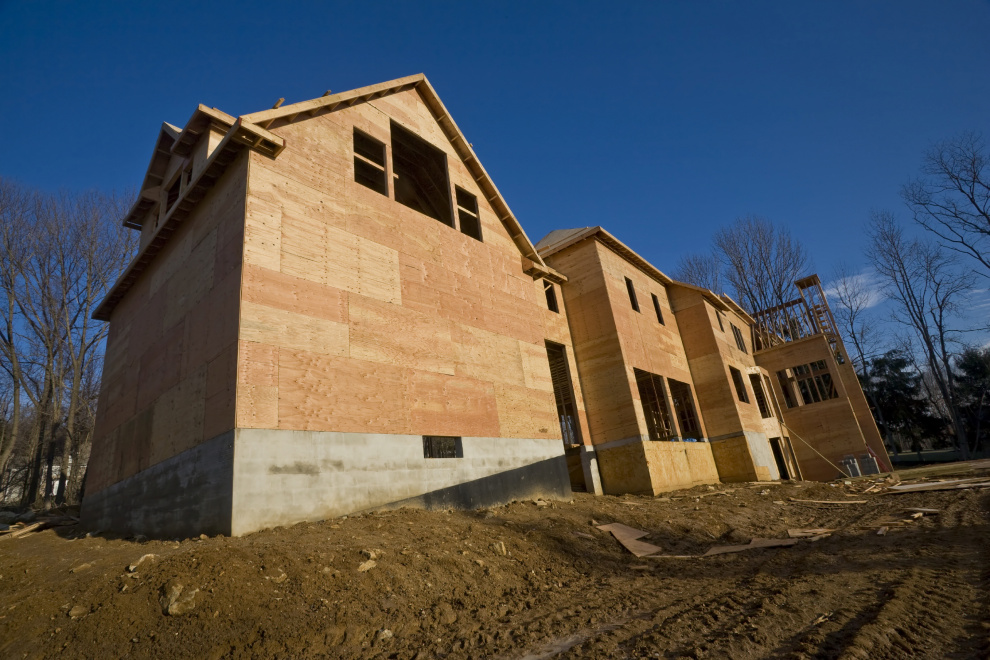
Builders face economic uncertainty and affordability challenges, including higher construction costs, labor shortages, and elevated financing expenses.
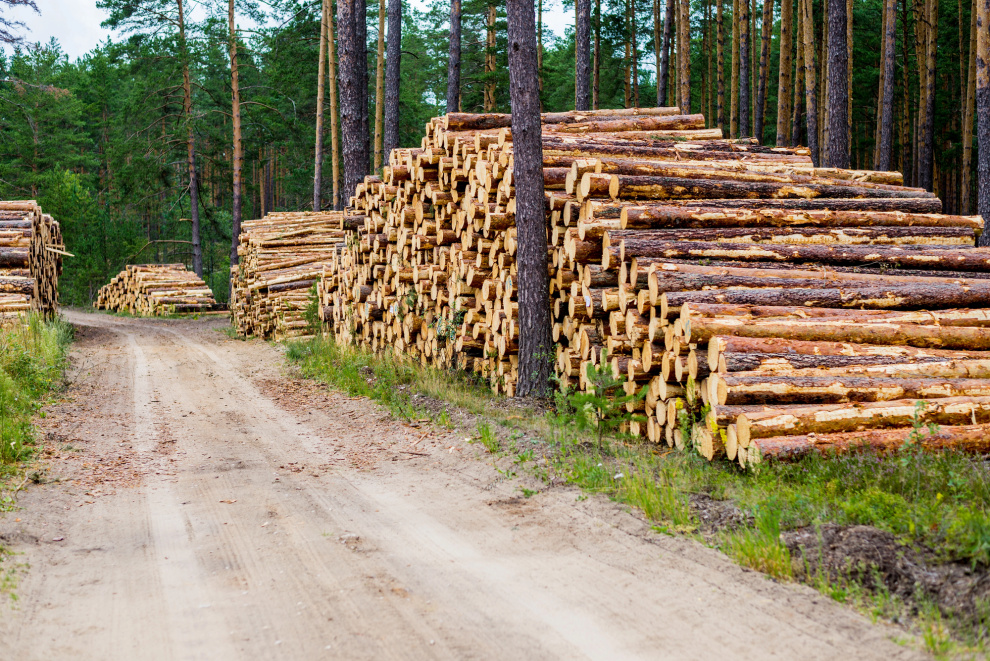
Spruce sawlog stumpage averages Euro 81.33 per m3, while industrial roundwood purchases from private forests fall 39% from a year earlier.

Official statistics show a small export gain but a sharper domestic decline, while higher energy and input costs add pressure alongside U.S. tariff policy, rising imports, weak consumer spending, and slow housing construction.
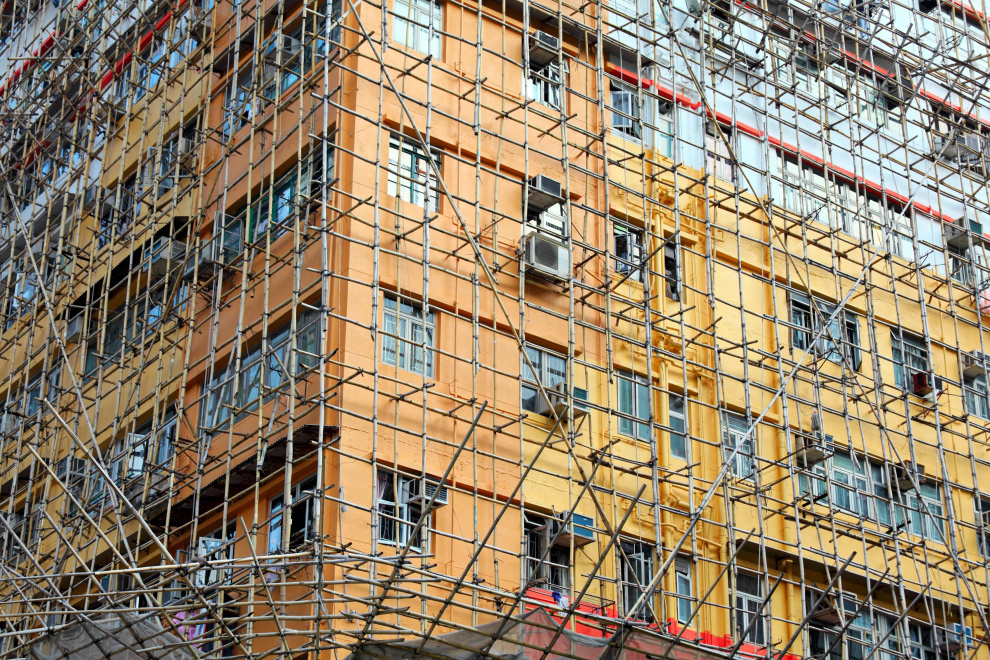
Completed construction floor space falls 40% from March, while floor area under development rises to 5,451 million m2.
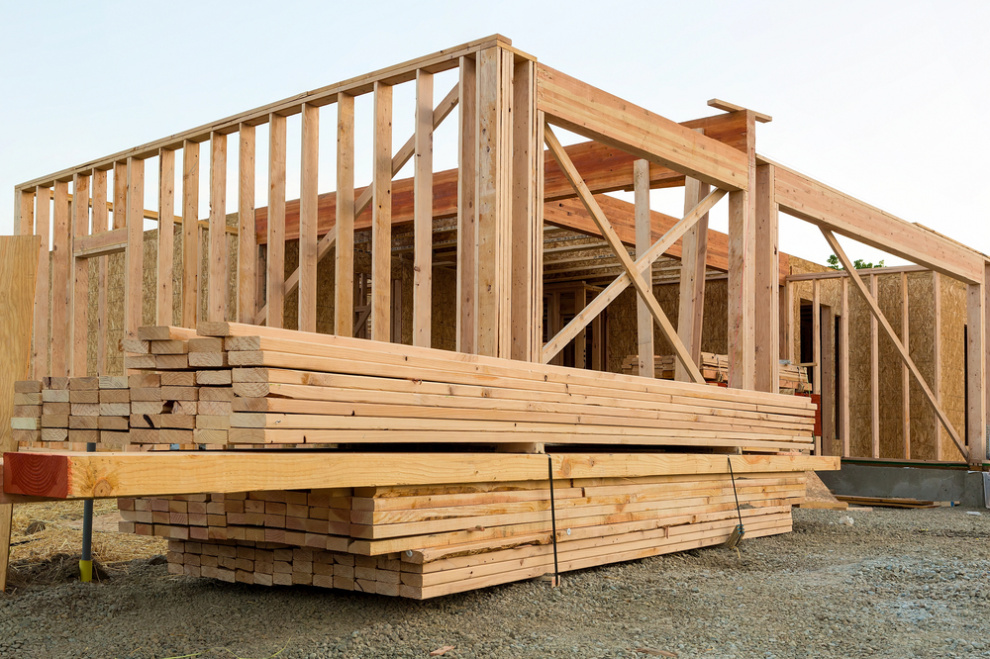
Lumber prices rose from late-2025 lows, but duty deposits and reduced operating days continued to pressure liquidity and volumes.
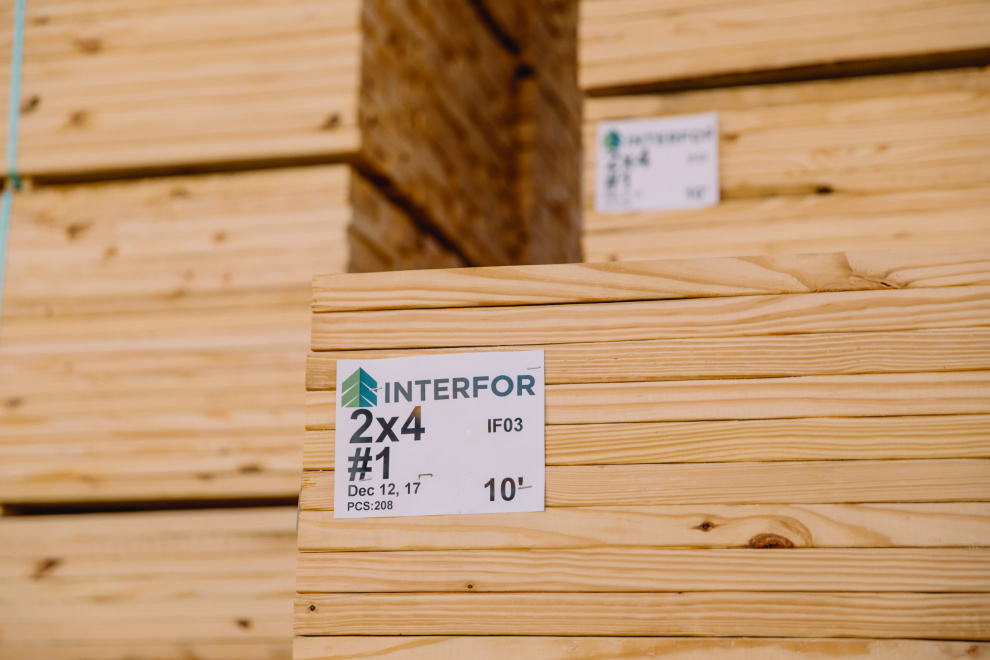
Higher lumber prices lifted results, but logistics constraints cut shipments and increased inventories.

The analysis compares three wood-based synthetic methanol pathways and finds gasification uses less electricity and costs less, while EU RFNBO definitions credit combustion pathways more fully than gasification.