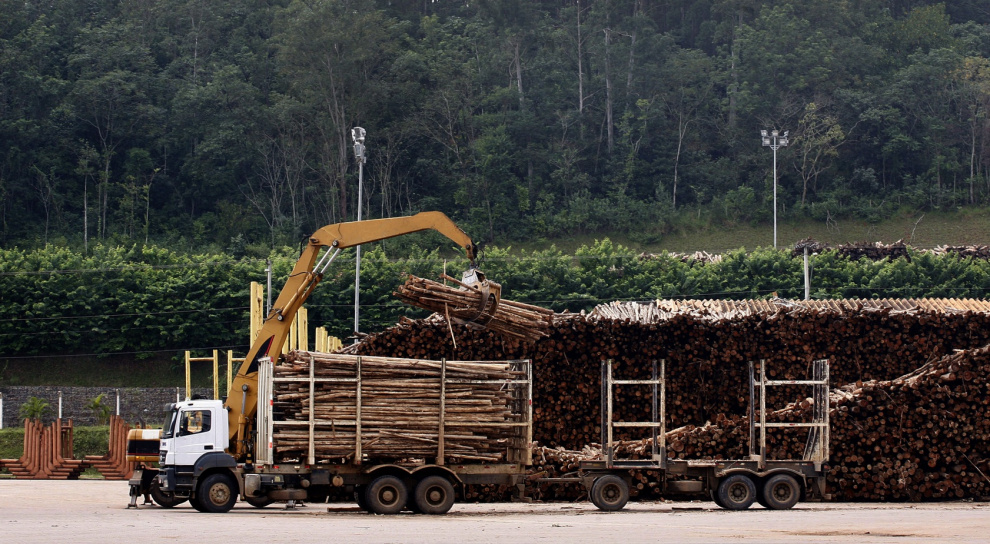
Price for logs exported from Canada decreased 8%.
Price for logs exported from Canada decreased 8%.
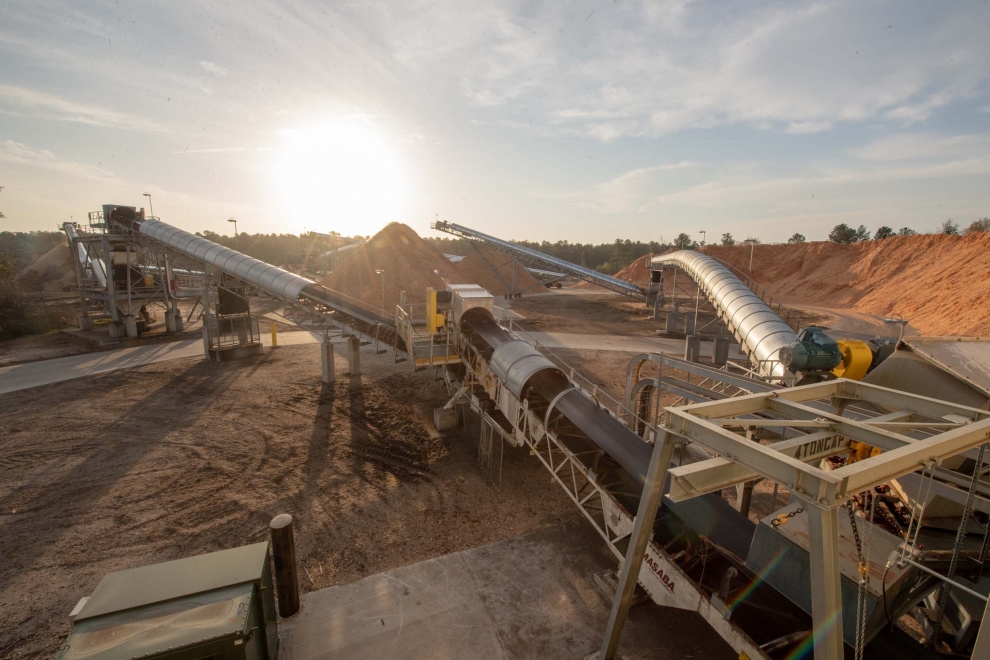
The debarking and chipping line will run from log infeed through chipping to raise wood handling capacity and wood chip supply.
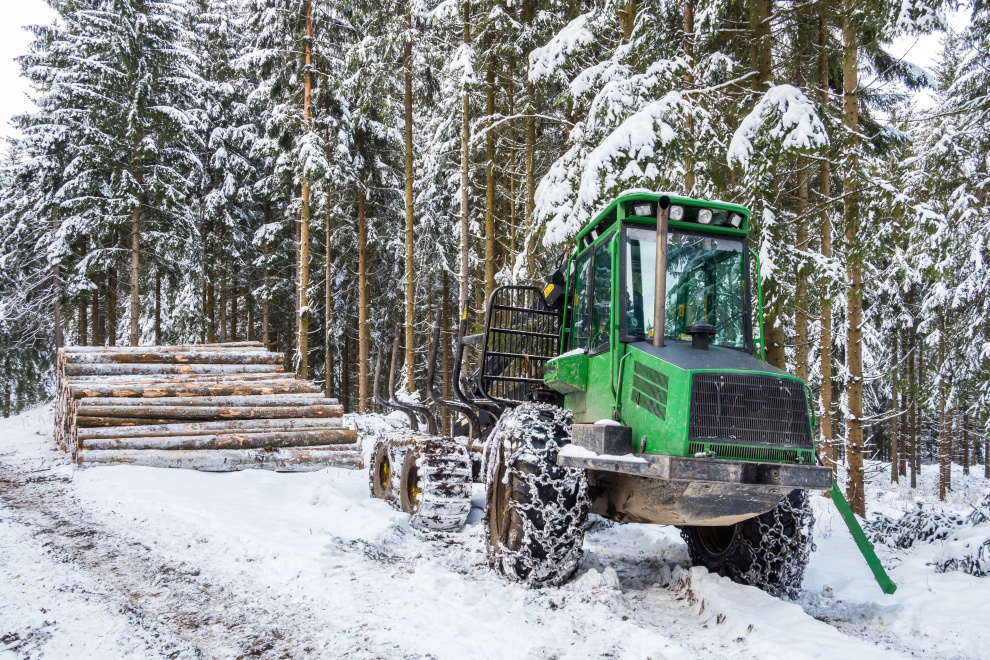
Exports of logs from Norway changed slightly 0.8%.
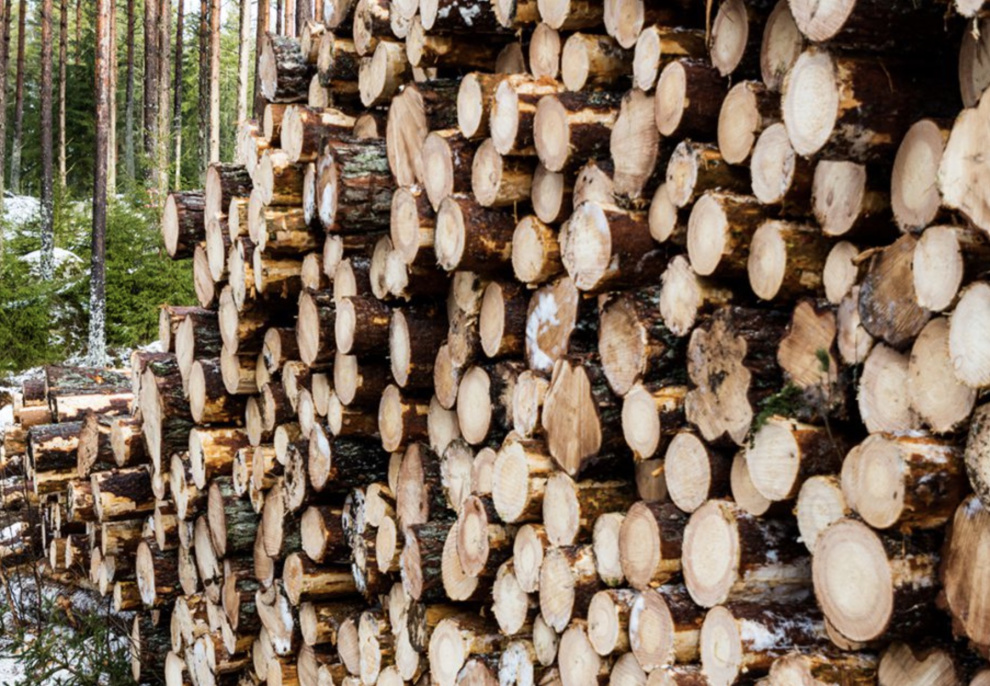
New-contract rates fall for pine and spruce logs, small timber, pulpwood, firewood, and gravel.

Company says stronger Real Estate results offset weak timber markets, with Southern pulpwood pricing down and Pacific Northwest harvest volumes lower year over year.
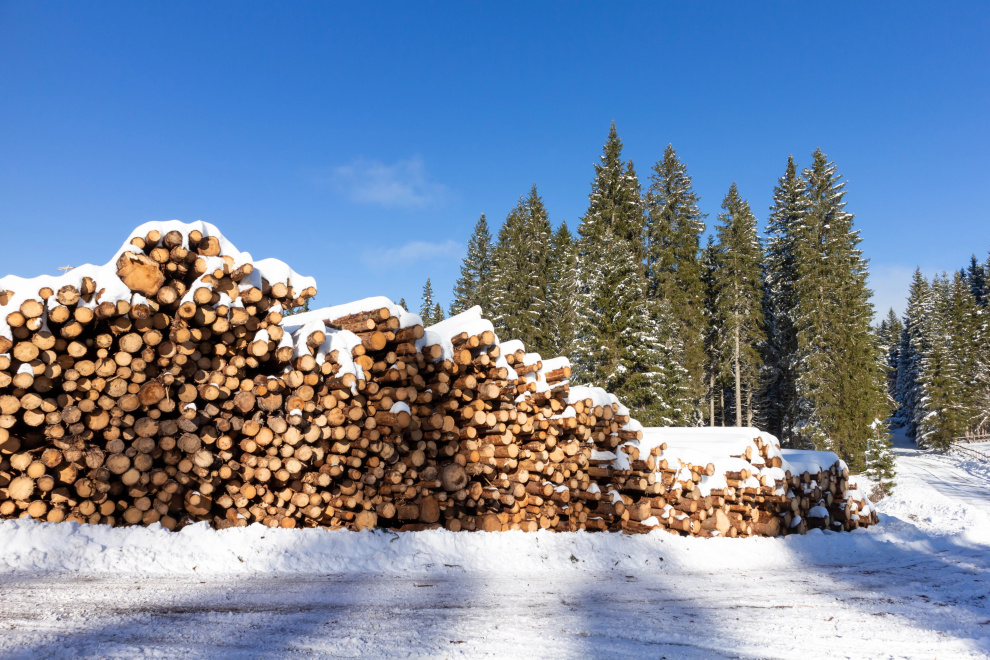
Total timber stocks fall from the previous quarter, while pulp chip stocks drop and pulpwood stays near the same level.
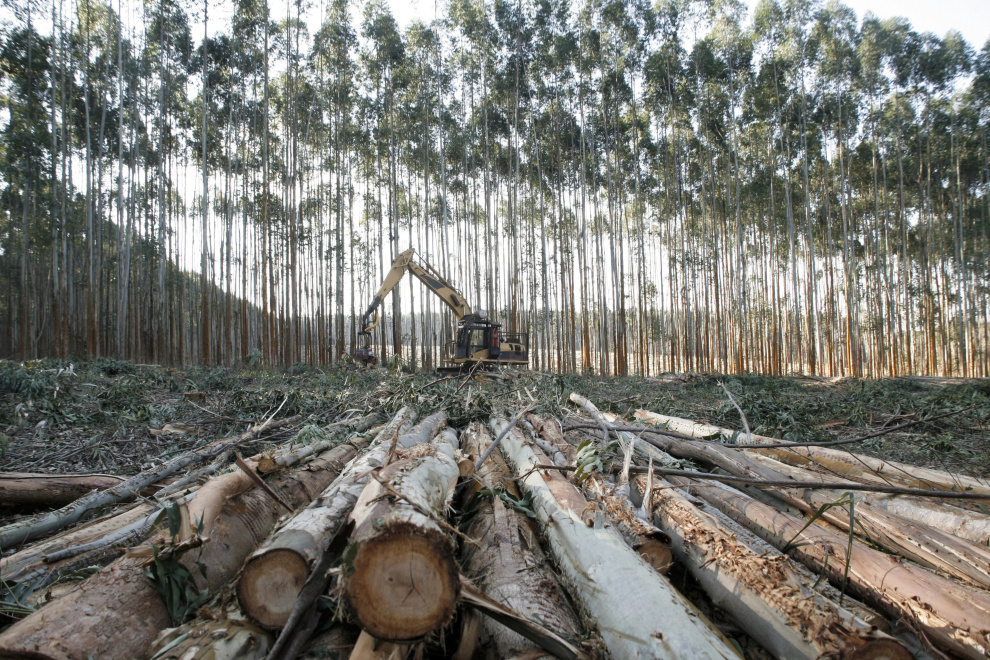
Price for logs exported from Brazil contracted 15%.
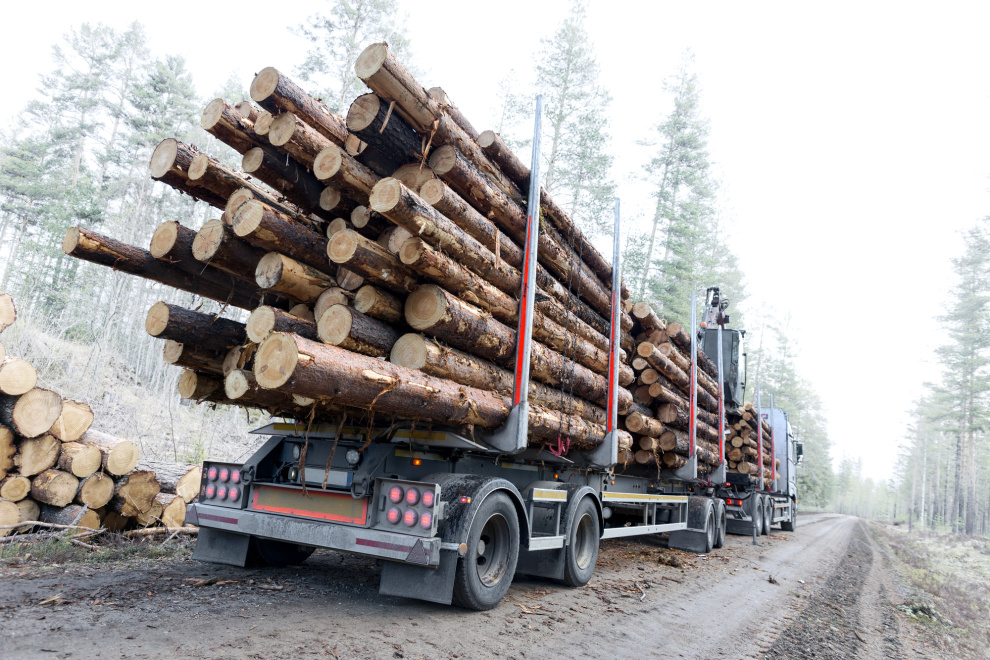
Regional wood shortage and high Swedish prices drive Norway’s export growth.
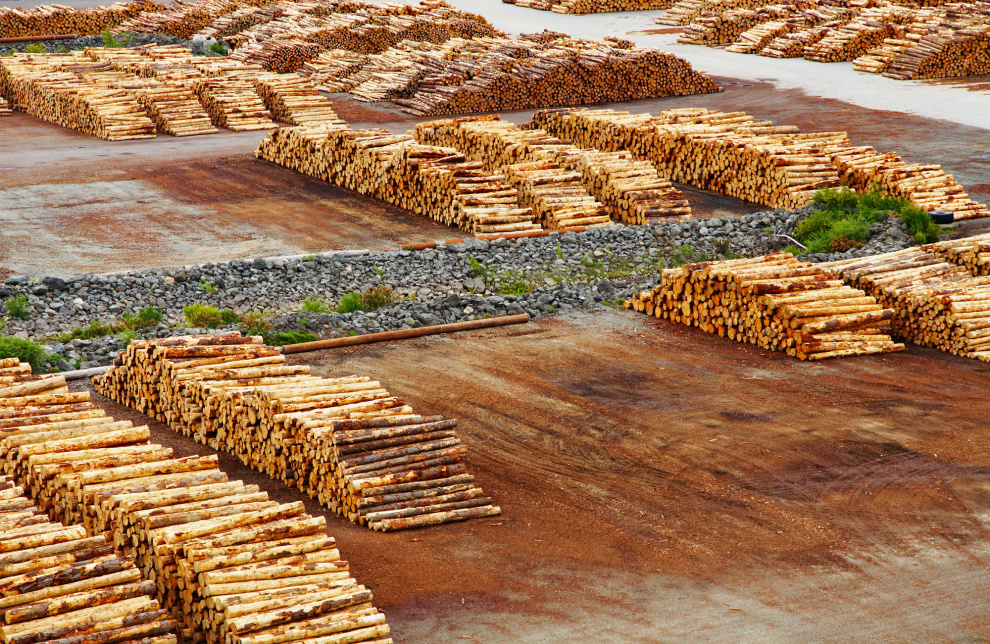
Price for logs exported from Japan gained 1.6%.
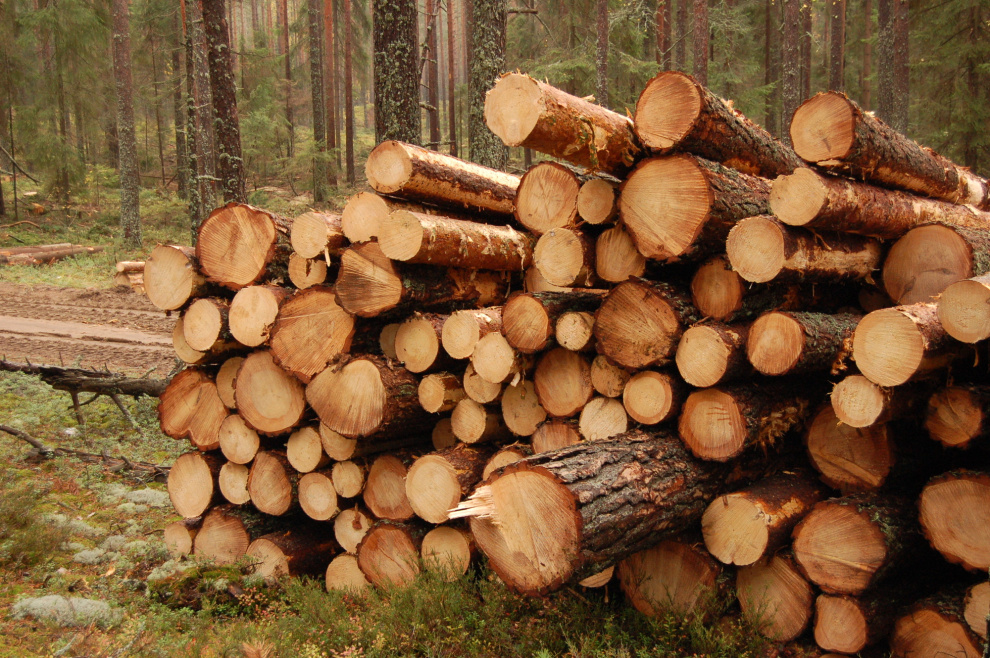
Exports of logs from the U.S. contracted 11%.

Renewable energy development and technology infrastructure are expected to expand non-timber revenue opportunities for timberland owners in 2026.
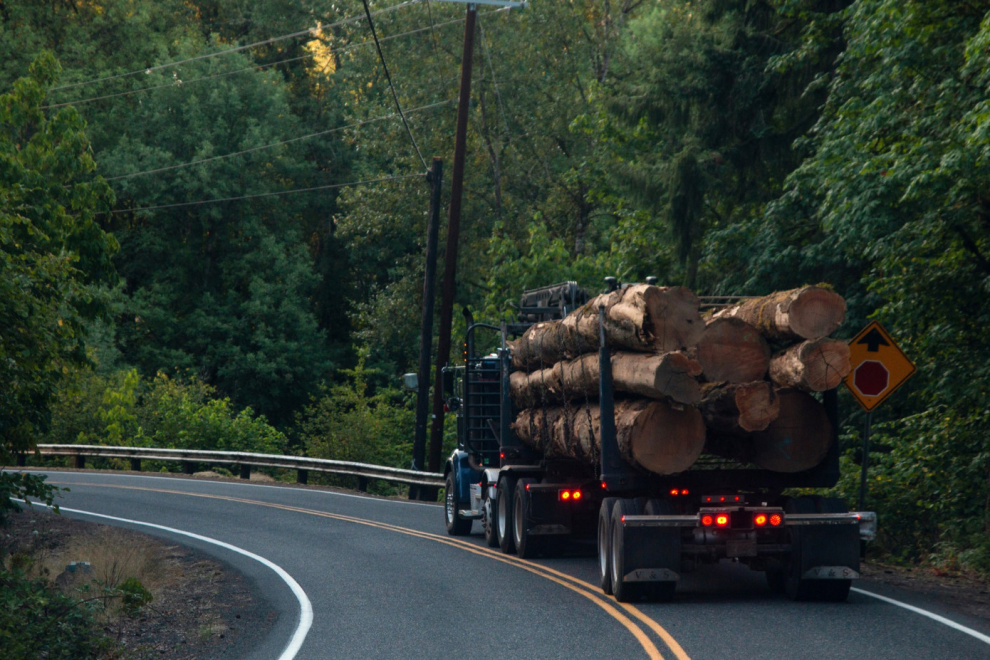
Climate solutions segment grows 42% year-over-year, but overall results pressured by market headwinds.
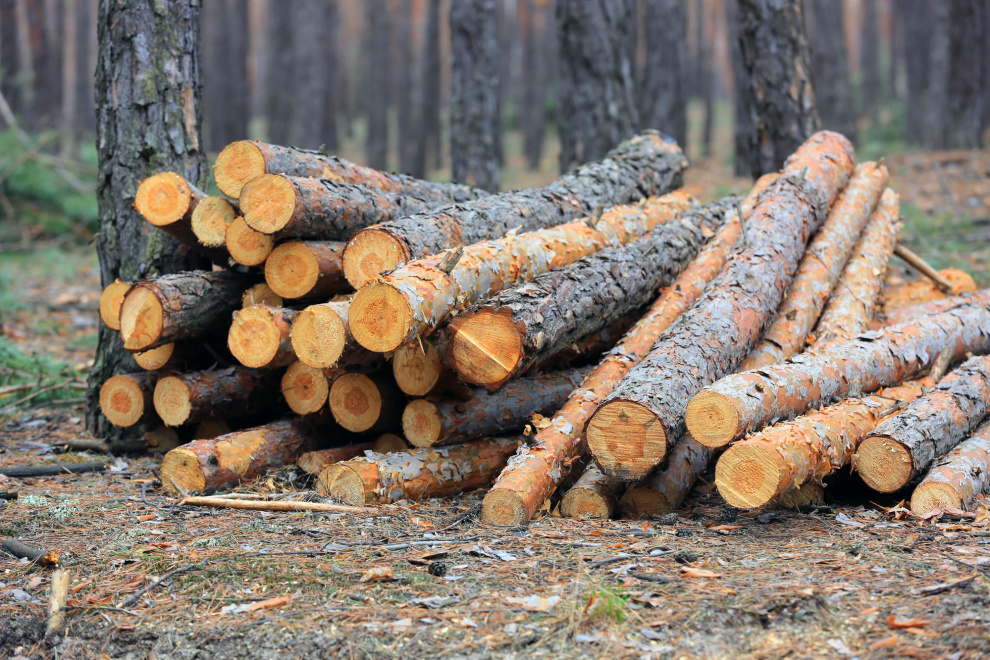
Price for logs exported from Canada expanded 12%.
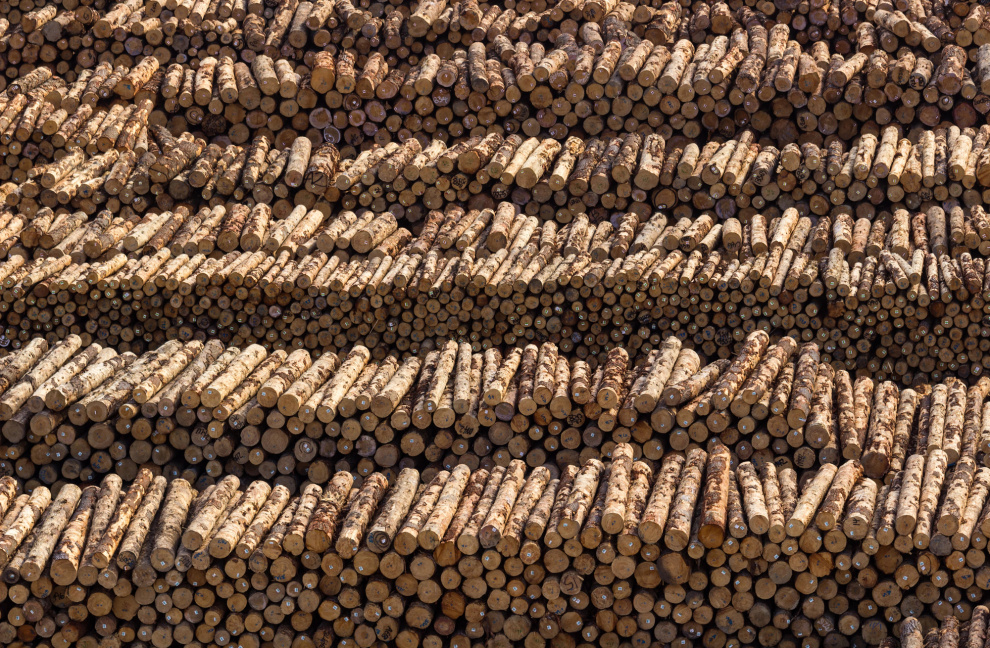
Price for logs imported to Japan lost 12%.
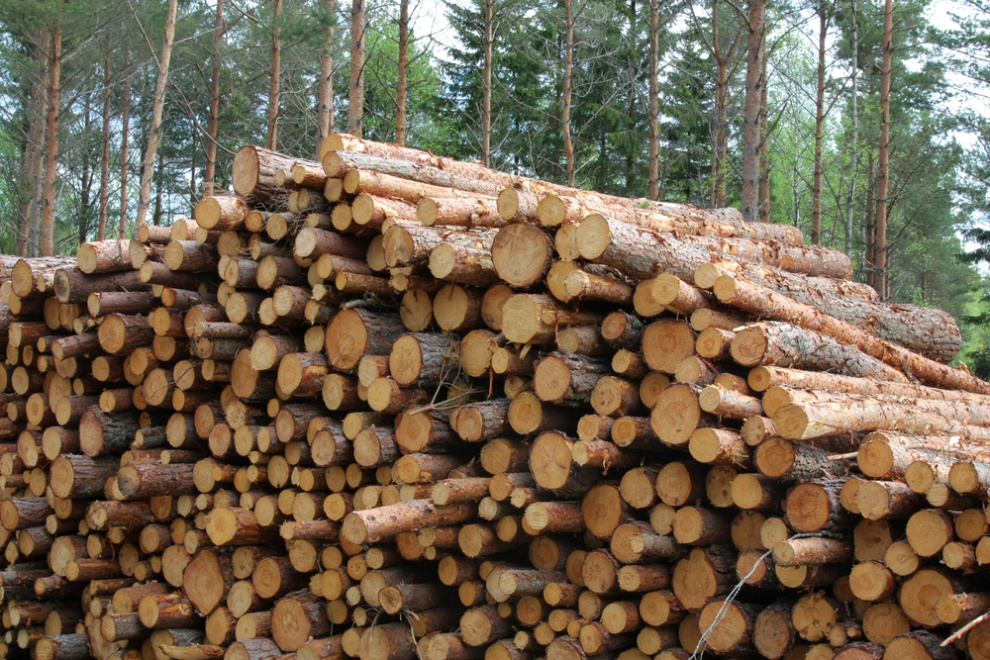
Average stumpage price reaches 16 euros per cubic metre, while delivery sales average nearly 40 euros.

Paper sector profits declined 13.6% and timber processing dropped 38.3%, while overall manufacturing rose 5%.

Harvests from private forests amount to 47.6 million m3, representing 79% of total volume.
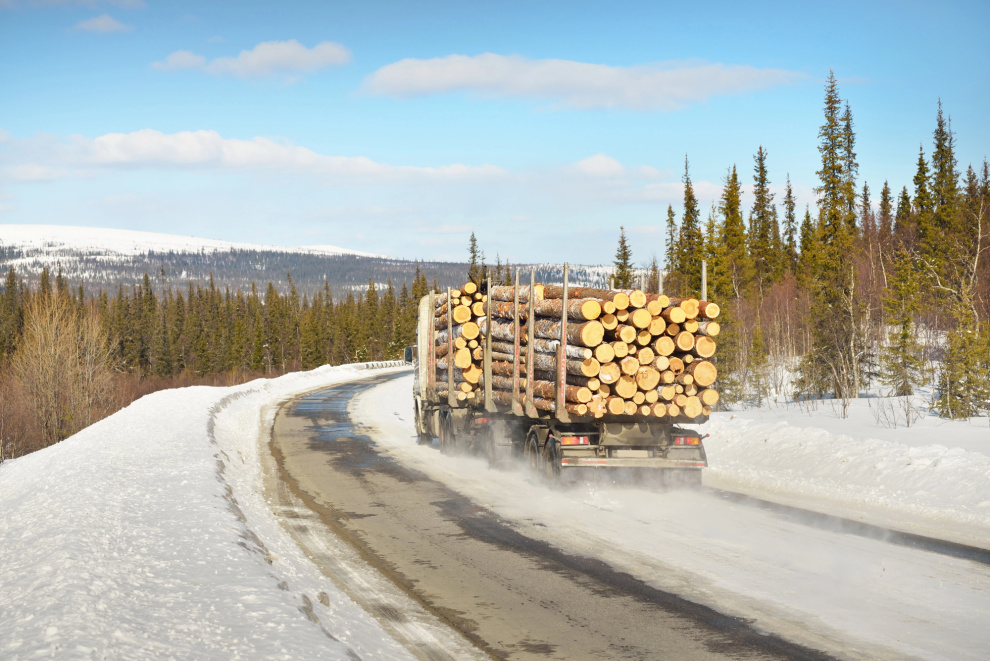
Draft regulation would block forest leases for underperforming firms and raise investment threshold.
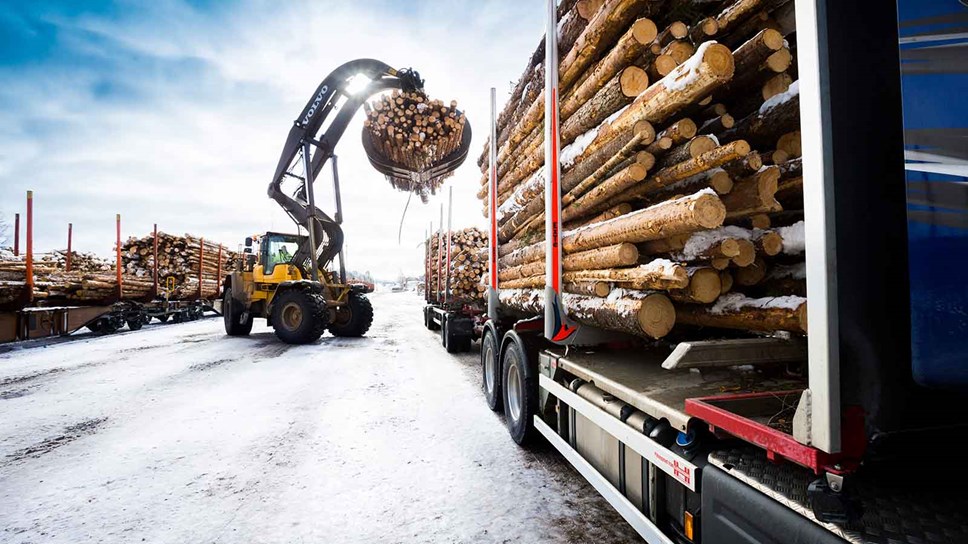
A new analysis shows losses from EU Emissions Trading System changes and higher rail and shipping charges, threatening jobs and exports.
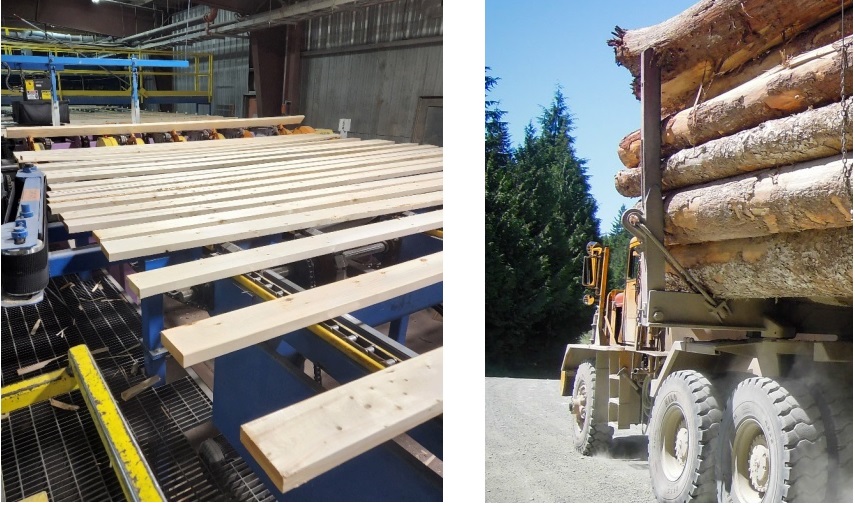
Funding aims to bolster liquidity amid ongoing North American lumber market volatility.