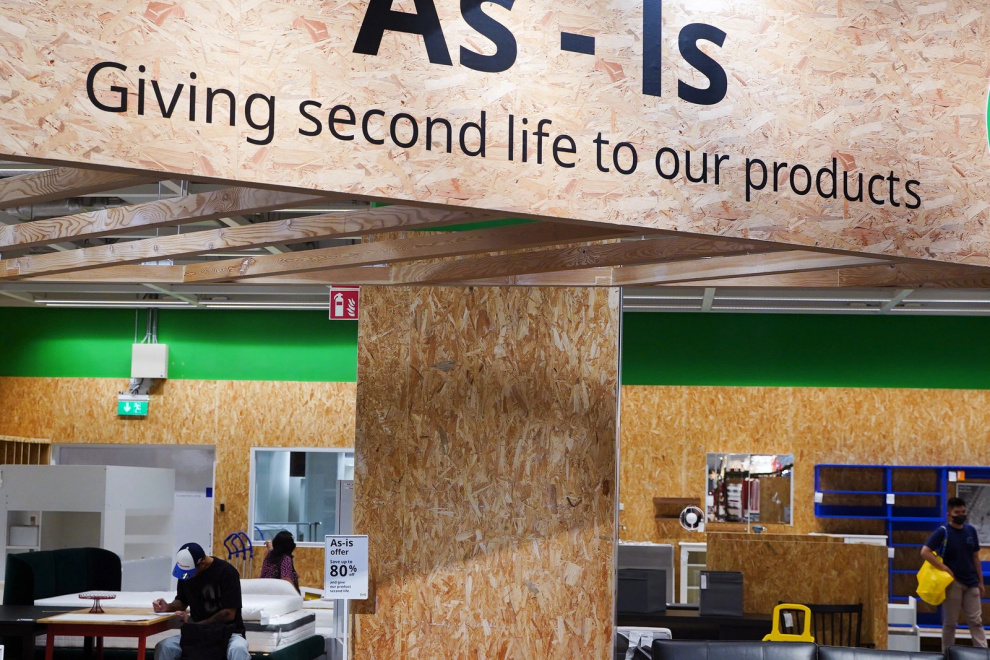
The company sees an opportunity to divert waste wood from energy production and reuse it as material for new products.
The company sees an opportunity to divert waste wood from energy production and reuse it as material for new products.

Companies want third parties to conduct forest assessments instead of relying solely on state-controlled Roslesinforg and seek protection from lease termination over delays or quality disputes.
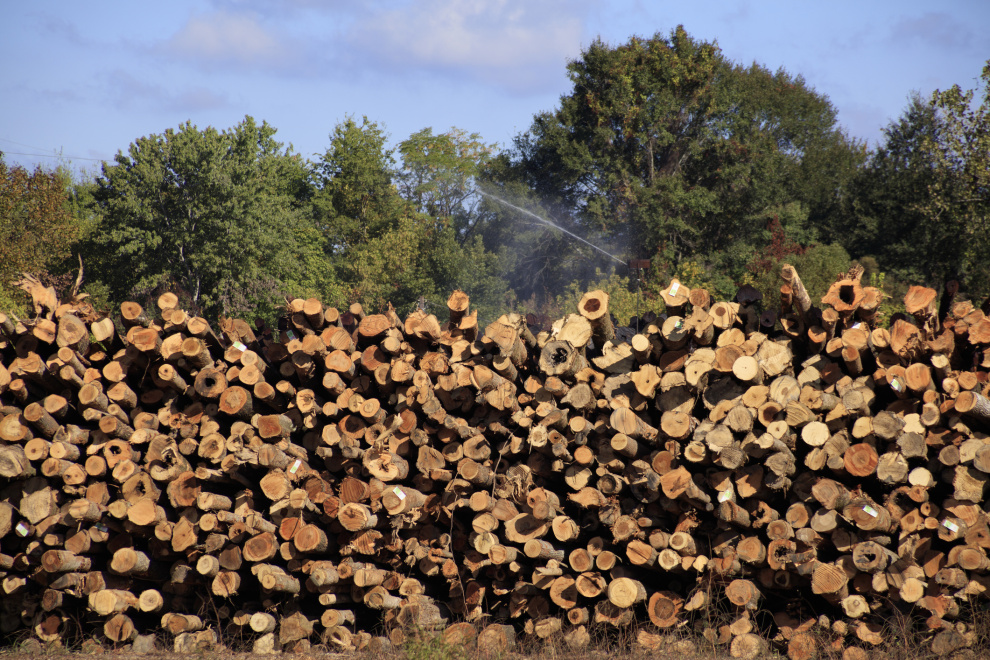
The agreement covers prescribed fire, timber and fuels treatments, longleaf pine restoration, wildlife habitat and invasive species management across ownership boundaries.
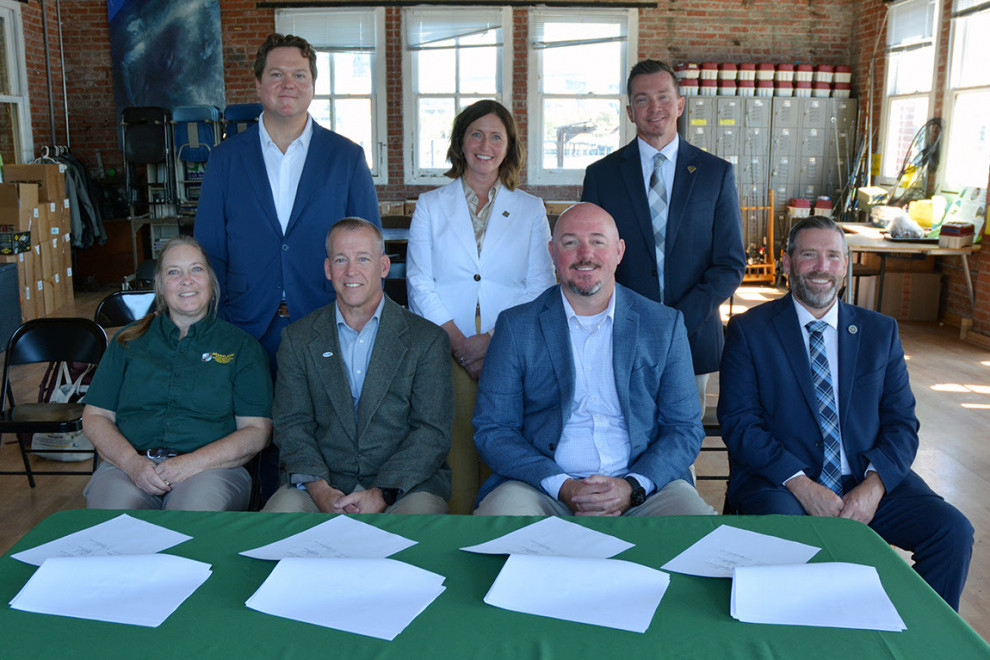
The five-year agreement covers conservation, restoration and active forest management across the 64,000-square-mile watershed.

The exploration will examine timber production, multiple use, conservation and protection across public forests.
The expansions will create greater opportunities for local forest management and help maintain fibre supplies for local facilities.

The additional capital will fund selective acquisitions and value-creation projects across existing and future timberland holdings.
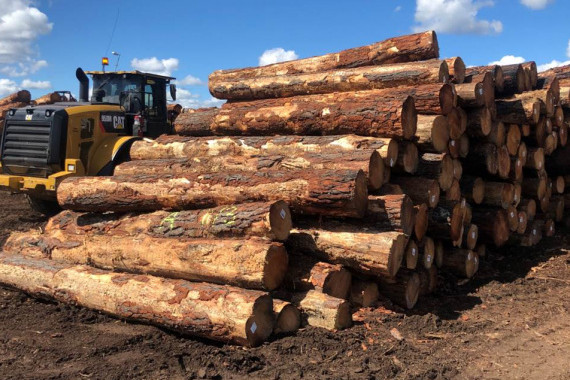
The funding will support wood-product processing, innovation, workforce development, plantations and timber import compliance.

Dry conditions linked to strong El Niño events have historically increased fires and tree losses in parts of South America and Southeast Asia.
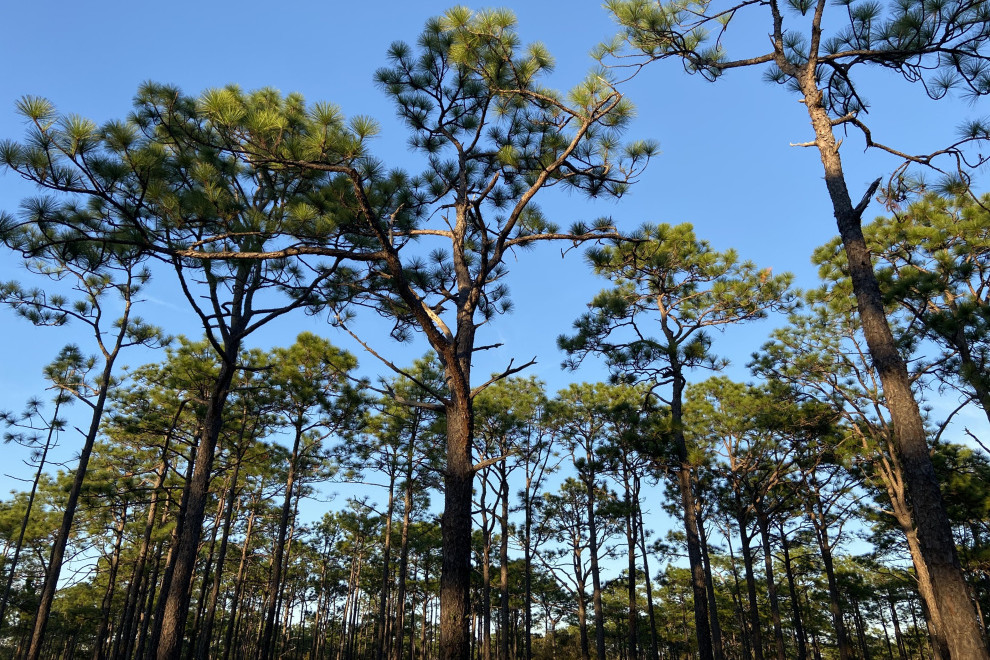
Georgia timberland owners lose buyers as mill closures cut 3% of U.S. containerboard capacity.
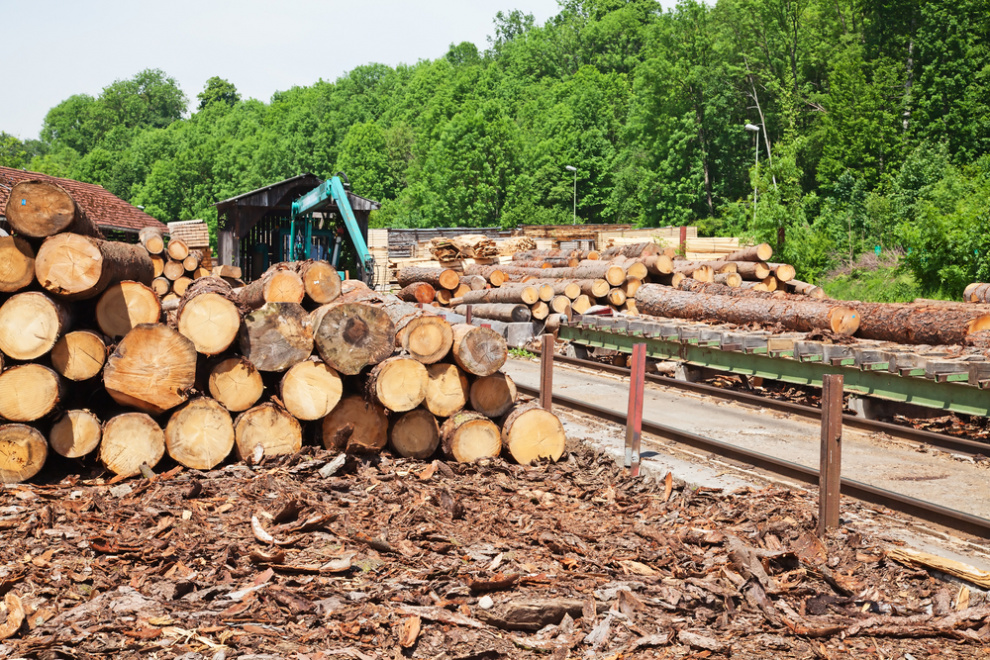
The plan aims to expand domestic wood supply after softwood log imports fell from 12.2 million m3 in 2000 to 1.6 million m3 in 2025.

Burned maritime pine could enter pallet, paper, plywood and fuel markets once forest access resumes.
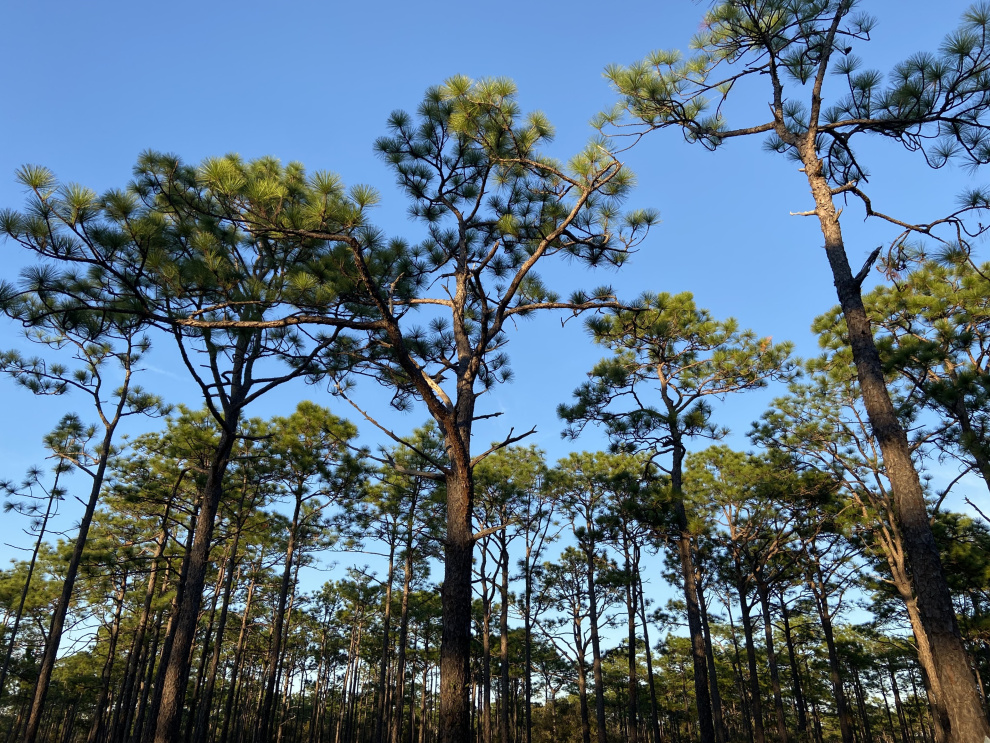
The awards support tree inventories, management plans, planting, maintenance and invasive tree removal across 19 communities.

Partnership targets local biogas plant expansion as Lunawood pursues 2035 carbon neutrality.

The funding will support sawmill expansion, new processing equipment and a new sawmill to increase domestic wood processing capacity and timber production.

The company reviews supplier sourcing plans each year, requires FSC certification and blocks deliveries when suppliers cannot prove compliance with its minimum sourcing standard.

The agreement will increase timber production, wood use, fuel treatments and restoration across priority areas in New Mexico.

The projects include boreal forest regeneration, caribou habitat restoration, provincial park reforestation and Indigenous-led planting.

The new standards will apply to 219 major-source facilities that make plywood, composite wood products or kiln-dried lumber.

The company recovered 119,000 board feet overall, with portions planned for glulam columns, nonstructural CLT facing and other architectural uses.