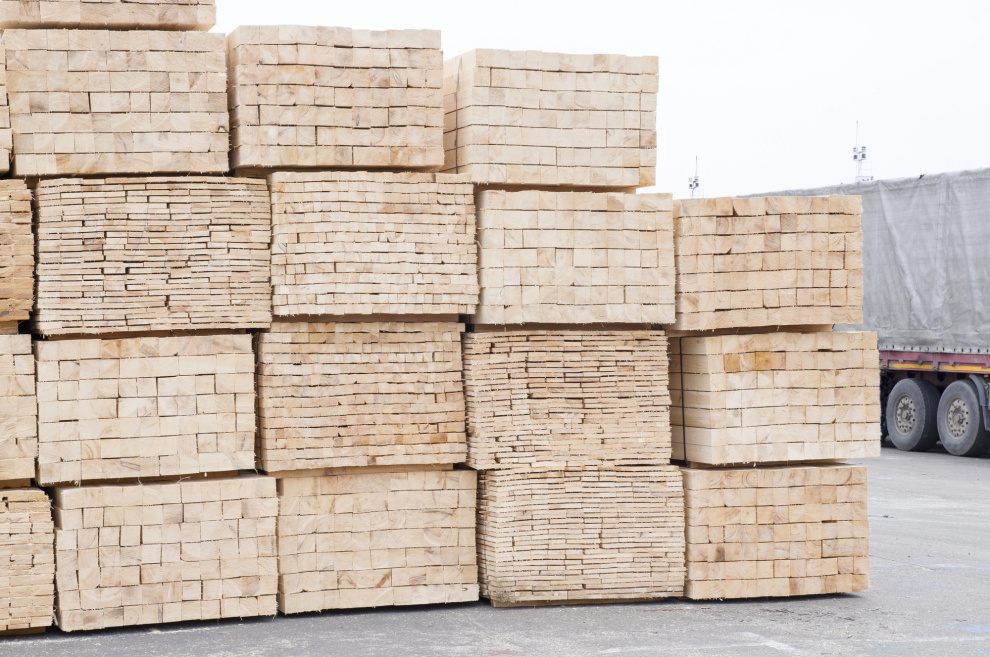
Domestic supply stays constrained while import flows improve and mills raise operating rates.
Domestic supply stays constrained while import flows improve and mills raise operating rates.
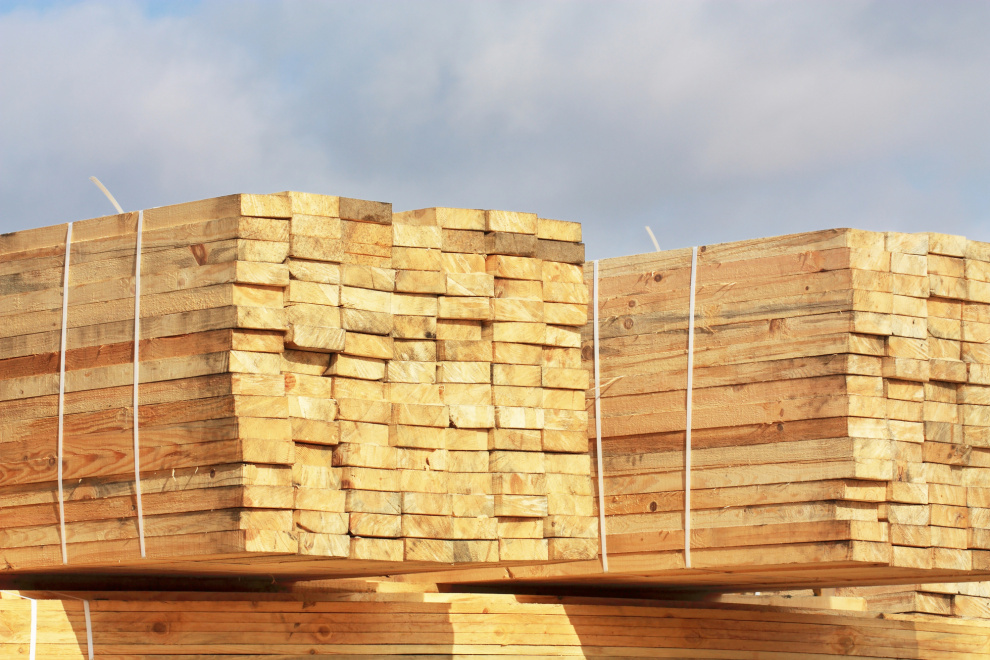
Average EBITDA margin for five major producers falls to 1.5%.

Exports to Switzerland, Italy, and Spain rise as tariff conflicts weigh on U.S. business and boost imports from Asia.

Chinese buyers push prices down as Russian exporters lack alternative markets.
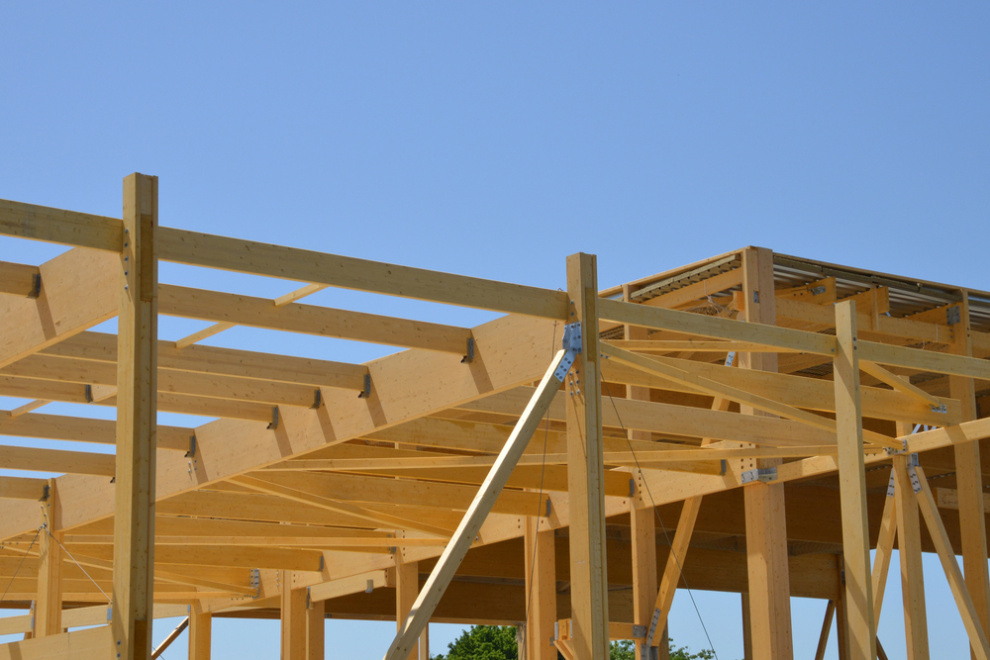
Wooden housing declines 2.8%, accounting for 56.5% of total construction.
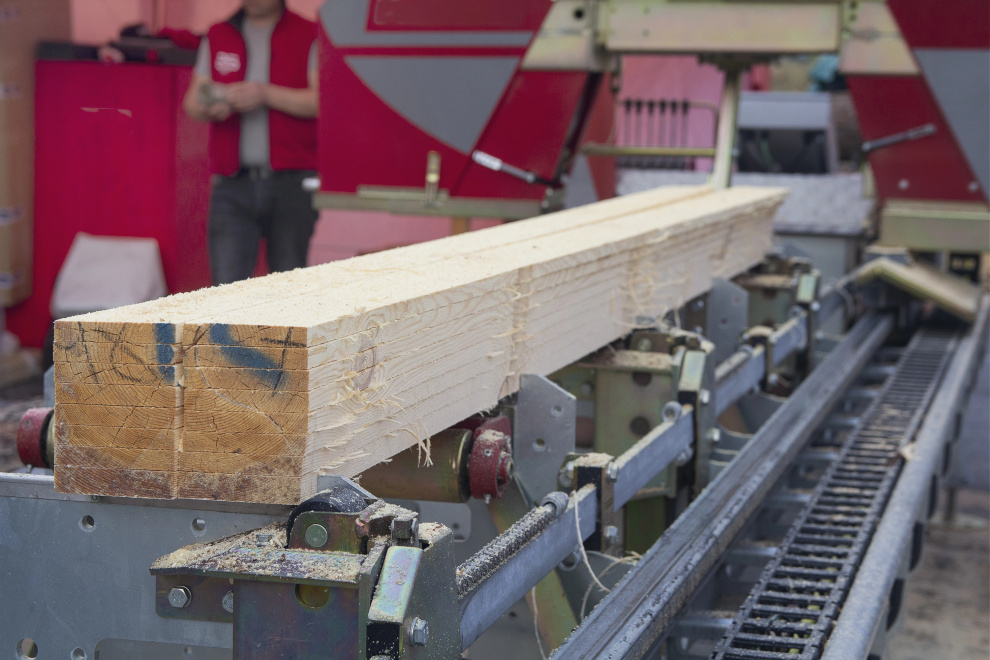
Shipments grow 6.4% as inventory declines 2.7%.
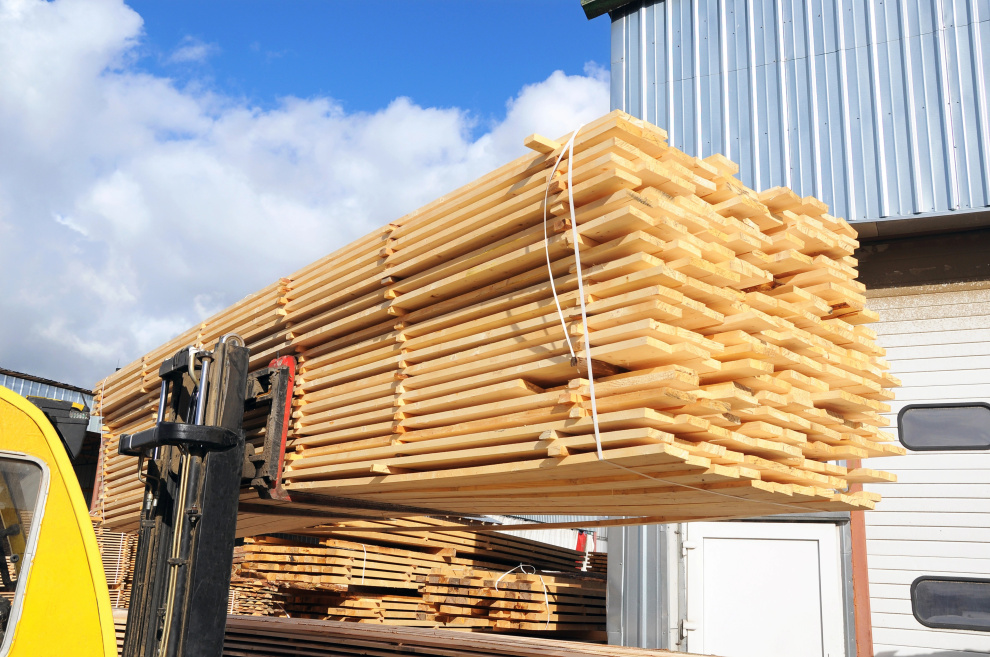
Funding includes $700 million for housing-linked lumber demand, $500 million in new loans for large softwood producers, and over $100 million in worker training, expanding on prior $1.2 billion forest sector support.
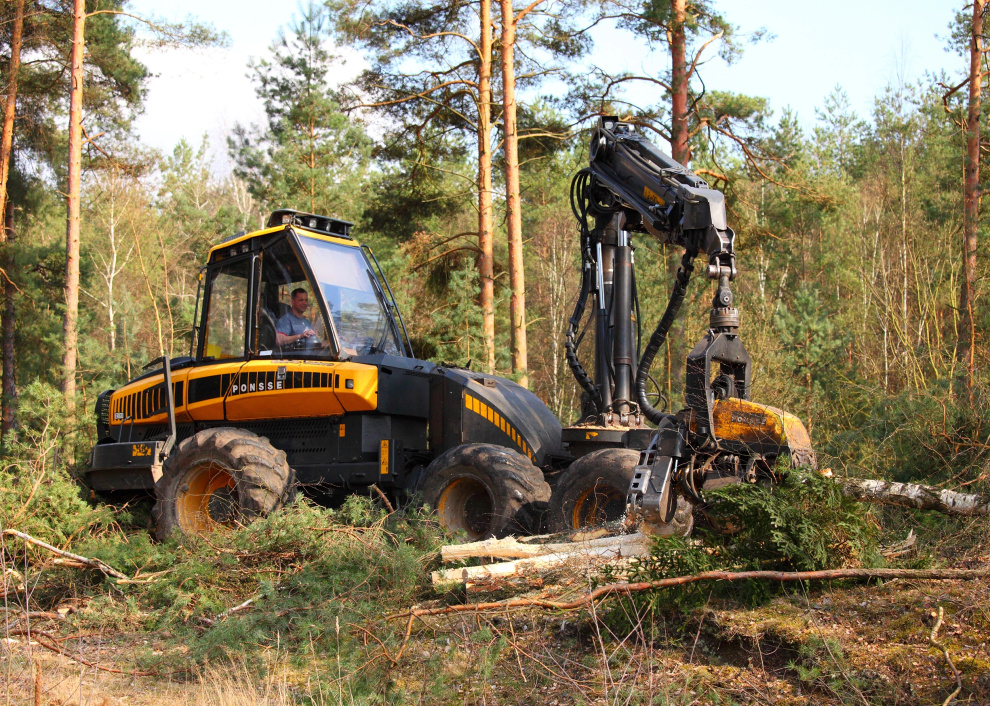
Cumulative harvest from January to October reaches 51.4 million m3, 2% higher than the previous year, according to Natural Resources Institute Finland.

All 20 major metros record monthly declines before adjustment, while Chicago posts highest annual gain at 5.5%.
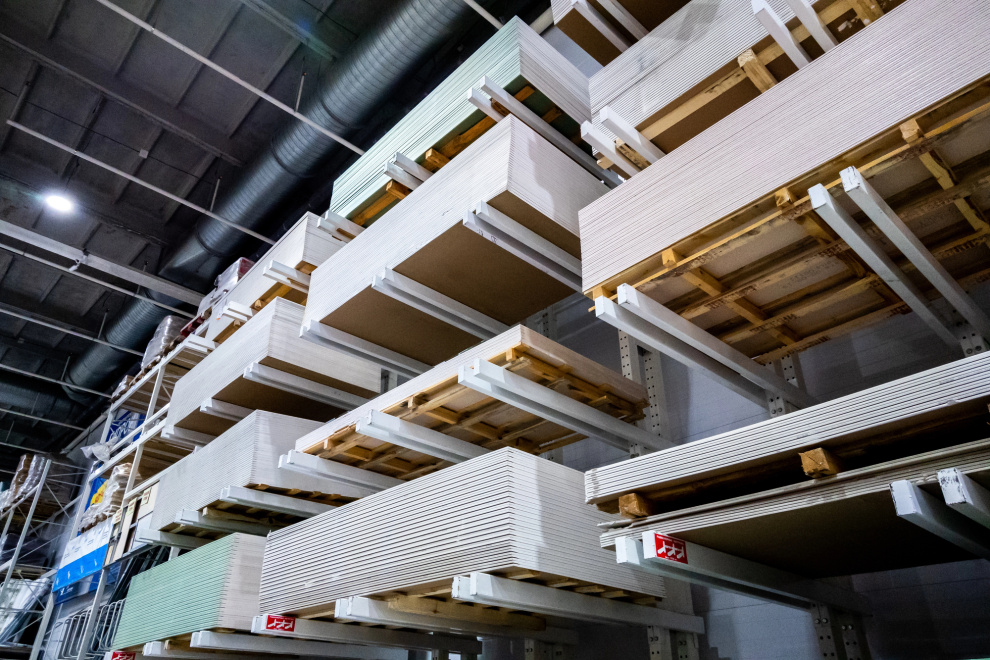
Ordinary plywood shipments rise 15%.
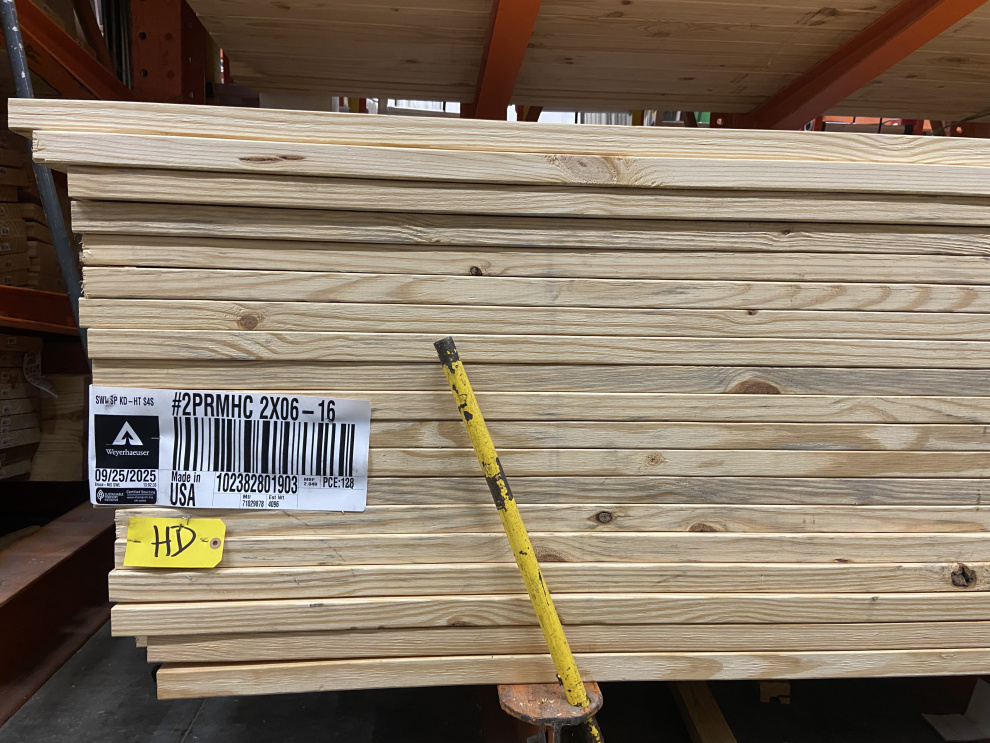
Hardwood lumber PPI drops 0.1% while millwork rises 0.2%.

Standing sale prices for pine, spruce, and birch logs decline by up to 3%, while total roundwood purchases remain 14% lower for January–October compared to last year.
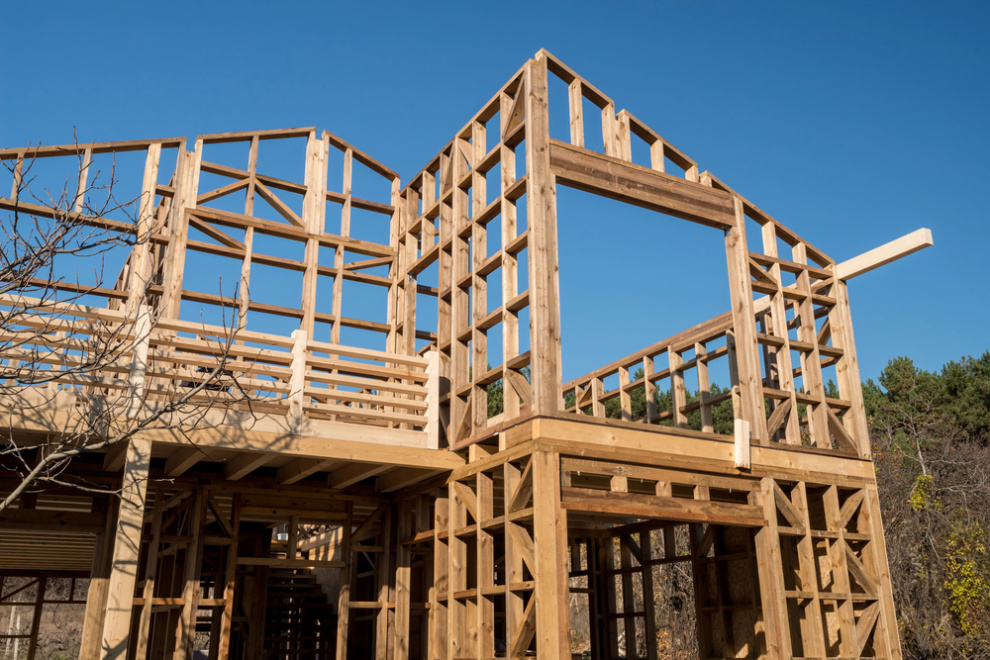
Delegates engage over 300 partners through 20 meetings, signing MOUs to expand wood construction and boost housing initiatives.

Holden Humphrey records $145 million in annual revenue from distribution operations across New England, New York, and New Jersey.

British Columbia targets one billion board feet for UK, EU, and Middle East.

Brazil becomes the largest supplier with 38% share as imports from China drop 15%.
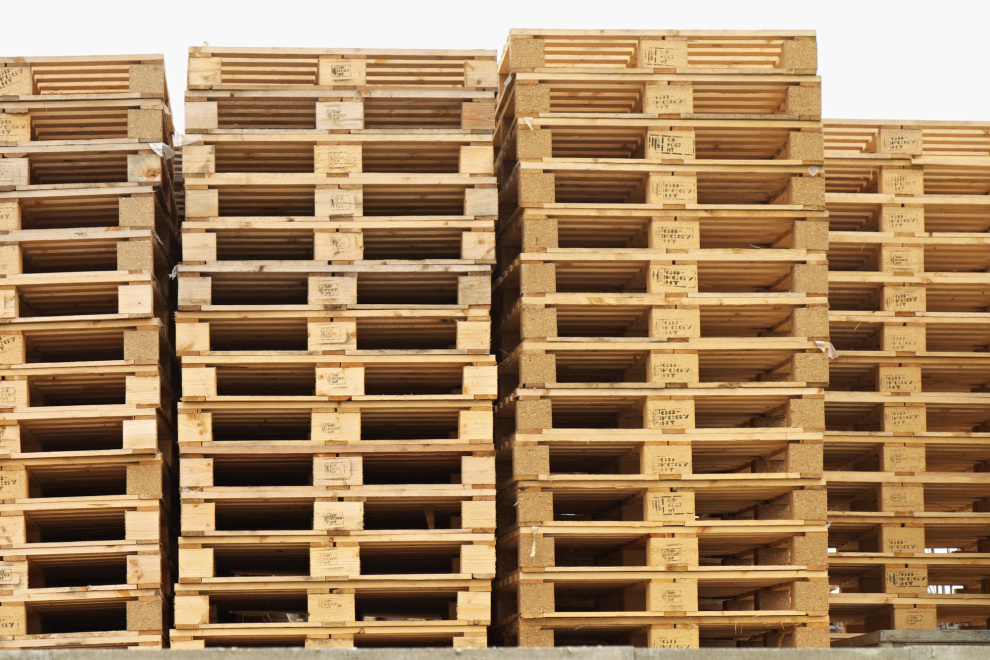
Czech Republic leads with 47% share, Spain’s imports grow over fourfold.
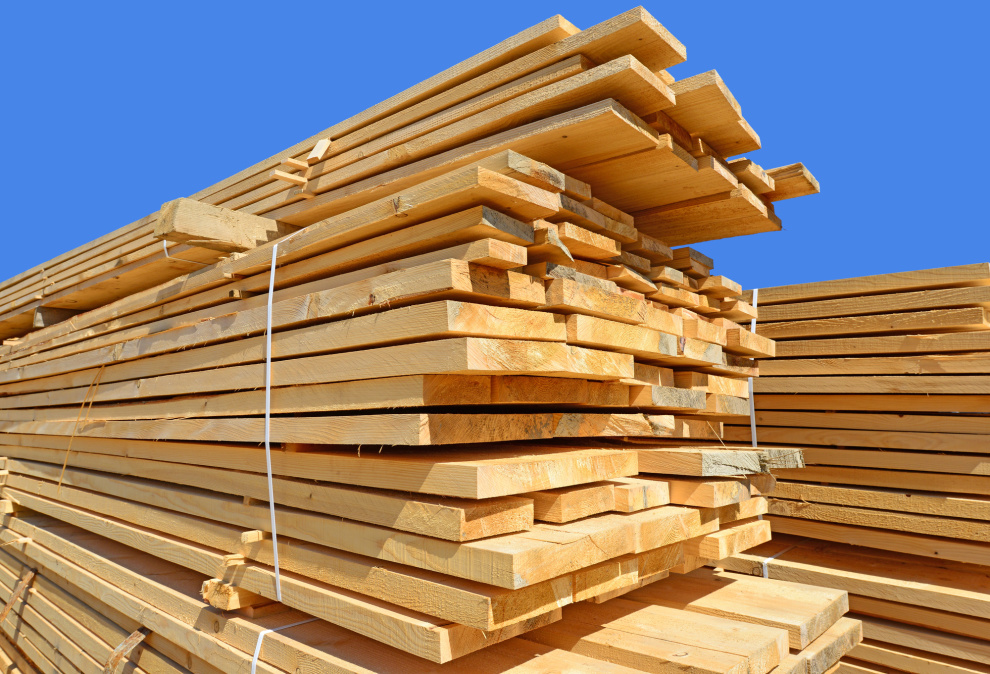
Russ Taylor projects sharp price increases driven by sustained US protectionism, reduced imports, and tariff-induced market distortions.

Net profit rises 75% to Euro 1.4 billion as investments reach Euro 4.3 billion in renewables and forestland.
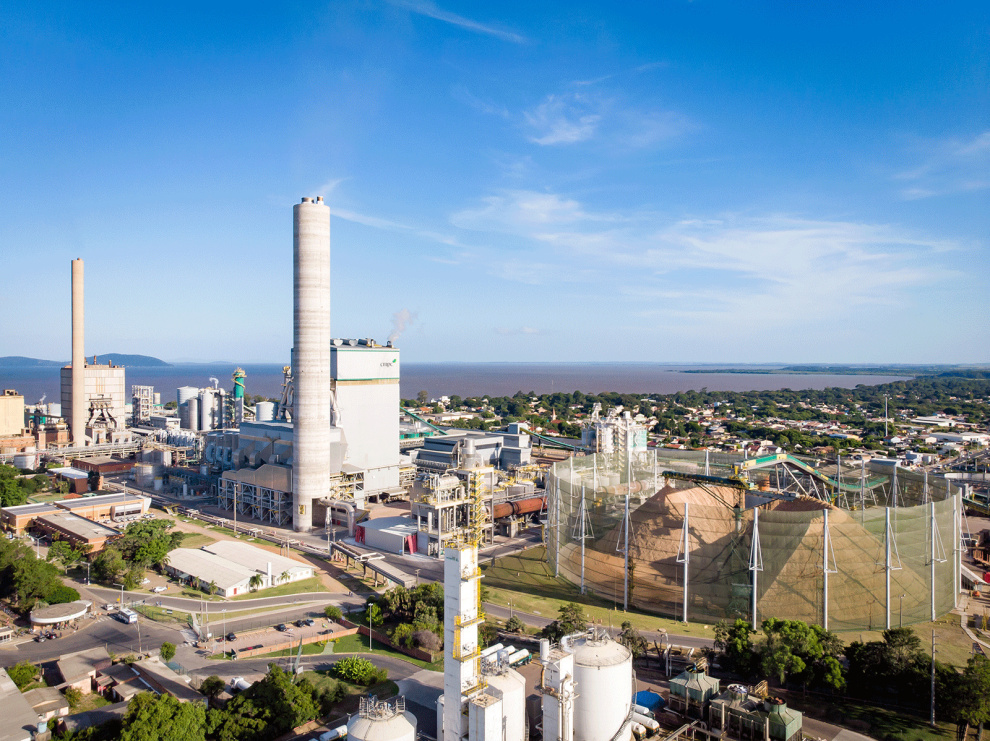
Lower pulp prices and exchange rate effects cut consolidated EBITDA margin to 14%, while early signs of recovery appear in short-fiber markets.