
Company expects Q3 earnings of $2.91 per share as price increases take effect.
Company expects Q3 earnings of $2.91 per share as price increases take effect.

Higher pulp prices, strong renewable fuel demand and growth in advanced materials supported results, while weak graphic paper demand, high wood costs and geopolitical uncertainty continued to weigh on parts of the business.
Homag Group's EBIT margin holds at 4.0% as order intake falls 7% on weak demand
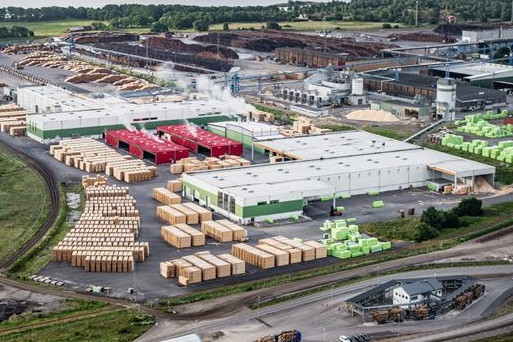
High raw-material costs and weak pulp, timber and construction markets continued to pressure prices and profitability.
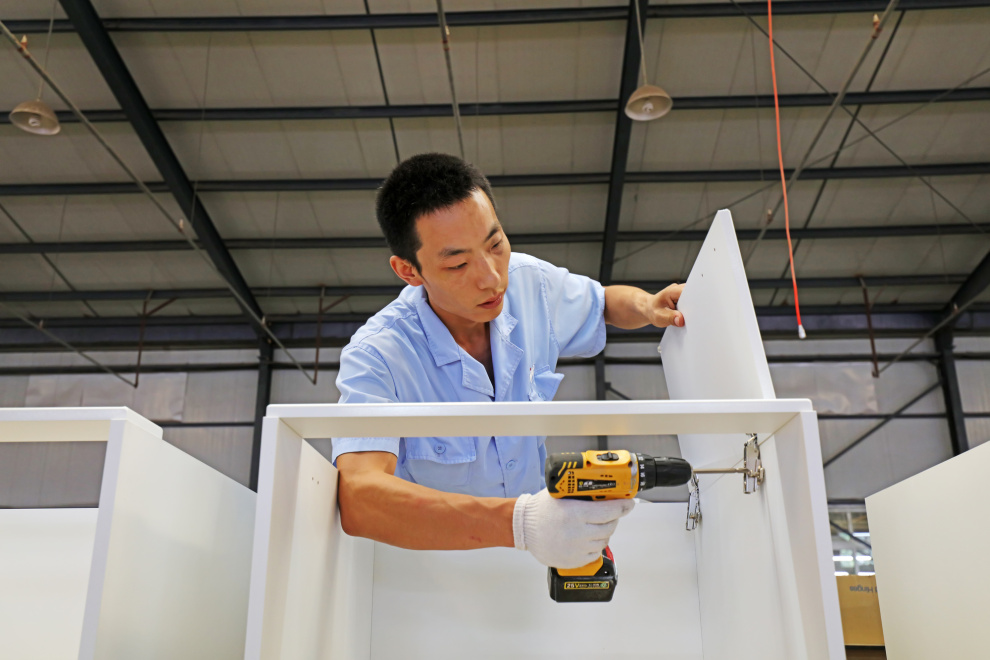
Furniture makers also recorded declines, even as overall industrial earnings grew and paper producers gained.

External logistics partner's performance at new Meppen facility causes delays, higher costs, and reduced delivery precision.

Raw material and logistics cost increases from prolonged conflict outweigh delayed price hike benefits amid demand weakness.
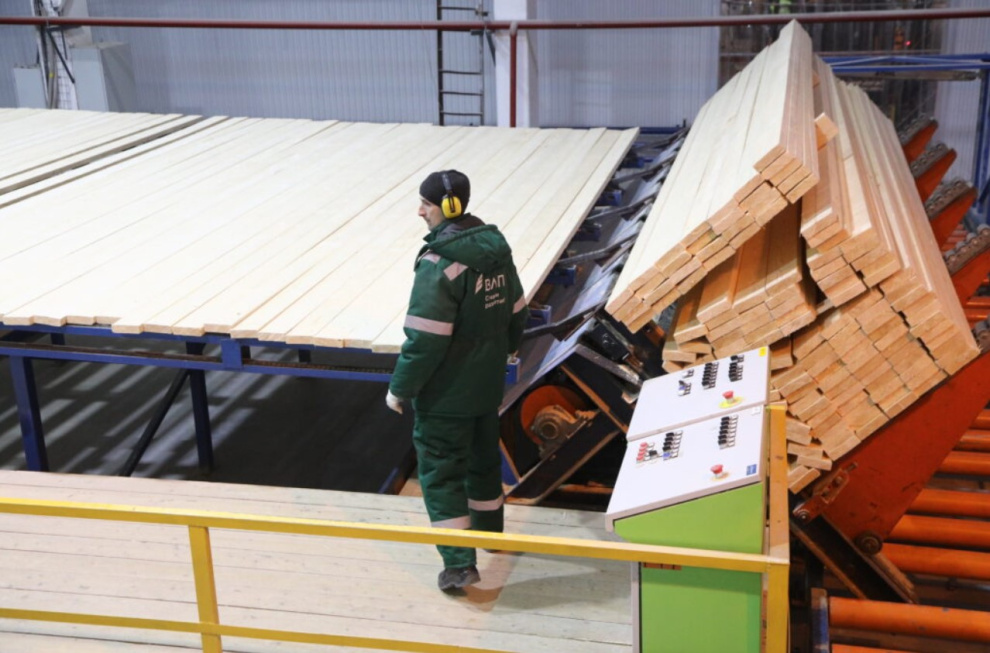
Government weighs rent freeze through 2028 and bankruptcy moratorium for forest-sector firms.
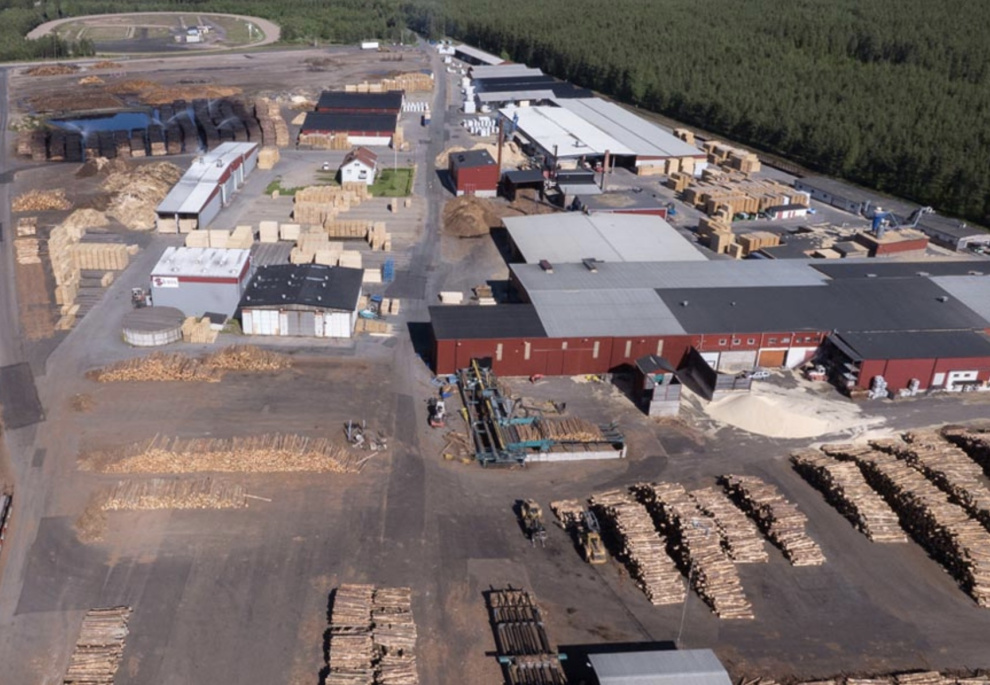
Timber price declines may ease costs only with a lag and further closures are likely if the market doesn't improve.
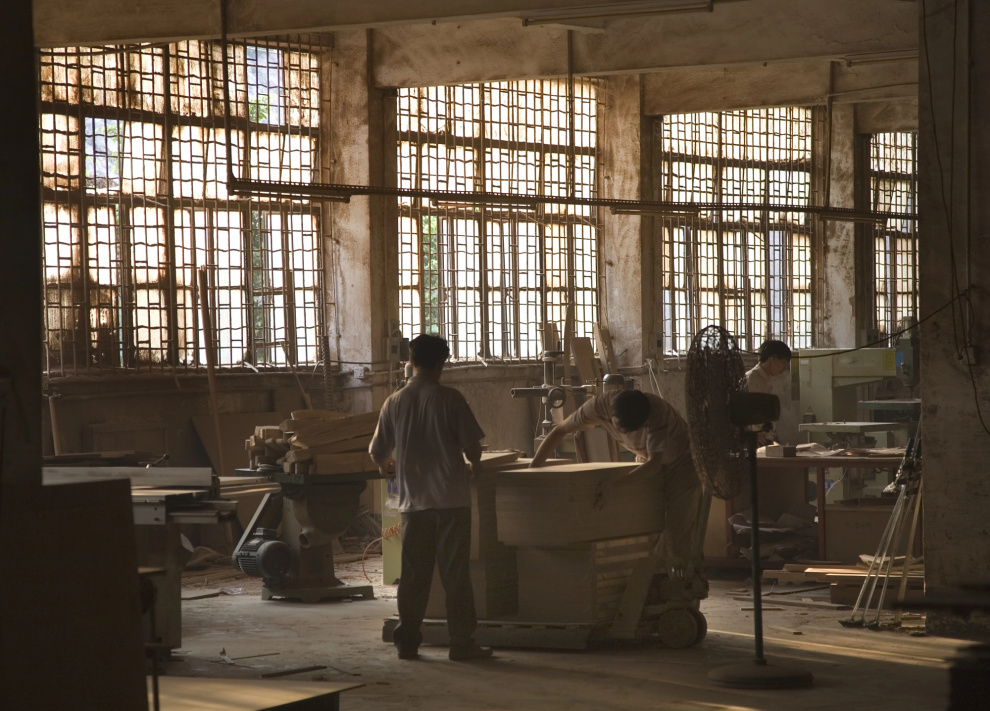
Wood processing, furniture manufacturing and construction-linked non-metal mineral products record profit declines even as industrial profits and margins increase.
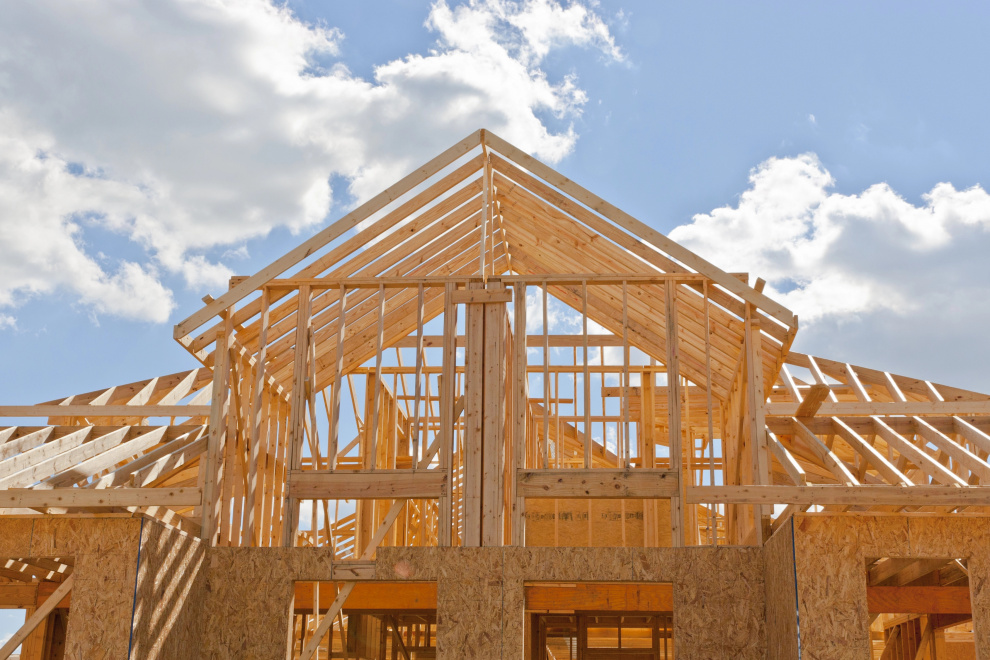
Weaker housing-related conditions in Ontario and British Columbia and more severe winter weather disrupted shipments and cut quarterly deliveries.

Official statistics show a small export gain but a sharper domestic decline, while higher energy and input costs add pressure alongside U.S. tariff policy, rising imports, weak consumer spending, and slow housing construction.
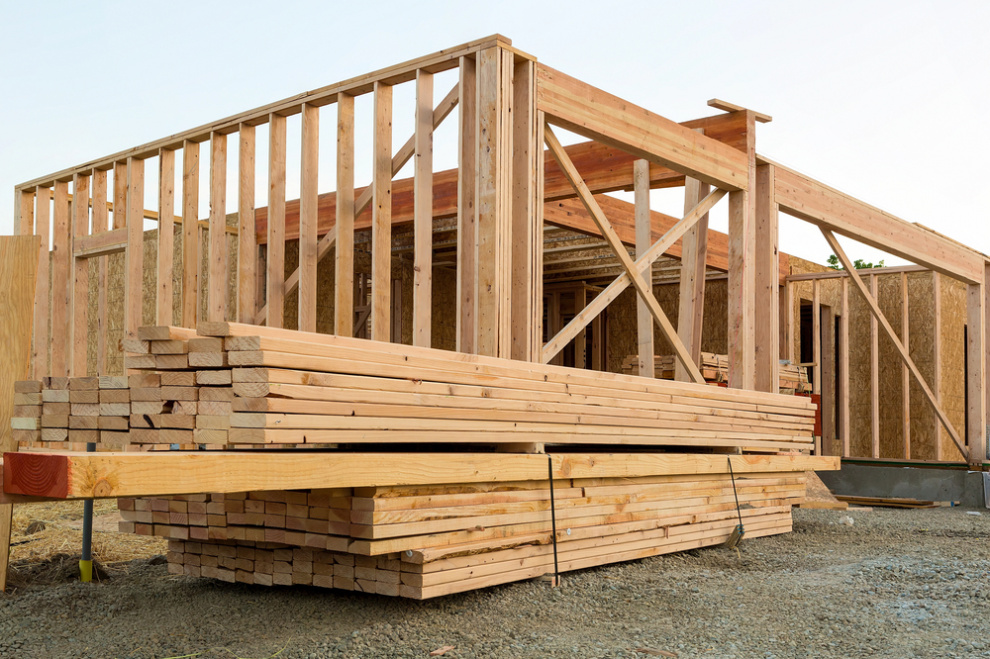
Lumber prices rose from late-2025 lows, but duty deposits and reduced operating days continued to pressure liquidity and volumes.
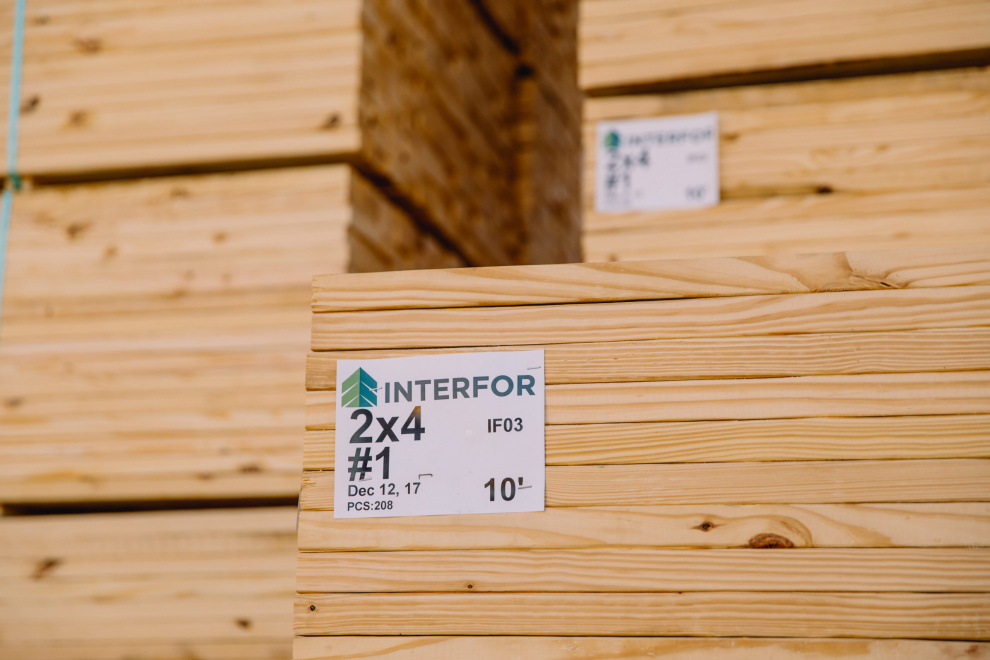
Higher lumber prices lifted results, but logistics constraints cut shipments and increased inventories.

Company prepares for separation of Swedish forest assets and expects geopolitical tensions to increase costs in Q2.
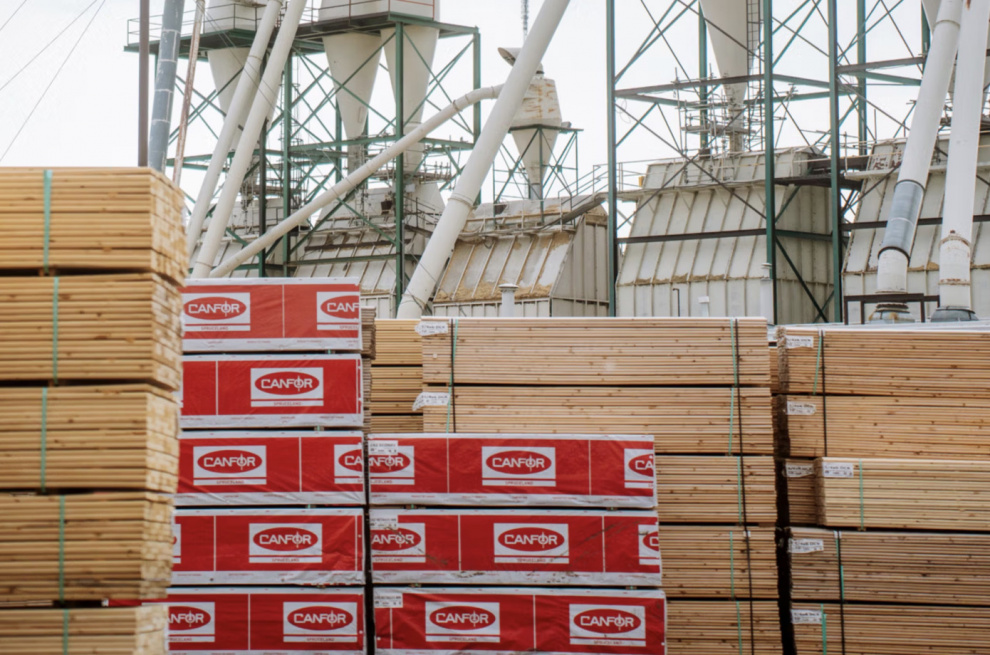
Lumber pricing rises on tighter supply, but weak demand, duties, and disruptions cut shipments and keep both lumber and pulp operations under pressure.
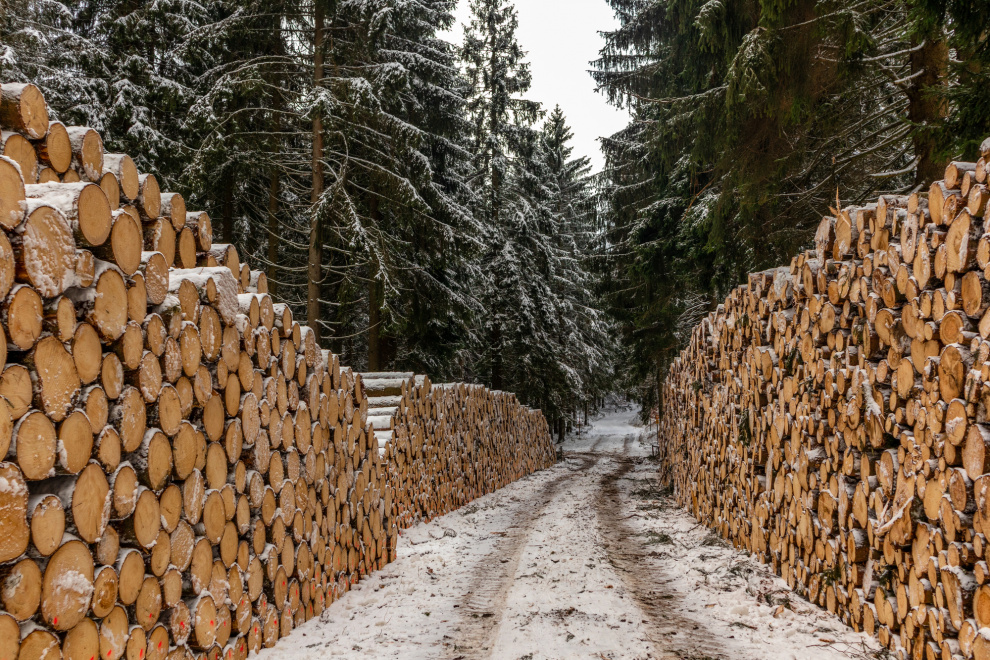
High roundwood prices and slightly higher felling volumes lift income, even as trade and prices ease late in the year.
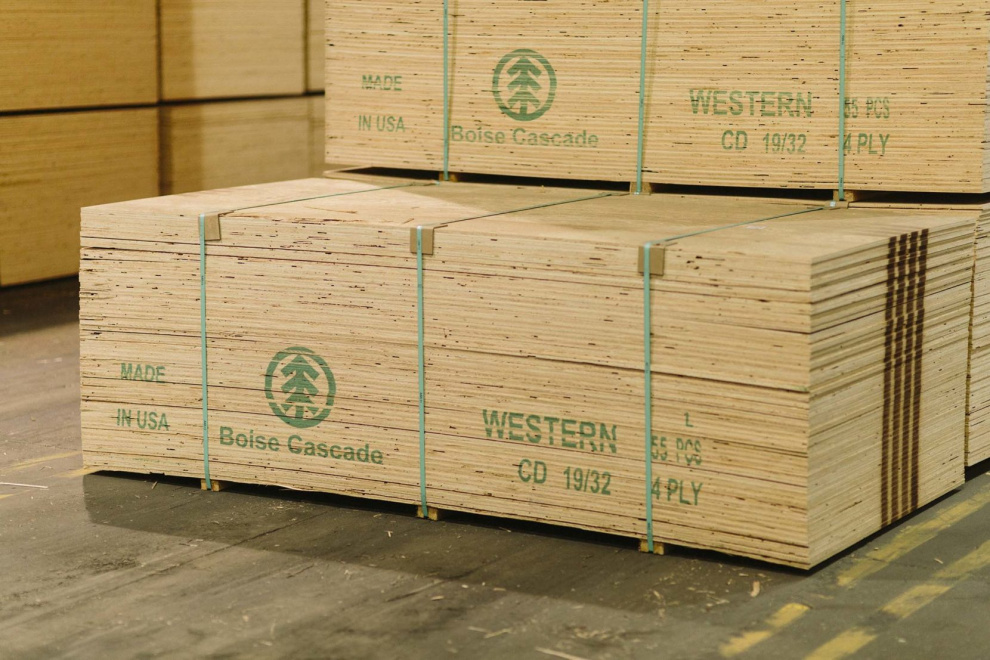
Volatile mortgage rates, weather disruptions, and cautious housing demand weigh on results and margins, with the largest pricing and gross-margin pressure in engineered wood products.
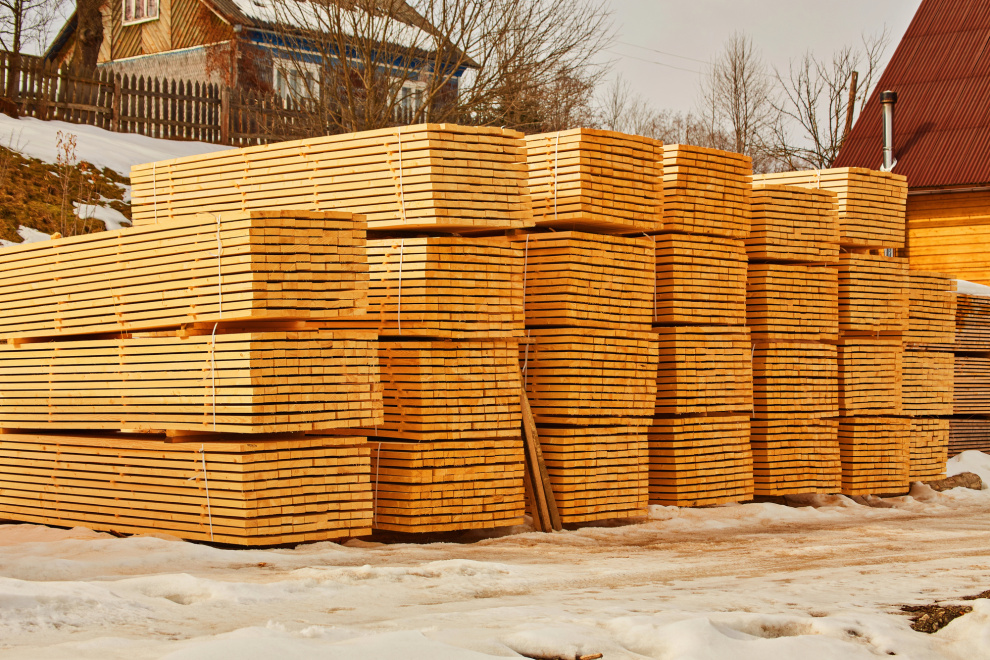
Lumber sales realizations rise 13% from fourth-quarter averages and oriented strand board realizations rise 8%.
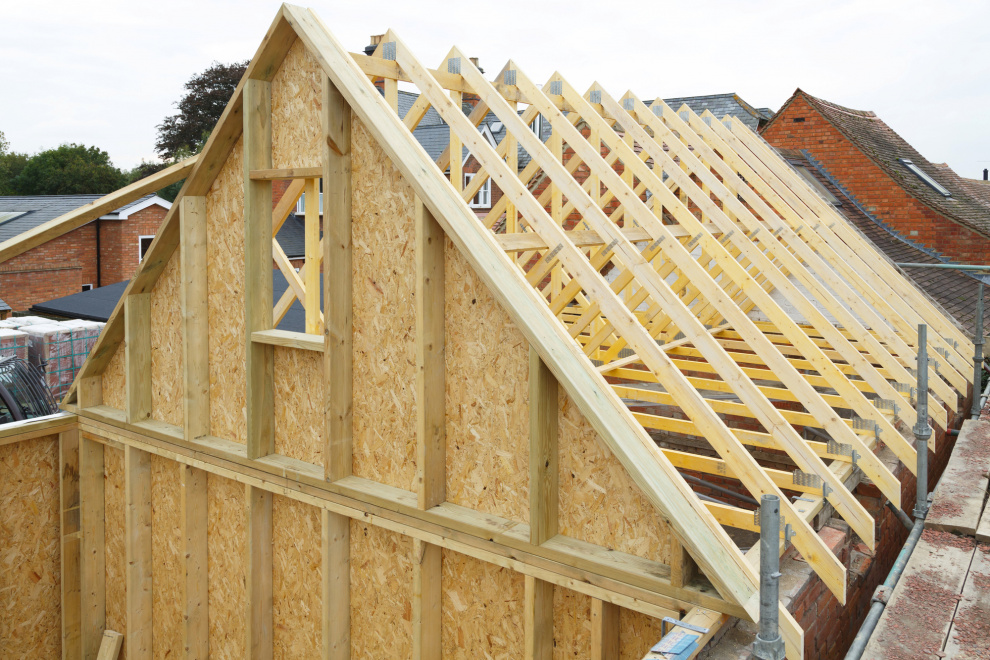
The company points to weaker housing affordability in Ontario and British Columbia and expects its Clinton, Ontario automation site to start operating in July 2026.