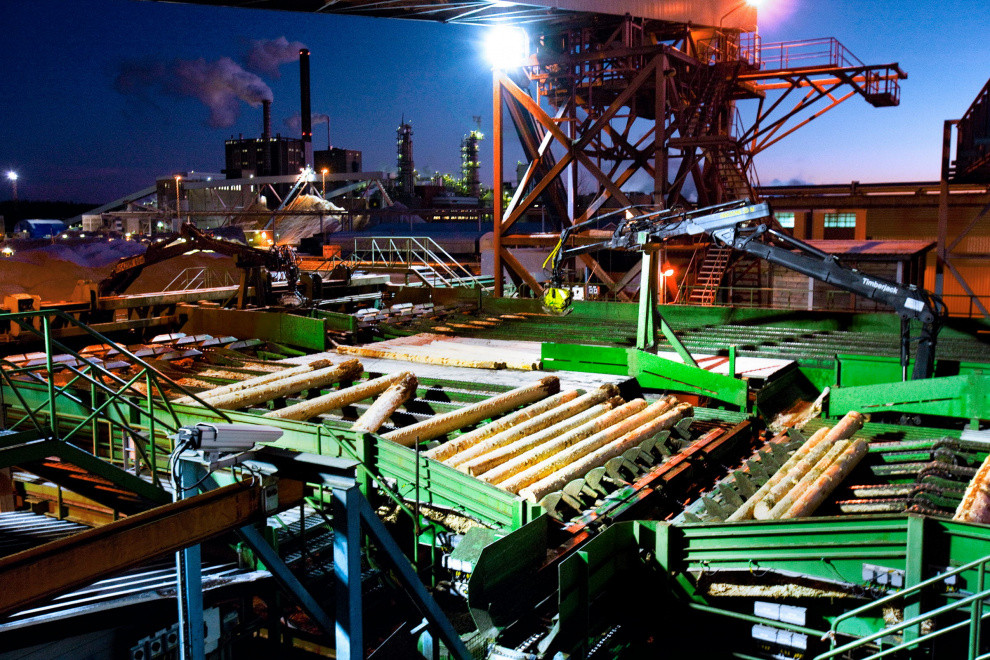
Lower electricity prices, weaker wood-product earnings and cautious construction demand affect operations, while board and paper deliveries improve.
Lower electricity prices, weaker wood-product earnings and cautious construction demand affect operations, while board and paper deliveries improve.
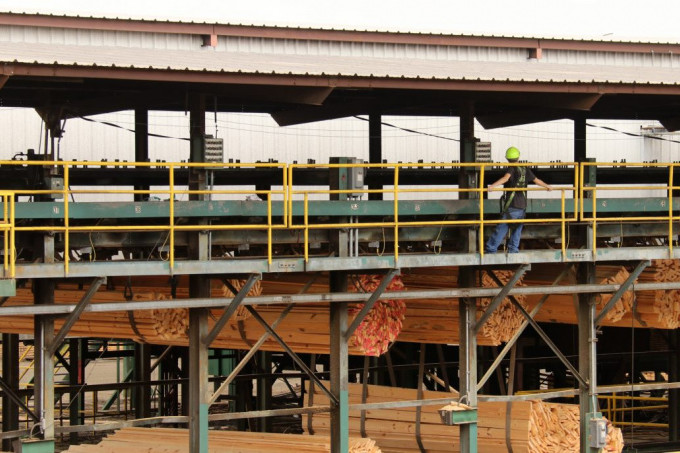
Canadian softwood lumber producers expect difficult conditions through 2026 as weaker demand, production curtailments and U.S. trade costs pressure operations.

Solid Bleached Boxboard leads with 4% gain; operating rates show mixed results.

Higher lumber volumes and western log realizations helped counter transportation, fuel, freight and resin cost pressures.

Canadian fibre constraints reduced margins, while lower U.S. costs cut internal pellet sales revenue.
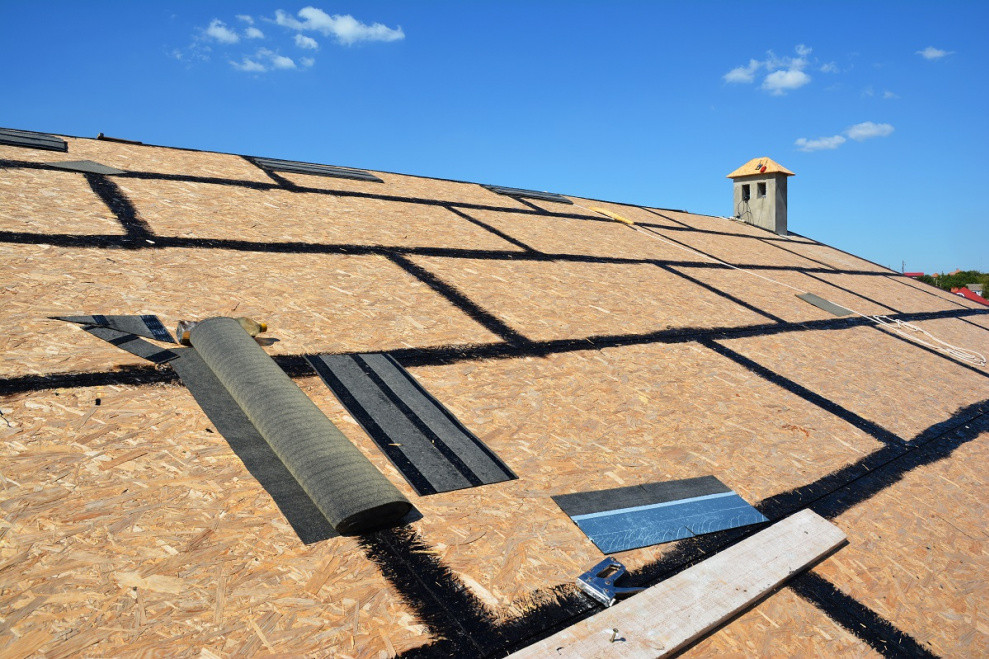
The company maintains lumber and panel shipment targets while continuing sawmill optimization, production improvements and capacity consolidation.

Higher pulp prices, strong renewable fuel demand and growth in advanced materials supported results, while weak graphic paper demand, high wood costs and geopolitical uncertainty continued to weigh on parts of the business.
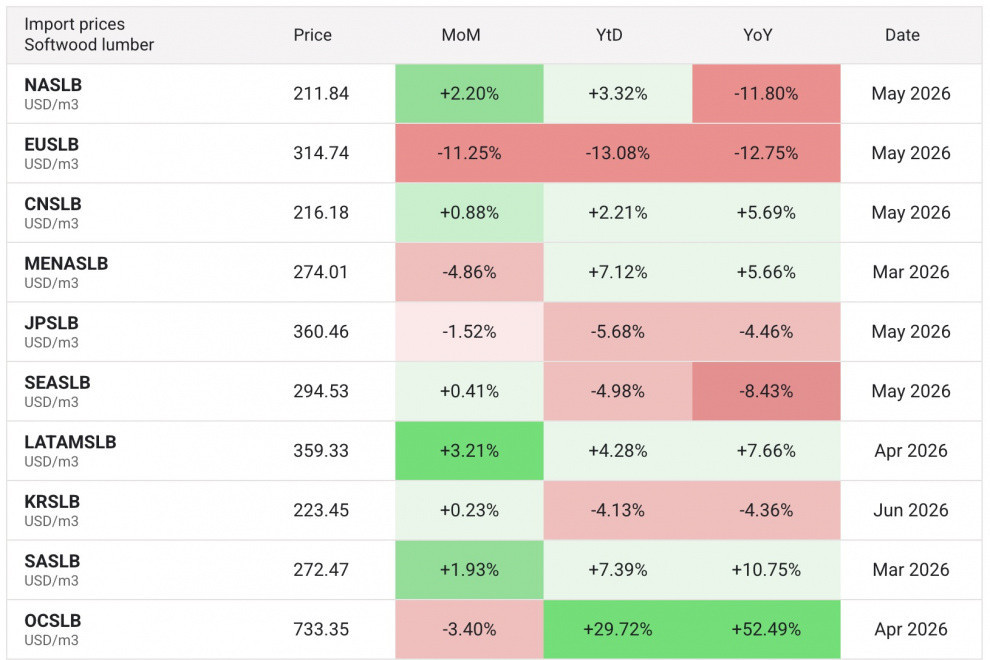
Update introduces regional import-price benchmarks, producer prices and PPI, a multi-series chart builder and an Analytics Data API subscription.

Furniture makers also recorded declines, even as overall industrial earnings grew and paper producers gained.

Lower production and declining capacity pushed utilization rates higher, while lumber prices increased during the quarter.
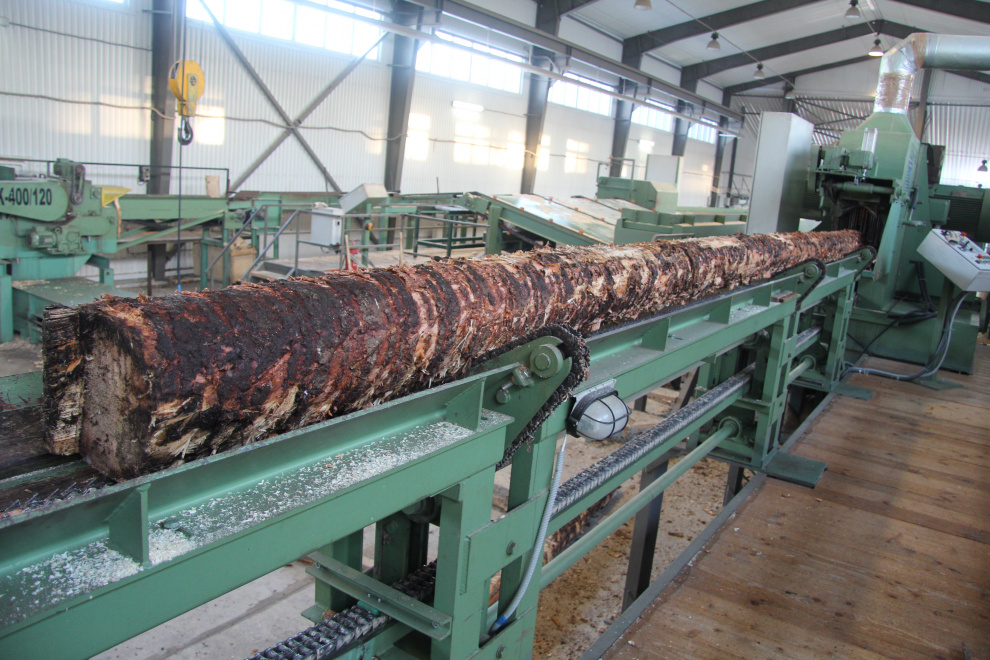
A strong ruble, weaker demand in China and rail-logistics bottlenecks are the main factors behind the projected decline.
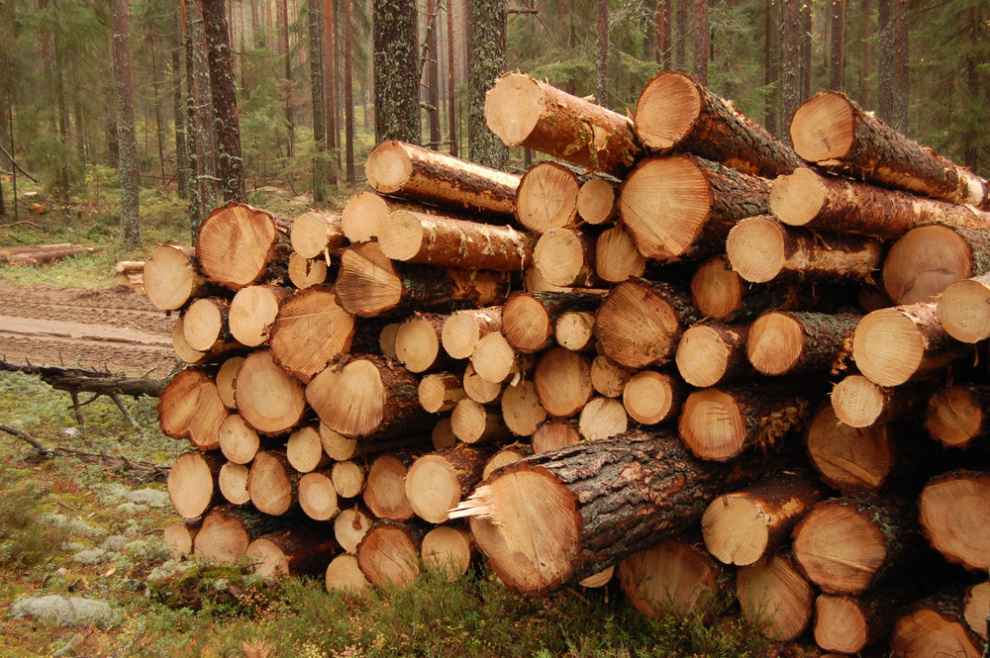
Net felling was 70.5 million m3 with softwood sawlogs just under half; exports rose to 1.0 million m3 while imports fell to 8.4 million m3.
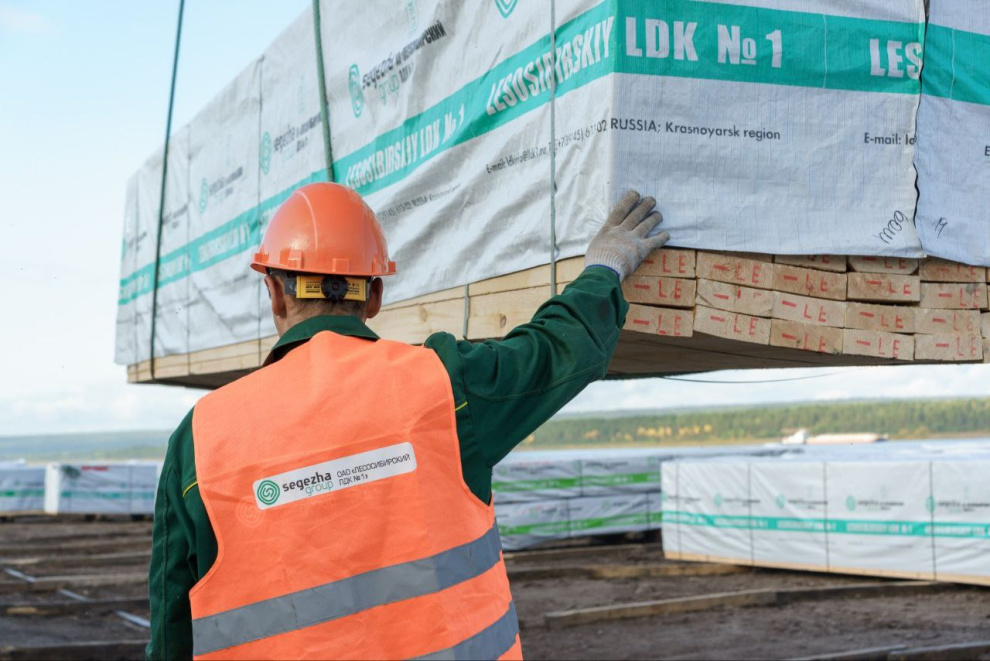
China's construction crisis and higher logistics costs have cut shipments, while Russia's downgraded economic outlook limits domestic absorption of growing supply.

Industrial roundwood totals 21.656 million m3 in January to April, 6% below the five-year average, while energywood totals 2.230 million m3, 13% above the five-year average.
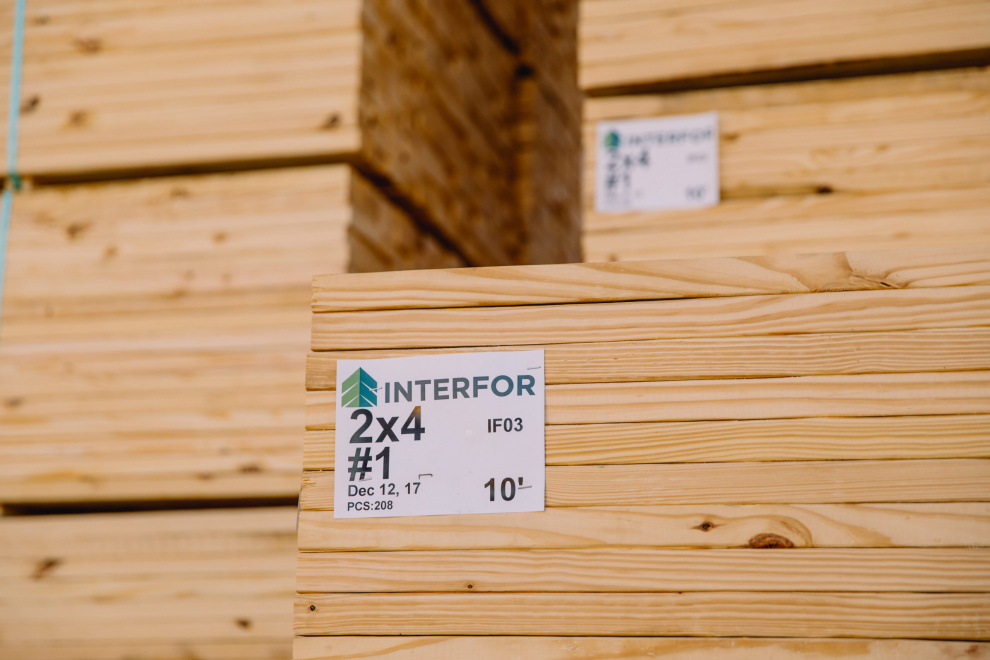
Higher lumber prices lifted results, but logistics constraints cut shipments and increased inventories.

New York mill brings specialized latex saturation and coating capabilities to expand specialty paper portfolio.
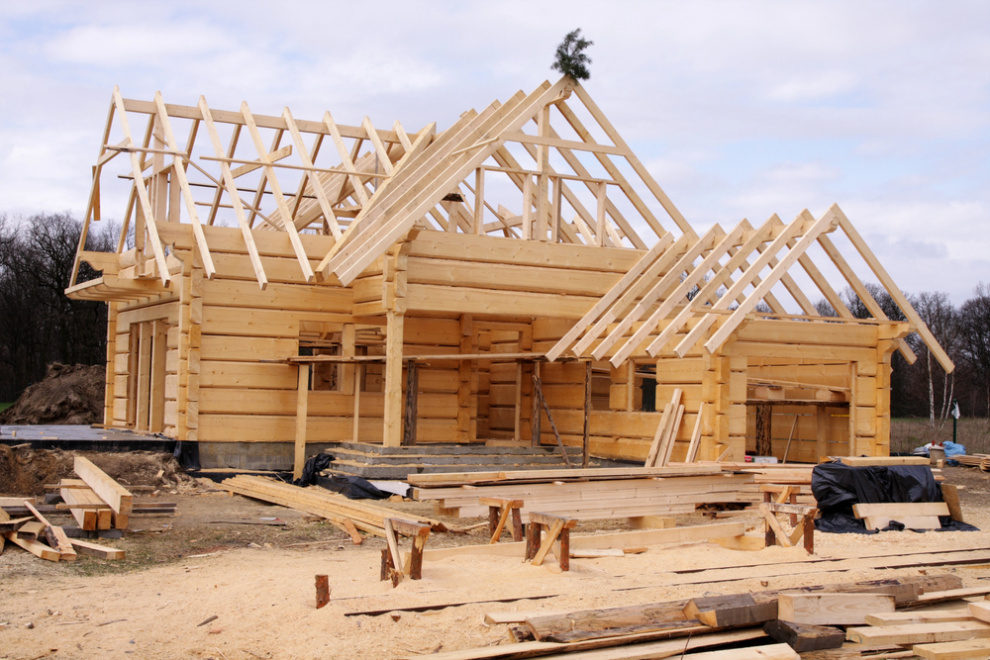
Wooden housing starts decrease 26.9% while monthly figures rise from February levels.

Sawlogs fall 5% in March, while pulpwood down 1%.

New Pennsylvania facility targets eCommerce sector and consolidates two prior sites with automated production.

Model results show higher EU and UK production, lower U.S. Southeast prices, and larger trade changes than production changes after the rules take effect.