Lower electricity prices, weaker wood-product earnings and cautious construction demand affect operations, while board and paper deliveries improve.
Lower electricity prices, weaker wood-product earnings and cautious construction demand affect operations, while board and paper deliveries improve.
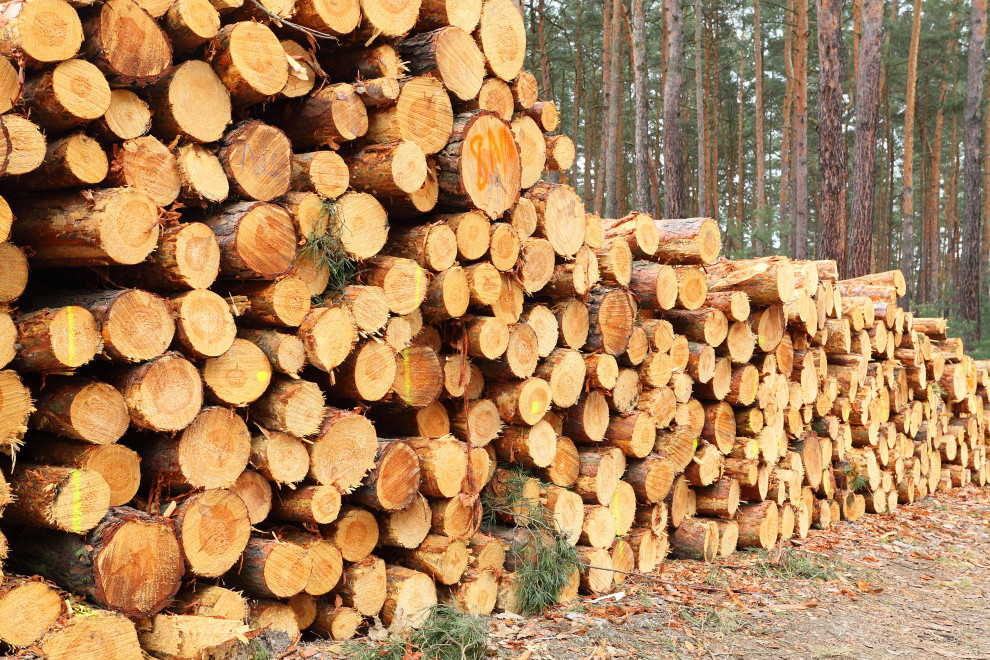
Sawlog and pulpwood stocks rose in timber balance region 2, while pulp chip stocks increased in all regions.
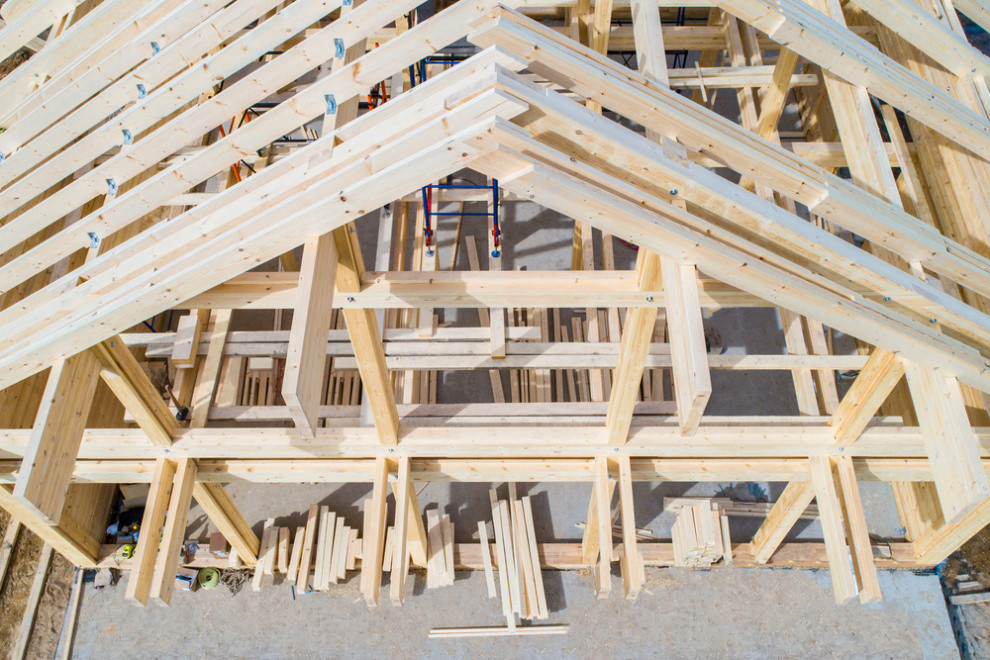
Single-family starts fell 6.9% year to date, while starts in buildings with five or more units rose 11.9%. The July rate was the second-lowest monthly level of 2026.
The industry calls for simpler environmental reviews, digital permit processes and tighter appeal procedures.
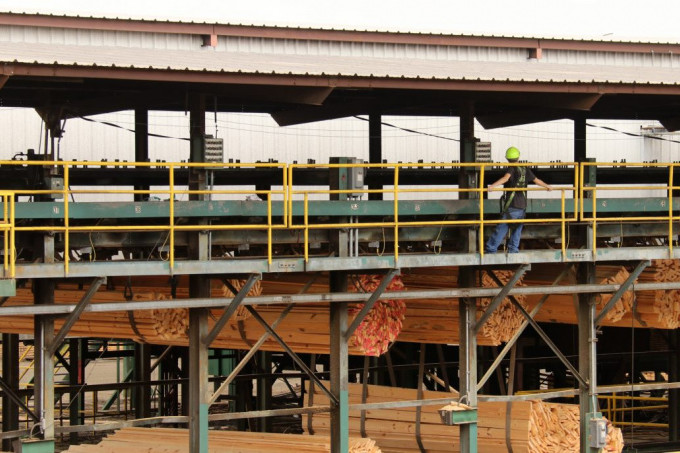
Canadian softwood lumber producers expect difficult conditions through 2026 as weaker demand, production curtailments and U.S. trade costs pressure operations.
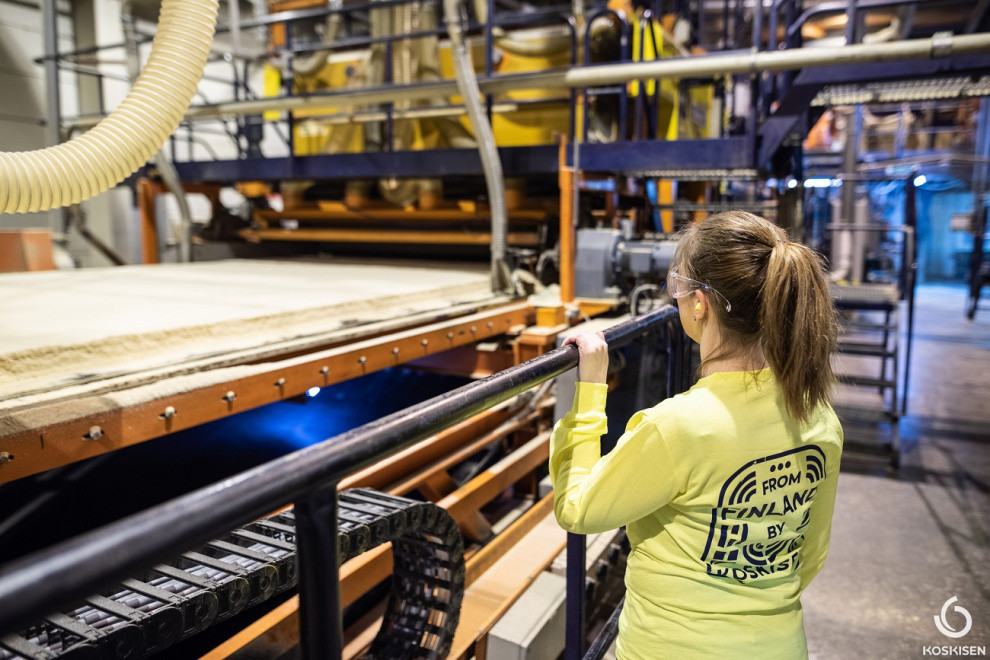
Higher lumber deliveries lifted sales, while high wood and logistics costs and weak chipboard demand reduced earnings.

Economic uncertainty is delaying equipment orders, while cost savings are reducing customer maintenance activity and Services demand.

Sales declined to a seasonally adjusted annual rate of 4.06 million, while housing inventory fell 1.9% from June.
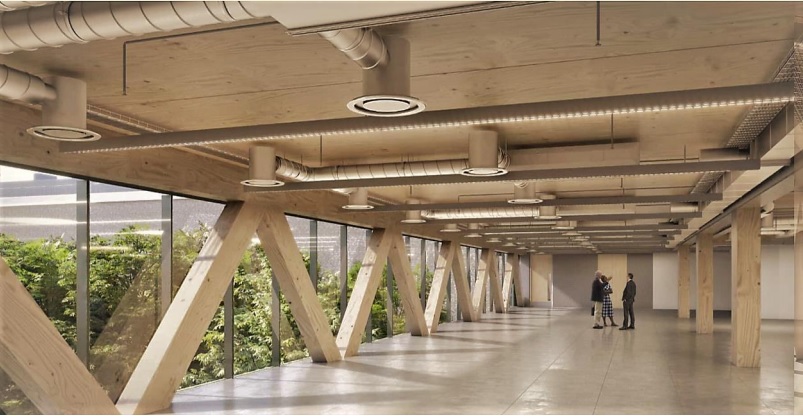
Existing U.S. builders posted lower deliveries and prices, while timber manufacturing turned loss-making even as housing volumes rose in Australia and Japan.
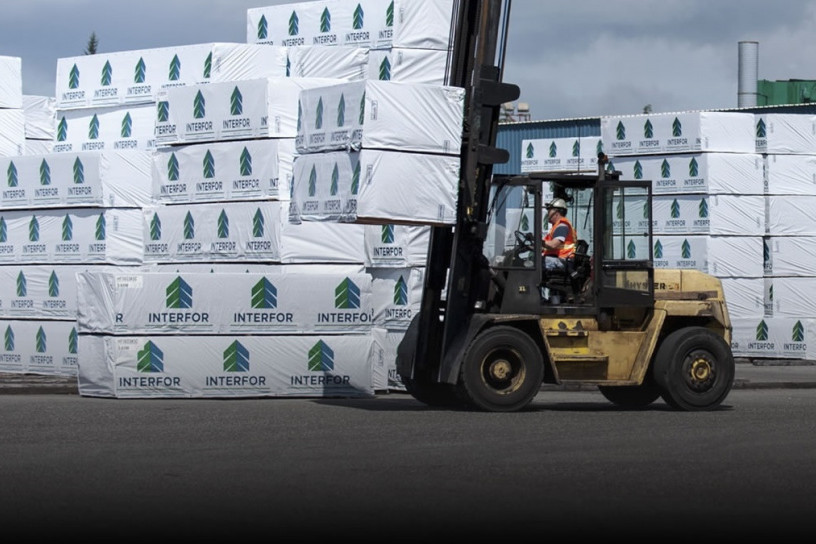
Industry curtailments and seasonal demand lift lumber prices, while higher output and lower unit costs improve operations; duty rates remain a risk for the second half.
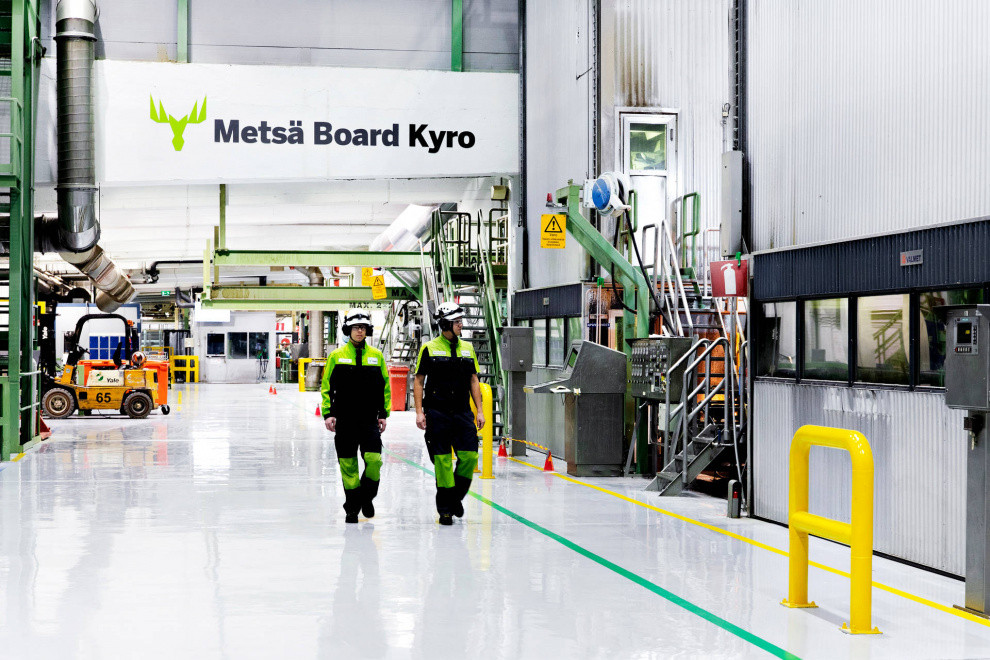
Lower wood and fixed costs partly offset weaker pulp and paperboard prices, while maintenance shutdowns will reduce third-quarter earnings.
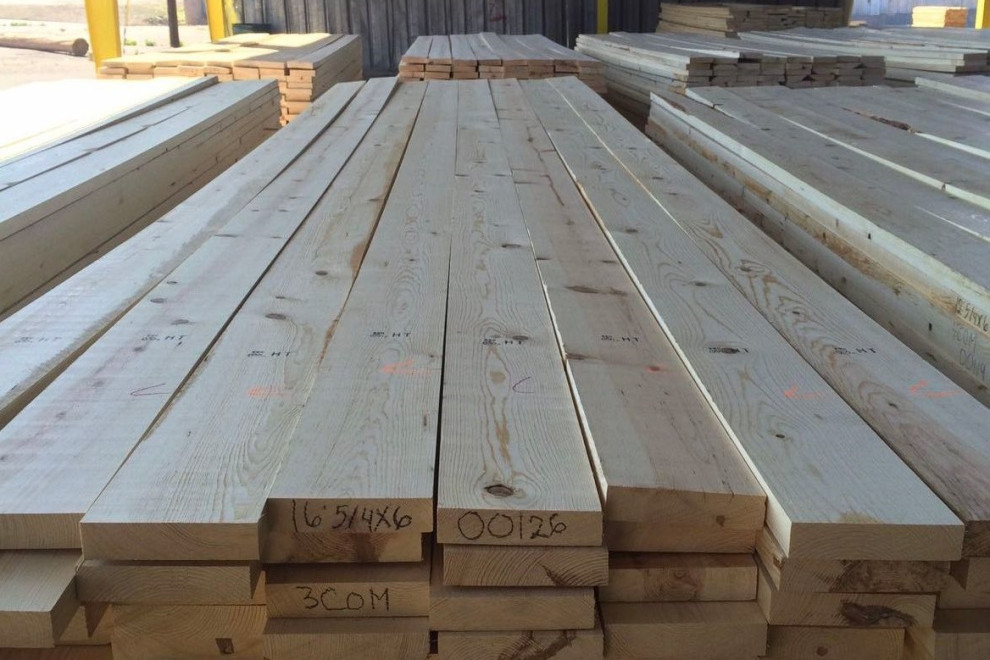
Second-quarter sales rose despite weaker housing starts, while the company expects affordability pressures, volatile pricing and subdued residential construction to continue influencing operations.
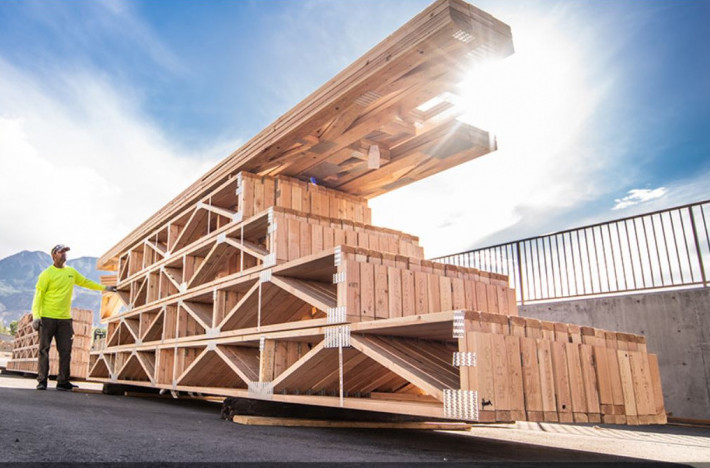
Lower housing starts, affordability constraints and commodity deflation reduced second-quarter sales, margins and operating leverage.
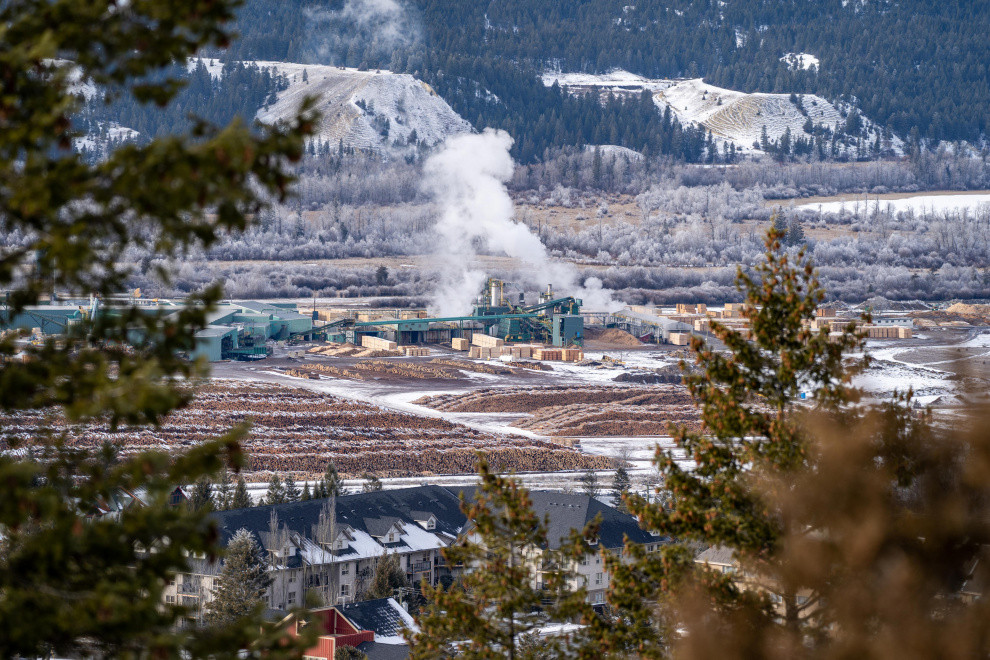
Higher lumber prices improved second-quarter operations, while weak pulp demand, elevated inventories and lower pricing increased losses and contributed to mill closures.
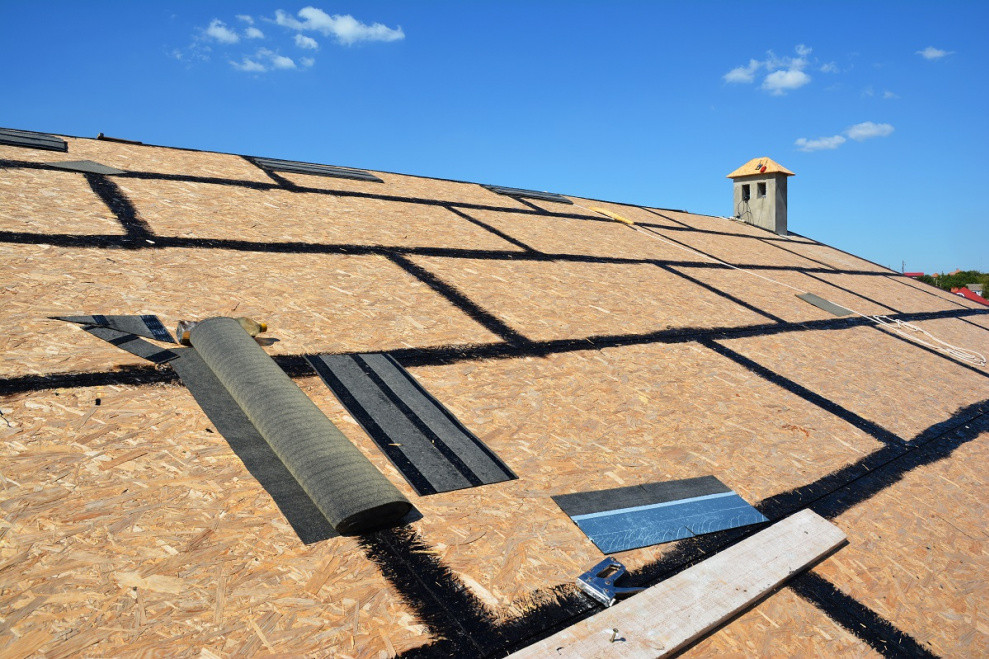
The company maintains lumber and panel shipment targets while continuing sawmill optimization, production improvements and capacity consolidation.
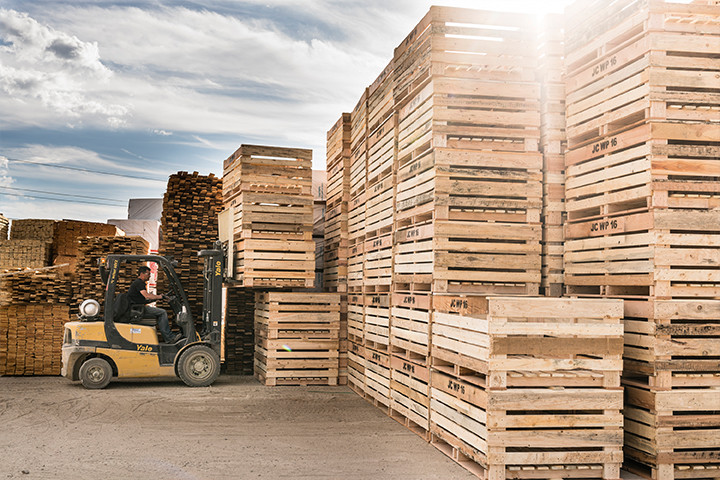
Growth in acquisitions and organic volume lifted revenue, while higher transportation costs reduced profitability and the company maintained its 2026 investment plans.
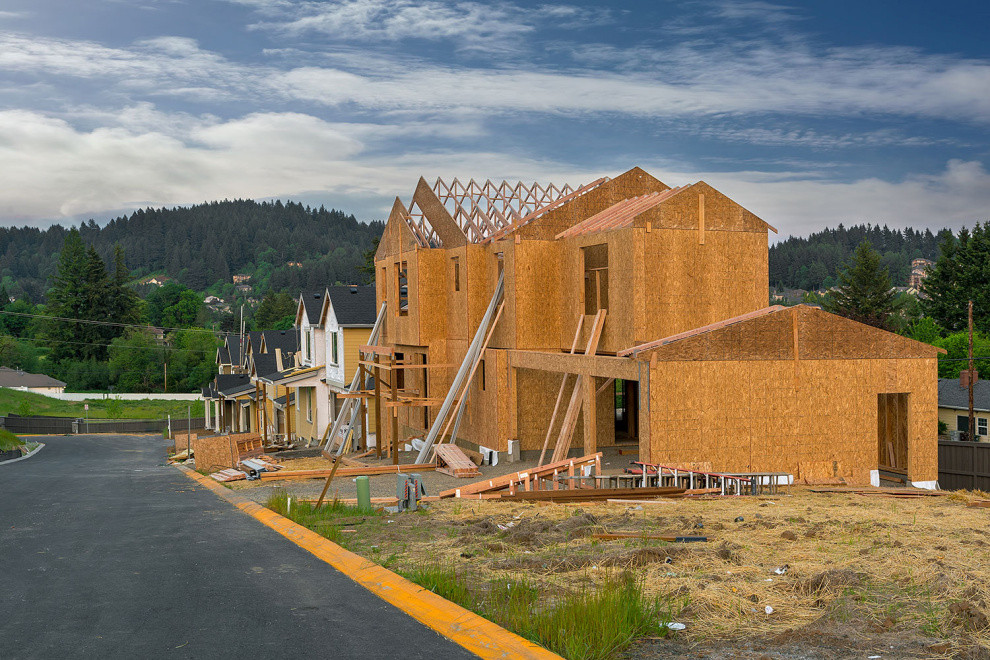
Chicago posts the strongest annual gain among major metropolitan areas, while Las Vegas records the largest decline and home values continue to fall in real terms.
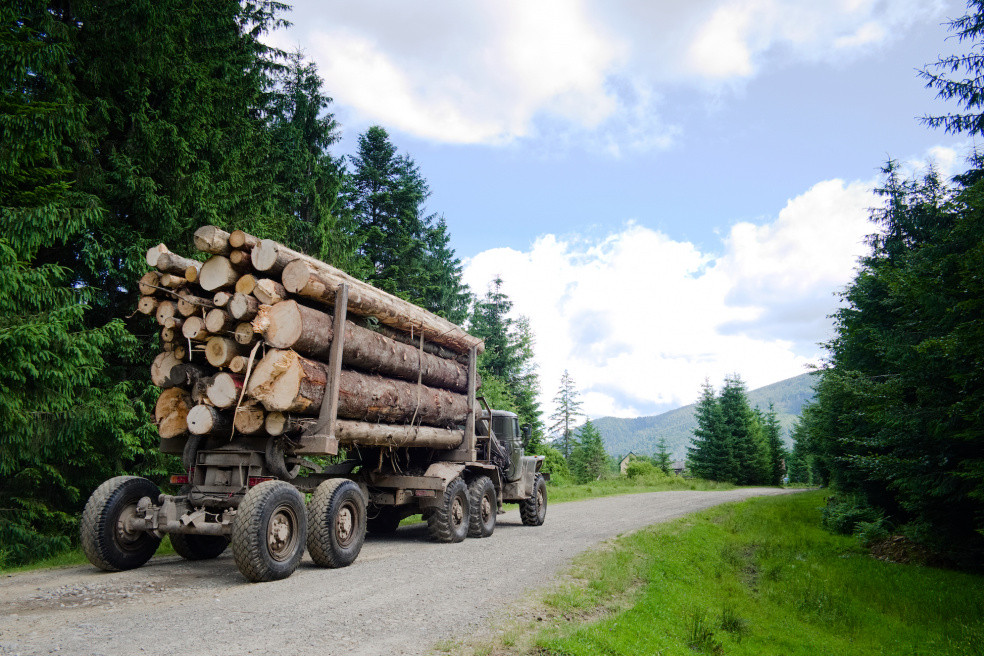
Standing-sale pulpwood prices increased by at least Euro 1 per m3 from May, while June purchase volumes rose from both May and a year earlier.

Higher pulp prices, strong renewable fuel demand and growth in advanced materials supported results, while weak graphic paper demand, high wood costs and geopolitical uncertainty continued to weigh on parts of the business.

The company reviews supplier sourcing plans each year, requires FSC certification and blocks deliveries when suppliers cannot prove compliance with its minimum sourcing standard.