
Single-family permits, a guide to future construction, fell 4% to 845,000.
Single-family permits, a guide to future construction, fell 4% to 845,000.

Götaland records the largest monthly decline, while applications for montane forest felling increase.

September brought a 4.8-month supply of homes, while prices recorded their 39th consecutive month of year-over-year gains.

The acquisition aims to improve local availability of edging products from plants in Turkey and Germany.

The platform combines standardized forest and harvested wood product carbon data and is planned for a full release in summer 2027.
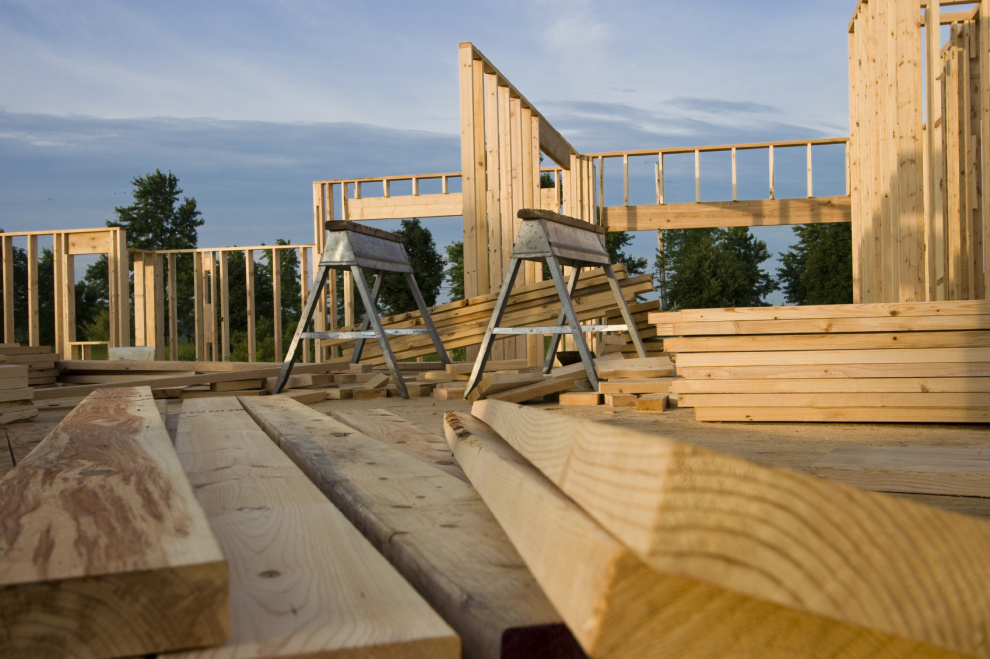
Private residential construction spending was at an $882.3 billion seasonally adjusted annual rate in August, up from $872.7 billion in July.
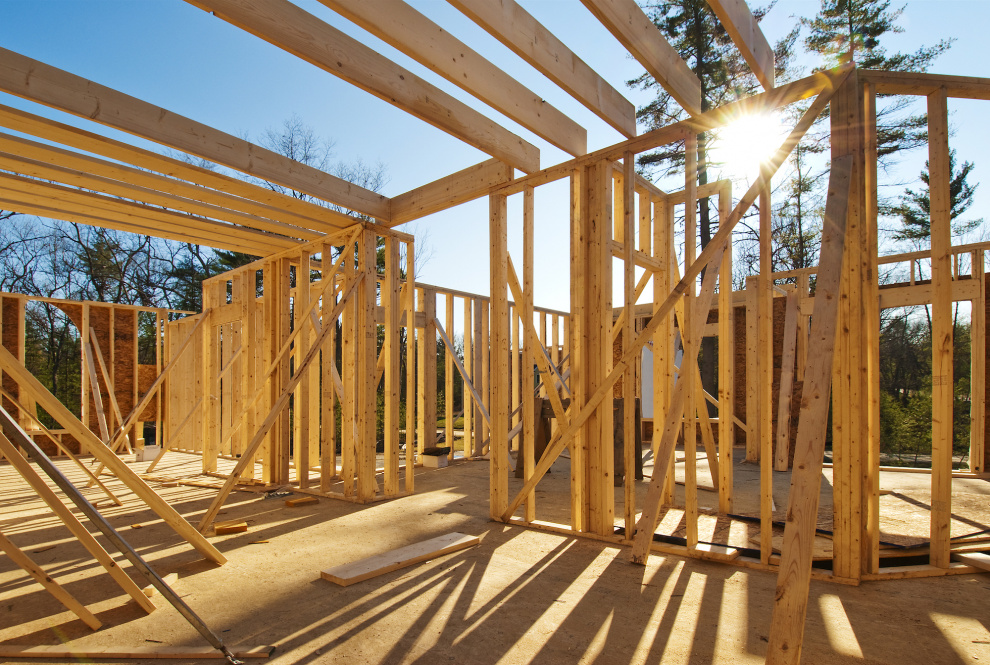
Wooden starts rose 6.3% to 39,392 units; January–August starts were up 2.2% from a year earlier.

The annual gain followed a 1.6% increase in June, while inflation outpaced nominal home price growth.

The Chinese list covers hardwood and softwood lumber, logs, OSB, fiberboard, plywood and flooring, while tariff reductions still require domestic procedures.

U.S. hardwood log exports to China reached 380.6 thousand m3 worth $285 million in January-August 2026, exceeding full-year 2025 shipments.

Mill closures have reduced pulpwood outlets, while weak housing and construction activity has reduced demand for hardwood products.
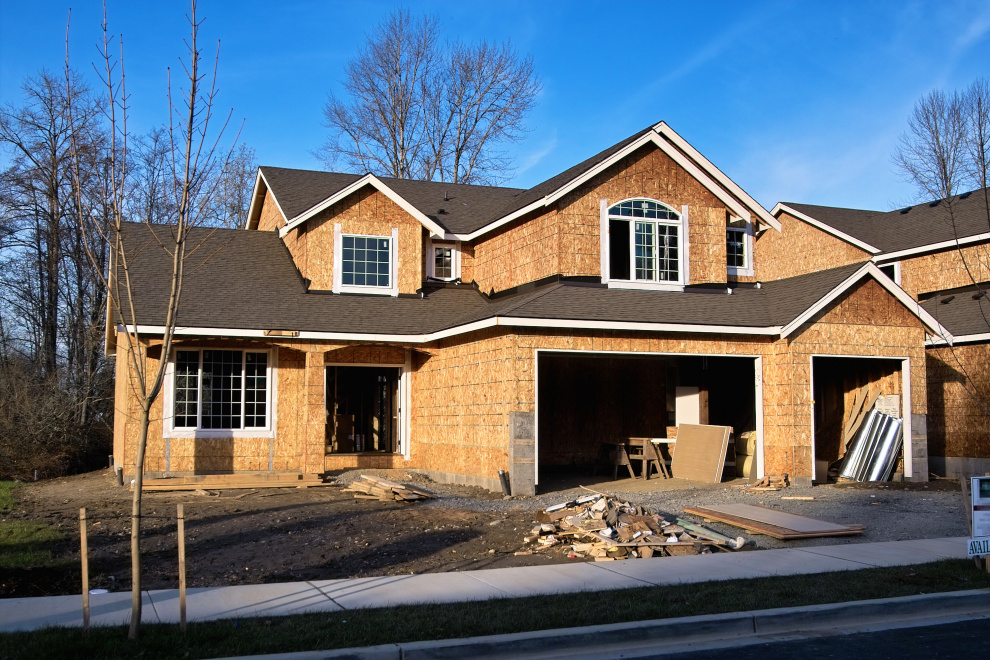
Sales of new single-family homes rose to 684,000 in August from 643,000 in July but were 2% below a year earlier.

U.S. exports fall 37.5% while South Korea shipments rise 20.8%; industry expects low-single-digit sales growth in 2026.
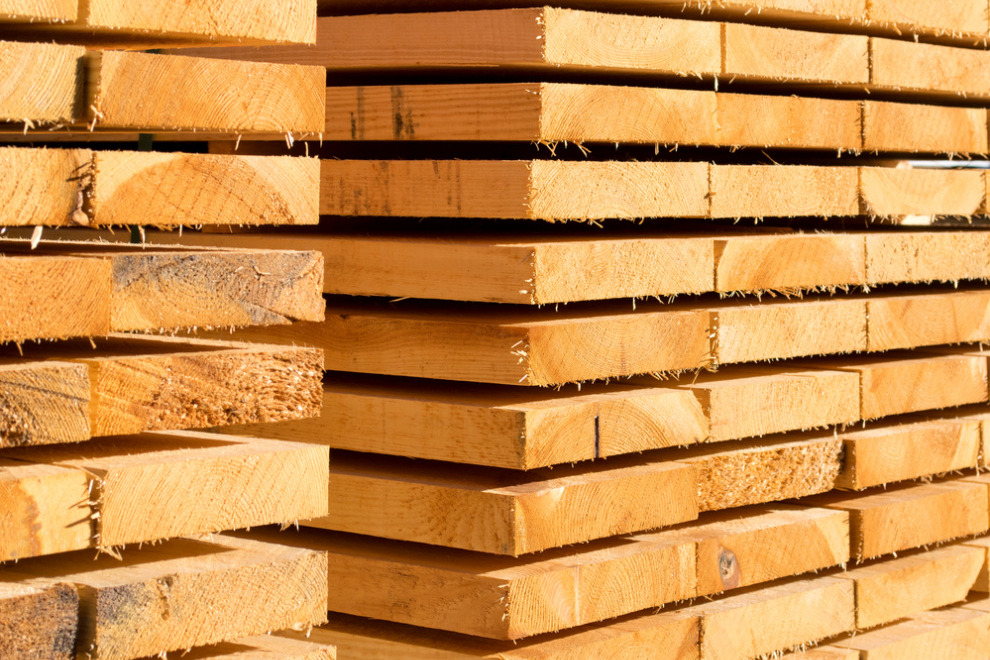
The change will primarily affect European lumber measured after drying and planing.

Södra’s increased birch demand is driven by pulp business expansion and Baltic plywood production.
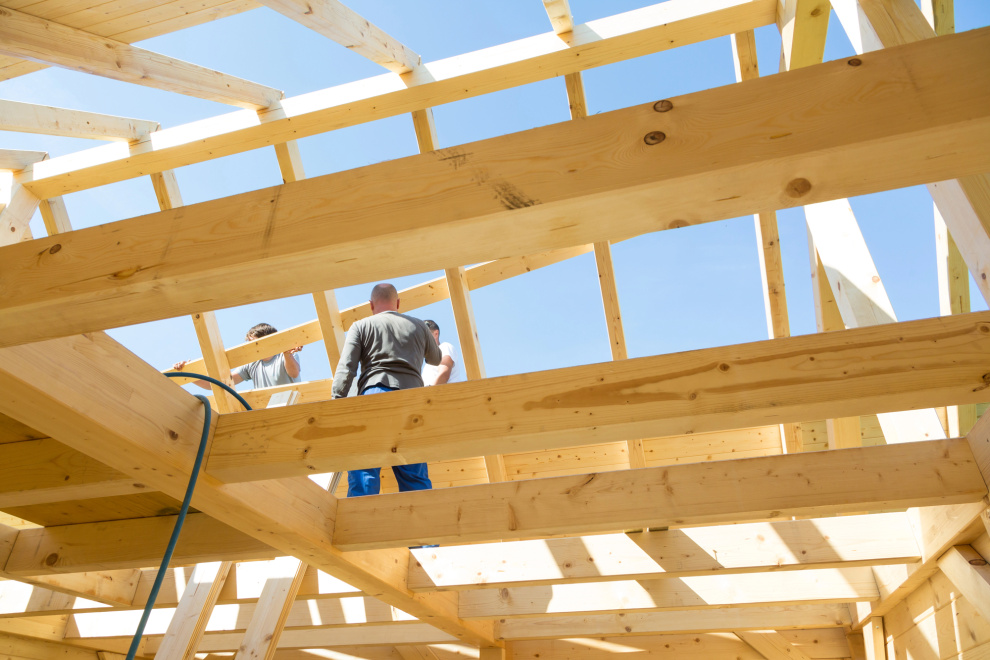
Single-family starts rose 7.6% from July.

Customers will keep their existing brand relationships while gaining access to a broader range of cutting products and expertise.

Several producers improved results, while mill closures reduced Nordic lumber capacity and production.
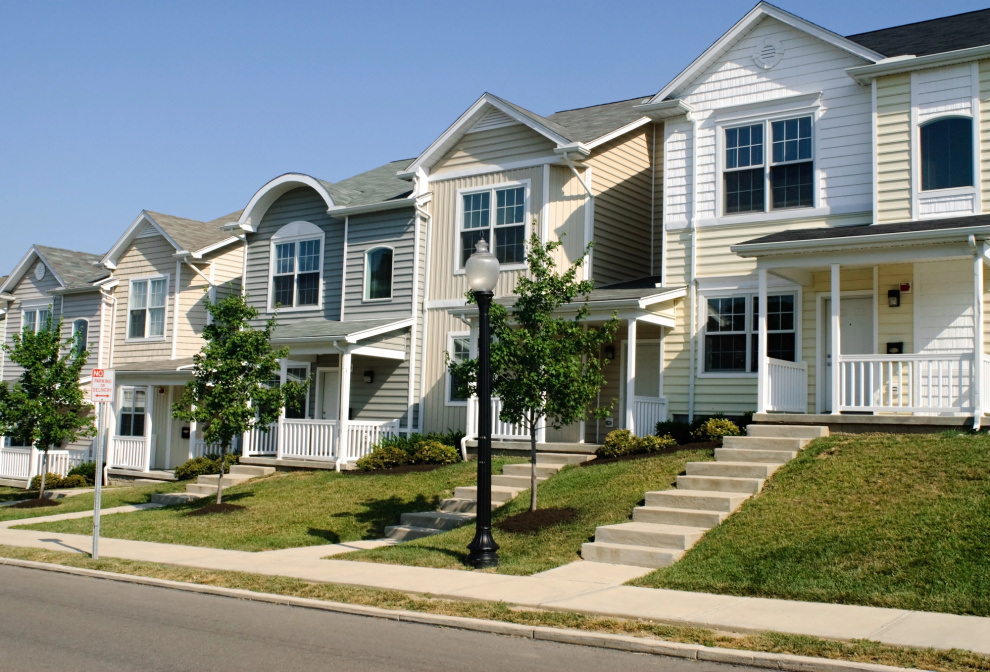
Inventory reaches 1.62 million units, while the median existing-home price rises 1.6% from a year earlier.

The association cites a continued weakened market situation and lower demand for the reductions.