
Price for plywood imported to the EU dipped 1.9%.
Price for plywood imported to the EU dipped 1.9%.

New Zealand stayed the largest supplier as its share rose 1.4 pp; Japan had the largest increase, with shipments up 18.1%

Contract signings declined in all four U.S. regions, with the steepest monthly drop in the West.

Russia remained the largest supplier as its share rose 0.5 pp; Chile's shipments rose 1.5 times and Finland's fell 26.3%

Larch remains in short supply, while the construction sector is in its eighth year of recession.

Prices rose 2.3% from September.

Single-family permits, a guide to future construction, fell 4% to 845,000.

Price for lumber exported from Latvian decreased slightly 0.5%.
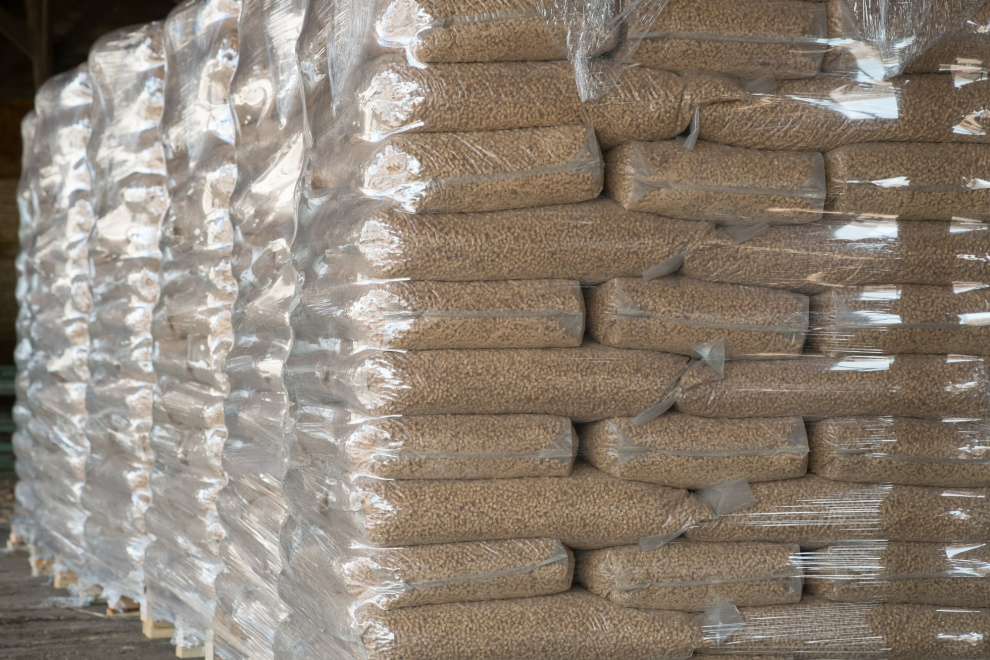
Price for wood pellets imported to Poland grew 9.9%.

Prices were 20.6% higher than a year earlier.

New-home prices fell 2.7% from a year earlier.
Price for lumber imported to Italy slid 2.1%.

Imports of logs to the EU grew 9.8%.

Canadian construction investment, Japanese and Finnish trade data, UK producer prices and quarterly results from forest products and homebuilding companies are also scheduled.

Pending home sales fell 12.7% from a year earlier, close to the lowest level in Redfin records, which begin in 2021.

The week ended close to where it began, after a swing in both directions.

Permits for new single-family houses were 7.8% higher and those for two-family houses 21.7% higher in the first eight months of 2026 compared with the same period last year.

The antidumping part is 6.40% after an offset for export subsidies, and the countervailing, or subsidy, part is 9.37%, up from 3.67% at the preliminary stage.

The weekly figure counts pulp in Shanghai Futures Exchange warehouses that can be delivered against SHFE bleached softwood kraft pulp futures.
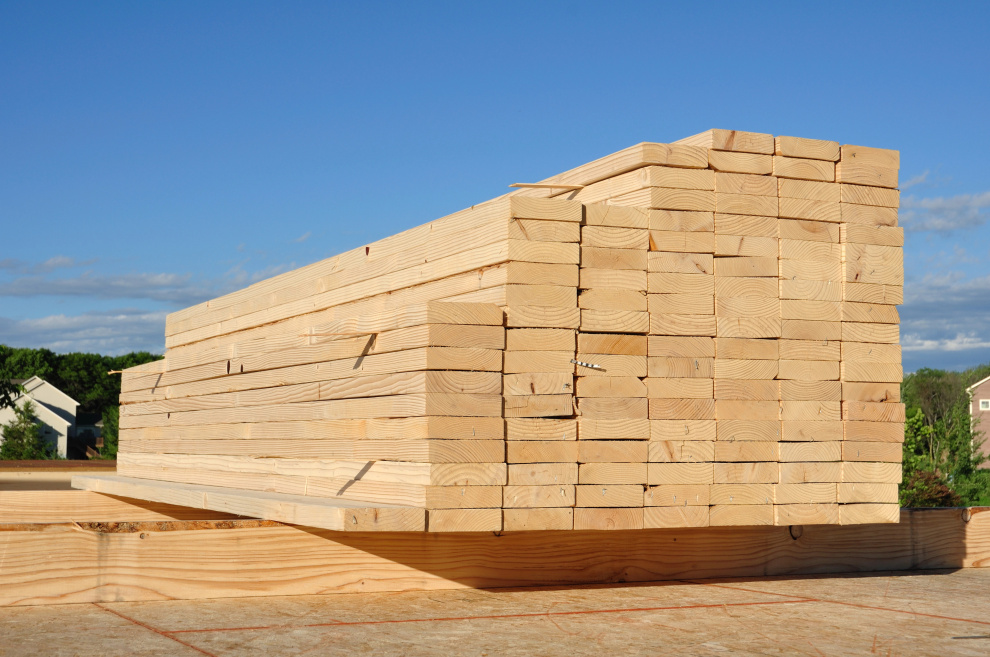
Price for lumber imported to Kazakhstan contracted 10%.