
Price for logs imported to China downed 4%.
Price for logs imported to China downed 4%.
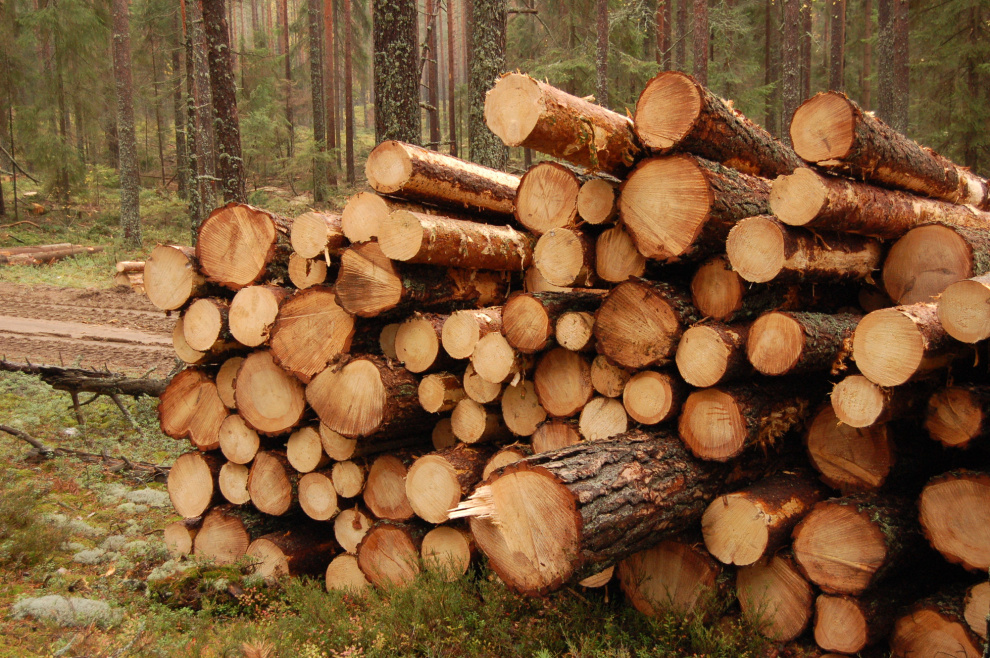
Pine sawlogs fell the most, down 12.3% from the first quarter, followed by spruce sawlogs, down 8.5%.

Softwood sawlogs led the gains, up 0.6% from July, followed by hardwood pulpwood, up 0.4%.

Companies want third parties to conduct forest assessments instead of relying solely on state-controlled Roslesinforg and seek protection from lease termination over delays or quality disputes.

Spruce and fir pulpwood and groundwood (mixed price) led the gains, up 1.5% from June, followed by spruce and fir pulpwood, up 1.3%.

Price for logs exported from New Zealand upped 3%.
Oak sawlogs led the monthly gains, up 6.8% from June, followed by beech pulpwood, up 2.1%. Beech sawlogs recorded the biggest monthly decline, falling 8.6% from June.
Standing-sale log prices were unchanged for softwood logs and up 2% for birch, while pulpwood prices moved no more than 1%.
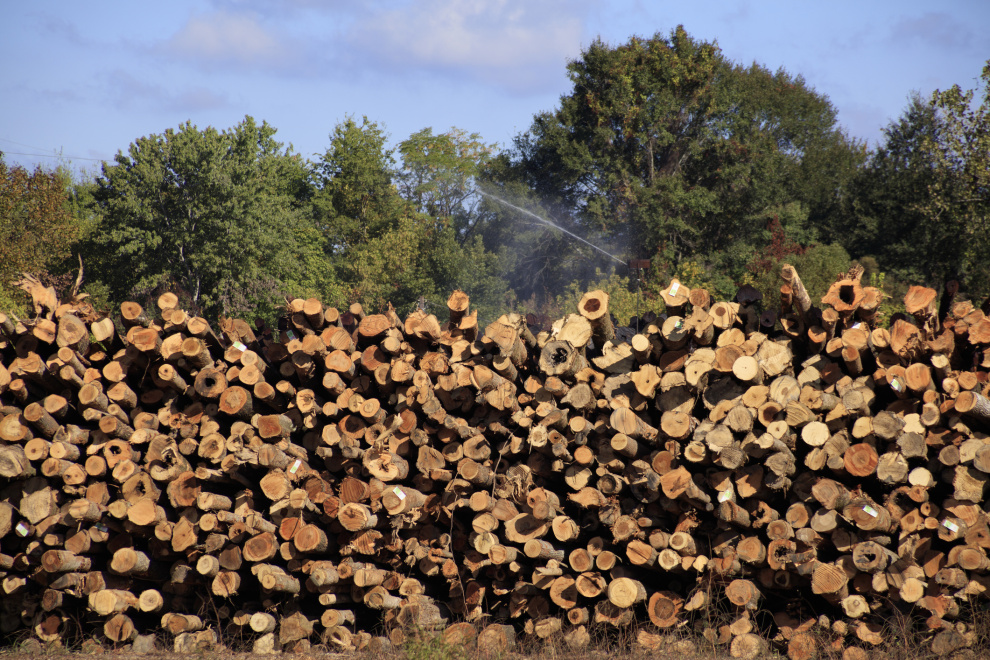
The agreement covers prescribed fire, timber and fuels treatments, longleaf pine restoration, wildlife habitat and invasive species management across ownership boundaries.

Price for logs imported to India rose 2%.
Price for logs exported from Lithuanian slid 4%.
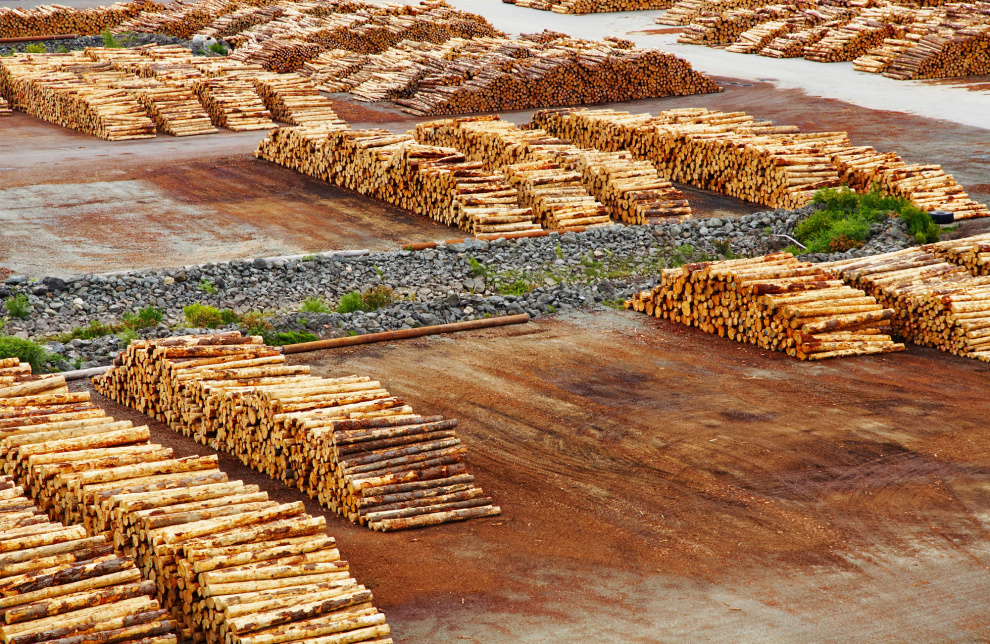
Price for pulpwood imported to Finland upped 5%.

Price for logs exported from Norwegian decreased 10%.

The association cites a continued weakened market situation and lower demand for the reductions.
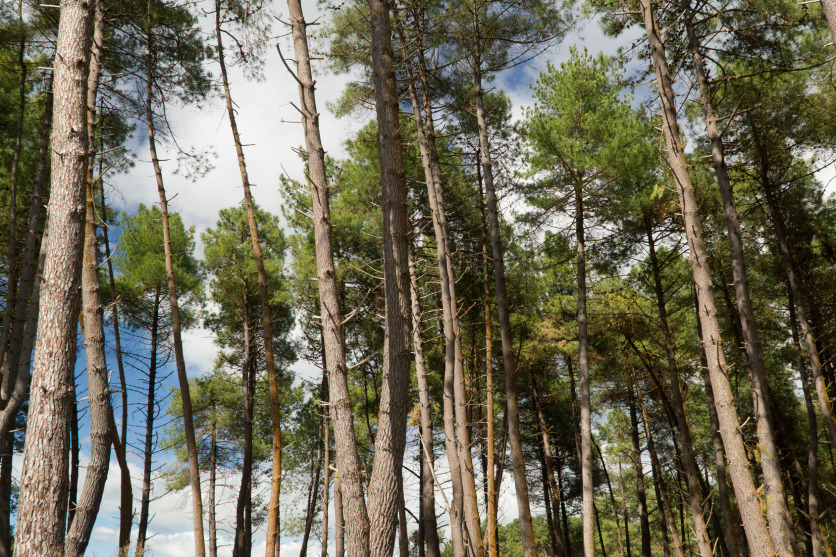
Regional constraints, limited plantation expansion and infrastructure barriers will restrict how much additional softwood roundwood reaches markets.

Compared with the previous month, production was up 99%.
Latvia lost 9 percentage points of Sweden's softwood log imports; Sweden imported 1.4 million m3.
Compared with the previous month, production was up 12%.
Price for logs exported from Brazilian increased slightly 0.9%.
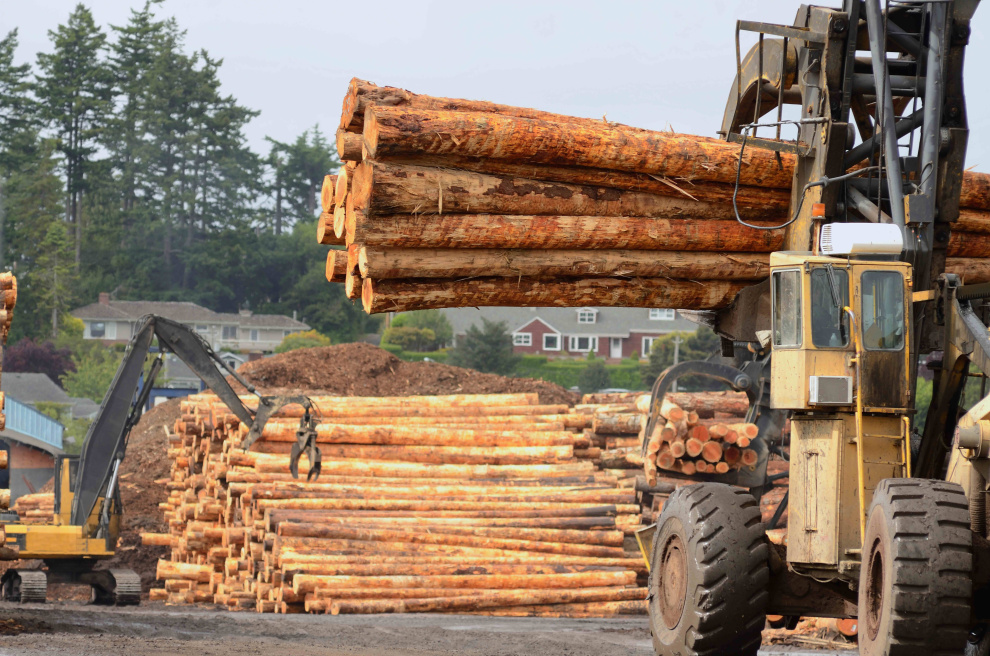
Sweden imported 1.4 million m3 in Q2 as Latvia lost 9 percentage points of Sweden's imports.