The cut applies only to the rates from the 2017 investigation that started the duties. The largest producers already pay rates set in annual reviews, so their payments do not change, while exporters never reviewed will pay 12.80% instead of 14.19%.
The cut applies only to the rates from the 2017 investigation that started the duties. The largest producers already pay rates set in annual reviews, so their payments do not change, while exporters never reviewed will pay 12.80% instead of 14.19%.
Price for MDF panels exported from Turkish rose marginally 0.7%.

Japan remained the largest buyer as its share rose 21 pp, while Chinese purchases fell 66.7%.
China remained the largest buyer as its share slipped 2.7 pp, India's shipments surged 94.8%, and Taiwan's dropped 5.5%.
Price for lumber exported from New Zealand grew only 0.2%.

Vietnam stayed the largest supplier as its share shrank 6.8 pp, while Australian shipments jumped 33%.
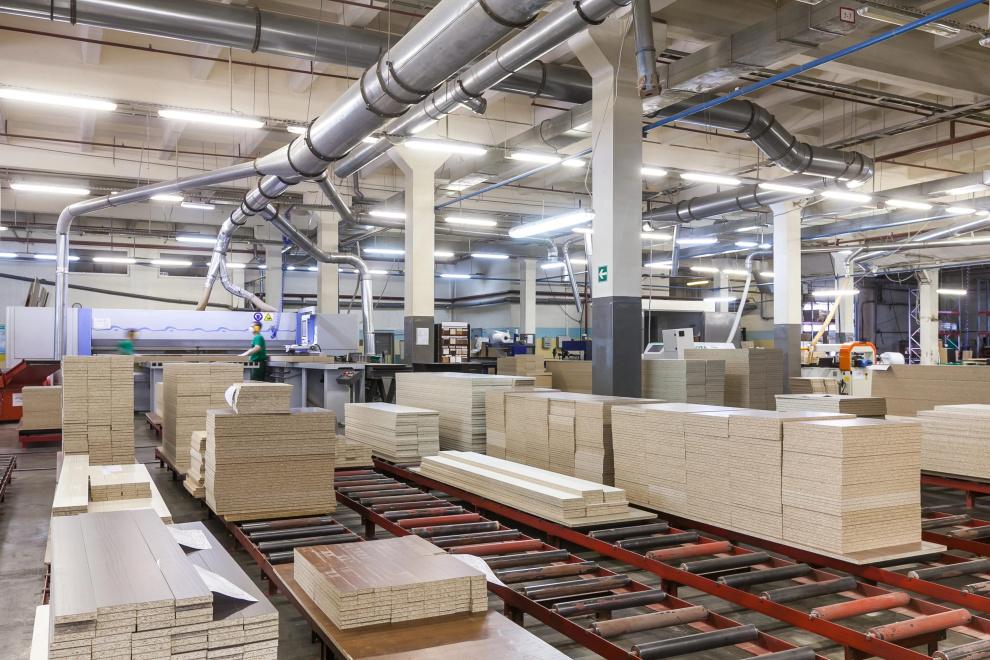
Imports of wood furniture to Japan dipped 2.3%.

Price for particleboard exported from Turkish lost 6.1%.

Canada remained the largest supplier as its share rose 4.1 pp; Romania's shipments rose 9.7% and Germany's fell 48.6%.

Price for OSB exported from Norwegian stayed flat.
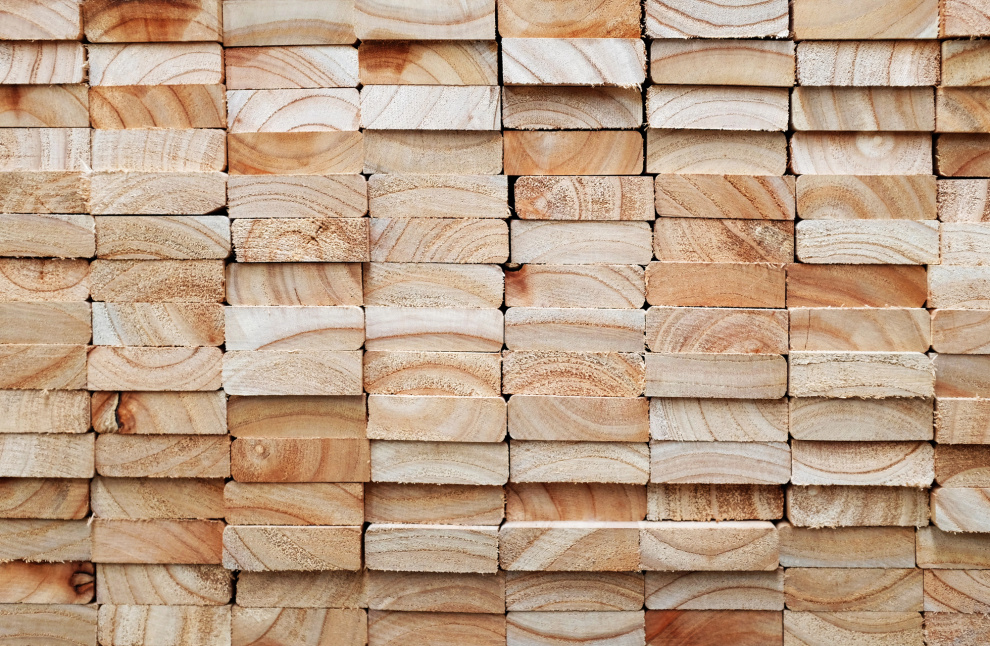
Price for lumber exported from Norwegian slid 3.8%.

The Chilean wood-based panel maker’s revenue rose 5% to $72.3 million; it also plans to concentrate production in Chile.
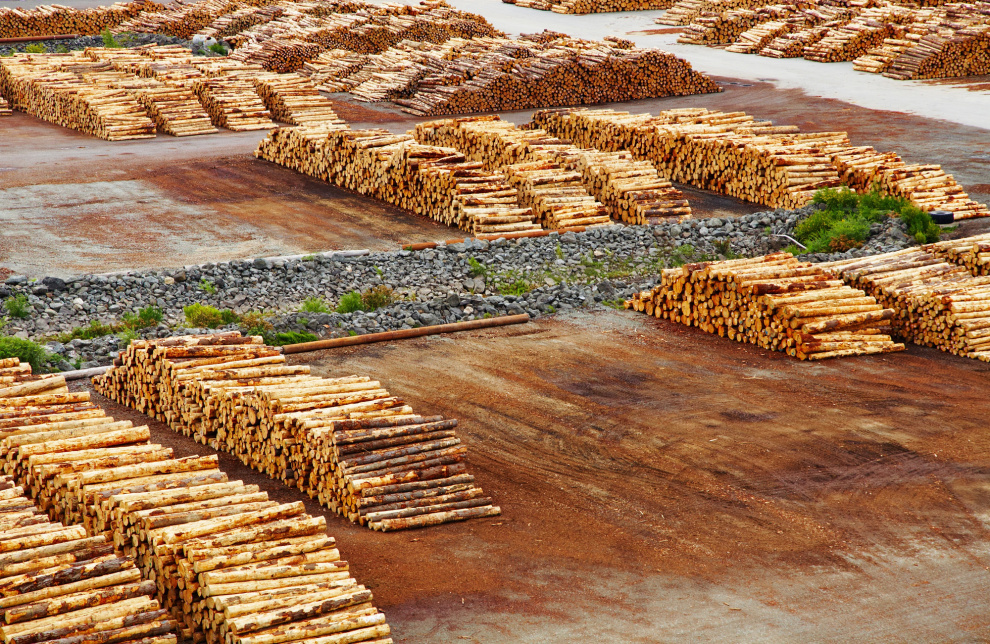
Exports of logs from Norway decreased 13.6%.

Price for plywood imported to Japan grew only 0.2%.

Vietnam remained the largest supplier as its share fell 4.9 pp; China’s shipments rose 13-fold and Canada’s fell 17.7%.
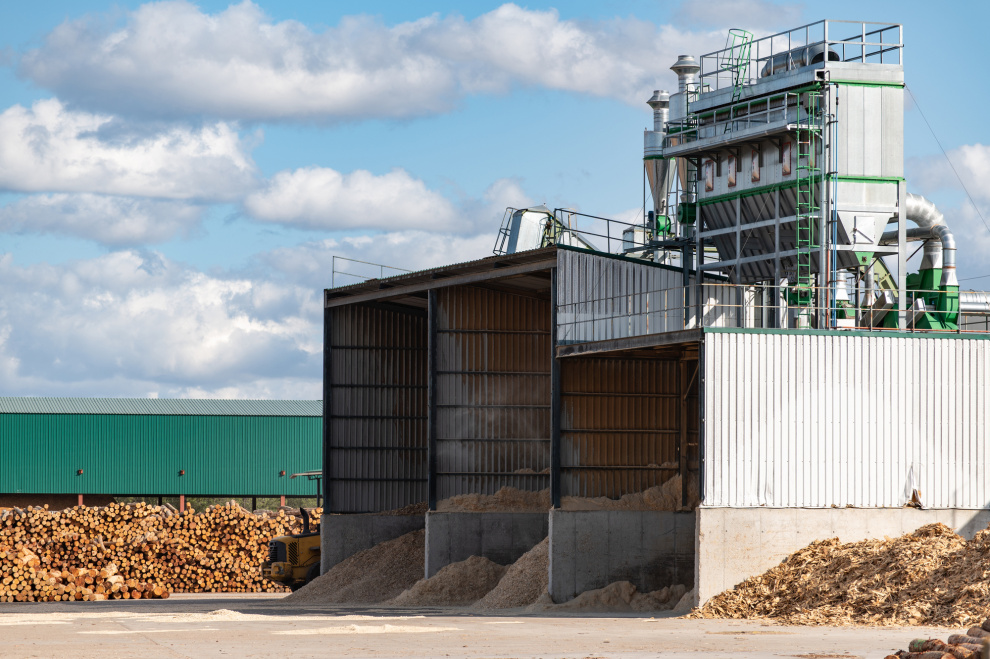
Price for wood pellets exported from Vietnamese to Japan gained 1.8%.
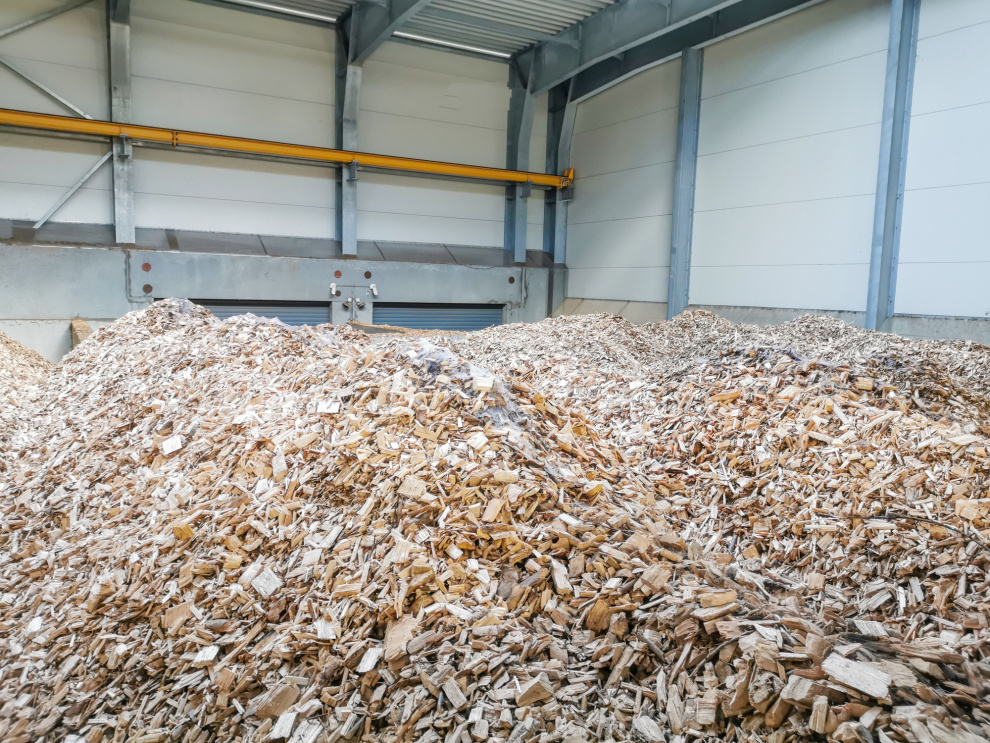
Price for wood chips exported from Vietnamese to Japan grew only 0.8%.
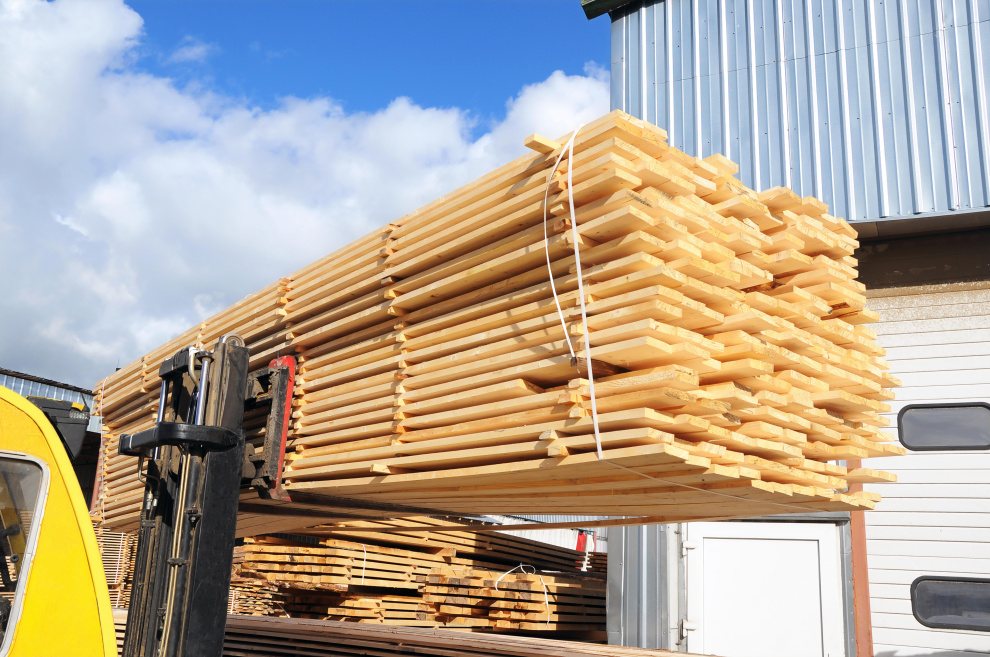
Price for lumber imported to Japan rose 1.6%.

Price for wooden pallets imported to France lost 12.1%.
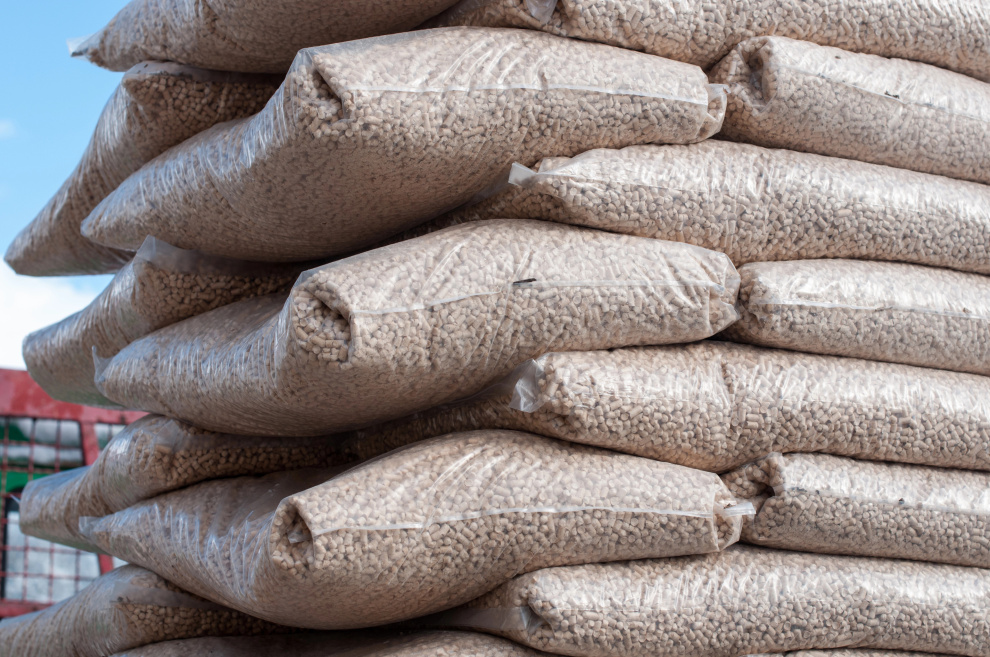
Price for wood pellets imported to Germany grew 8.3%.