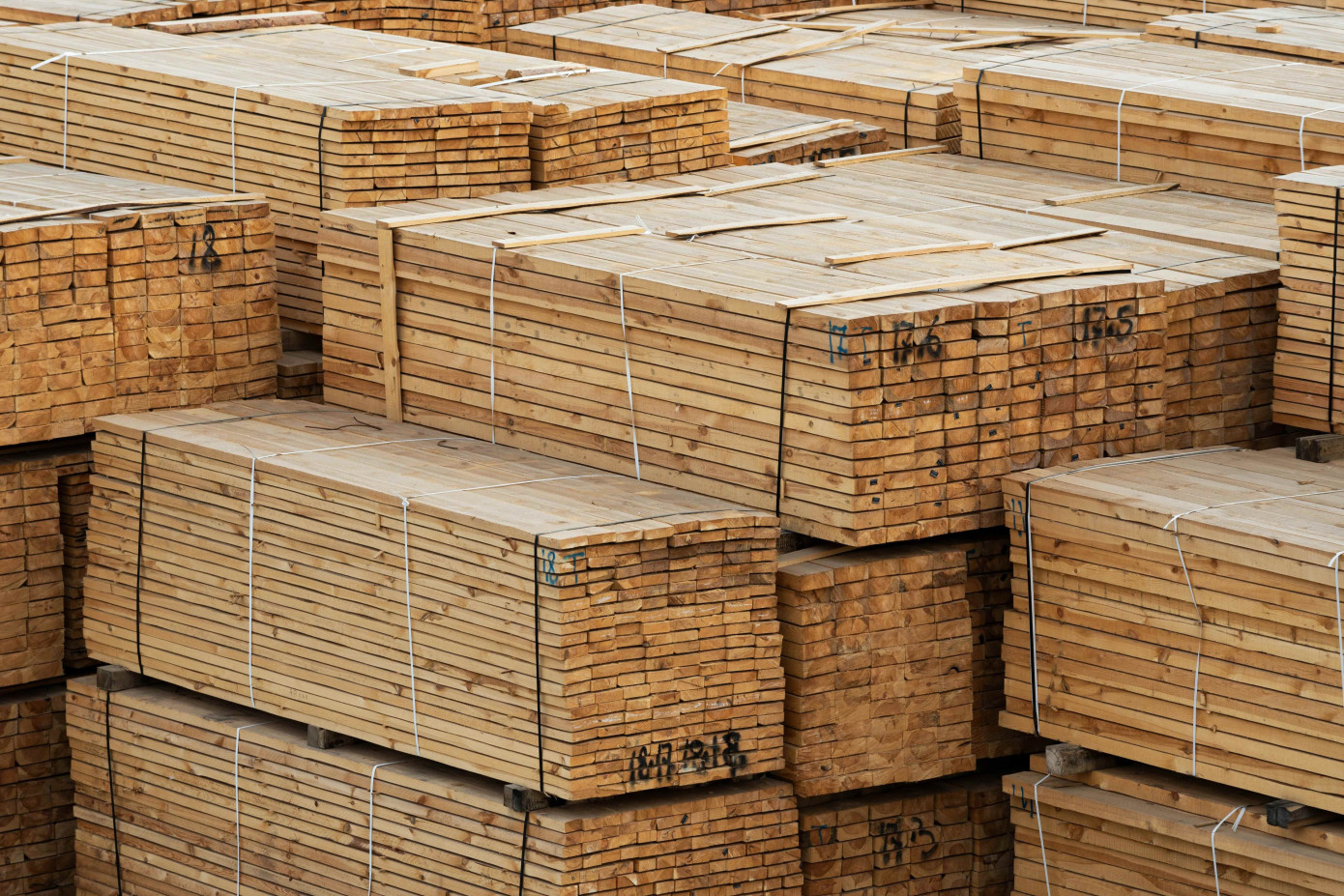
Wisconsin’s forest products industry, which includes pulp and paper mills, lumber producers and logging operations, continues to face limited pulpwood markets and weak demand in parts of the hardwood lumber sector. Recent mill closures have reduced pulpwood outlets and disrupted established fiber flows, according to the Wisconsin Department of Natural Resources.
The Ahlstrom mill in Kaukauna has resumed purchasing wood, but volumes remain limited as the market continues to adjust following the closure of Ahlstrom’s pulp mill in Mosinee. Suppliers with established contracts have generally experienced typical seasonal fluctuations, while suppliers displaced by mill closures have had more difficulty finding new markets.
Hardwood lumber mills have access to timber, but log costs remain high relative to finished lumber prices. Weak housing and construction activity has reduced demand for hardwood products used in flooring, cabinetry and trim.
White oak has been particularly affected. Green 4/4 FAS white oak prices have fallen nearly 24% over the past year and approximately 30% compared with two years ago.
Logging operations also face limited pulpwood outlets, changing weather patterns, increased fuel prices and workforce availability issues. Wisconsin has ample harvestable timber, but some landowners are having difficulty securing logging contractors, while reduced demand limits economically viable markets for harvested material.
Demand has been stronger for hickory, cherry and hard maple. Some producers in Wisconsin and the Lake States have also experienced improved export opportunities, with strong demand from European and Asian markets helping some producers offset weakness elsewhere.
Hardwood pallet production continues to lose market share to softwood, raising concerns about the stability of low-grade markets. The Railroad Tie Association forecasts railroad tie demand at approximately 19.7 million ties in 2026 and 19.2 million in 2027.
Parts of the industry remain stable, but overall activity remains below full capacity. Future market conditions will depend on pulpwood market adjustments, housing and construction activity, broader economic conditions and the industry’s ability to adapt to changing markets.