
September prices fall from June for spruce and pine sawlogs and pulpwood, led by pine pulpwood at 8.5%.
September prices fall from June for spruce and pine sawlogs and pulpwood, led by pine pulpwood at 8.5%.

Compared with the previous month, production was up 6%.

Price for logs exported from Brazilian contracted 22%.

The most extensive scenario could affect wood volumes equal to annual use at one to two pulp mills and 15 industrial sawmills.

Exports of logs from the U.S. grew 13%.
Price for logs exported from Canadian lost 13%.

Beech pulpwood led the gains, up 6.3% from July, followed by spruce and fir pulpwood and groundwood (mixed price), up 1.8%.
Price for logs exported from Japanese dipped 4%.
Price for logs exported from New Zealand to South Korea rose 5%.

The Chinese list covers hardwood and softwood lumber, logs, OSB, fiberboard, plywood and flooring, while tariff reductions still require domestic procedures.

U.S. hardwood log exports to China reached 380.6 thousand m3 worth $285 million in January-August 2026, exceeding full-year 2025 shipments.

Private forests supplied 4.0 million m3, 3% less than a year earlier.
Compared with the previous month, production was up 1.1%.

Södra’s increased birch demand is driven by pulp business expansion and Baltic plywood production.
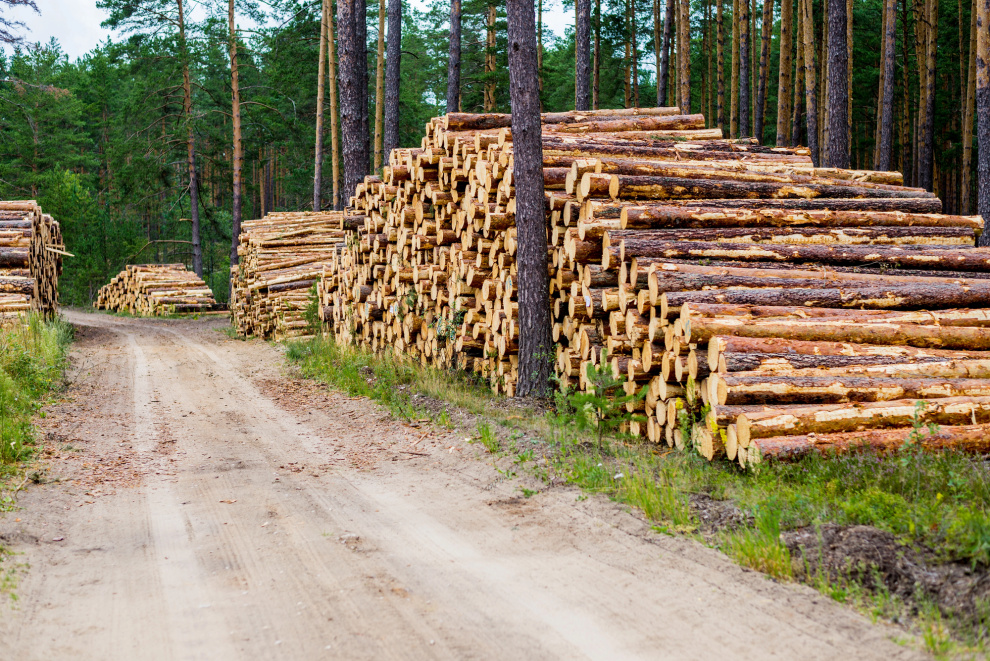
June prices fall from March for spruce and pine sawlogs and pulpwood, led by pine sawlogs at 7.1%.

Exports of sawlog from Germany to China decreased 6%.

Price for softwood logs imported to China downed 1.8%.

Price for logs imported to China downed 4%.
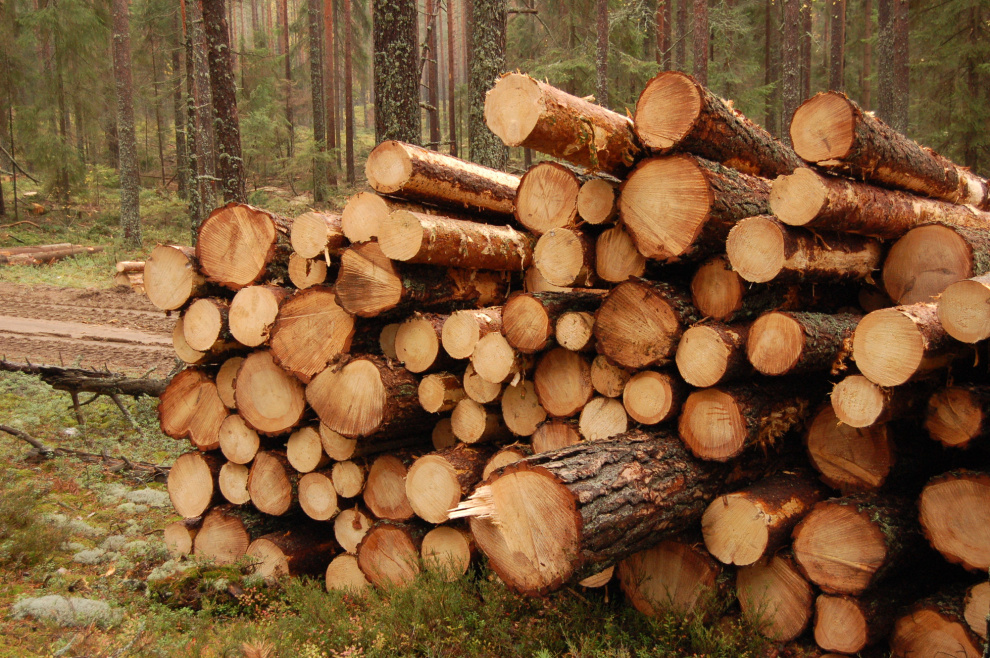
No product rose from the first quarter; pine sawlogs fell the most, down 12.3%.

Softwood sawlogs led the gains, up 0.6% from July, followed by hardwood pulpwood, up 0.4%.