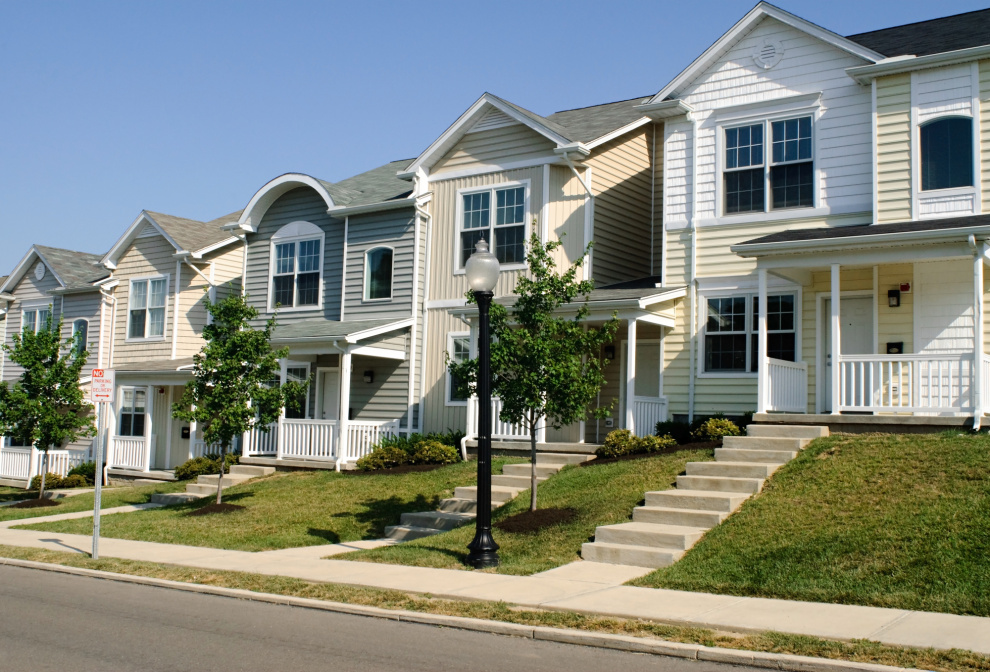
Inventory reaches 1.62 million units, while the median existing-home price rises 1.6% from a year earlier.
Inventory reaches 1.62 million units, while the median existing-home price rises 1.6% from a year earlier.
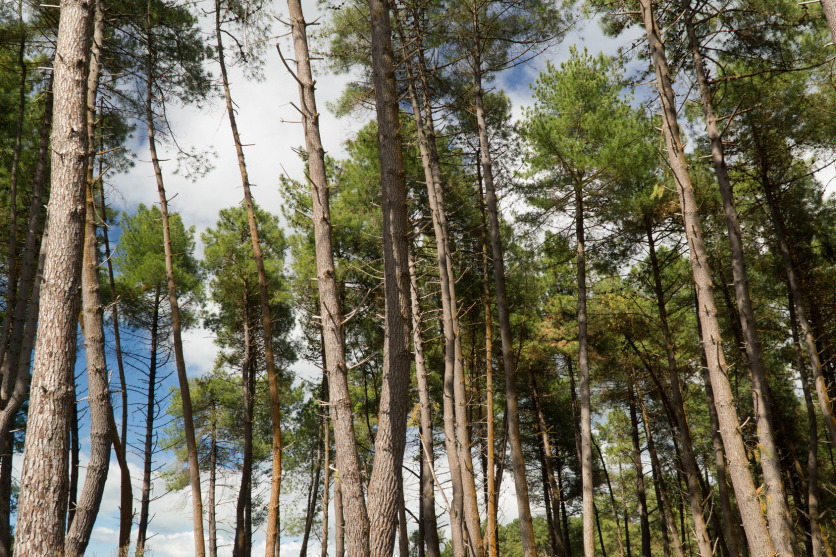
Regional constraints, limited plantation expansion and infrastructure barriers will restrict how much additional softwood roundwood reaches markets.
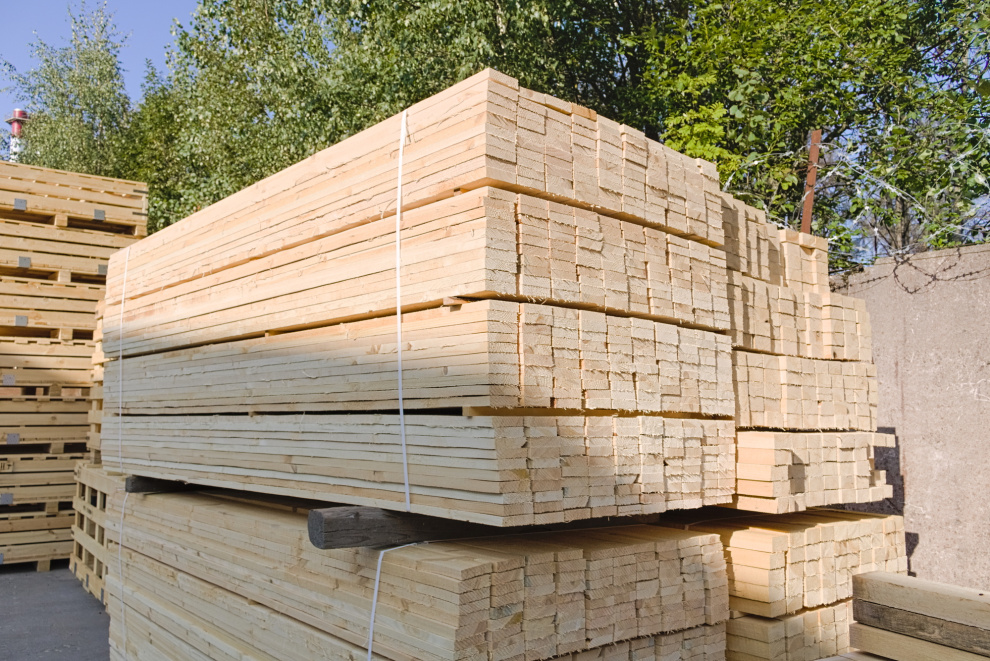
Weak construction demand, higher freight costs and regulatory requirements are putting pressure on sawmills and timber traders.
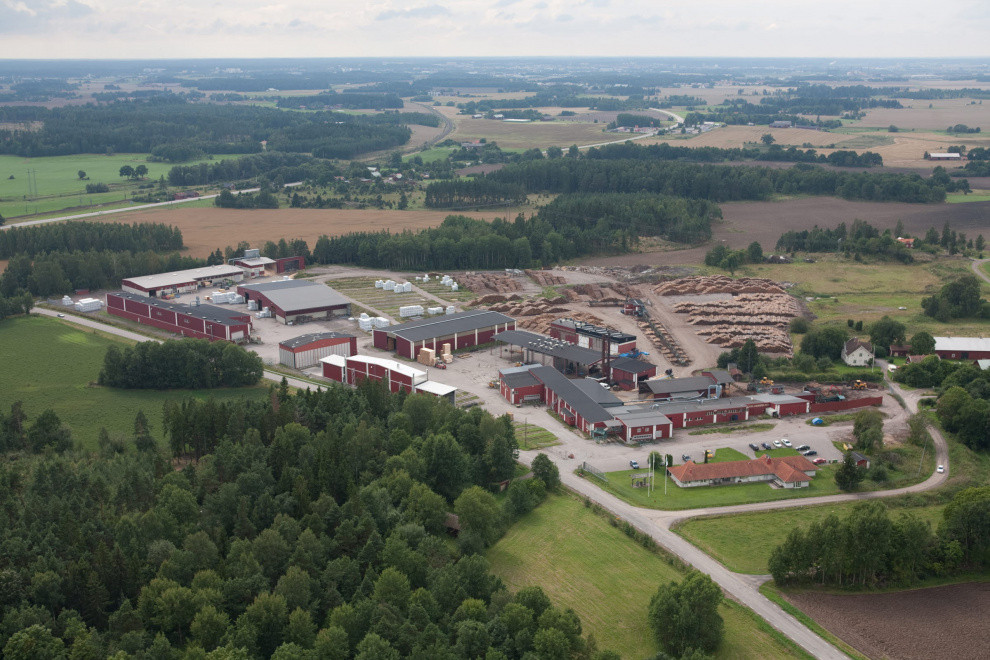
The Swedish company described current business conditions as the worst in 30 years.
Domestic sales fell 4.1%, while U.S. shipments declined amid tariffs. The industry expects full-year sales to decrease approximately 3%.

Dry conditions linked to strong El Niño events have historically increased fires and tree losses in parts of South America and Southeast Asia.
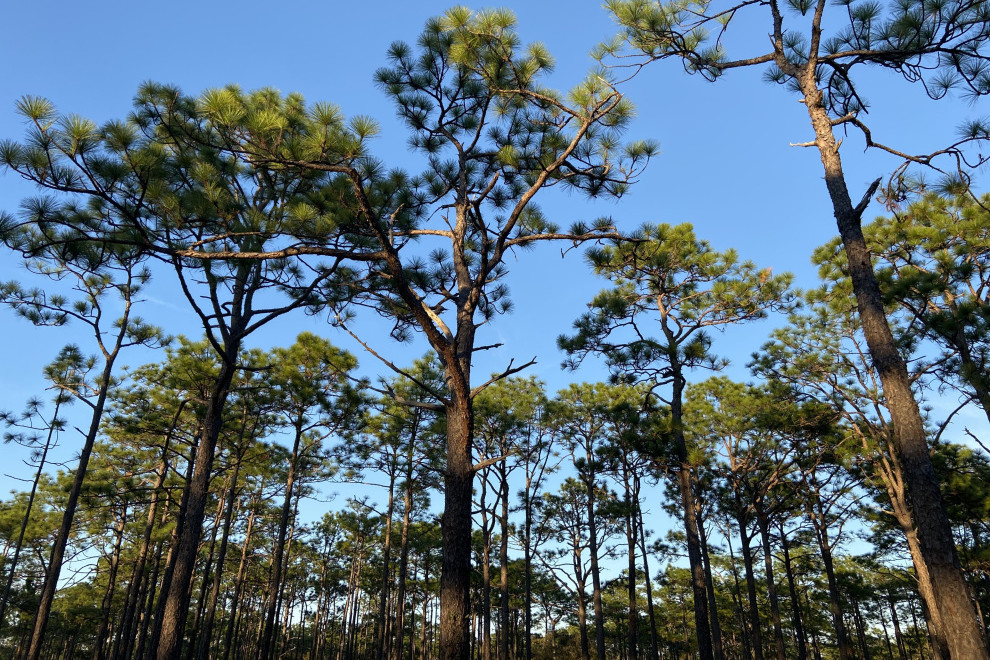
Georgia timberland owners lose buyers as mill closures cut 3% of U.S. containerboard capacity.
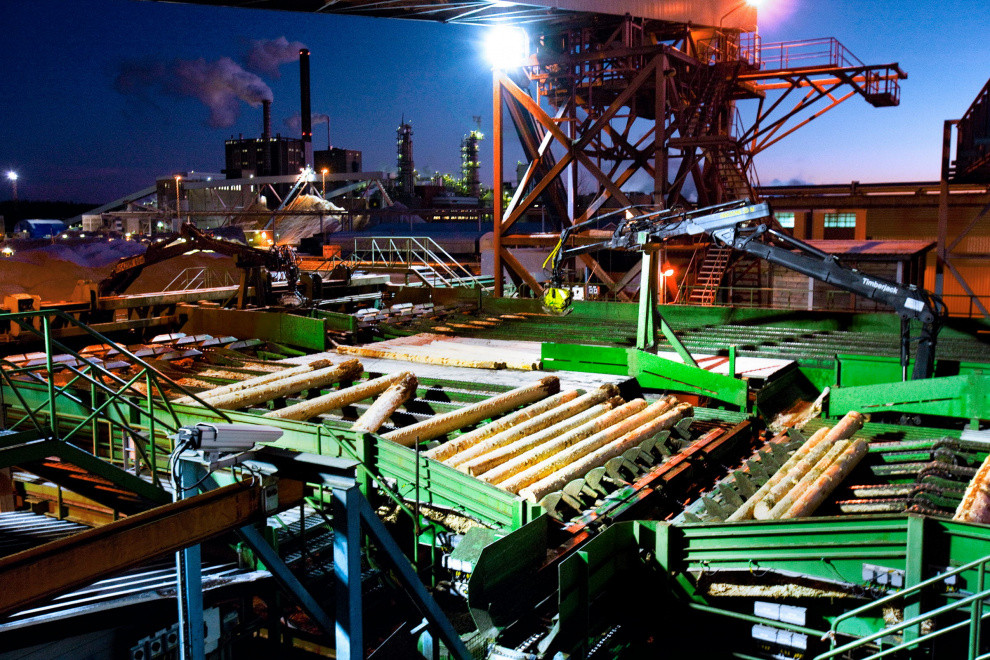
Lower electricity prices, weaker wood-product earnings and cautious construction demand affect operations, while board and paper deliveries improve.
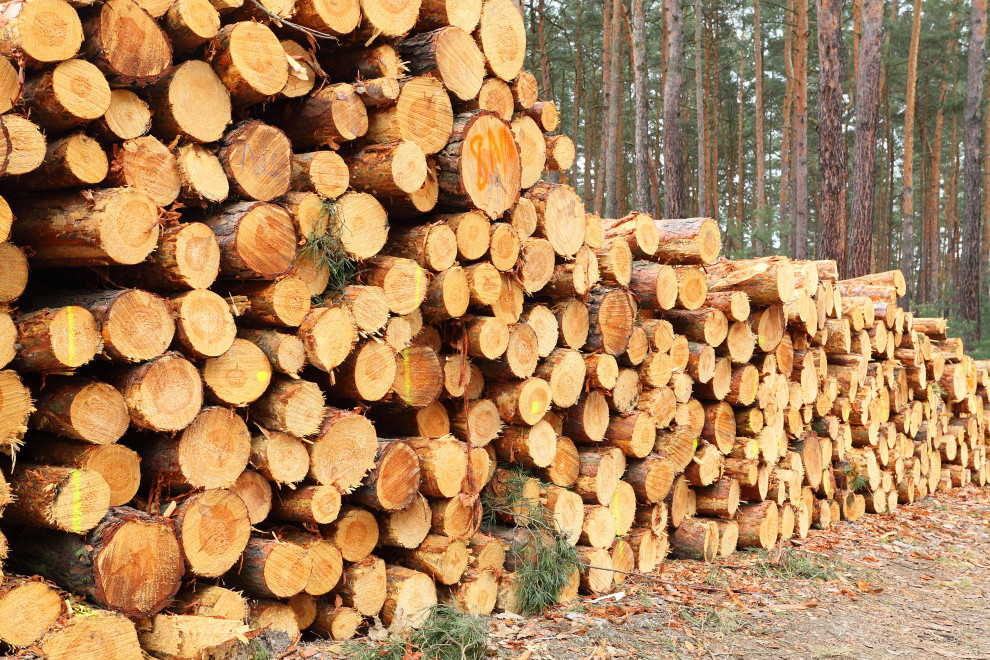
Sawlog and pulpwood stocks rose in timber balance region 2, while pulp chip stocks increased in all regions.
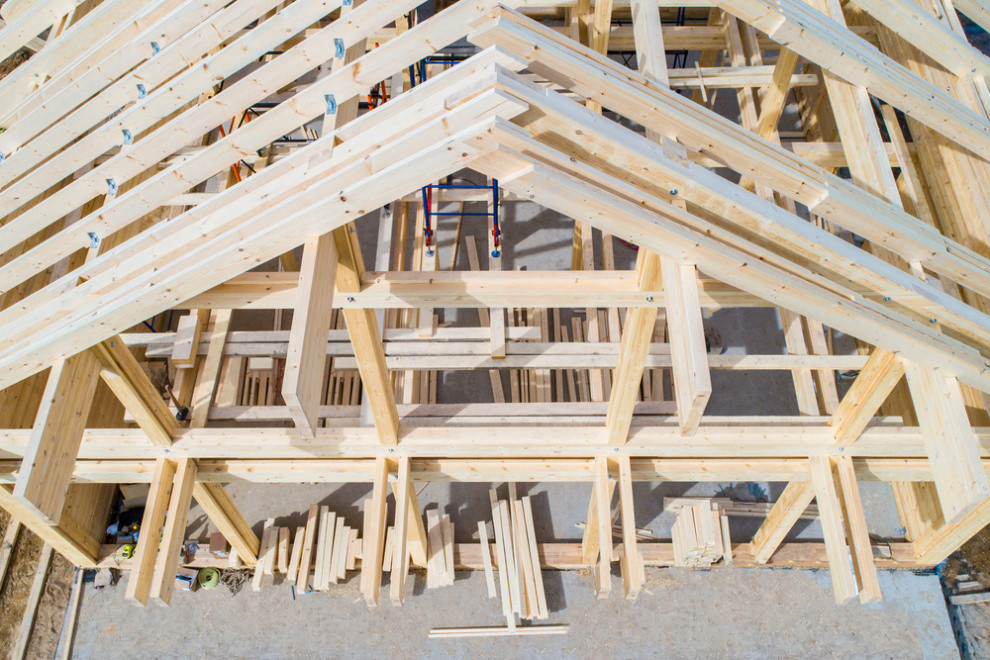
Single-family starts fell 6.9% year to date, while starts in buildings with five or more units rose 11.9%. The July rate was the second-lowest monthly level of 2026.
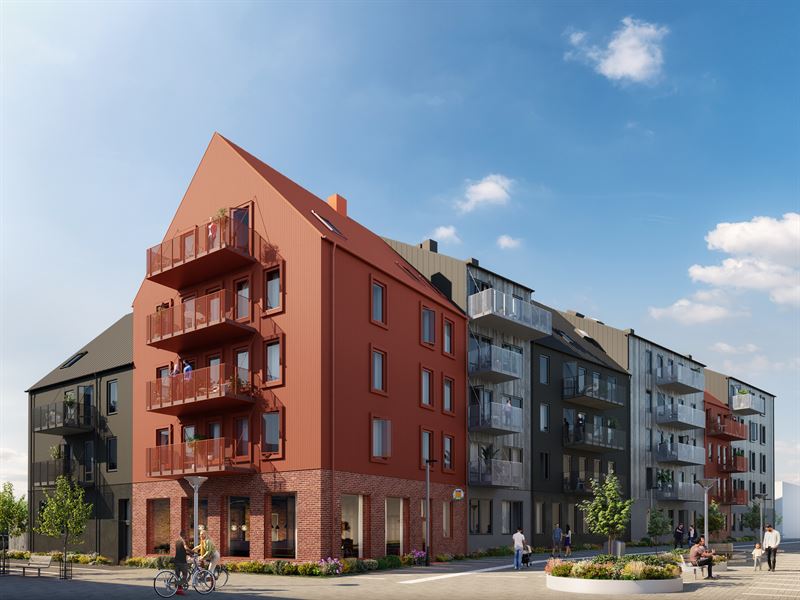
The industry calls for simpler environmental reviews, digital permit processes and tighter appeal procedures.
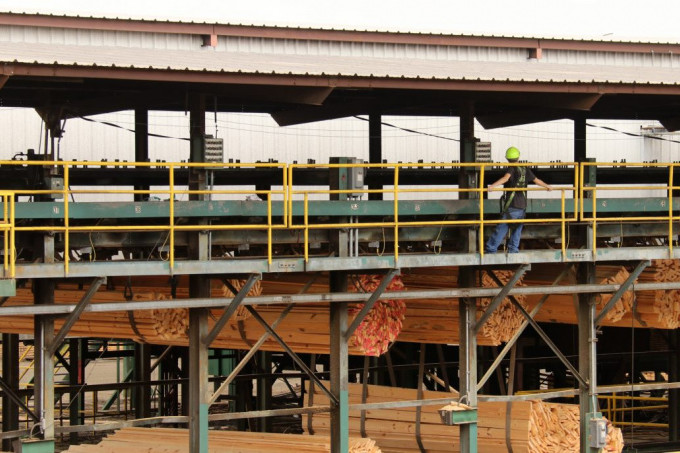
Canadian softwood lumber producers expect difficult conditions through 2026 as weaker demand, production curtailments and U.S. trade costs pressure operations.
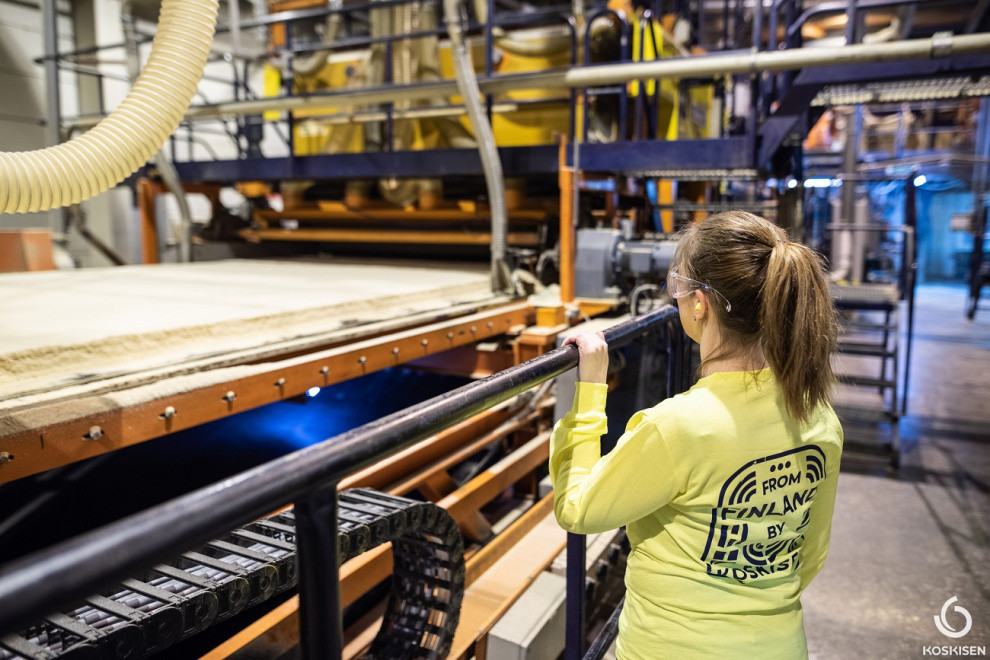
Higher lumber deliveries lifted sales, while high wood and logistics costs and weak chipboard demand reduced earnings.

Economic uncertainty is delaying equipment orders, while cost savings are reducing customer maintenance activity and Services demand.
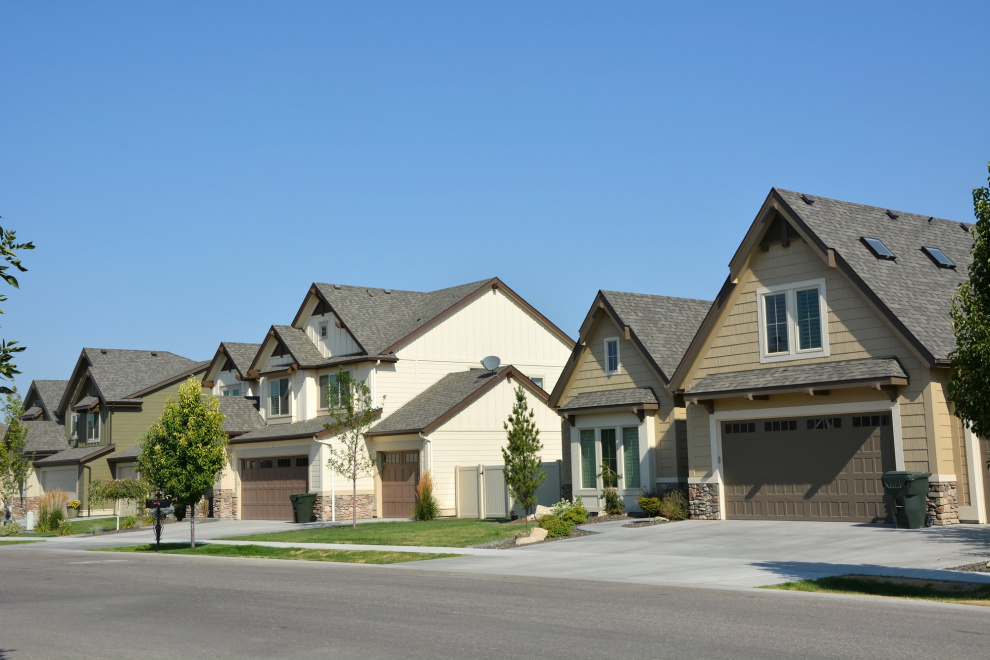
Sales declined to a seasonally adjusted annual rate of 4.06 million, while housing inventory fell 1.9% from June.
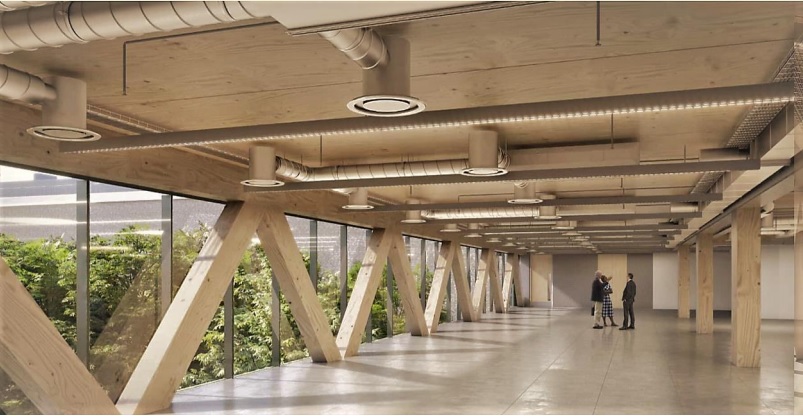
Existing U.S. builders posted lower deliveries and prices, while timber manufacturing turned loss-making even as housing volumes rose in Australia and Japan.
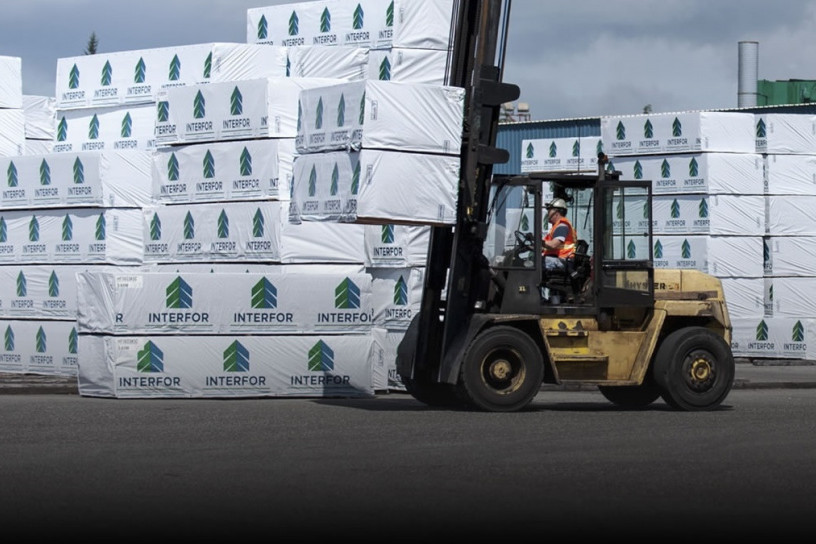
Industry curtailments and seasonal demand lift lumber prices, while higher output and lower unit costs improve operations; duty rates remain a risk for the second half.
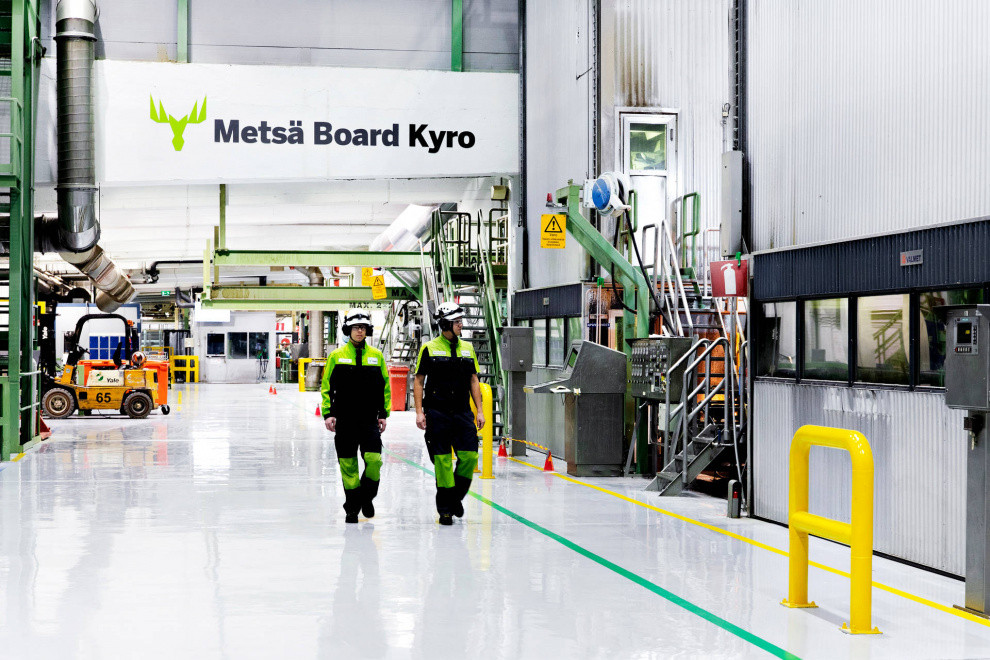
Lower wood and fixed costs partly offset weaker pulp and paperboard prices, while maintenance shutdowns will reduce third-quarter earnings.
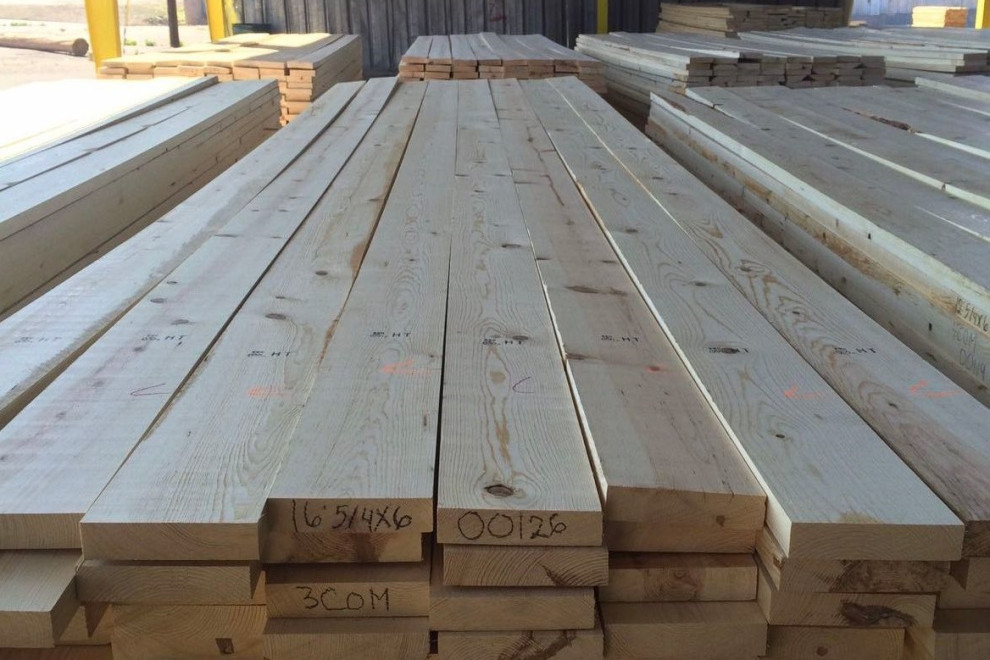
Second-quarter sales rose despite weaker housing starts, while the company expects affordability pressures, volatile pricing and subdued residential construction to continue influencing operations.
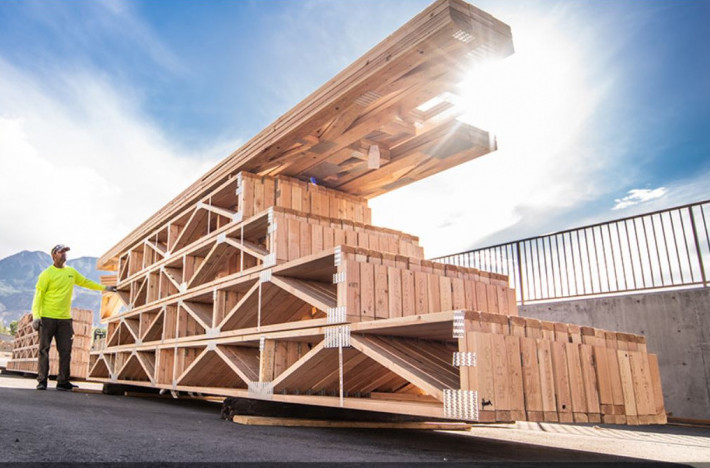
Lower housing starts, affordability constraints and commodity deflation reduced second-quarter sales, margins and operating leverage.