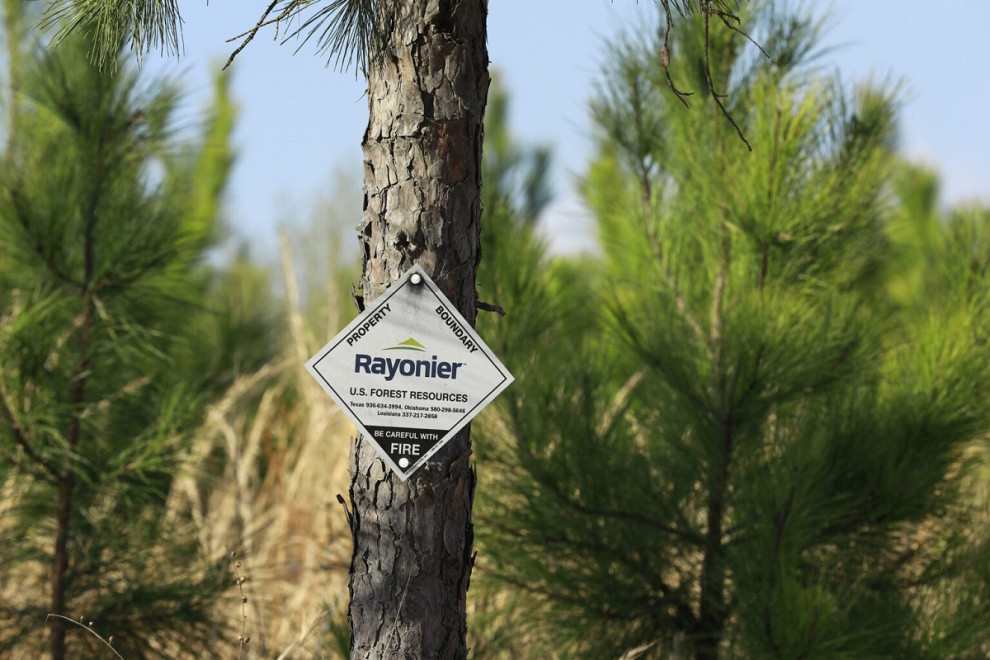
A full quarter of acquired operations and increased real-estate sales outweighed weaker Southern timber prices.
A full quarter of acquired operations and increased real-estate sales outweighed weaker Southern timber prices.
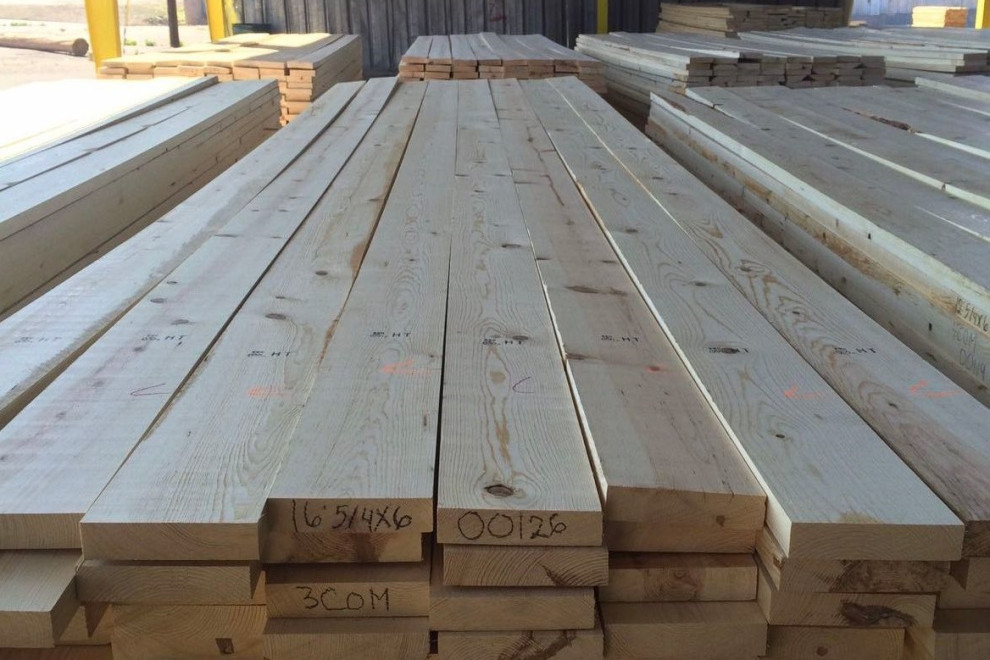
Second-quarter sales rose despite weaker housing starts, while the company expects affordability pressures, volatile pricing and subdued residential construction to continue influencing operations.
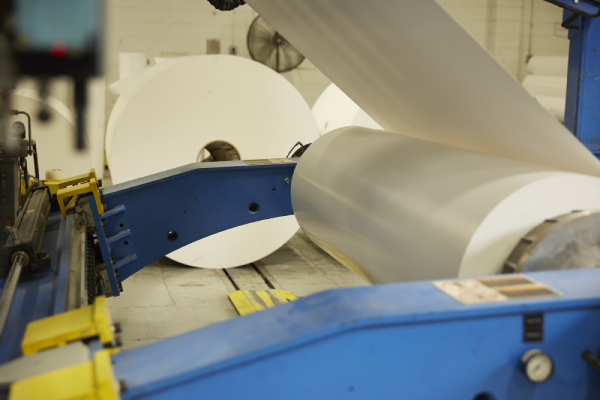
Paperboard volumes rise 8% as company restructures Cypress Bend facility and reduces net debt by $59 million.

North American box volumes grow as company completes Riverdale conversion and NORPAC acquisition.
Consolidated EBITDA rises 16% to Euro 27 million; speciality pulp sales increase to 34% of total.

Higher lumber volumes and western log realizations helped counter transportation, fuel, freight and resin cost pressures.
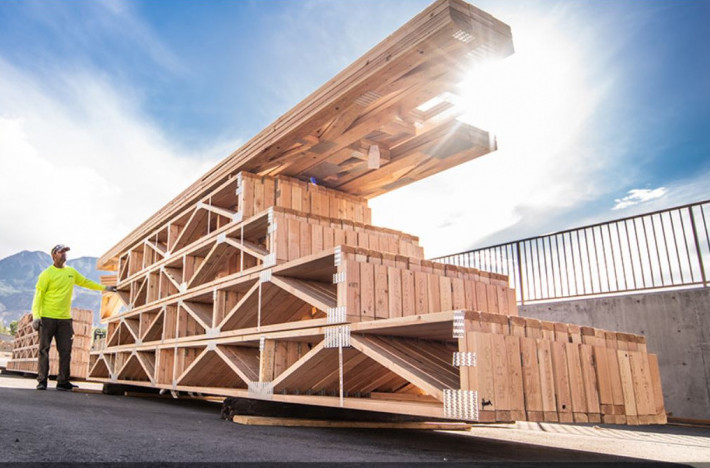
Lower housing starts, affordability constraints and commodity deflation reduced second-quarter sales, margins and operating leverage.
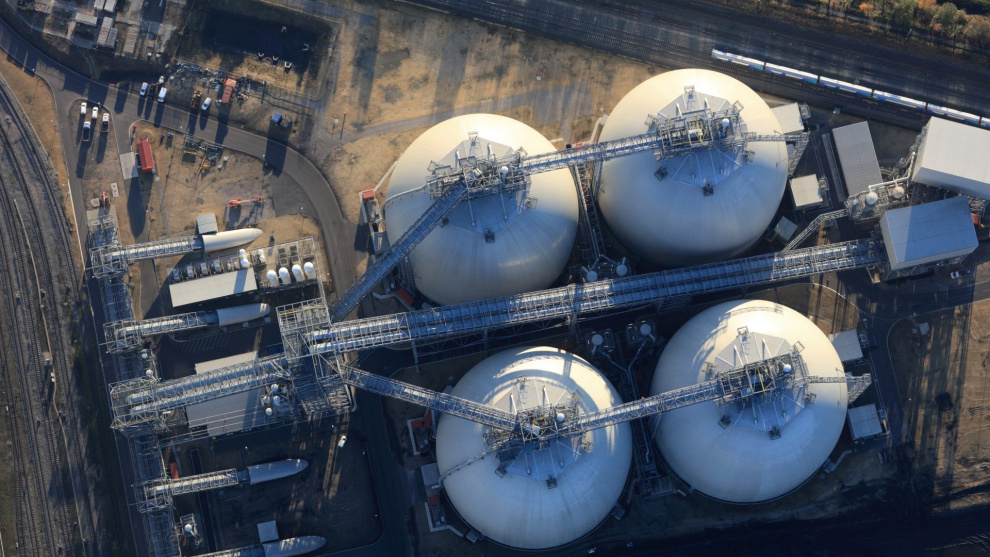
Canadian fibre constraints reduced margins, while lower U.S. costs cut internal pellet sales revenue.
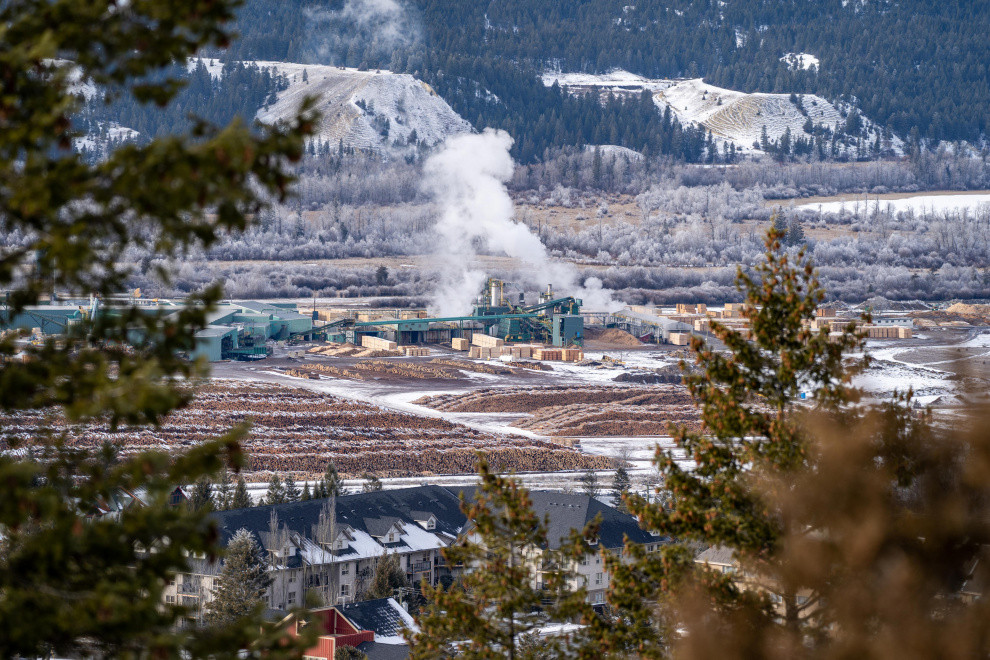
Higher lumber prices improved second-quarter operations, while weak pulp demand, elevated inventories and lower pricing increased losses and contributed to mill closures.
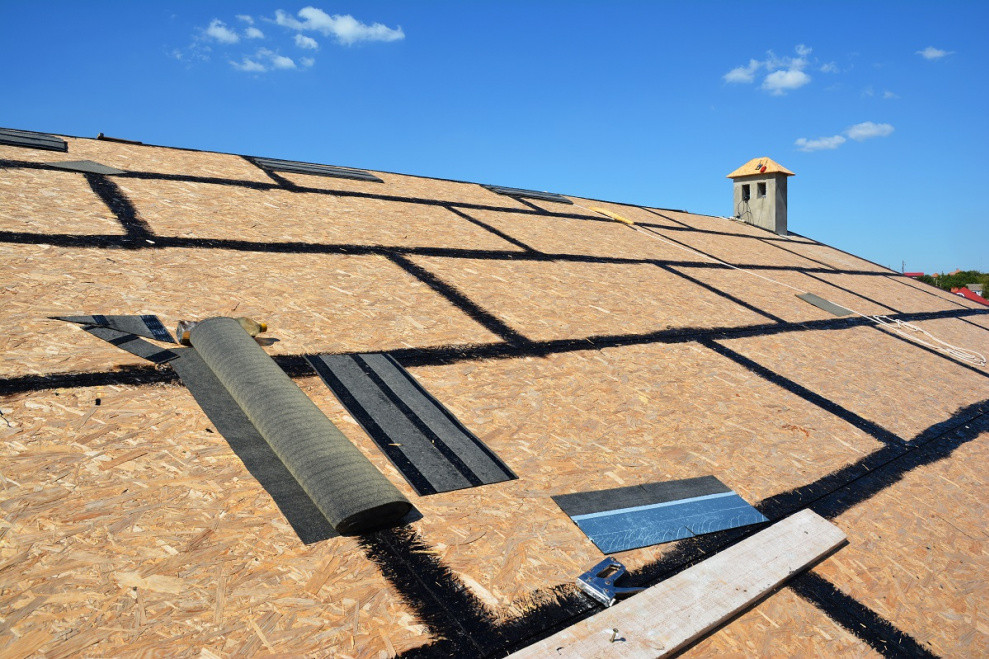
The company maintains lumber and panel shipment targets while continuing sawmill optimization, production improvements and capacity consolidation.
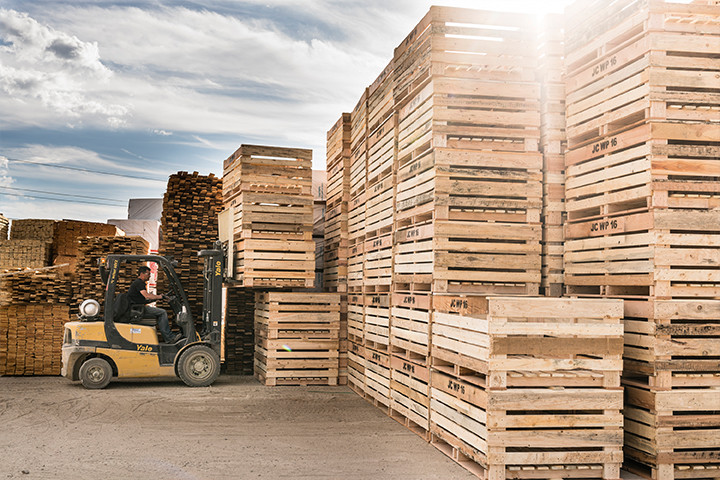
Growth in acquisitions and organic volume lifted revenue, while higher transportation costs reduced profitability and the company maintained its 2026 investment plans.

Aggregate profit among above-designated-size enterprises in the category fell to 5.17 billion yuan, while profit across all covered industrial enterprises rose 18.7%.

Company expects Q3 earnings of $2.91 per share as price increases take effect.

Higher pulp prices, strong renewable fuel demand and growth in advanced materials supported results, while weak graphic paper demand, high wood costs and geopolitical uncertainty continued to weigh on parts of the business.
Homag Group's EBIT margin holds at 4.0% as order intake falls 7% on weak demand
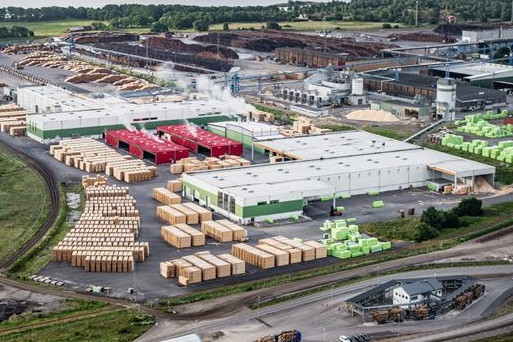
High raw-material costs and weak pulp, timber and construction markets continued to pressure prices and profitability.
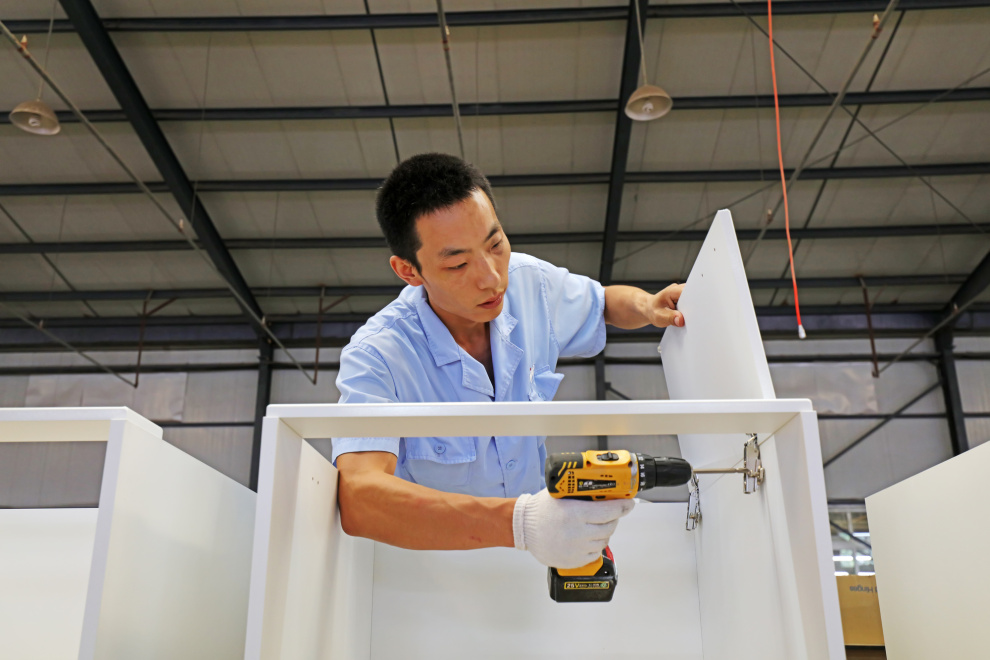
Furniture makers also recorded declines, even as overall industrial earnings grew and paper producers gained.

External logistics partner's performance at new Meppen facility causes delays, higher costs, and reduced delivery precision.

Raw material and logistics cost increases from prolonged conflict outweigh delayed price hike benefits amid demand weakness.
Government weighs rent freeze through 2028 and bankruptcy moratorium for forest-sector firms.