
Imports of logs to the European Union decreased 11%.
Imports of logs to the European Union decreased 11%.

New Wood and Energy business area launches January 2026 as Containerboard division also gets new leader.
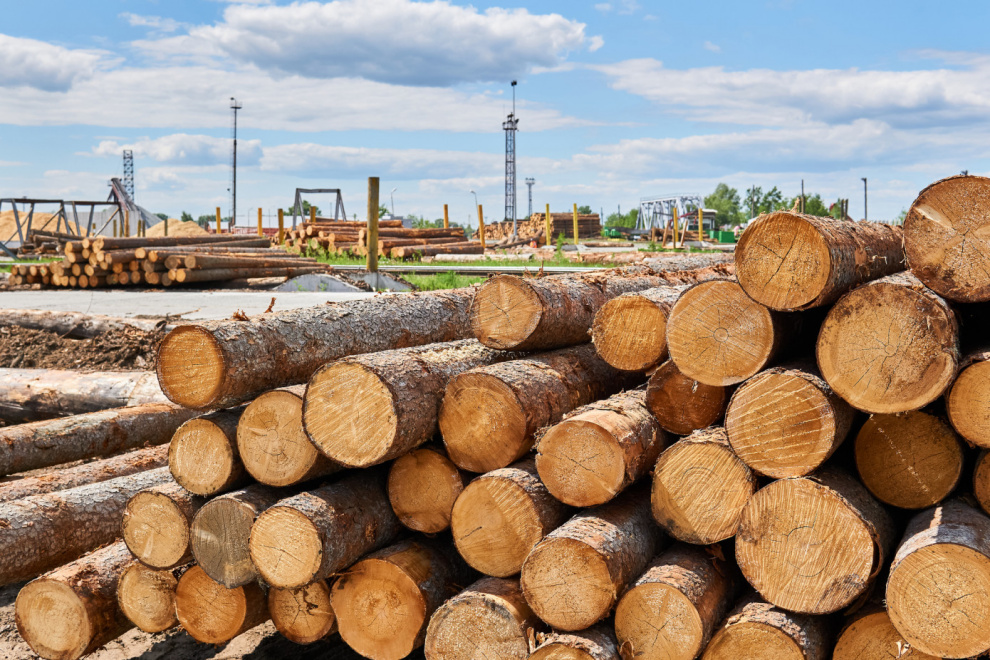
Exports of logs from Lithuania downed 4%.

Price for logs exported from Norway dipped 3%.

The company has already reduced 80% of purchases from affected suppliers and will cut 95% by March 2026, leaving 0.50% of its virgin fibre sourced from the region.
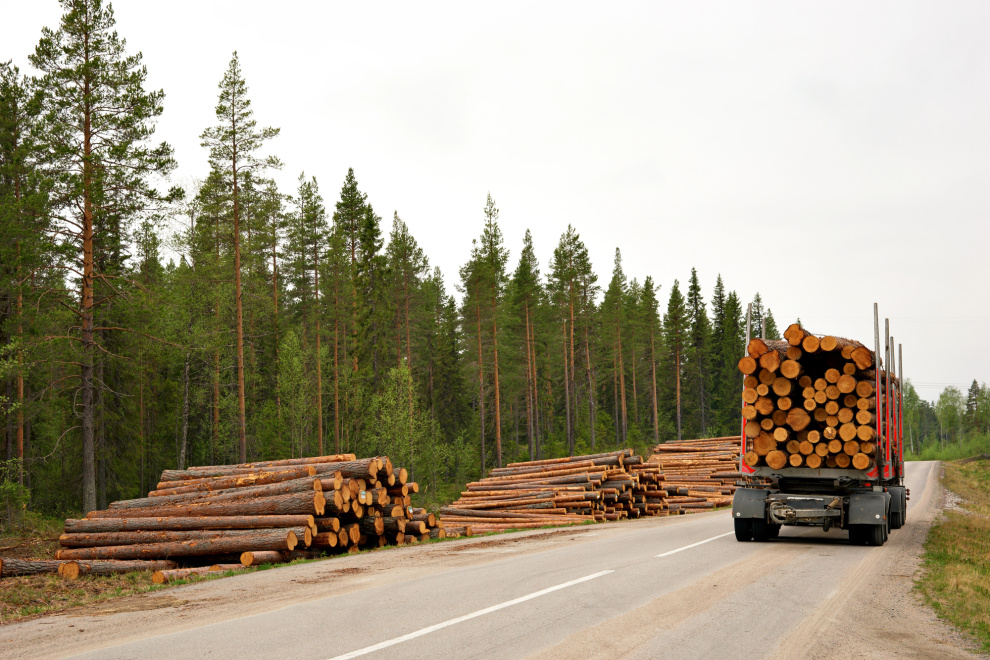
Total timber stocks decline 8%, while pulp chips and coniferous sawlogs remain largely stable across timber balance areas.

Real estate EBITDA rises to $74 million; outlook indicates full-year results at or above prior guidance while Pacific Northwest EBITDA falls 26%.

Real estate segment EBITDDA surges to $63.1 million, driven by rural land and commercial acreage transactions.
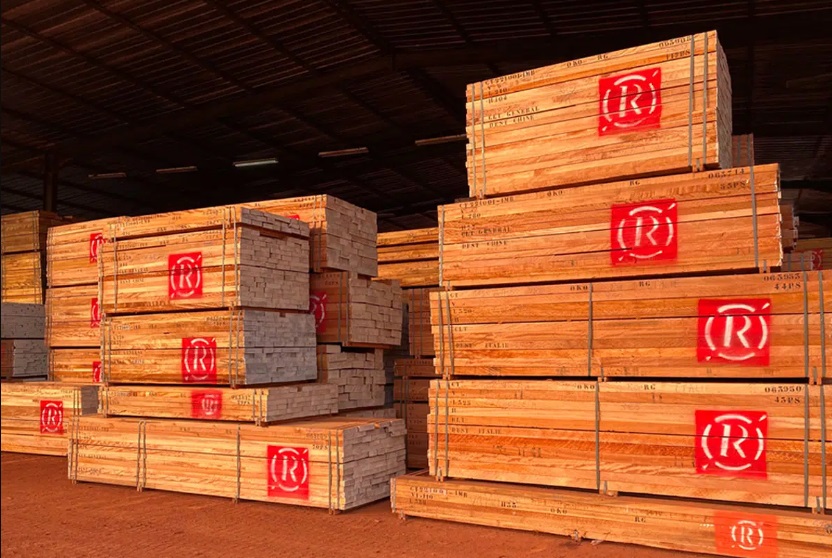
EBITDA margin narrows to 17.0% as Congolese operations face 76 days of production shutdowns due to diesel shortage.
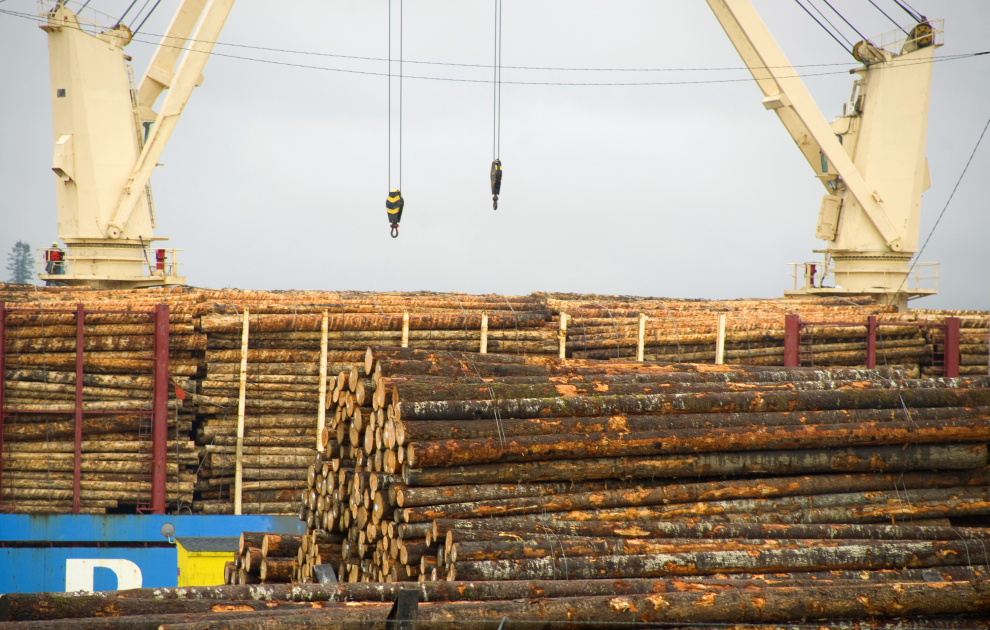
Price for logs exported from Germany to China lost 21%.
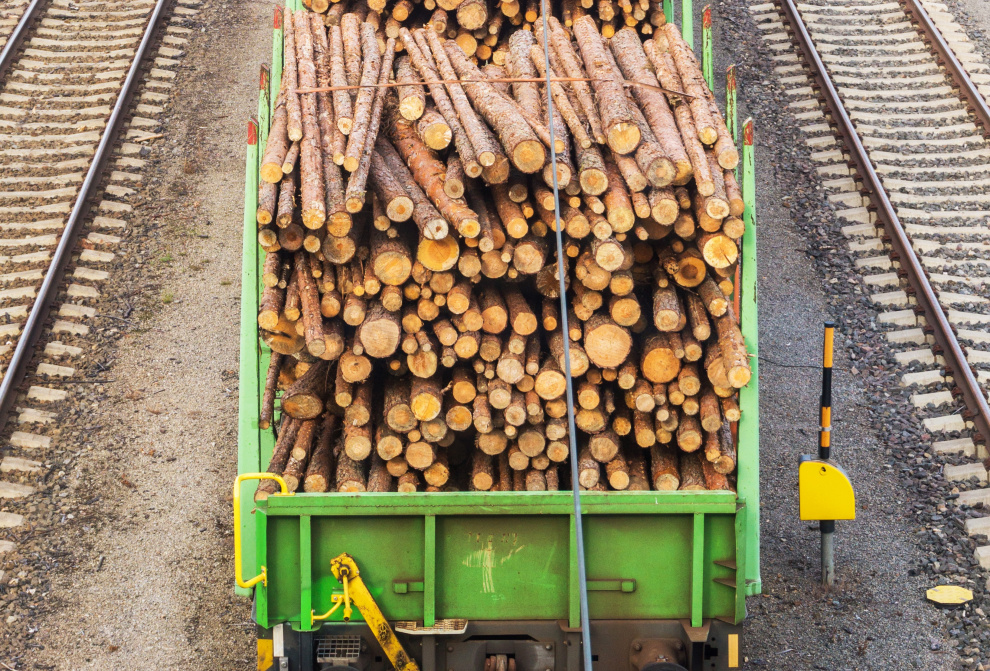
Exports of logs from Japan increased 10%.

The two Michigan cities are designing shared policies and infrastructure to convert fallen trees into reusable local resources.

Price for logs imported to Japan expanded 17%.
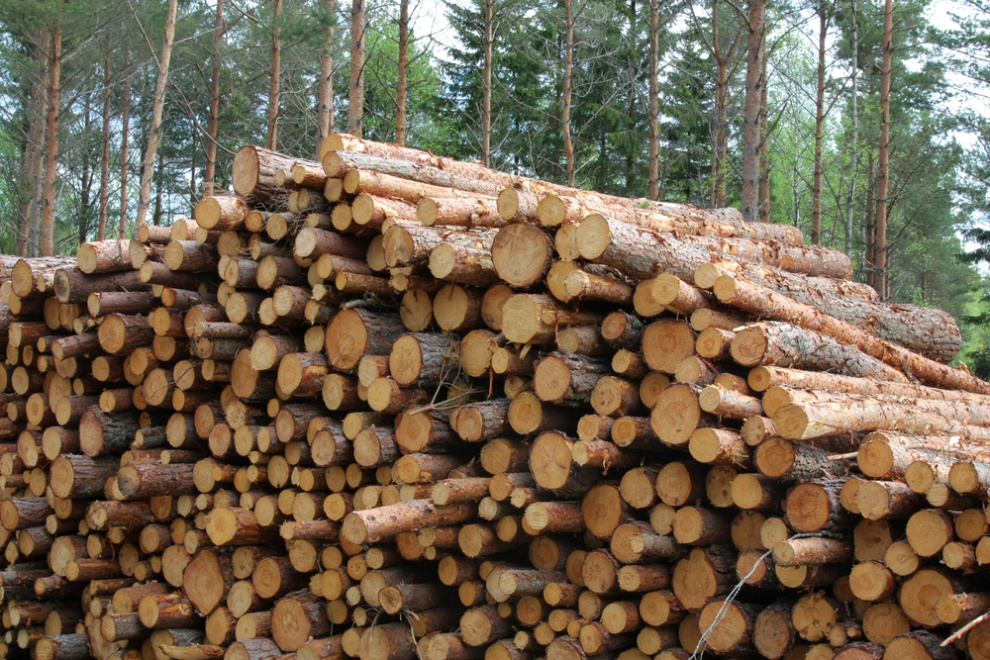
Cumulative purchases for January–September are two-fifths below last year as logging residues and delimbed stems volumes decline.

Softwood log imports decline by 13.0% in January–September 2025.
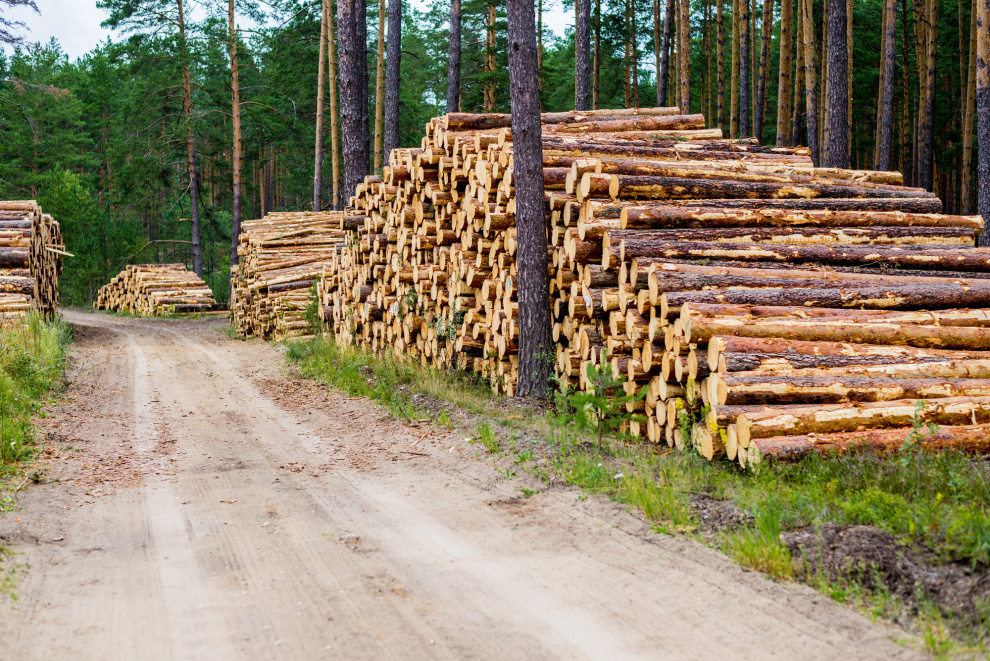
Result before tax reaches Euro -5 million as lower volumes and higher digital costs weigh on margins; 24 million seedlings planted during the 2025 season.

Wood panel and lumber prices rise month-on-month as year-on-year declines narrow.
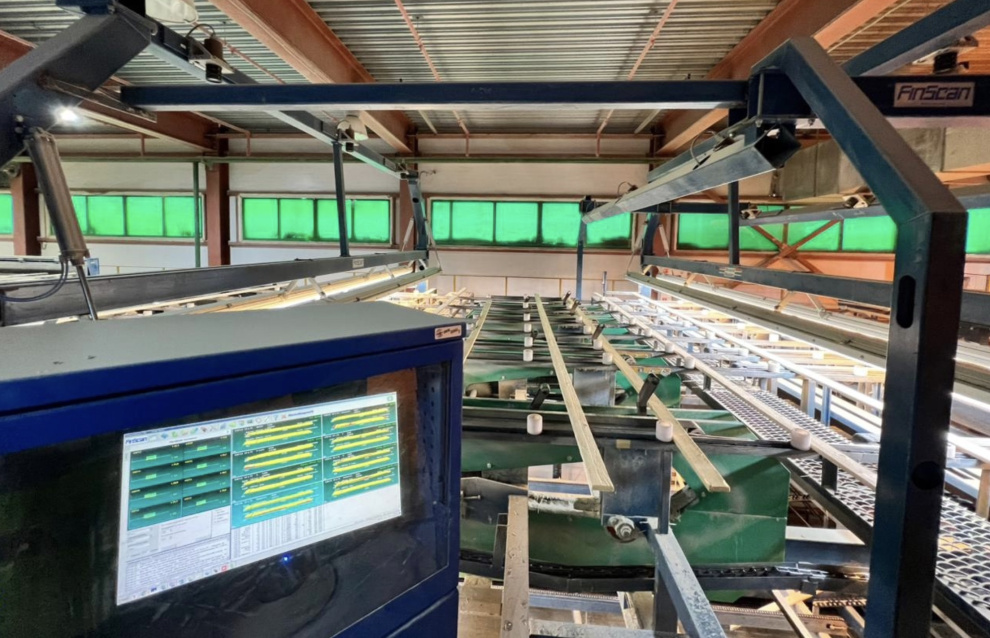
Rising costs, blocked access to road-building materials, and equipment shortage undermine Russia’s forest sector raw material base.
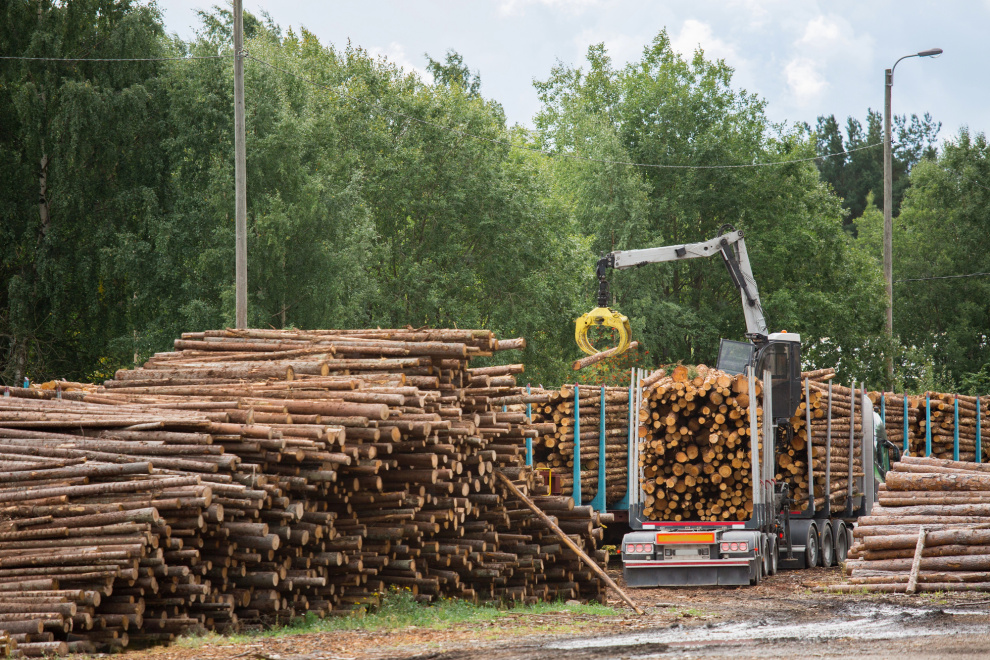
Signatories include CEPI, CEI-Bois, COCERAL and Bioenergy Europe citing supply chain-wide compliance issues.
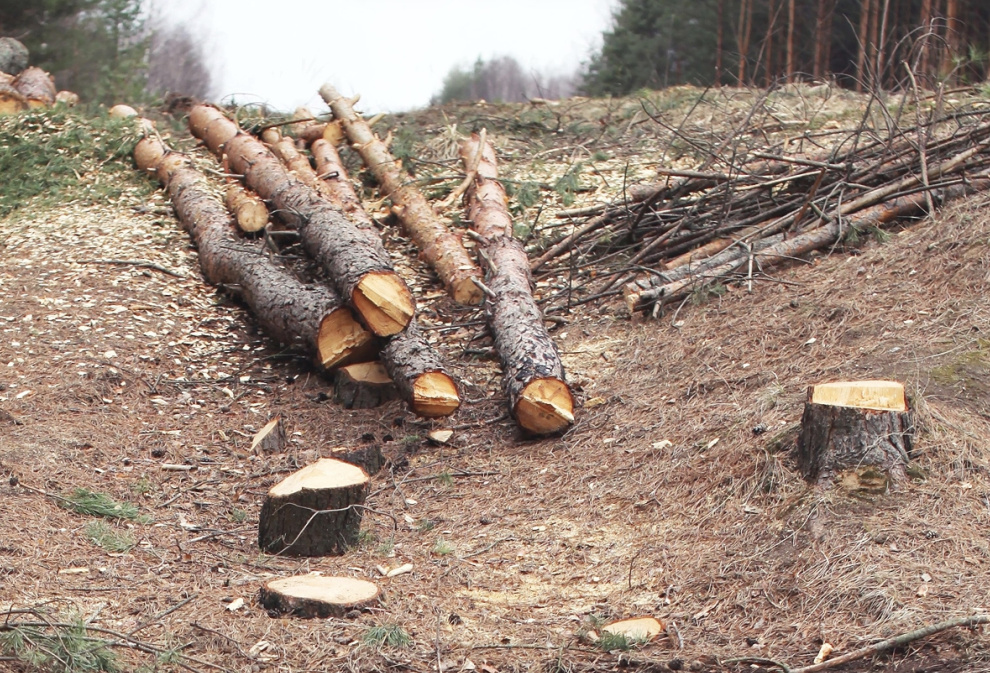
Forests in Irkutsk and Moscow regions clear-cut under guise of Defense Ministry sanitation work.