
Custom cabinet sales rise 12.2%, semi-custom fall 9.0% and stock fall 13.6%, while cabinet quantity drops 11.4%.
Custom cabinet sales rise 12.2%, semi-custom fall 9.0% and stock fall 13.6%, while cabinet quantity drops 11.4%.

September brought a 4.8-month supply of homes, while prices recorded their 39th consecutive month of year-over-year gains.

The most extensive scenario could affect wood volumes equal to annual use at one to two pulp mills and 15 industrial sawmills.

Mill closures have reduced pulpwood outlets, while weak housing and construction activity has reduced demand for hardwood products.
The 15-year fixed mortgage rate also increased, reaching 6.42% from 6.26% a week earlier.
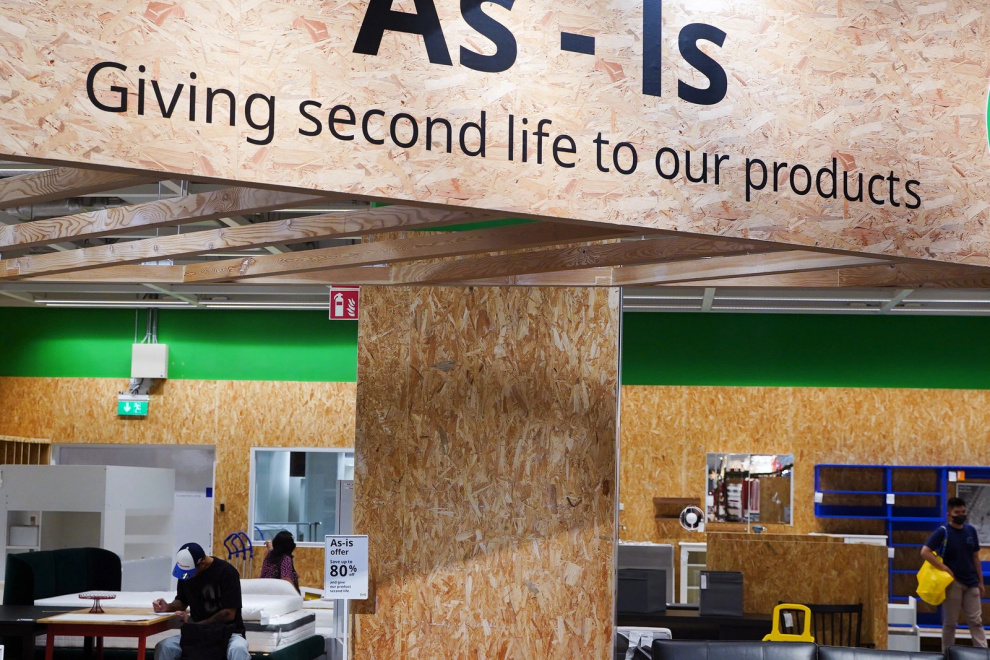
The company sees an opportunity to divert waste wood from energy production and reuse it as material for new products.
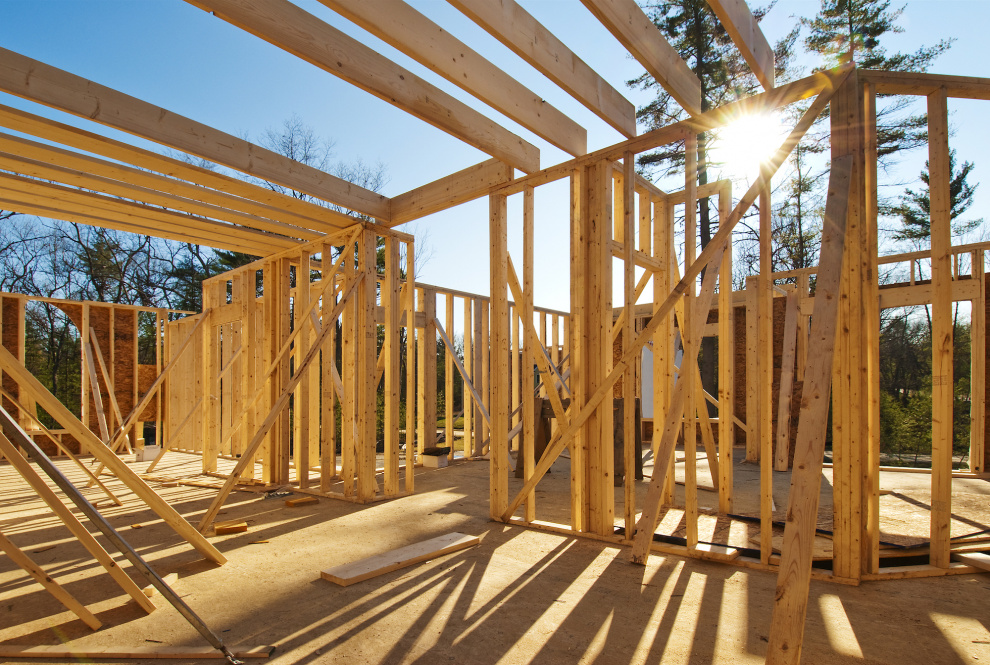
About 947 thousand wood-framed single-family homes were completed, while steel-framed completions reached about 5 thousand.

Companies want third parties to conduct forest assessments instead of relying solely on state-controlled Roslesinforg and seek protection from lease termination over delays or quality disputes.

Dealers report higher supplier prices, reduced Canadian shipments and longer lead times after the duties took effect.

Several producers improved results, while mill closures reduced Nordic lumber capacity and production.
Inventory reaches 1.62 million units, while the median existing-home price rises 1.6% from a year earlier.
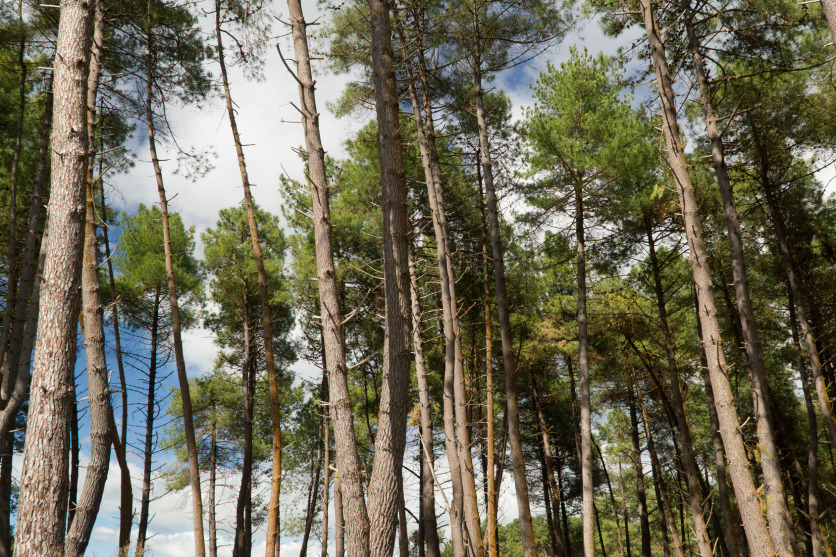
Regional constraints, limited plantation expansion and infrastructure barriers will restrict how much additional softwood roundwood reaches markets.
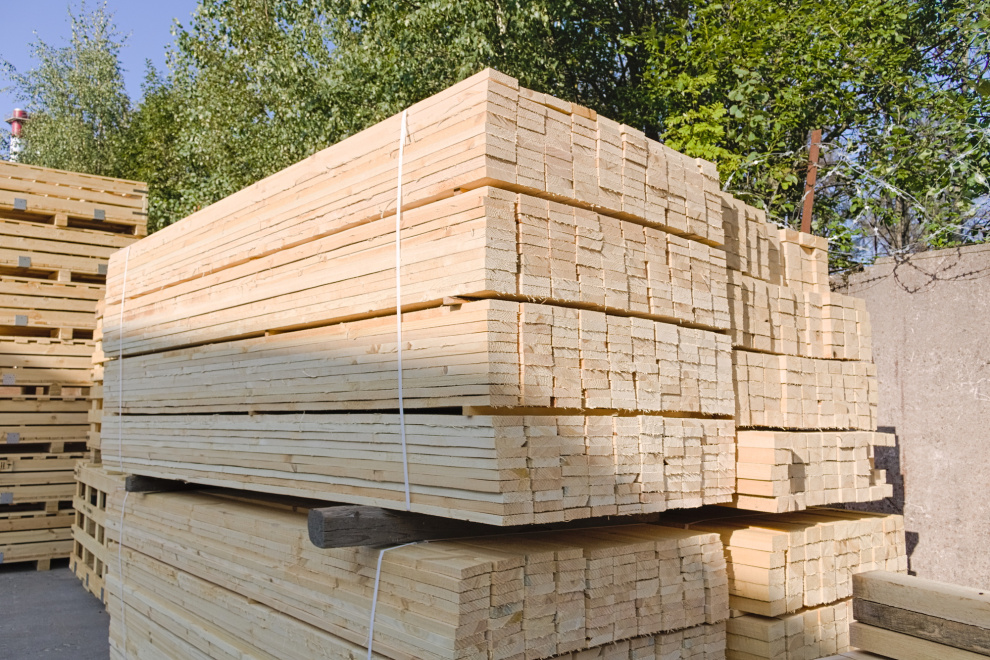
Weak construction demand, higher freight costs and regulatory requirements are putting pressure on sawmills and timber traders.

The Swedish company described current business conditions as the worst in 30 years.

Domestic sales fell 4.1%, while U.S. shipments declined amid tariffs. The industry expects full-year sales to decrease approximately 3%.

Dry conditions linked to strong El Niño events have historically increased fires and tree losses in parts of South America and Southeast Asia.
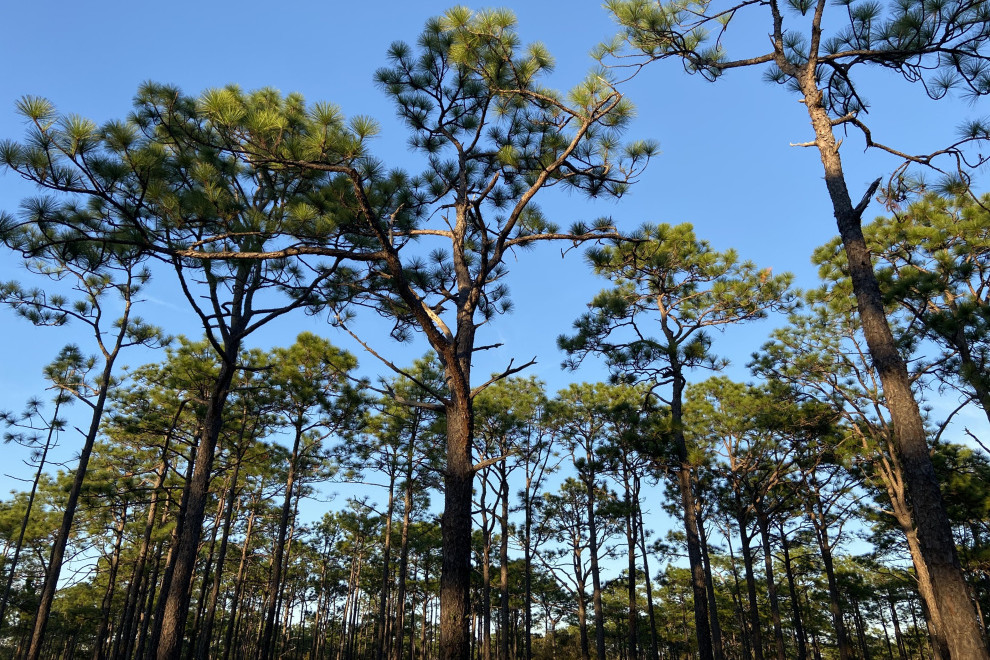
Georgia timberland owners lose buyers as mill closures cut 3% of U.S. containerboard capacity.
Lower electricity prices, weaker wood-product earnings and cautious construction demand affect operations, while board and paper deliveries improve.

Sawlog and pulpwood stocks rose in timber balance region 2, while pulp chip stocks increased in all regions.
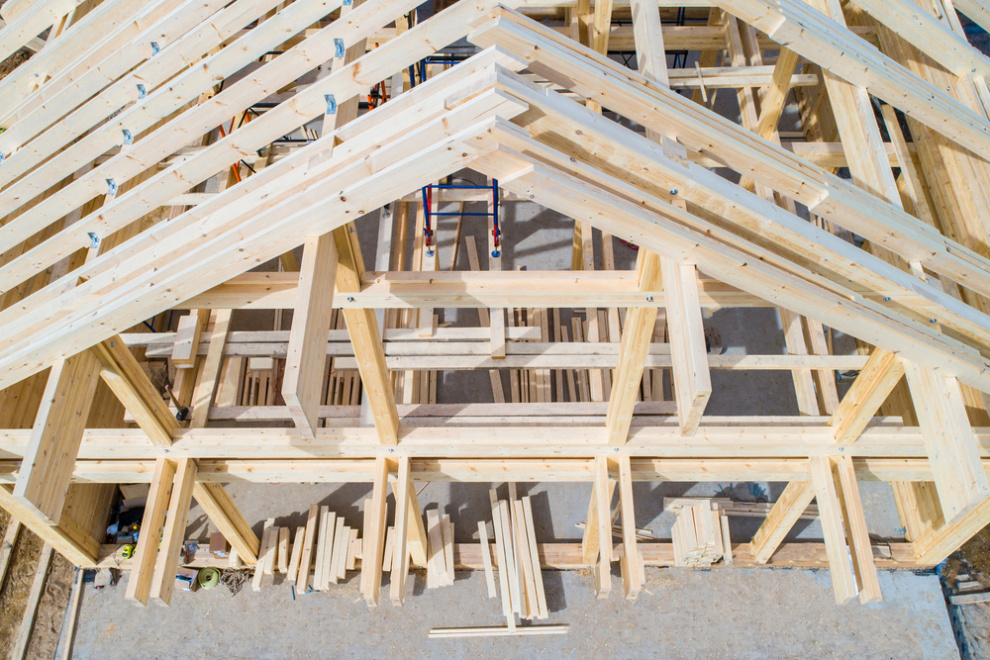
Single-family starts fell 6.9% year to date, while starts in buildings with five or more units rose 11.9%. The July rate was the second-lowest monthly level of 2026.