The U.S. Trade Representative has determined that several Brazilian acts, policies, and practices are actionable under Section 301 and has proposed tariffs of 25% on all goods of Brazil, with specified exemptions and an annex of excluded products. The determination and proposed action appear in a notice by the Office of the United States Trade Representative.
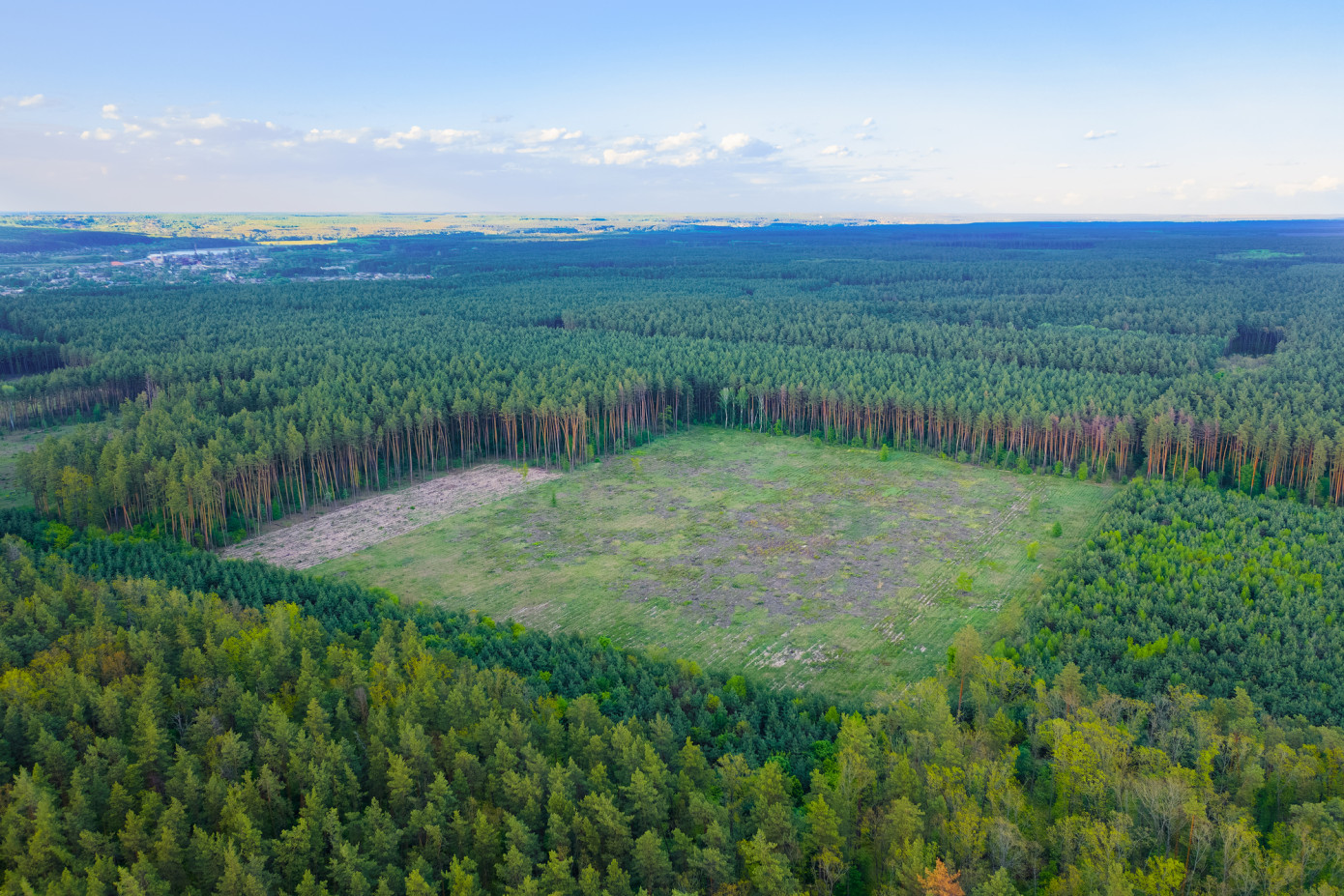
The determination covers multiple areas, including illegal deforestation, and states that timber and agricultural production linked to illegal deforestation can burden U.S. commerce by lowering costs for competing products and distorting prices. The notice describes timber-sector fraud risks, including the laundering of illegally harvested timber through supply chains, and states that illegally sourced timber products can devalue legally sourced timber prices by an estimated 7% to 16%.
On wood-related findings, the notice references concerns that Brazilian products, including lumber and wooden furniture, may be made with timber harvested illegally and exported to the United States or other markets. It also describes limits in auditing and verification under Brazil’s Forest Code registration system and states that official documents may not be sufficient to show Amazonian timber was harvested legally.
Trade data from Lesprom Analytics for January–May 2026 show Brazil’s wood-product exports to the United States included wood pulp at 1.22 million tons valued at $507 million, plywood at 278 thousand m3 valued at $81 million, lumber at 306 thousand m3 valued at $80 million, and wood furniture at 693 thousand pieces valued at $41 million.
The notice sets a public comment schedule that opens June 1, 2026, with requests to appear at a hearing due June 22, 2026, written comments due July 1, 2026, and a public hearing scheduled for July 6, 2026, in Washington, D.C.