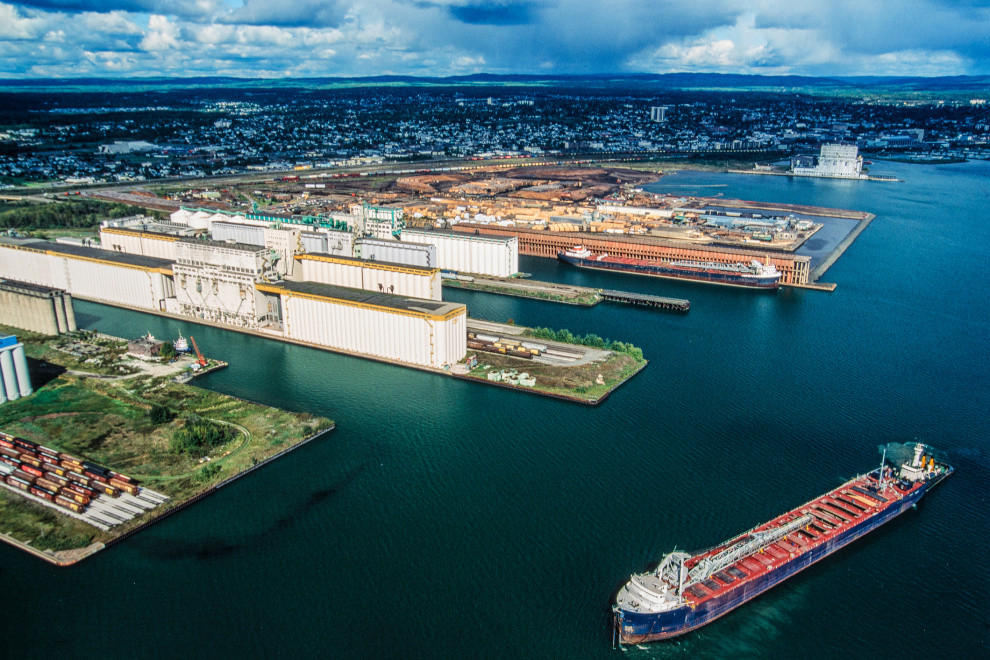
Thunder Bay Pulp and Paper plans boiler and chemical-plant upgrades expected to raise daily kraft production by 11% and increase its use of forest biomass.
Thunder Bay Pulp and Paper plans boiler and chemical-plant upgrades expected to raise daily kraft production by 11% and increase its use of forest biomass.
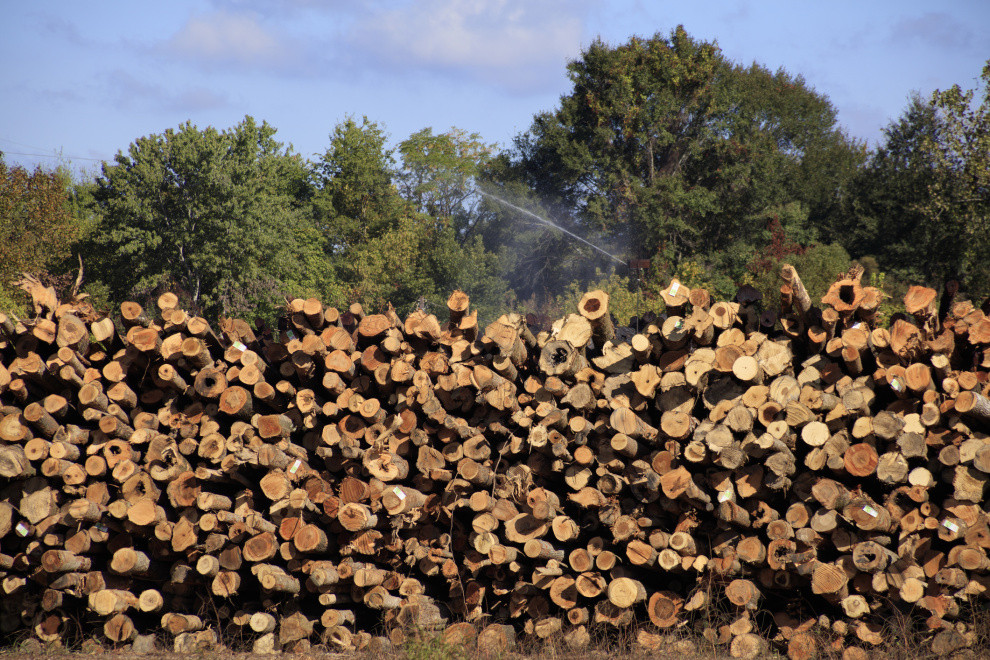
The agreement covers prescribed fire, timber and fuels treatments, longleaf pine restoration, wildlife habitat and invasive species management across ownership boundaries.
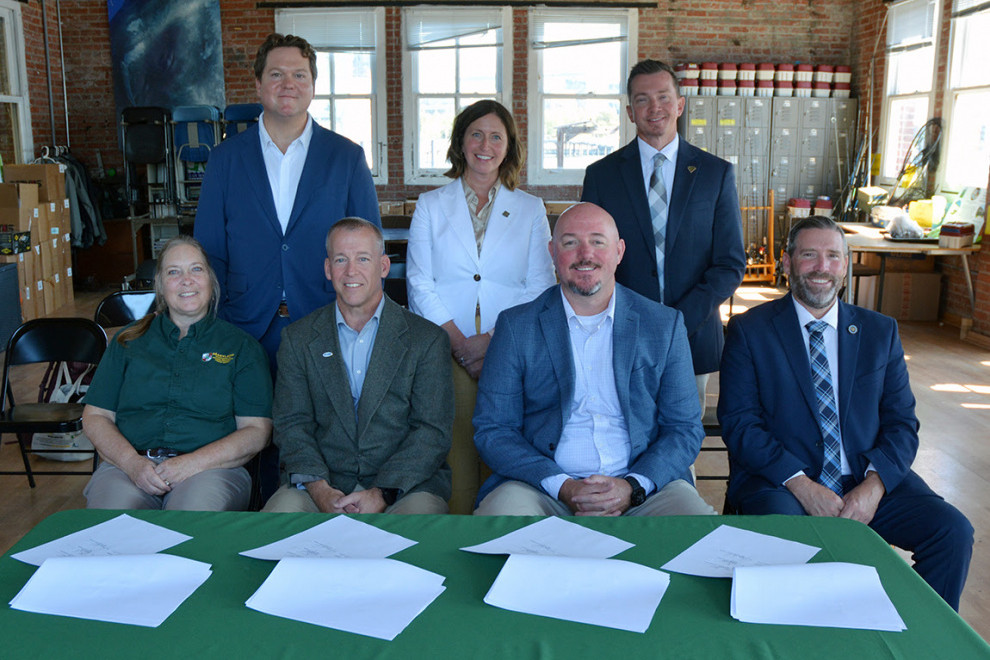
The five-year agreement covers conservation, restoration and active forest management across the 64,000-square-mile watershed.
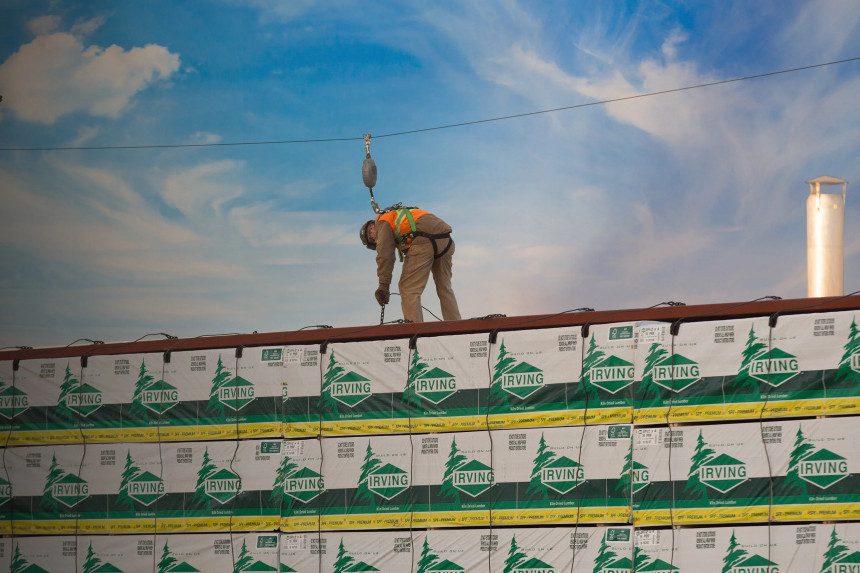
The Ashland Sawmill project is expected to create and retain the equivalent of 220 permanent full-time jobs.
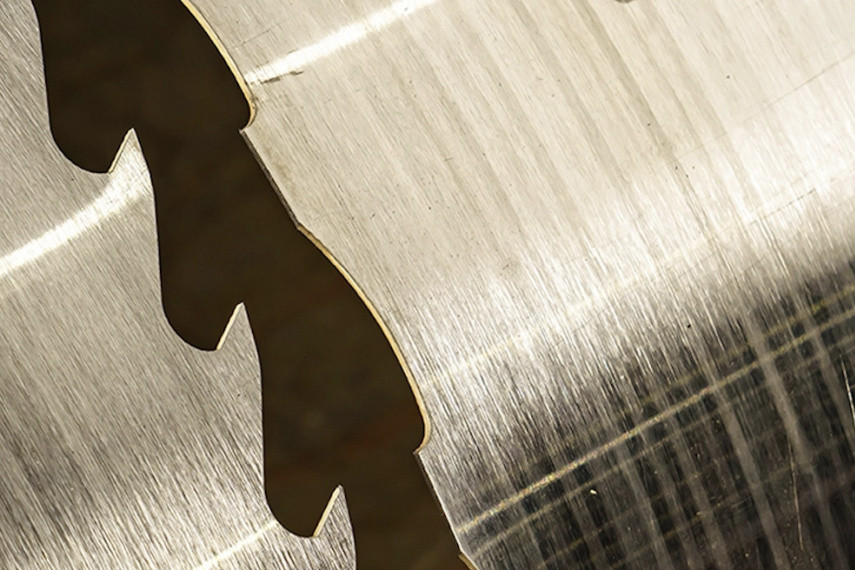
Customers will keep their existing brand relationships while gaining access to a broader range of cutting products and expertise.
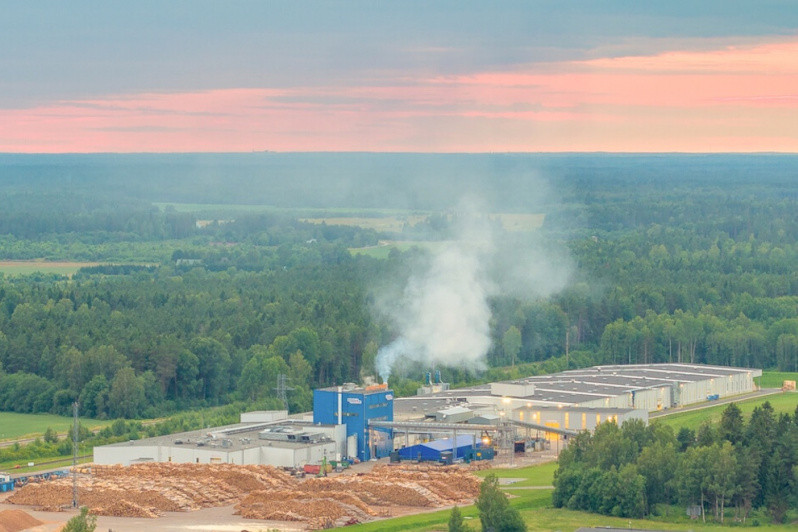
The Estonian mill will add and modernize veneer and plywood production lines, with start-up scheduled from autumn 2027.

The additional capital will fund selective acquisitions and value-creation projects across existing and future timberland holdings.

The mill will start at 80 million board feet annually and reach 108 million board feet at full capacity.
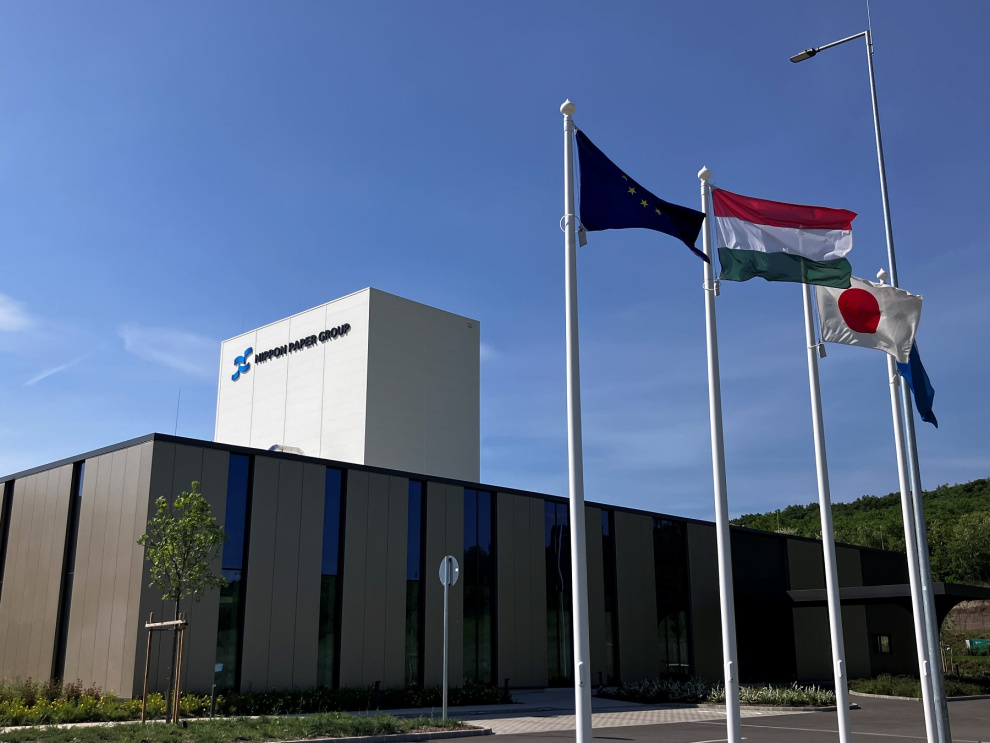
NPCE subsidiary in Hungary faced EV market slowdown and intensifying global competition.
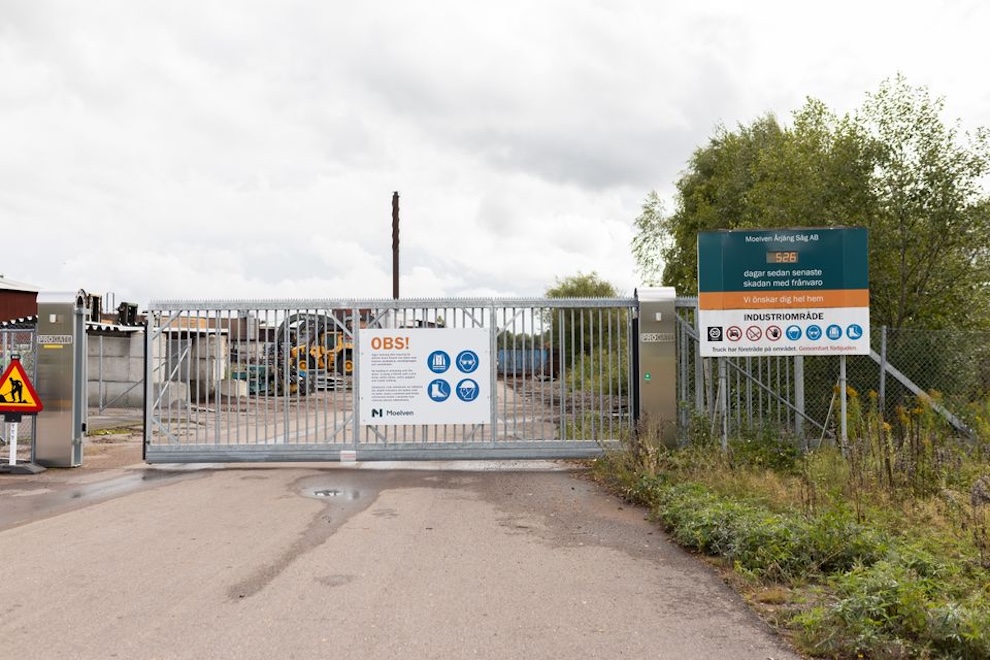
The planned closure will remove about 110 thousand m3 of annual lumber production.
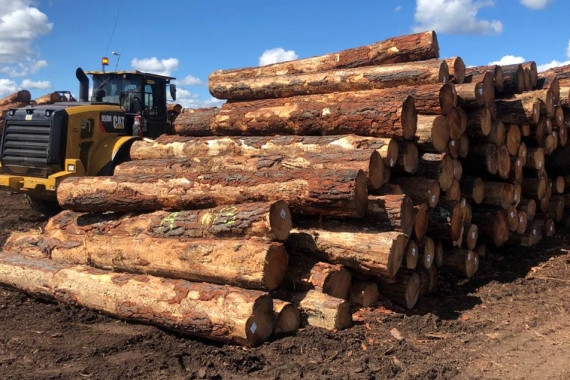
The funding will support wood-product processing, innovation, workforce development, plantations and timber import compliance.
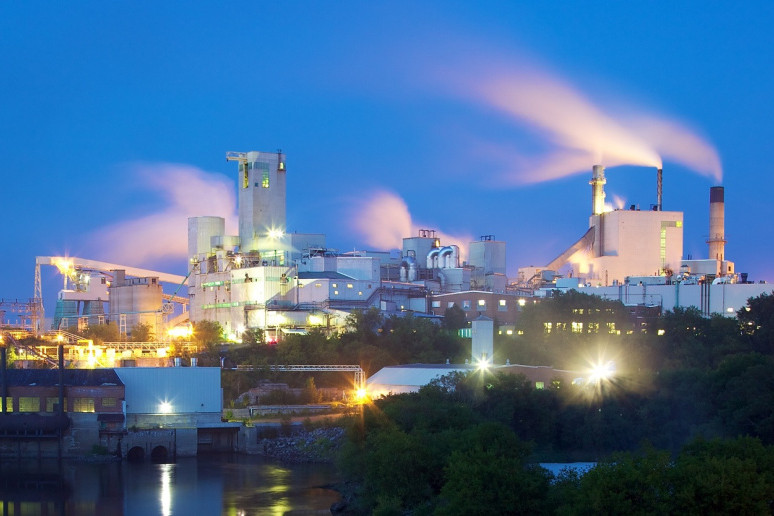
The mill, formerly operated by Domtar, was idled in 2024 after the company announced plans to close the facility.
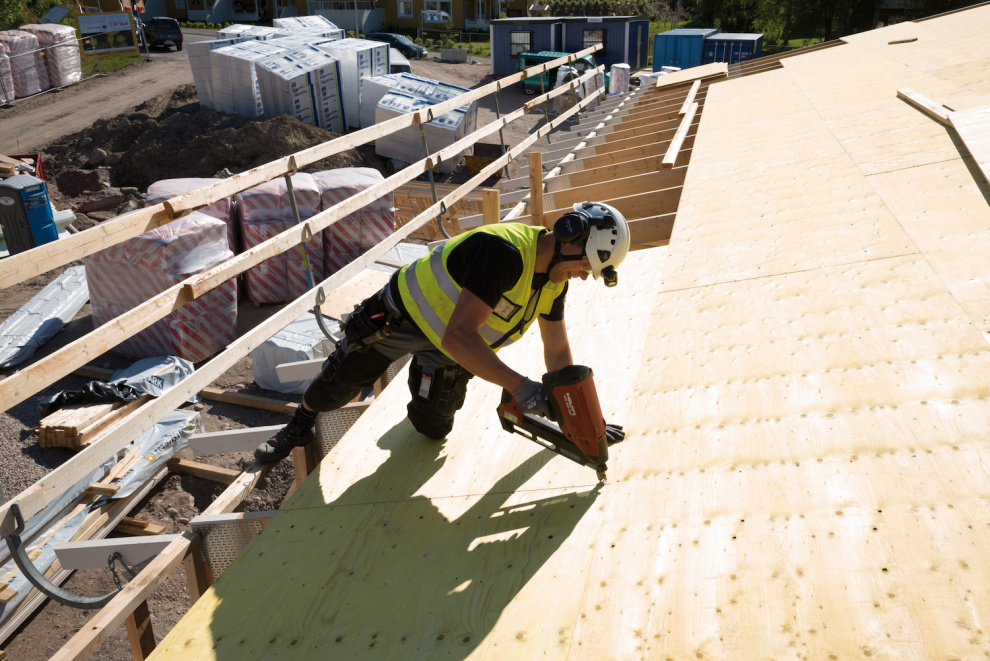
The new company is planned to take over UPM’s plywood business after the October demerger and is expected to begin trading in November.
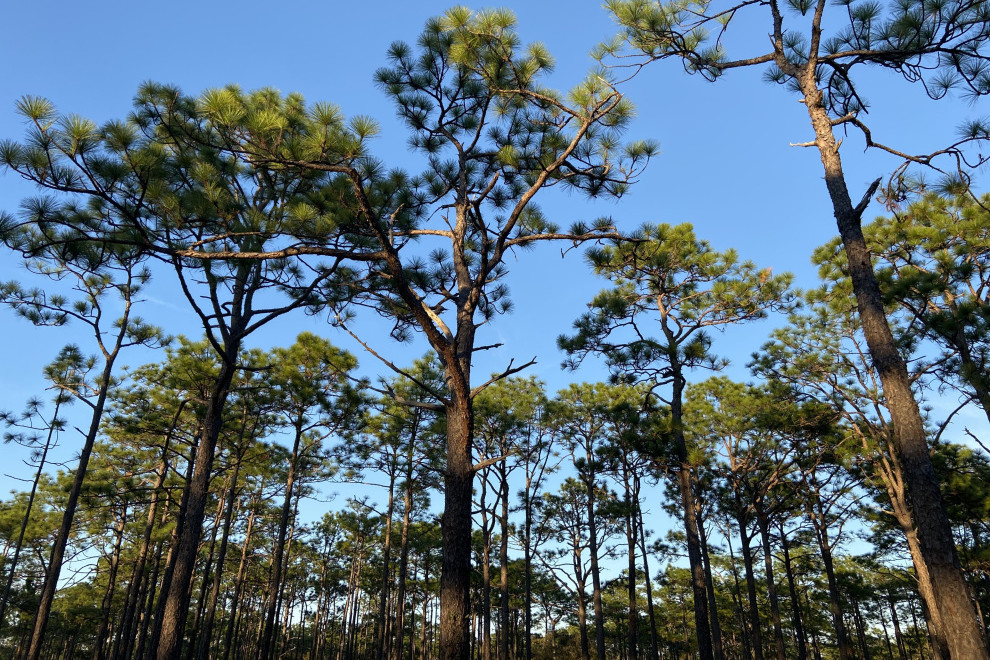
Georgia timberland owners lose buyers as mill closures cut 3% of U.S. containerboard capacity.
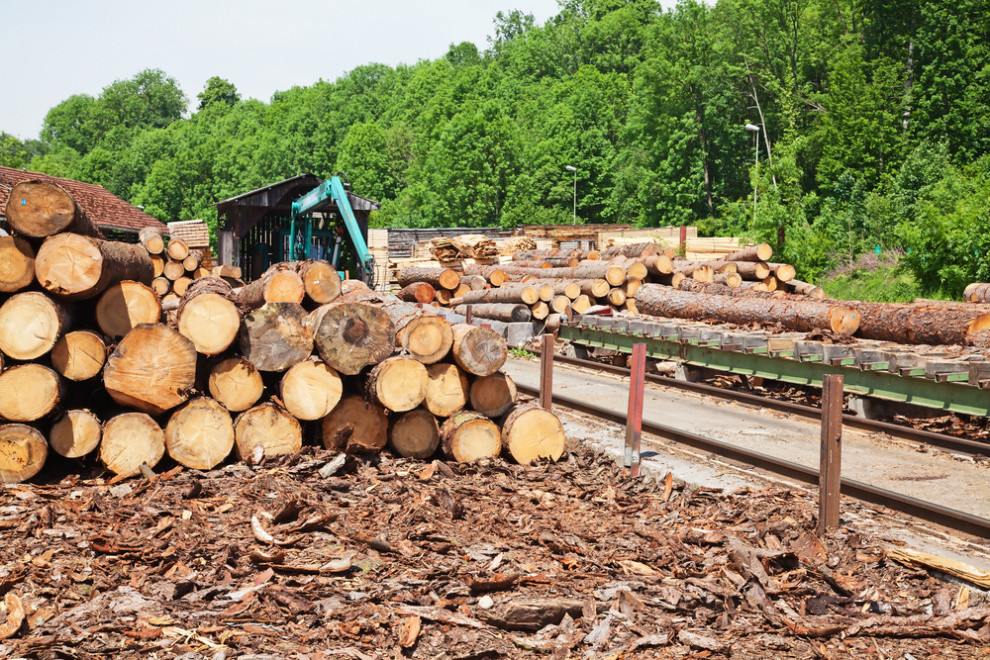
The plan aims to expand domestic wood supply after softwood log imports fell from 12.2 million m3 in 2000 to 1.6 million m3 in 2025.
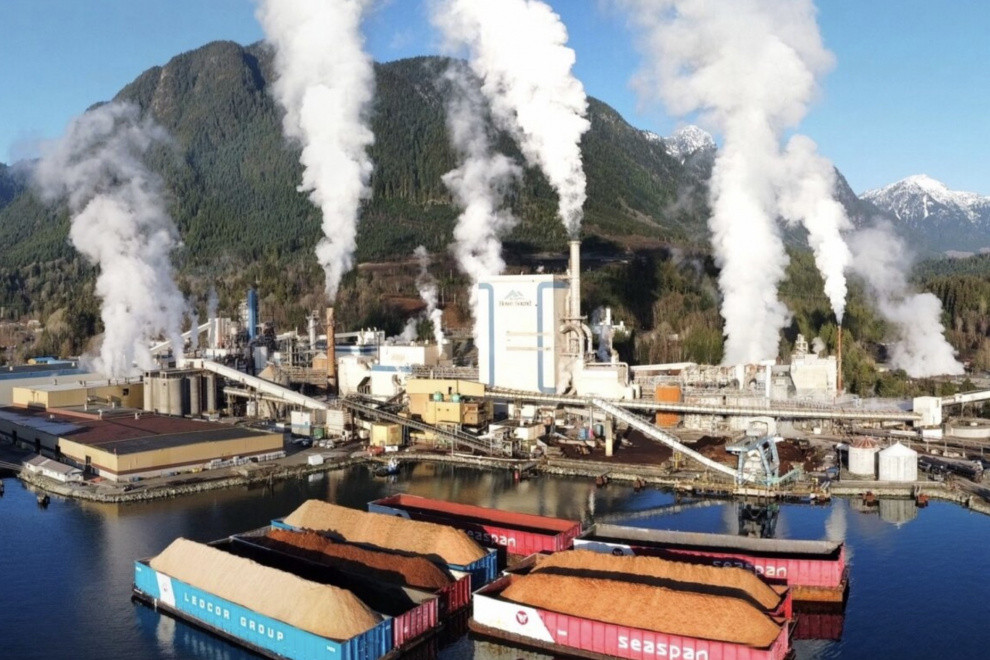
The closure affects workers, families and businesses on British Columbia’s Sunshine Coast.
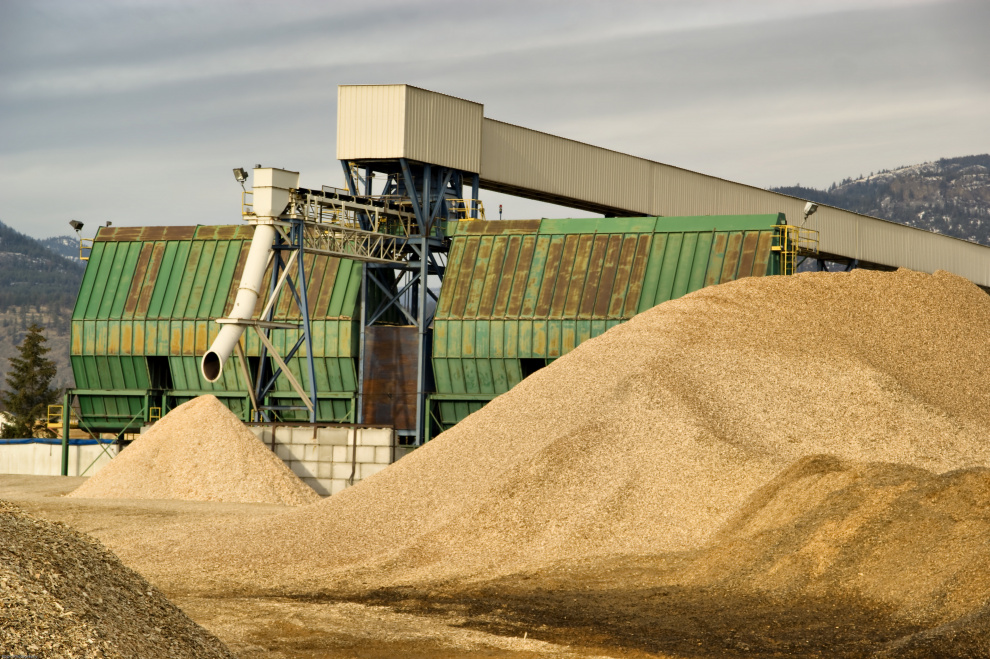
Funding will connect private forest owners with businesses using mill by-products and underused wood.
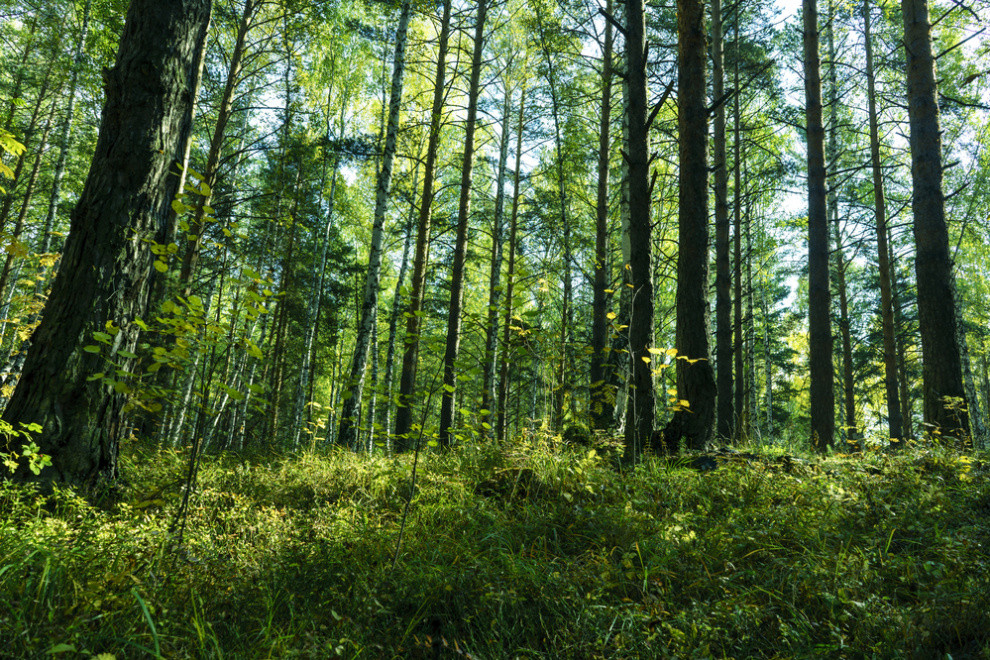
The proposal would return decisions on inventoried roadless areas to local national forest managers under existing laws and planning rules.
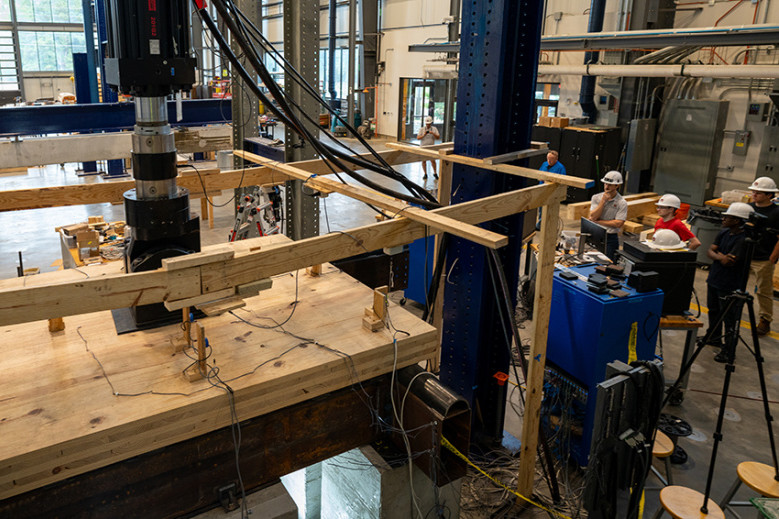
The project will test prefabricated structures designed for transport, rapid assembly and cold-weather deployment.
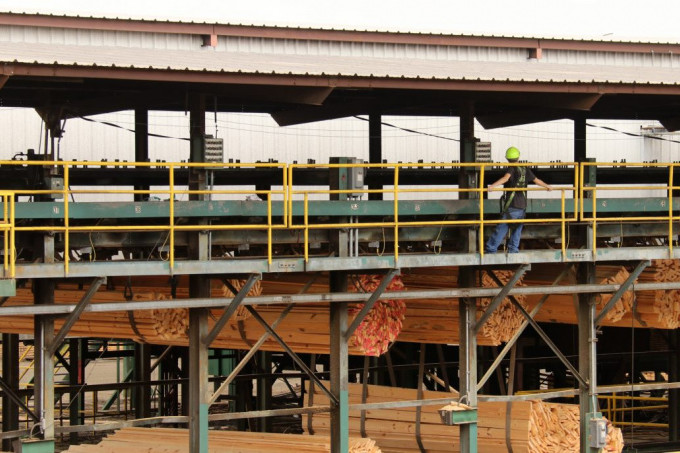
Canadian softwood lumber producers expect difficult conditions through 2026 as weaker demand, production curtailments and U.S. trade costs pressure operations.