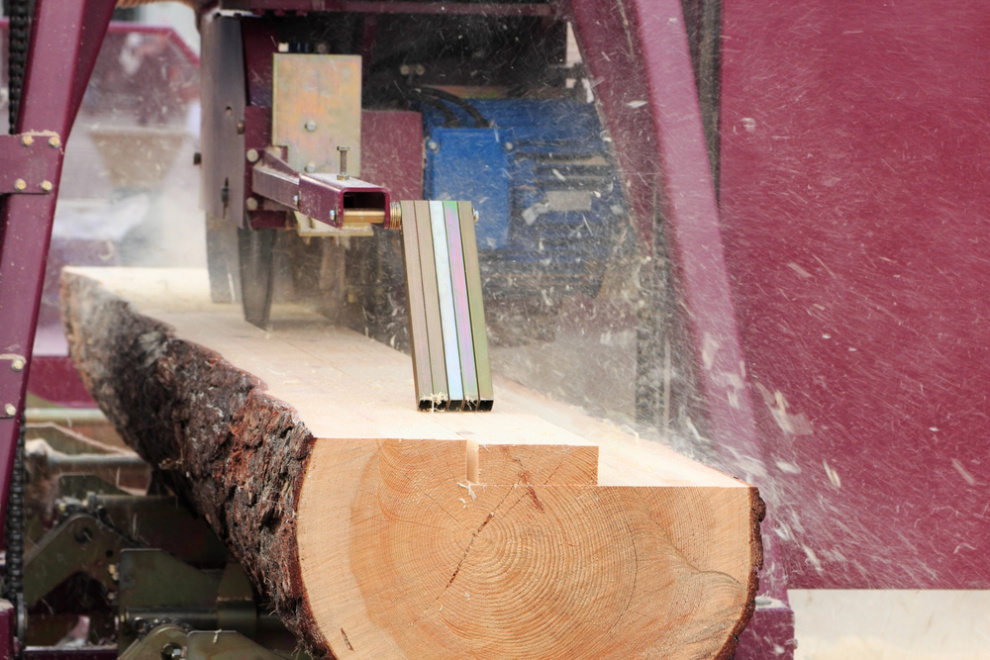
Revenue and costs fell 14.6% and 14.3%, respectively, in January-July 2026.
Revenue and costs fell 14.6% and 14.3%, respectively, in January-July 2026.
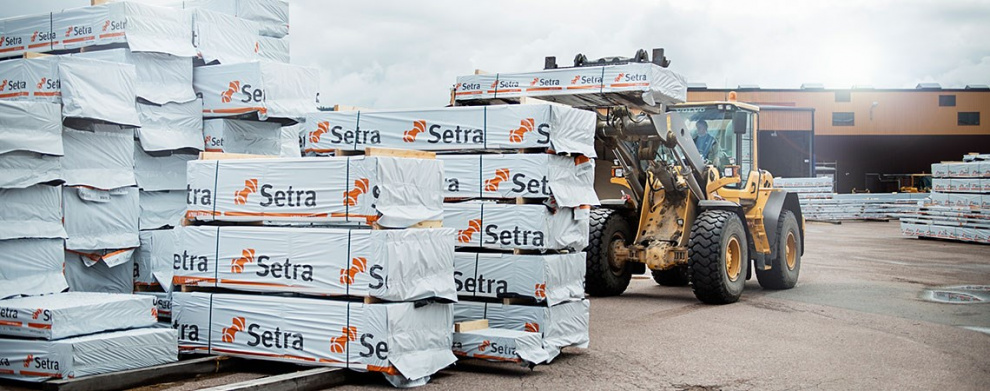
Setra's Q2 operating profit turns positive to SEK 15 million ($1.6 million) on falling timber costs and internal efficiency
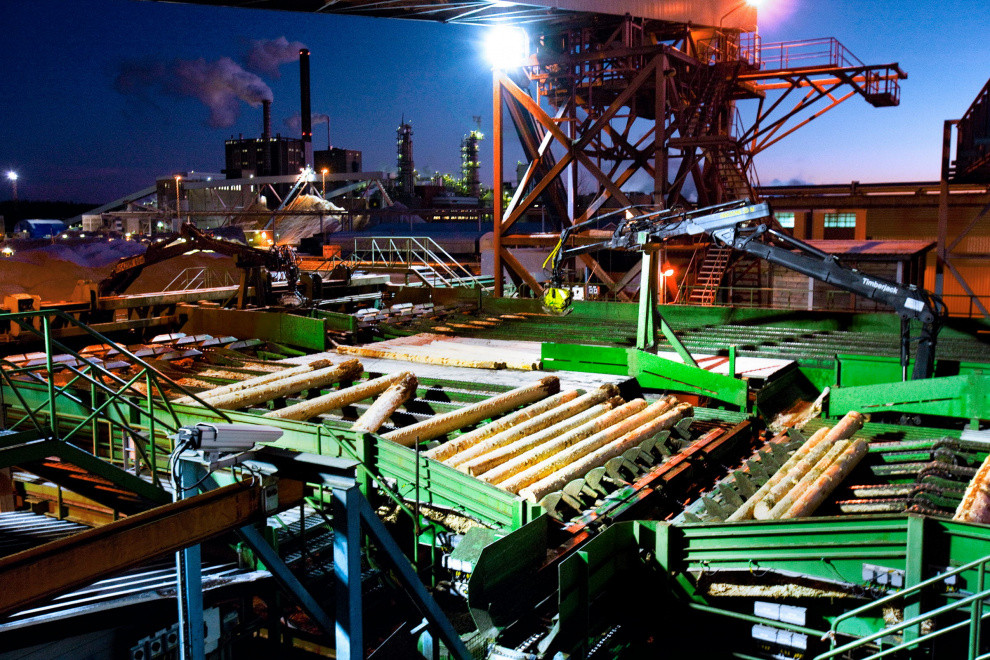
Lower electricity prices, weaker wood-product earnings and cautious construction demand affect operations, while board and paper deliveries improve.
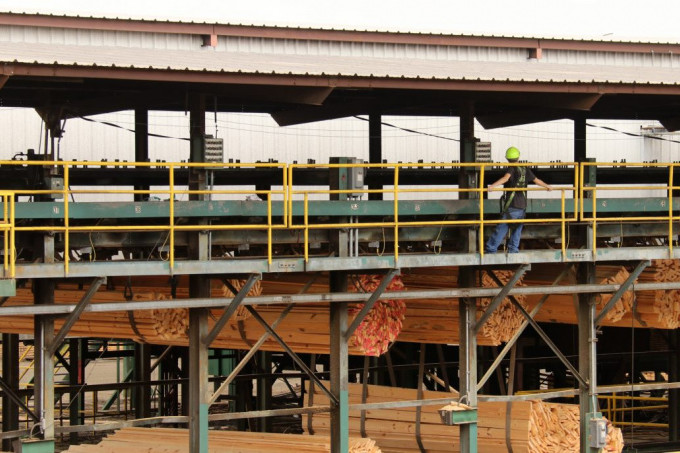
Canadian softwood lumber producers expect difficult conditions through 2026 as weaker demand, production curtailments and U.S. trade costs pressure operations.
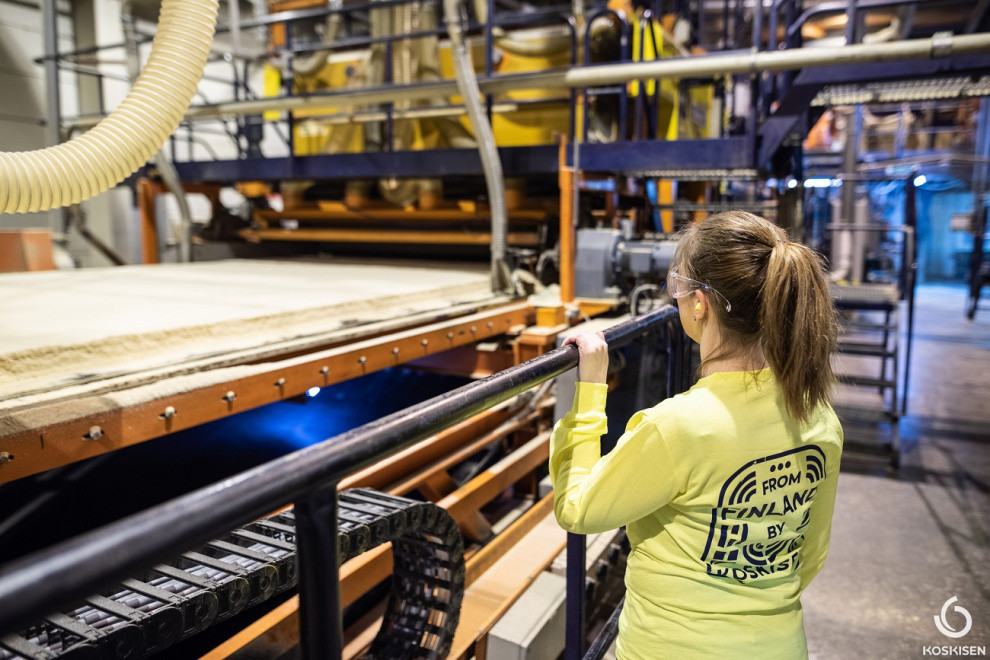
Higher lumber deliveries lifted sales, while high wood and logistics costs and weak chipboard demand reduced earnings.

Economic uncertainty is delaying equipment orders, while cost savings are reducing customer maintenance activity and Services demand.
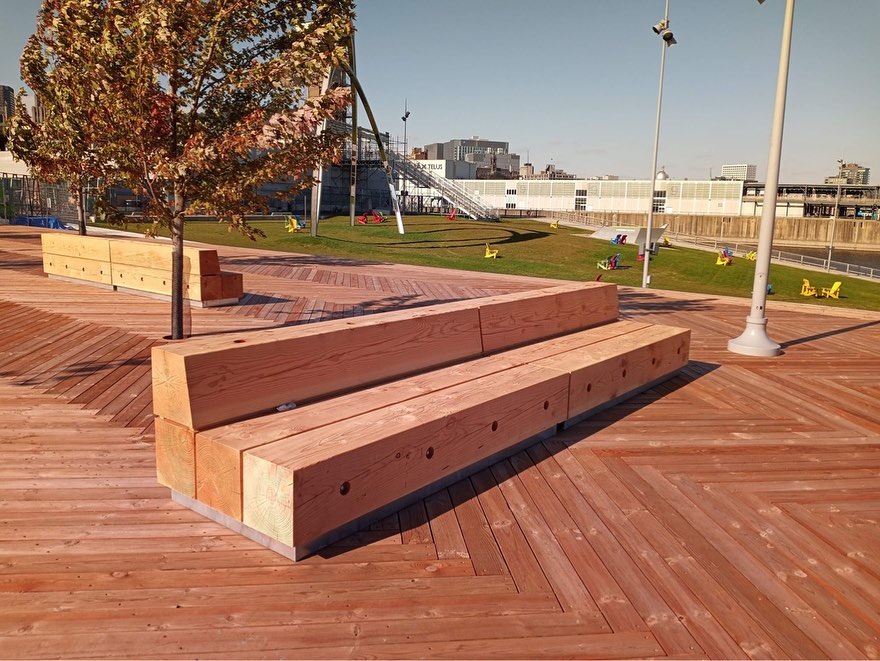
Q2 2026 net earnings decline to $2.1 million as customers maintain disciplined purchasing approach.
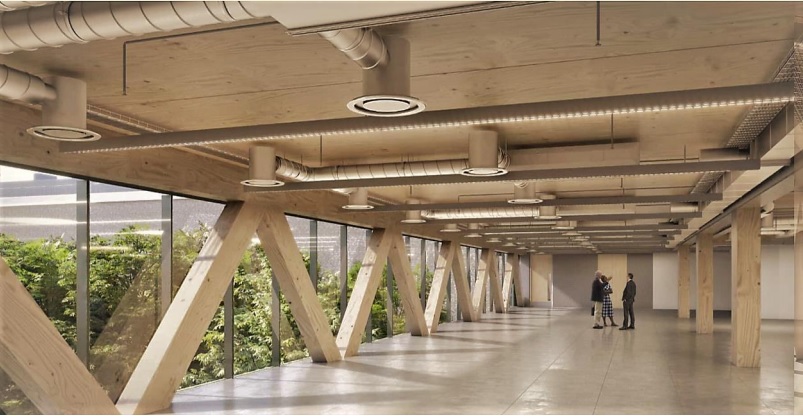
Existing U.S. builders posted lower deliveries and prices, while timber manufacturing turned loss-making even as housing volumes rose in Australia and Japan.
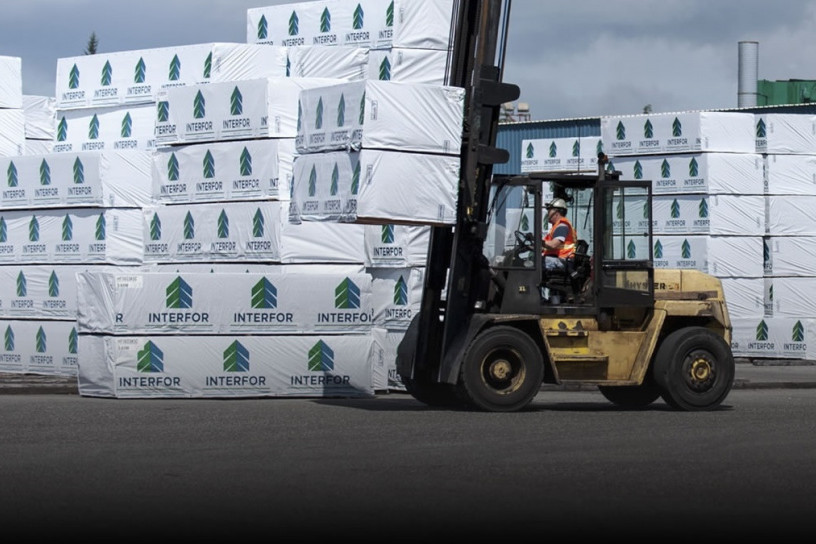
Industry curtailments and seasonal demand lift lumber prices, while higher output and lower unit costs improve operations; duty rates remain a risk for the second half.
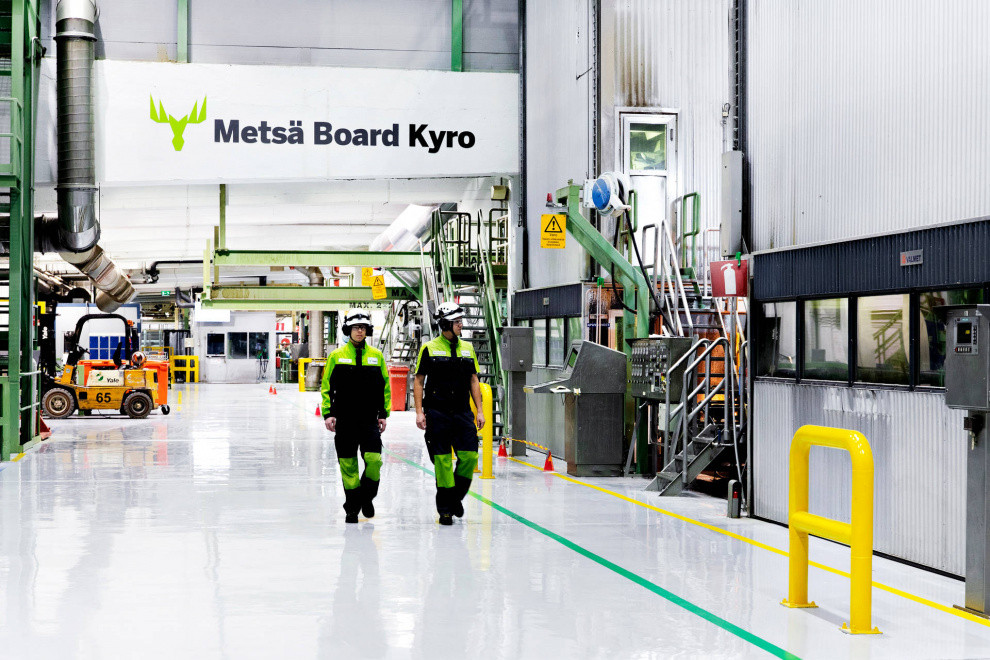
Lower wood and fixed costs partly offset weaker pulp and paperboard prices, while maintenance shutdowns will reduce third-quarter earnings.
A full quarter of acquired operations and increased real-estate sales outweighed weaker Southern timber prices.
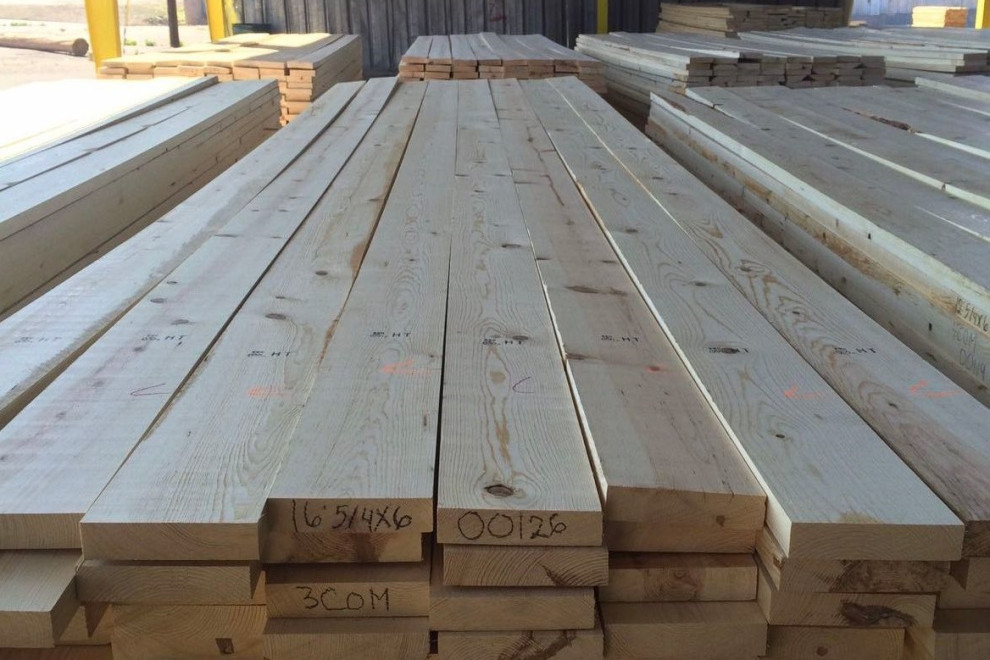
Second-quarter sales rose despite weaker housing starts, while the company expects affordability pressures, volatile pricing and subdued residential construction to continue influencing operations.
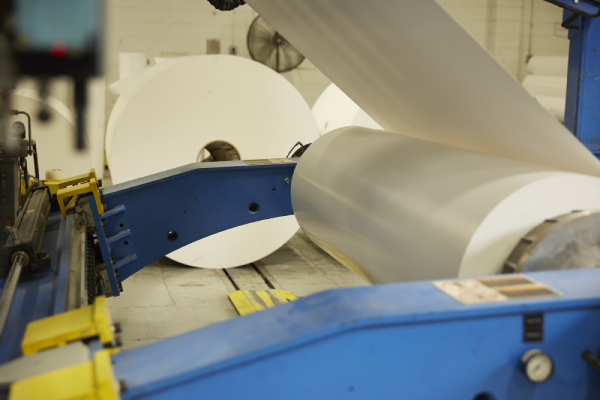
Paperboard volumes rise 8% as company restructures Cypress Bend facility and reduces net debt by $59 million.

North American box volumes grow as company completes Riverdale conversion and NORPAC acquisition.
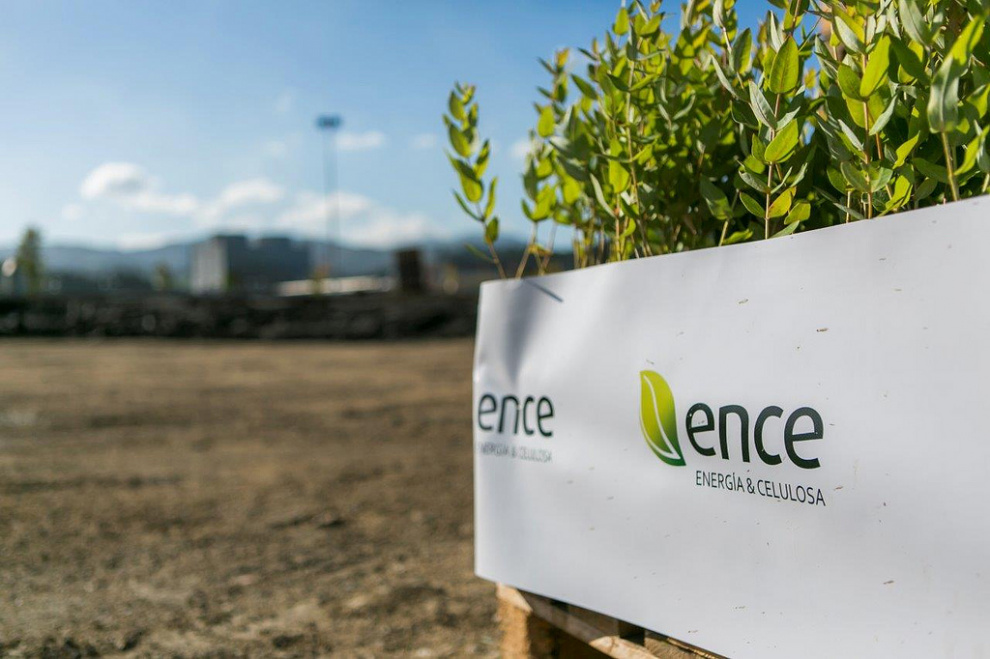
Consolidated EBITDA rises 16% to Euro 27 million; speciality pulp sales increase to 34% of total.

Higher lumber volumes and western log realizations helped counter transportation, fuel, freight and resin cost pressures.
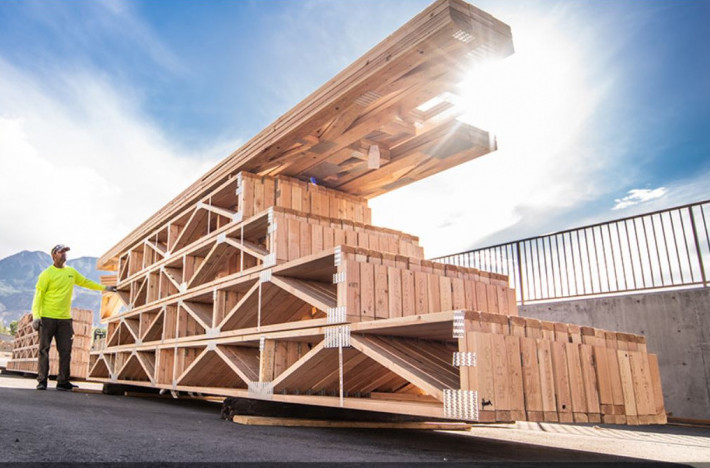
Lower housing starts, affordability constraints and commodity deflation reduced second-quarter sales, margins and operating leverage.
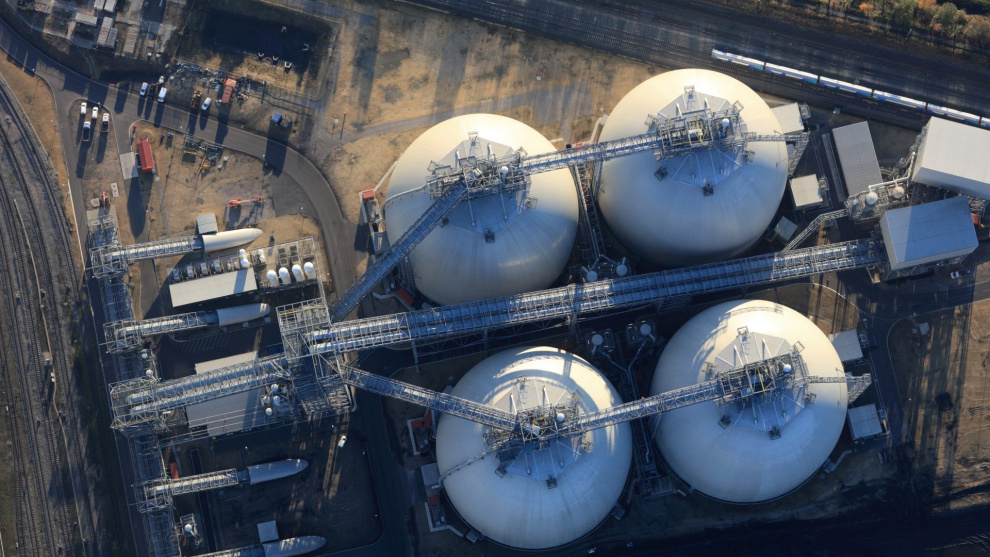
Canadian fibre constraints reduced margins, while lower U.S. costs cut internal pellet sales revenue.
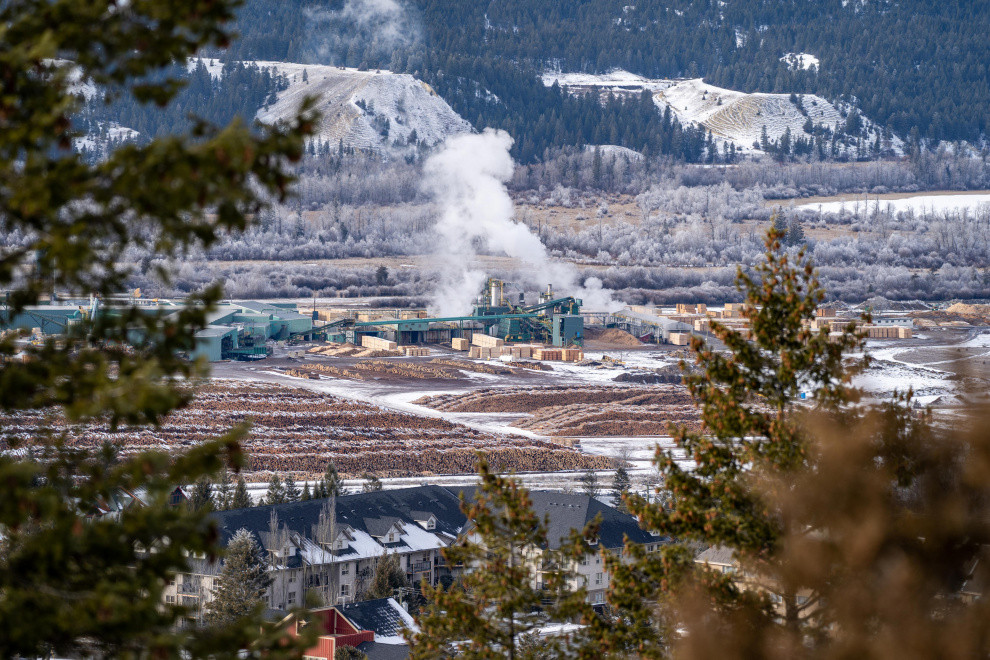
Higher lumber prices improved second-quarter operations, while weak pulp demand, elevated inventories and lower pricing increased losses and contributed to mill closures.
The company maintains lumber and panel shipment targets while continuing sawmill optimization, production improvements and capacity consolidation.