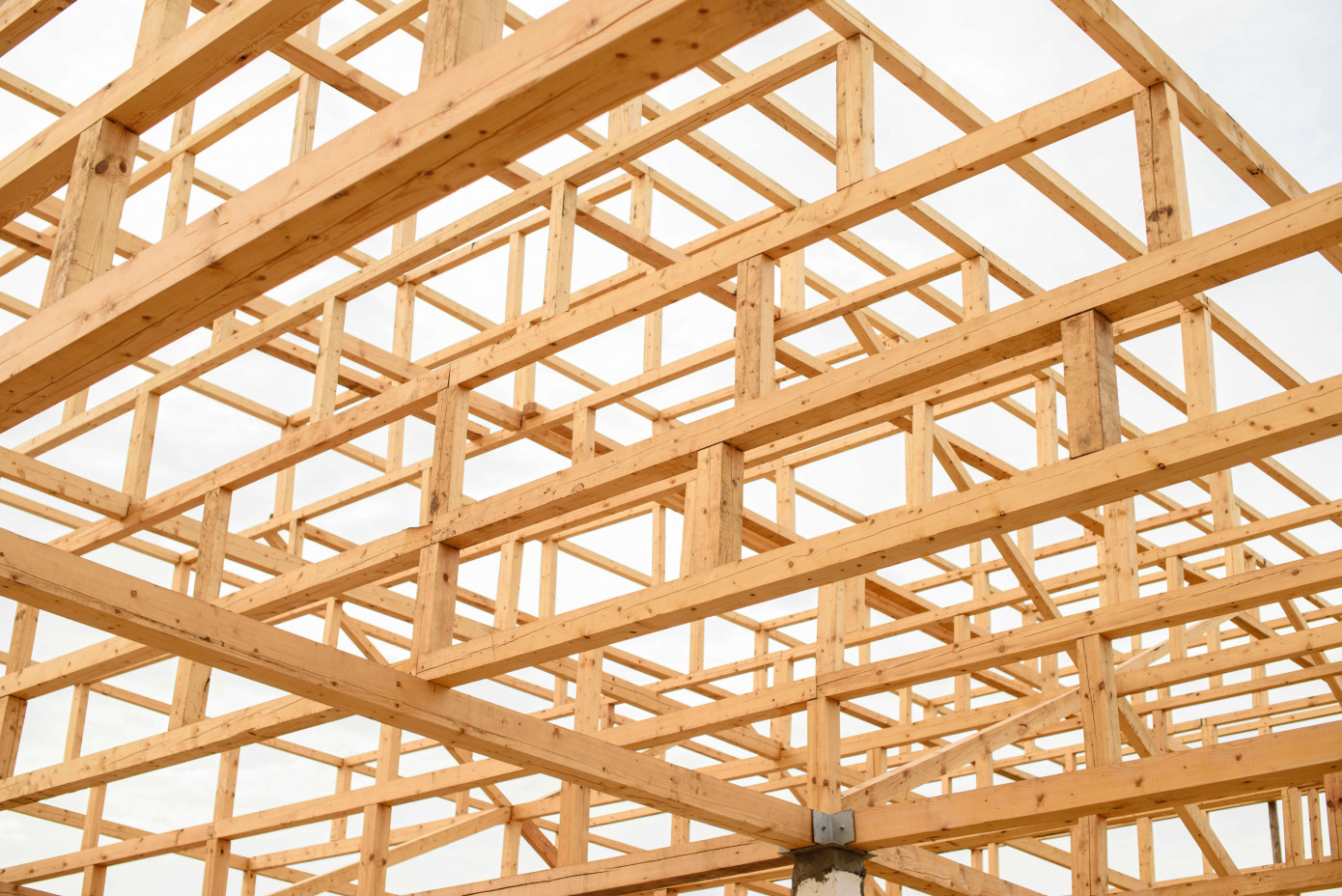
The Finnish Sawmill Industry Association is urging the government to accelerate wood construction and broaden the use of domestic wood in building, saying Finland is not using wood construction enough to raise value added for domestic wood, support investment and strengthen regional vitality. It calls for the Ministry of Economic Affairs and Employment to lead a national wood-construction program and appoint a high-level cross-government steering group, the Finnish Sawmill Industry Association reported.
The association links wood construction to Finland’s competitiveness and industrial policy and says the market’s development should be treated as part of efforts to cut emissions from the built environment. It also calls for increasing the use of domestic wood more broadly in construction, beyond wood construction in a narrow sense.
It proposes introducing life-cycle-based carbon limit values for buildings and updating construction guidance so it accounts for climate impacts across a building’s full life cycle. It also calls for climate impacts of material choices to be reflected in construction guidance and for substitution effects between materials to be considered in climate impact assessments.
The association says wood use in construction in Finland has decreased significantly over the past 20 years and that wood construction is still growing too slowly relative to national climate, growth and export objectives. It says the current regulatory and market environment does not sufficiently support faster growth in wood construction or wider wood use in building.
Public procurement features prominently, with a call to increase wood construction in public building projects and to use public procurement to develop the wood-construction market. It also calls for directing research, development and innovation funding to wood-construction innovations and the development of new wood-building solutions.
On labor and skills, it calls for strengthening wood-construction education and competence across all education levels and for closer cooperation among universities, schools and companies to meet skills needs, alongside measures to ensure skilled labor availability as the market expands.
It also calls for regulation and permitting processes to be developed in a direction it says enables investments and links wood construction to Finland’s clean-transition investment goals. It describes wood products used in buildings as a long-term carbon store and argues that emissions reductions in the built environment are progressing too slowly.