
The Siberian sawmill business had a 13.7% third-quarter margin, and the North-West business returned to profit.
本页汇集了19,389条关于俄罗斯的新闻。最新主题:Segezha Group's third-quarter OIBDA more than quadruples; Russia's Sakhalin plans $36 million wood complex to cut reliance on mainland lumber; Wildfires burn 17% more forest in Russia than a year earlier。
The Siberian sawmill business had a 13.7% third-quarter margin, and the North-West business returned to profit.

The complex is to make wood products now shipped to the island from the mainland, adding OSB and fuel pellets by 2031.

Fires shifted north from Zabaikalye and Buryatia, where most forest burned a year earlier, to Yakutia and the Krasnoyarsk region.

Sales of Russia's largest maker of pulp and containerboard fell 10%, export sales dropped 14% and operating profit shrank 68%.

The duties of 14.4% to 15.8%, in force since 2021 and extended to shipments via Turkey and Kazakhstan in 2024, stay in place while the review runs for up to 15 months.
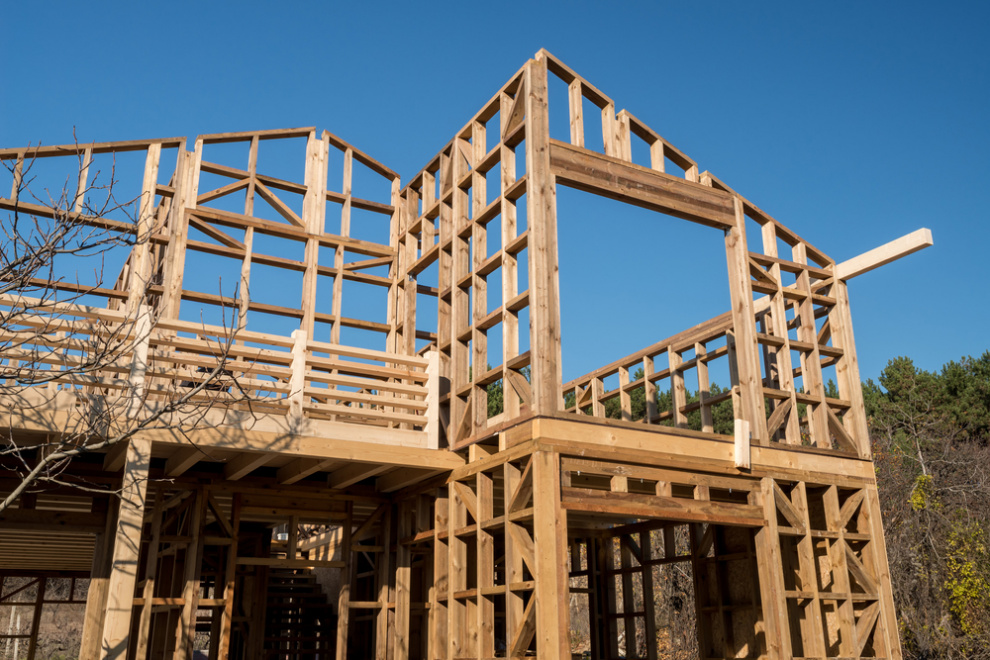
The Australian Forest Products Association estimates that up to 100,000 cubic meters of imported timber products a year may contain Russian fiber, enough for 15,000 homes, and wants testing and country-of-origin labeling.
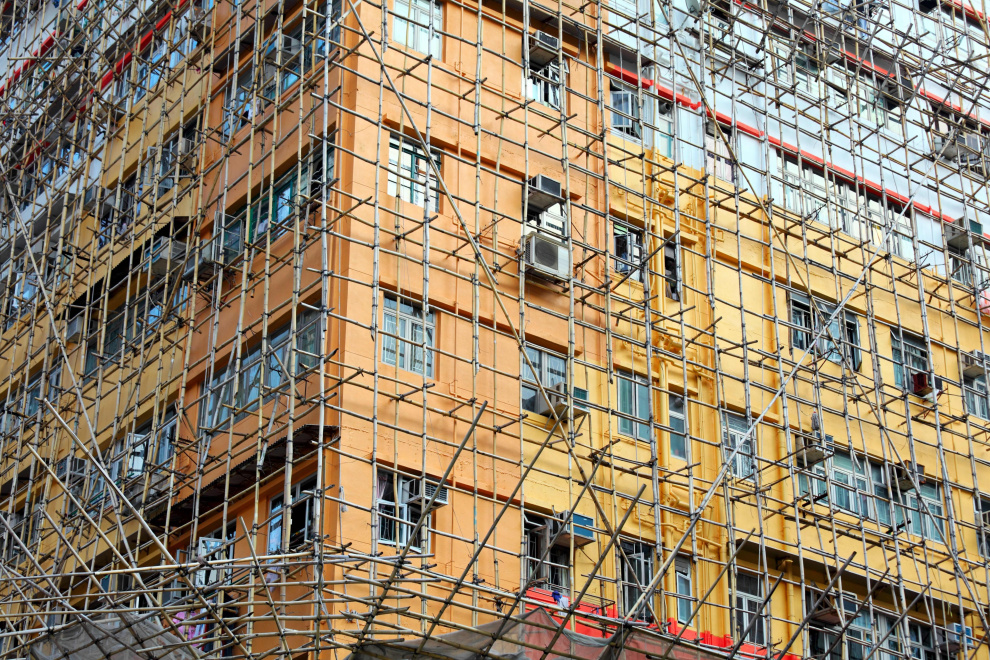
Developers launched 61,106 apartments.

The board set him the tasks of reaching a sustained positive operating cash flow, raising capacity utilization and cutting debt.

Canada remained the largest supplier as its share rose 4.1 pp; Romania's shipments rose 9.7% and Germany's fell 48.6%.

Pulp and paper producers swung to a loss, and 56.2% of sawmilling companies were loss-making, up from 43.7% a year earlier.
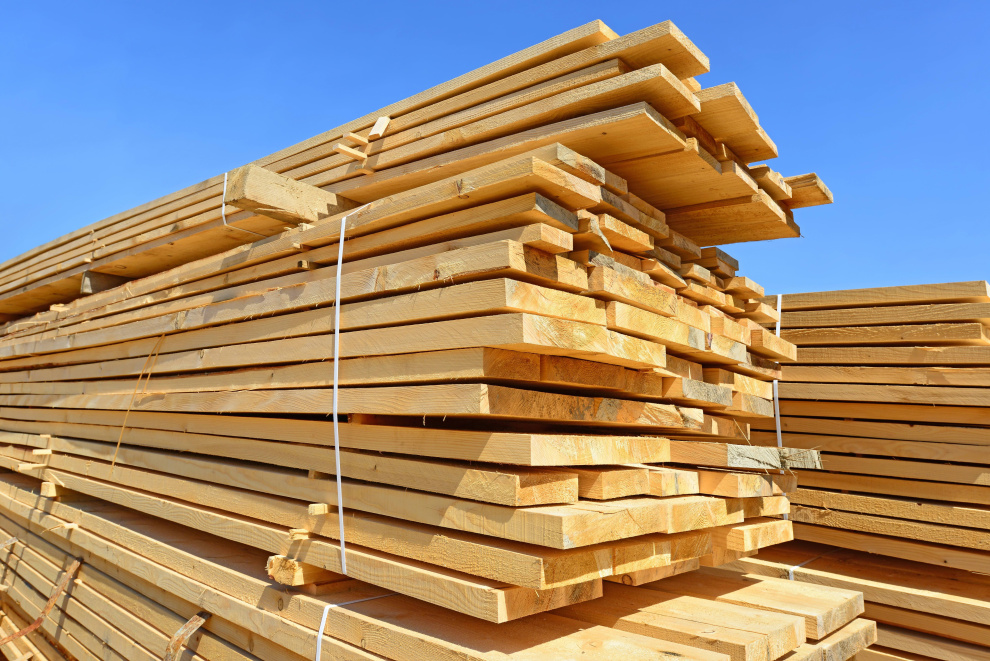
Investment in wood processing fell 19% and in pulp and paper 31.9%, while manufacturing as a whole was nearly flat.

Finland remained the largest supplier as its share rose 6.8 pp; Austria's shipments rose 77-fold and Sweden's fell 43.4%.

Owner-built housing completions are down 20.8% and apartment-building completions up 2% so far in 2026 compared with the same period last year.

Japan housing starts, China industrial data, Sweden producer prices and forest products, building products and homebuilding results are also scheduled.
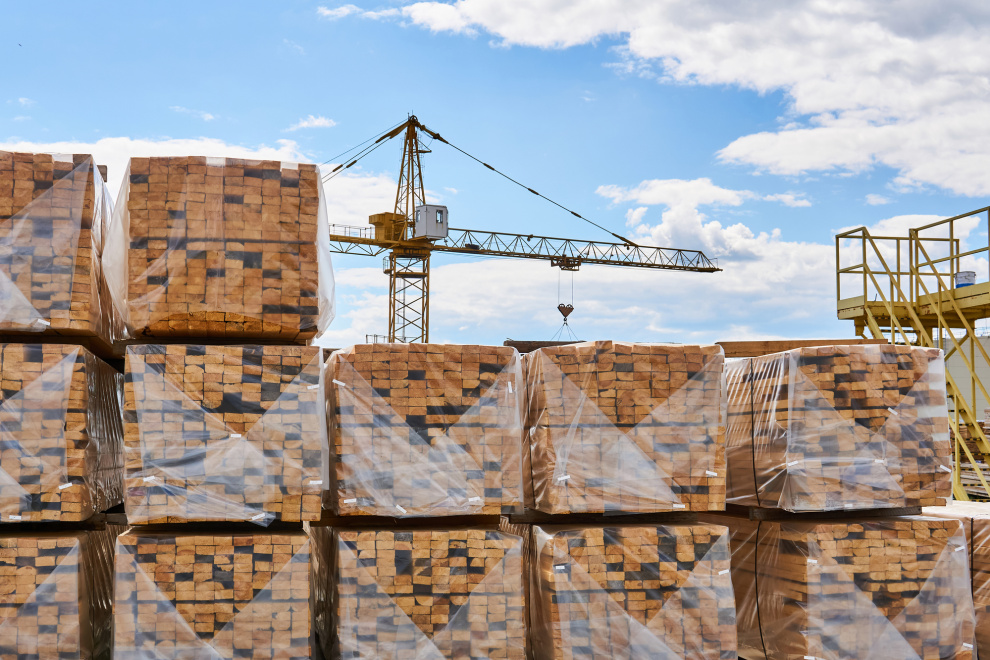
The central bank raised its 2027 average key-rate forecast to 12.5%-13.5%.

Thailand remained the largest supplier as its share fell 1.2 pp; Vietnam grew 37.6% and United States fell 24.5%.

Vietnam remained the largest buyer as its share rose 0.3 pp; the U.S. share rose 1.6 pp.

Russia remained the largest supplier as its share rose 0.5 pp; Chile's shipments rose 1.5 times and Finland's fell 26.3%

Laminated plywood for construction makes up the bulk of its shipments to the two regions.

Vietnam remained the largest supplier as its share rose 8.3 pp; Canada had the largest decline, with shipments down 61%.
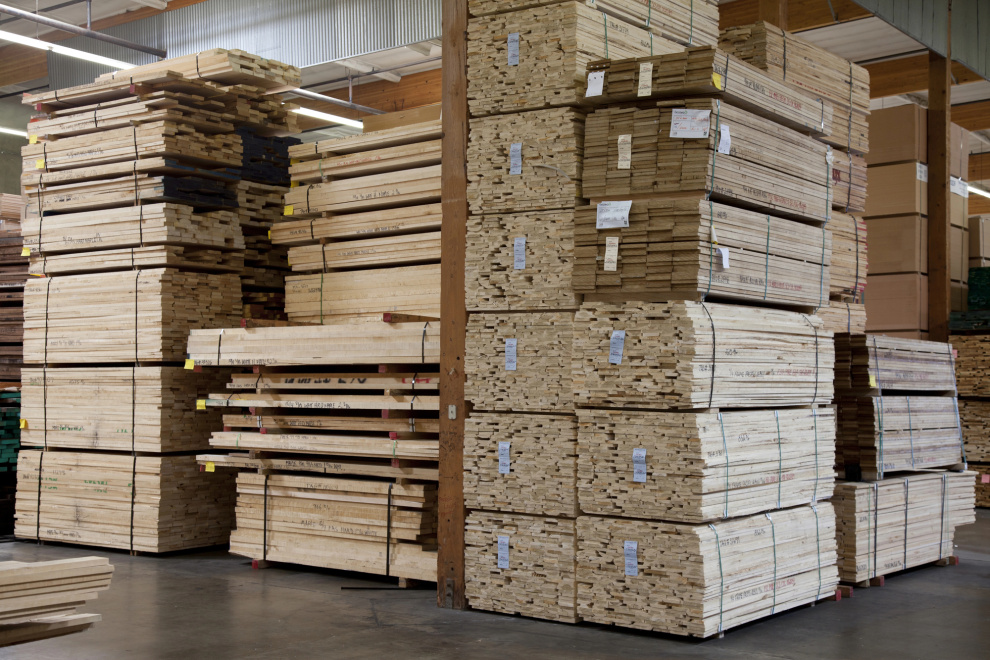
Vietnam remained South Korea’s largest supplier as its share fell 7.6 pp; China’s shipments rose 25% and Vietnam’s fell 25%

China had the largest increase at 9.1%, while Indonesia recorded the steepest decline at 33%

Solikamskbumprom is seeking $245 million from a Chinese company as more than 10 creditors pursue bankruptcy claims.

Developers launched 78,016 apartments; January–September launches were 603,542, up 6.3% from a year earlier.
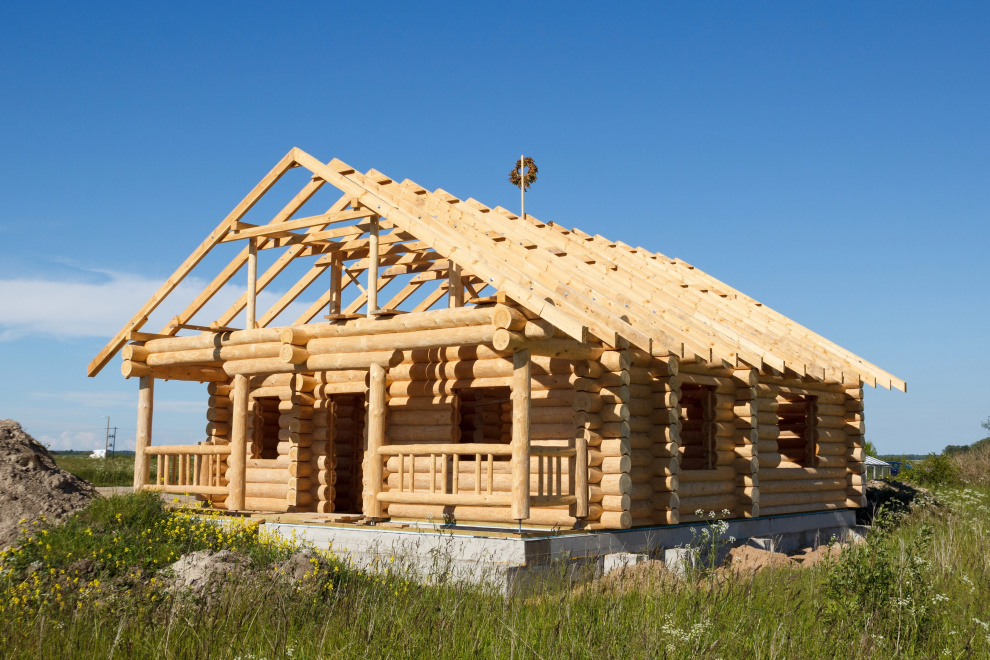
Owner-built house completions were 23% lower and apartment-building completions 8% higher so far in 2026 compared with the same period last year.

Compared with the previous month, production was up 1.1%.

Compared with the previous month, production was down 5%.

Completions of owner-built houses fell 26% and those in apartment buildings rose 10% so far in 2026 compared with the same period last year.

Companies want third parties to conduct forest assessments instead of relying solely on state-controlled Roslesinforg and seek protection from lease termination over delays or quality disputes.
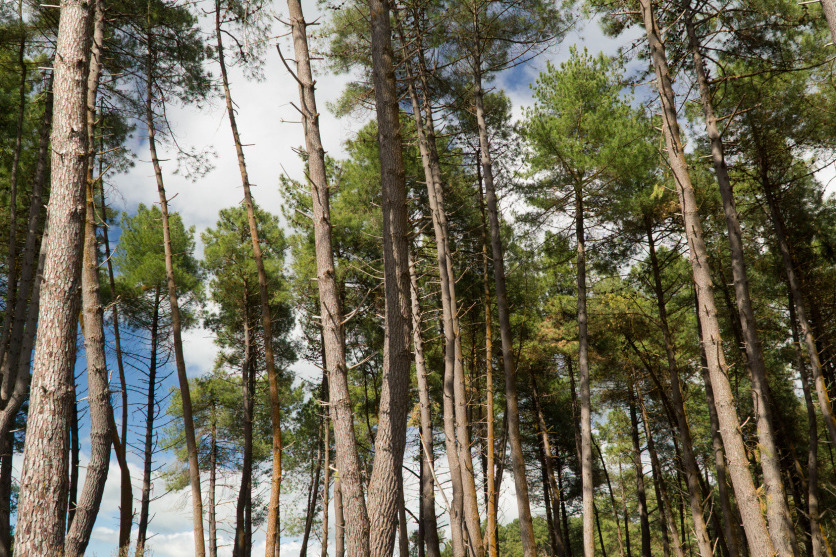
Regional constraints, limited plantation expansion and infrastructure barriers will restrict how much additional softwood roundwood reaches markets.
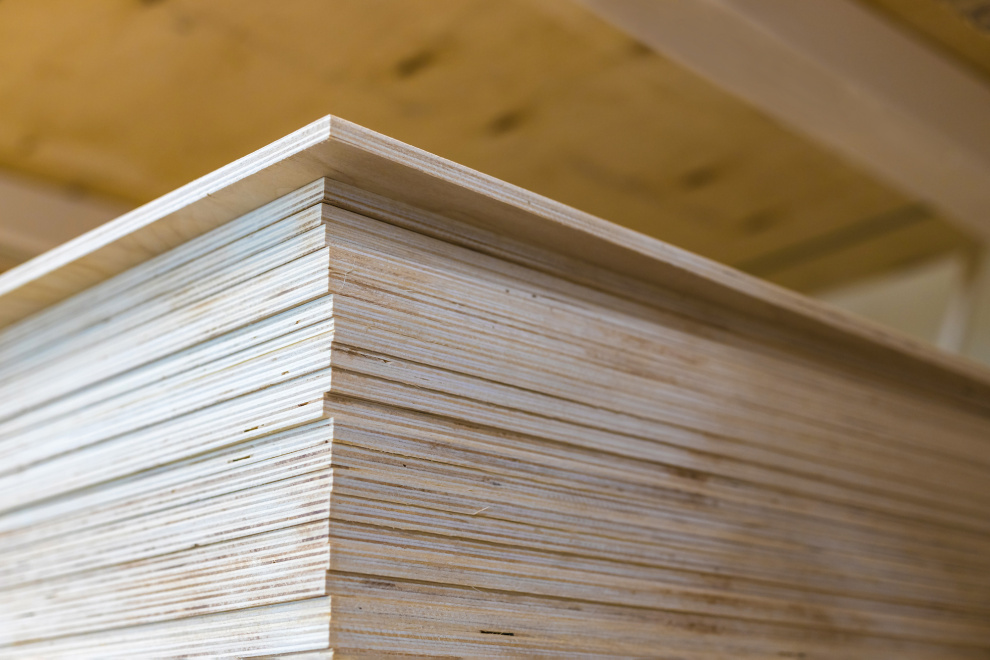
Malaysia gained 10 percentage points of U.S. hardwood plywood imports as the United States imported 581 thousand m3.

Prices increased for the second consecutive year after declining in 2023.

Canadian softwood lumber producers expect difficult conditions through 2026 as weaker demand, production curtailments and U.S. trade costs pressure operations.
The industry estimate puts chemical inputs at up to 40% of particleboard costs.

Latin America remains a low‑cost source at about 95 million m3 annually while Oceania’s supply may fall by roughly three million m3 by 2035.

A strong ruble, weaker demand in China and rail-logistics bottlenecks are the main factors behind the projected decline.