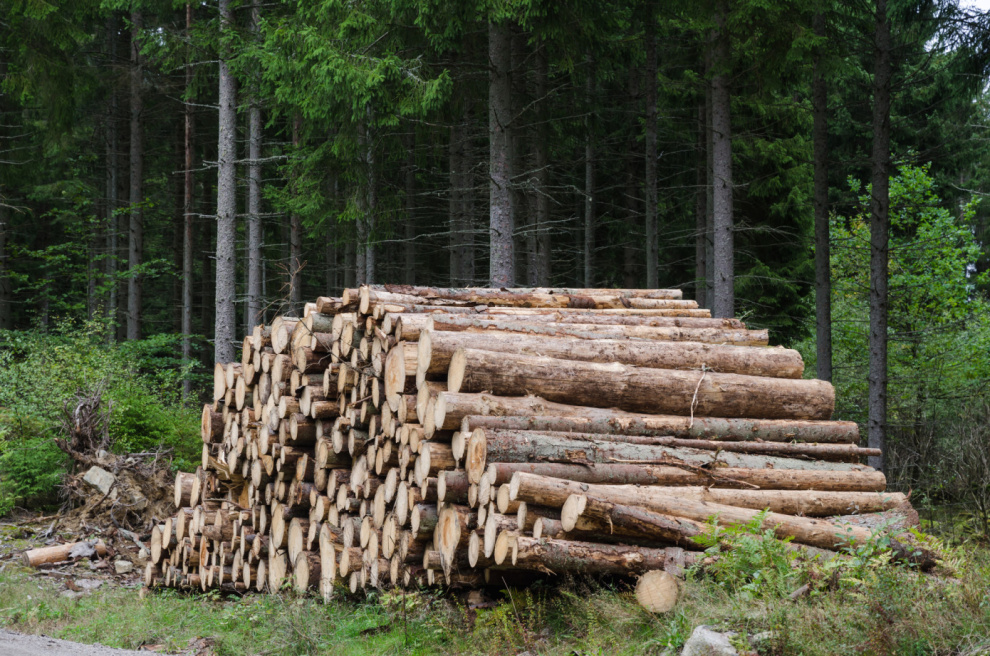
The total value of roundwood purchased from Slovenian private forests in September was compared to August higher by 41.4%, and year-on-year by 35.4%.
The total value of roundwood purchased from Slovenian private forests in September was compared to August higher by 41.4%, and year-on-year by 35.4%.
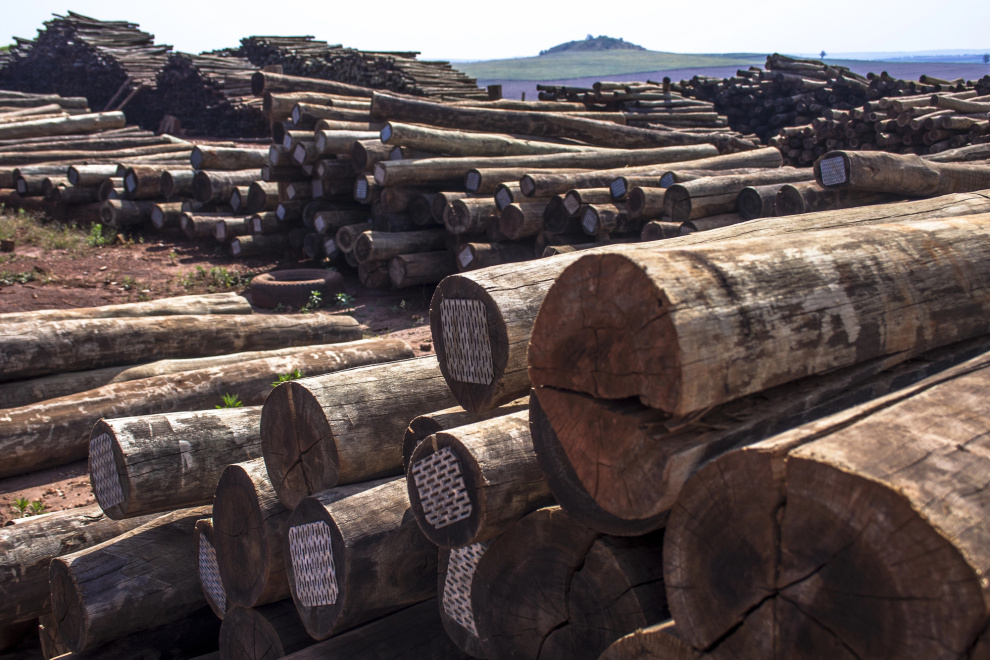
Exports to Portugal reach 69% of total volume.
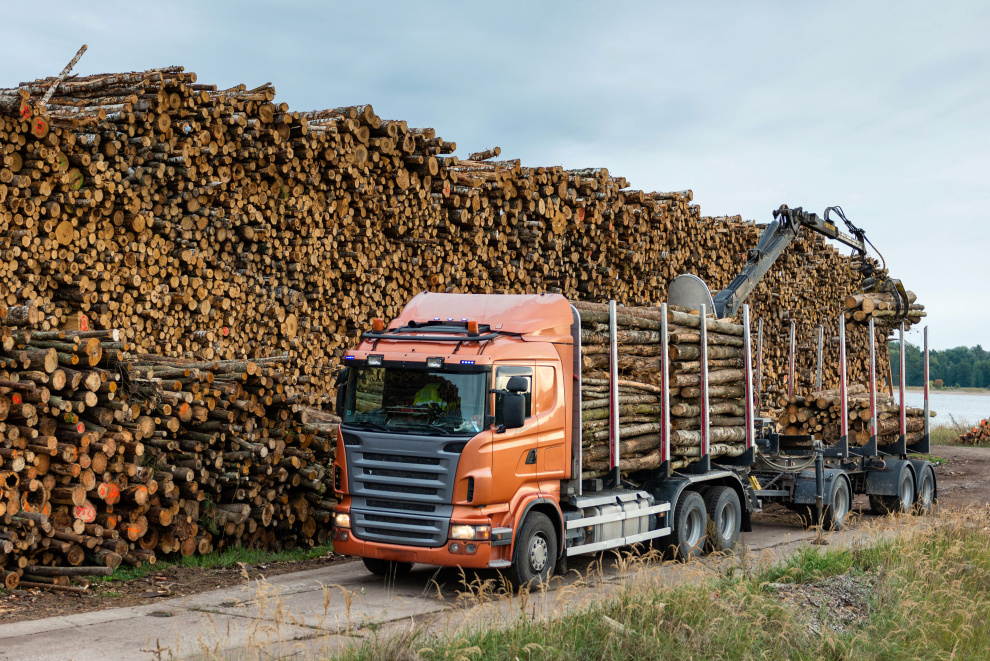
Handelsbanken expects wood raw material prices to fall by 10–15% while structural supply shortages and strong krona continue to challenge Swedish industry.

Nate Jorgensen will retire on March 2, 2026, after six years as CEO and will remain on the board of directors; the company will not fill the chief operating officer role after the transition.
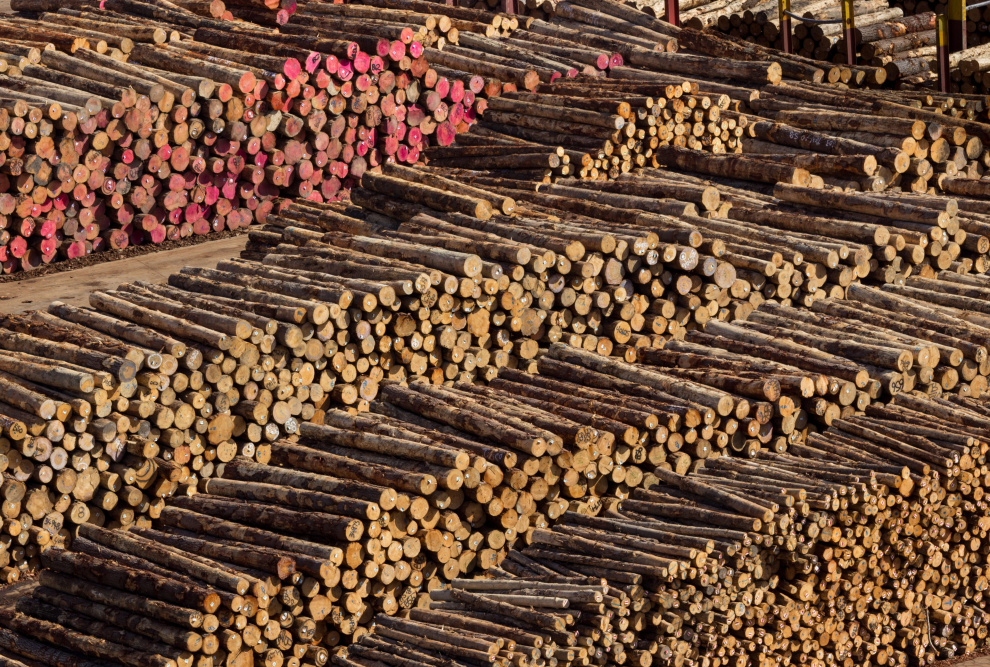
The price for logs exported from Japan adds 0.5%.
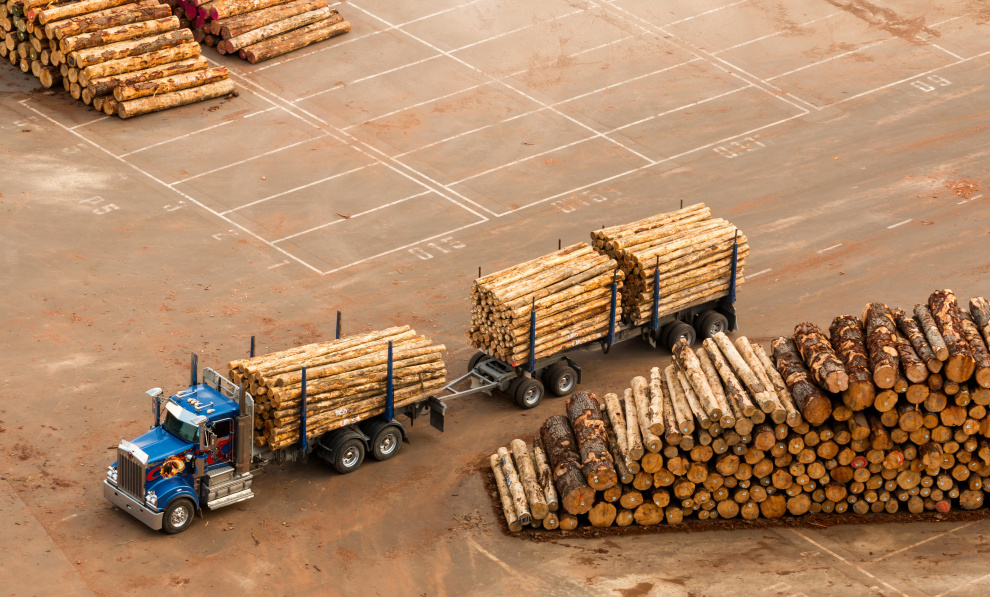
Imports of logs to Japan decreased 22%.
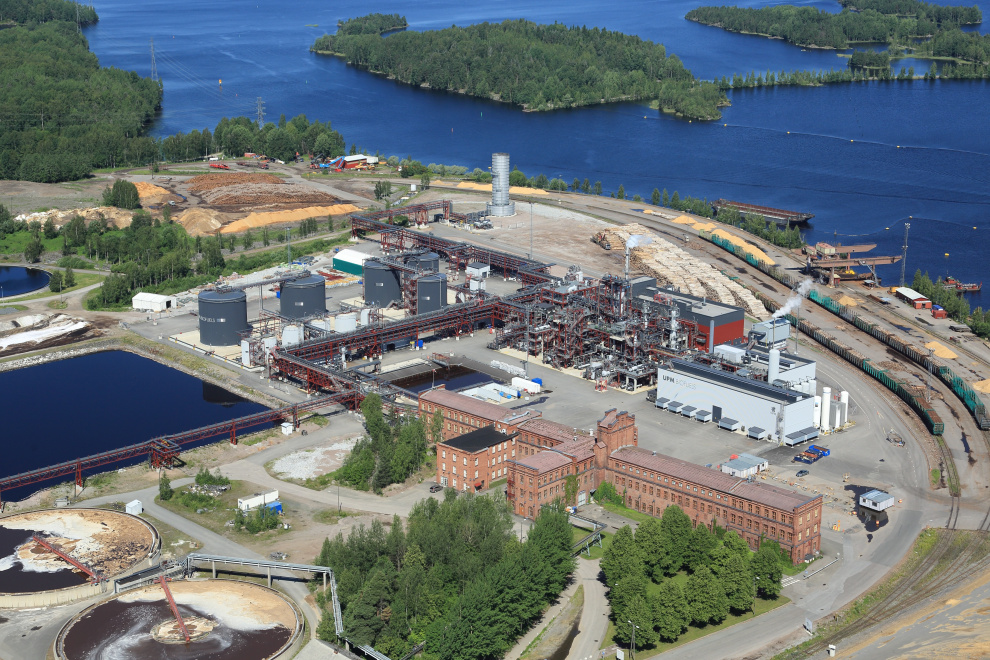
The plan targets Euro 10 billion in bio-based product purchases by 2030 and aims to expand a Euro 2.7 trillion sector employing 17.1 million people.
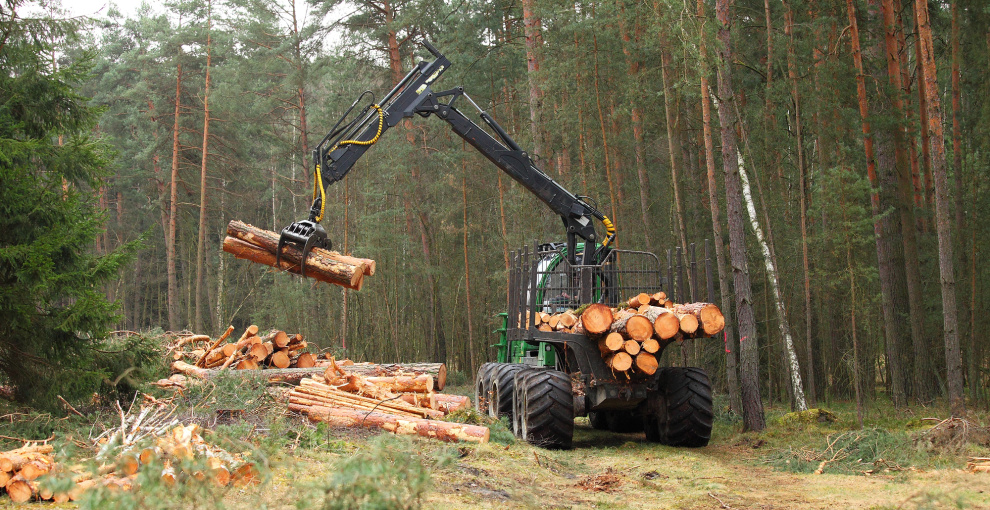
Large operators will apply new obligations from 30 December 2026, while micro and small firms will follow from 30 June 2027 under simplified due diligence rules.
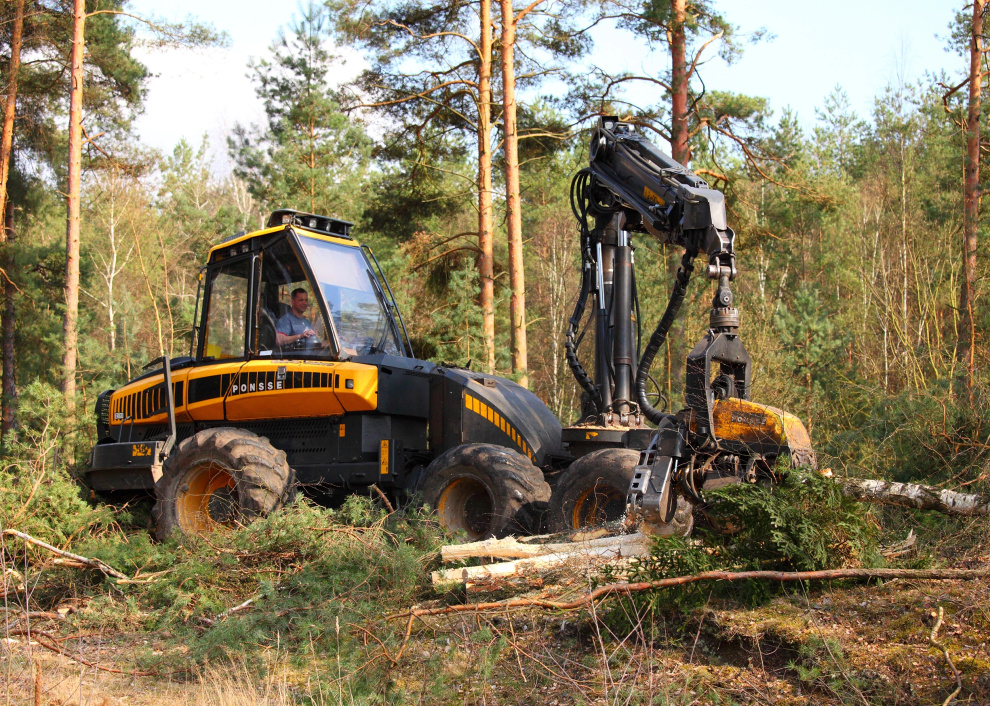
Cumulative harvest from January to October reaches 51.4 million m3, 2% higher than the previous year, according to Natural Resources Institute Finland.
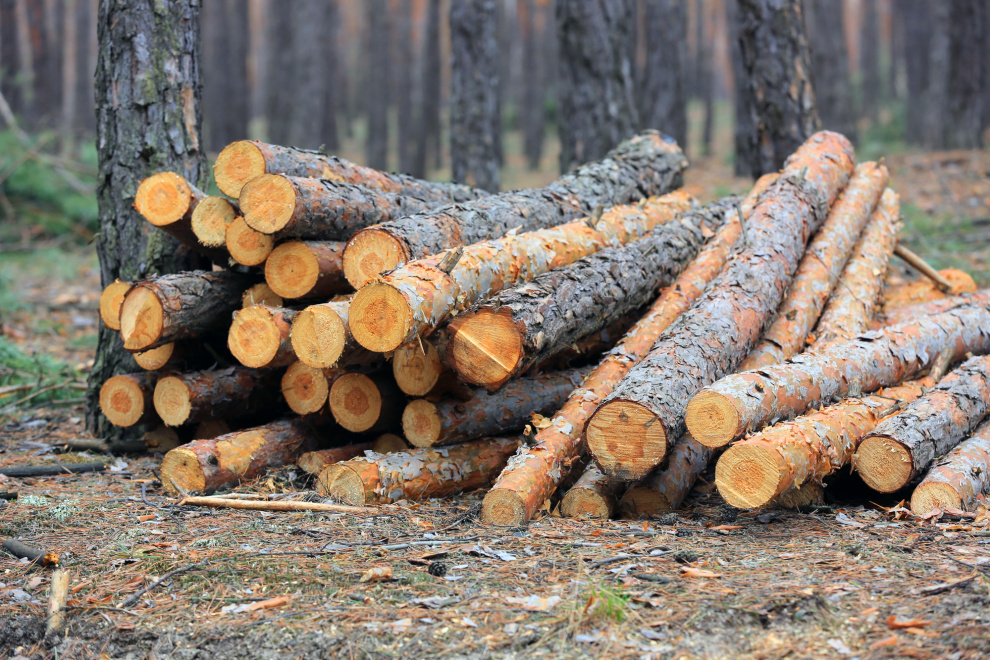
Imports of logs to India upped 2%.
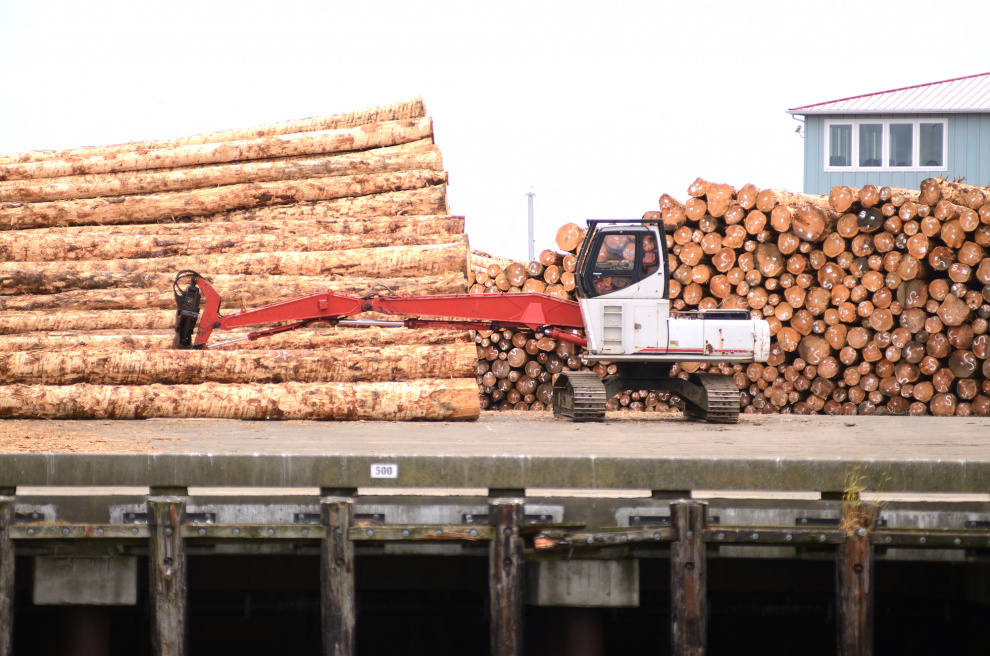
Price for logs exported from Russia to China grew 9%.
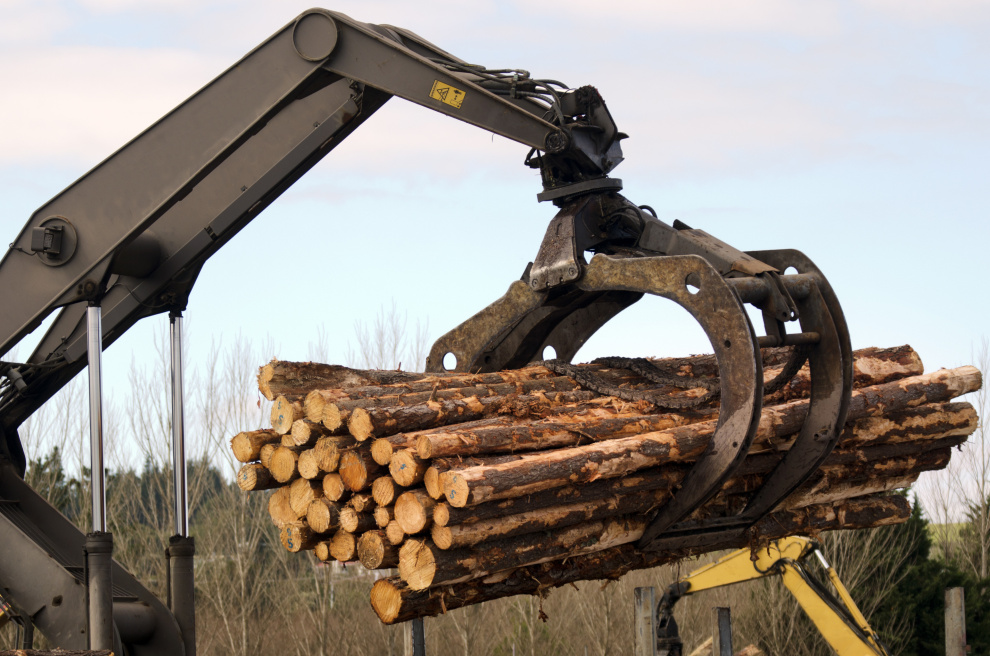
The price for logs exported from New Zealand stayed flat.
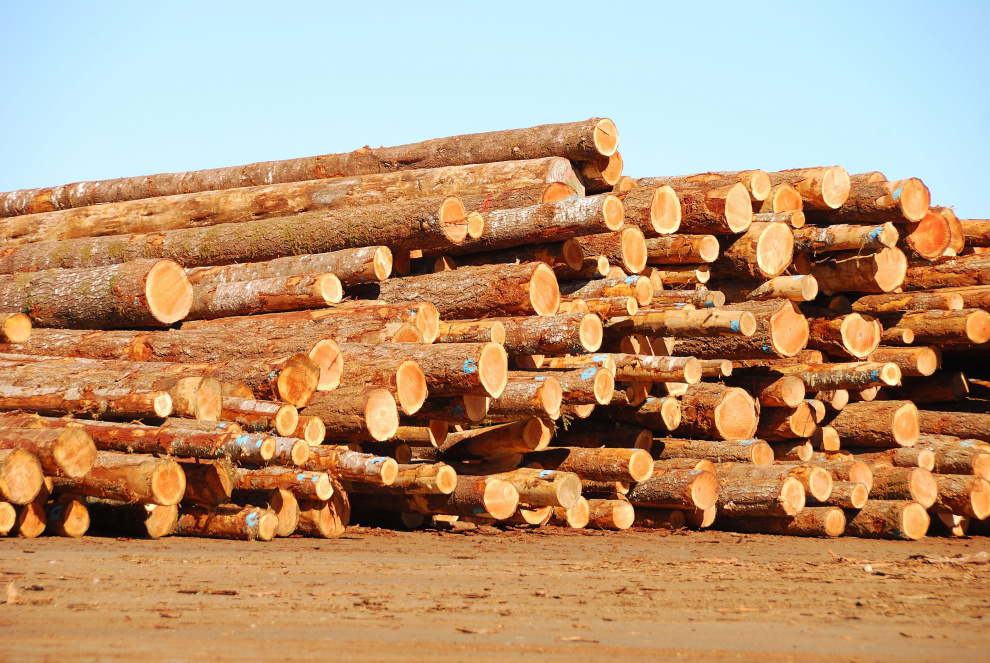
Imports of logs to China lost 16%.
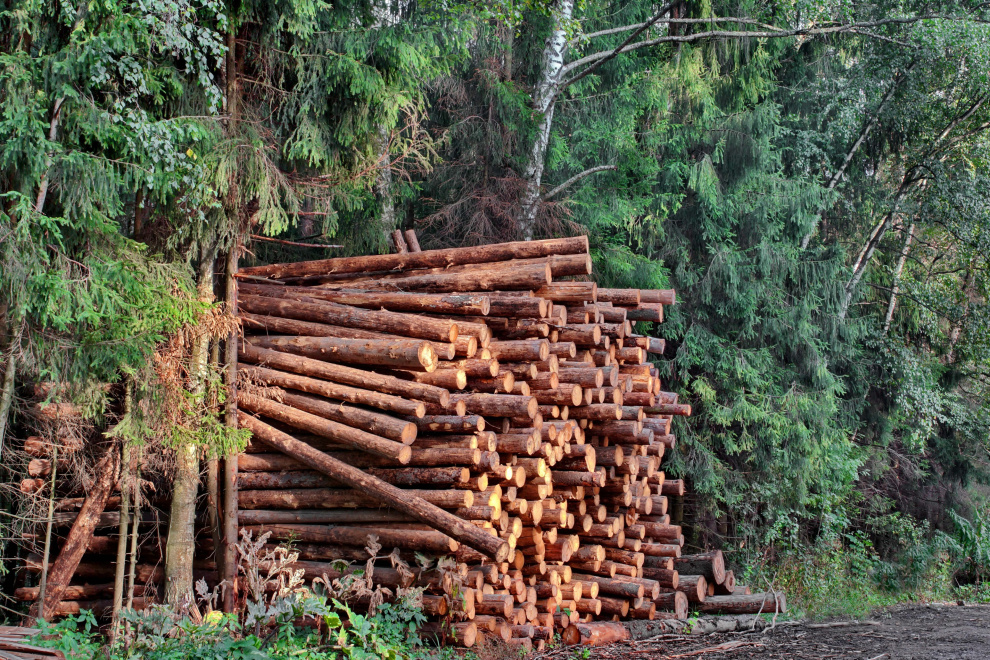
Standing sale prices for pine, spruce, and birch logs decline by up to 3%, while total roundwood purchases remain 14% lower for January–October compared to last year.
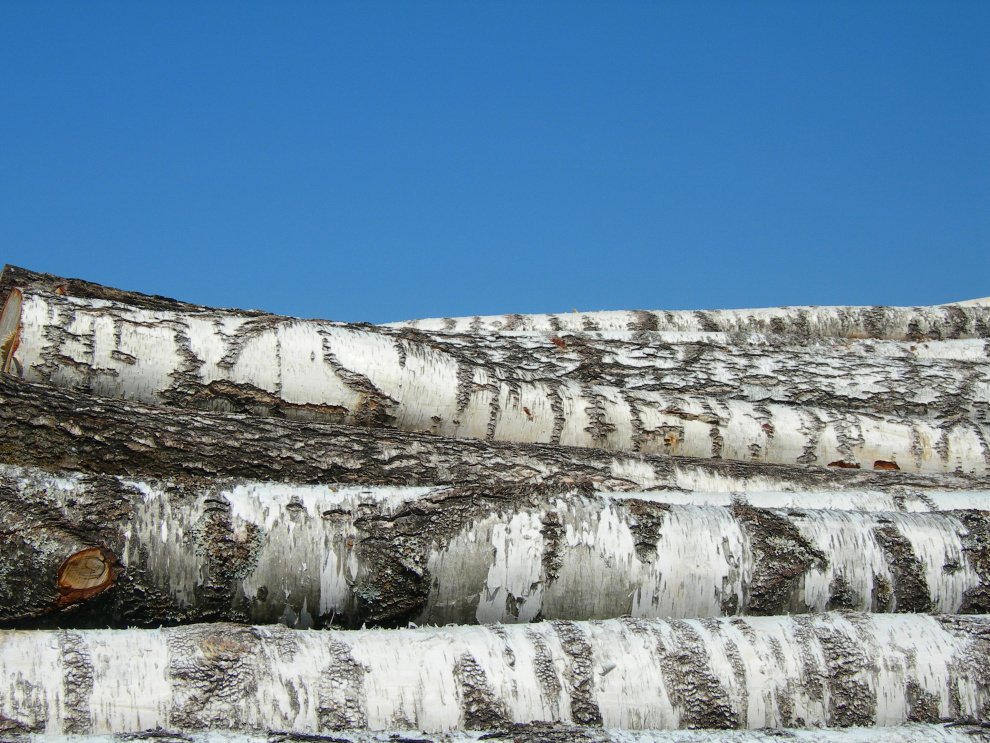
Imports of logs to the European Union decreased 11%.

New Wood and Energy business area launches January 2026 as Containerboard division also gets new leader.
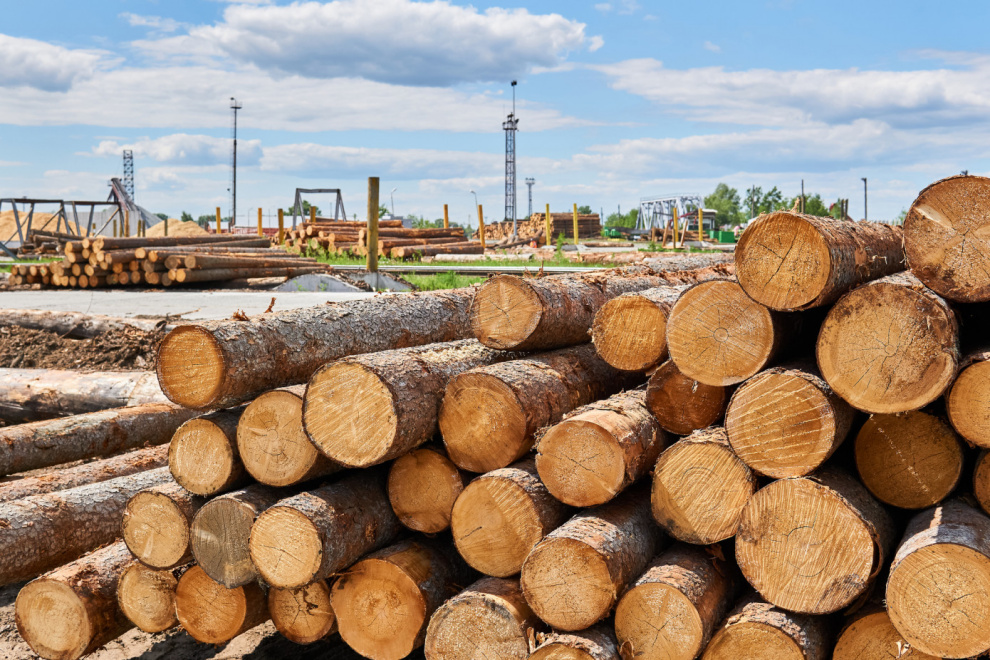
Exports of logs from Lithuania downed 4%.

Price for logs exported from Norway dipped 3%.
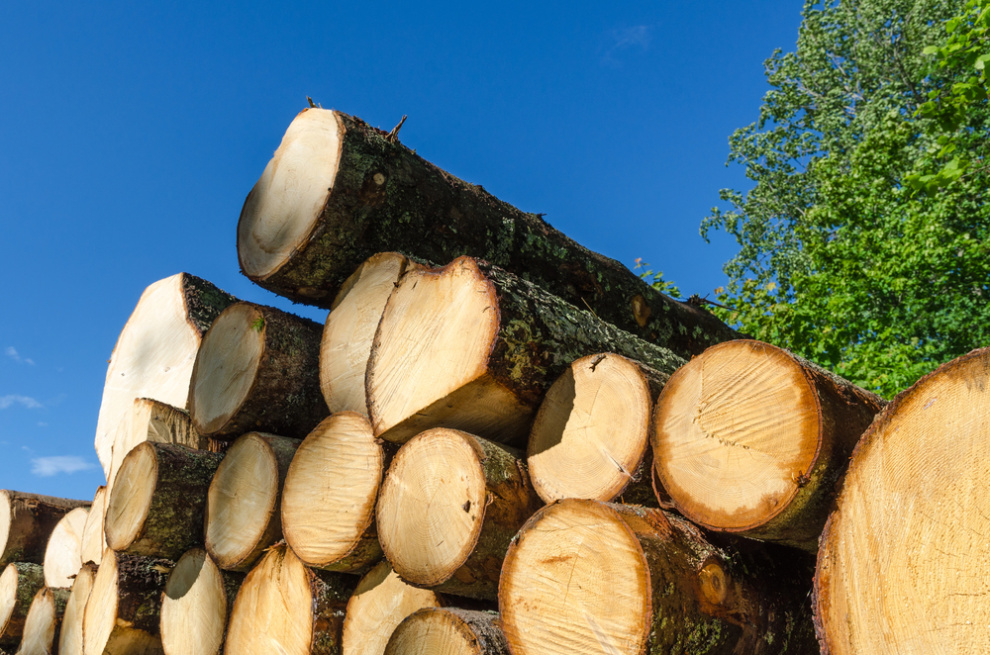
The company has already reduced 80% of purchases from affected suppliers and will cut 95% by March 2026, leaving 0.50% of its virgin fibre sourced from the region.
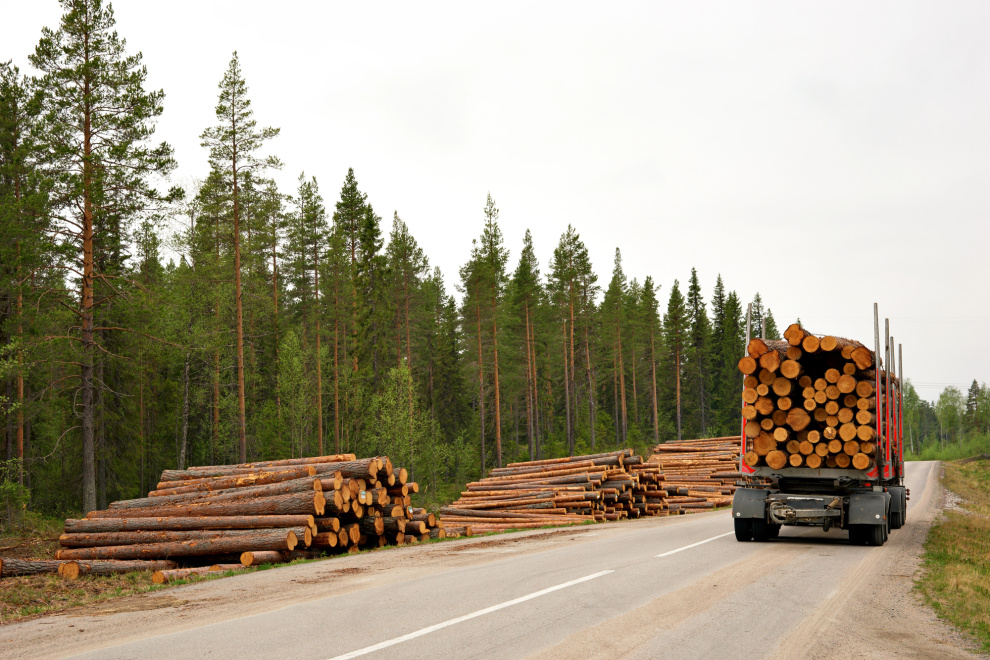
Total timber stocks decline 8%, while pulp chips and coniferous sawlogs remain largely stable across timber balance areas.