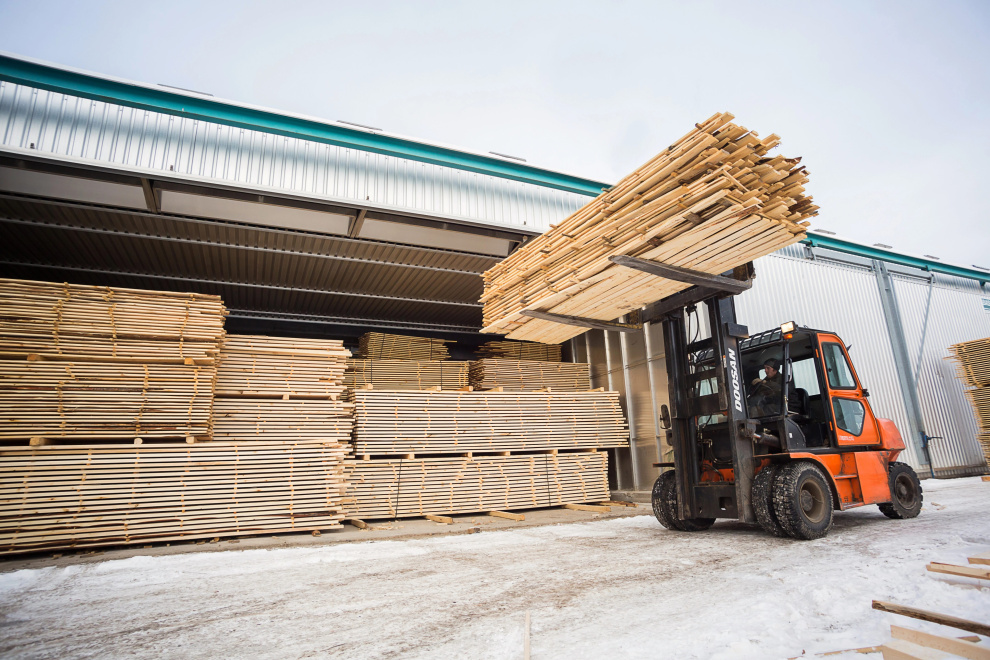
Cedar lumber declines 0.1% while cypress lumber increases 0.2% from October.
Cedar lumber declines 0.1% while cypress lumber increases 0.2% from October.
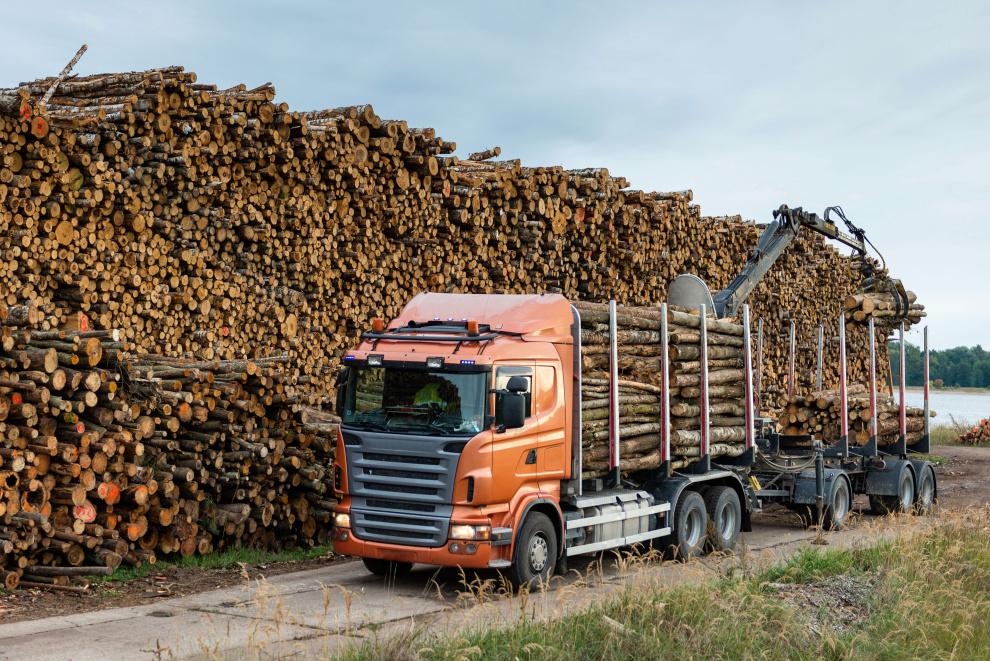
Handelsbanken expects wood raw material prices to fall by 10–15% while structural supply shortages and strong krona continue to challenge Swedish industry.
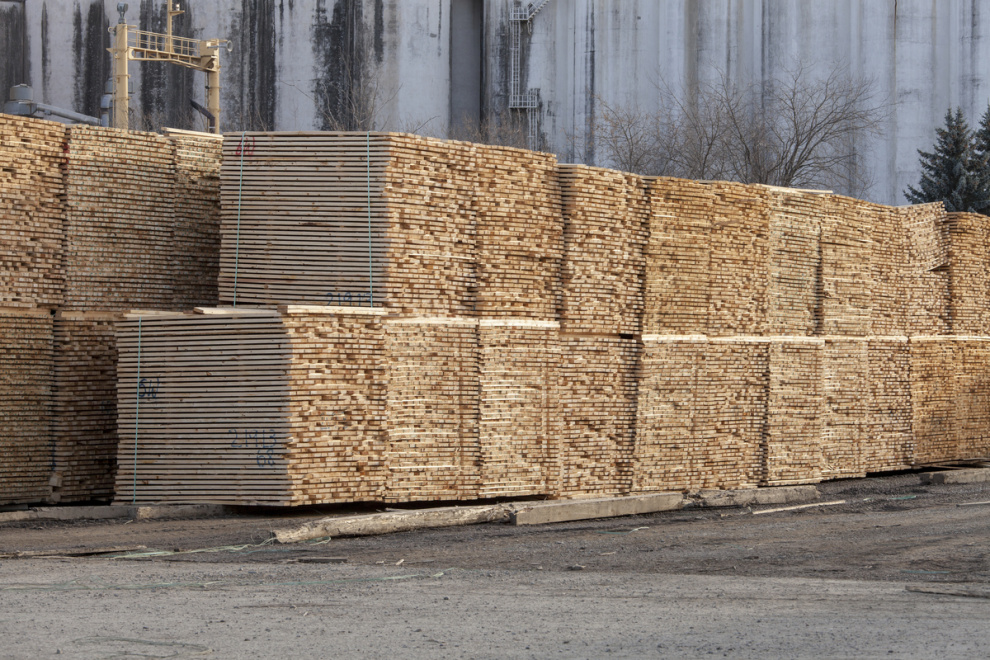
Temporary curtailment affects mills in Quebec, Ontario, Canada, and the US due to stagnant North American demand.

New facility to process local softwood for the domestic Japanese market.
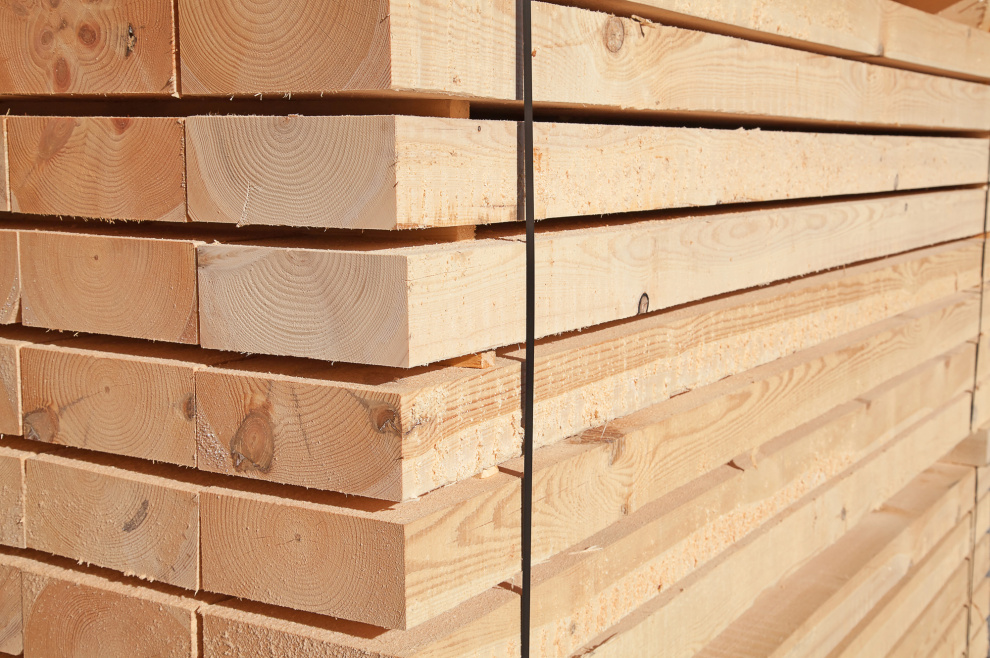
Exports of lumber from Brazil lost 8%.

Nate Jorgensen will retire on March 2, 2026, after six years as CEO and will remain on the board of directors; the company will not fill the chief operating officer role after the transition.
Exports of lumber from Chile contracted 6%.
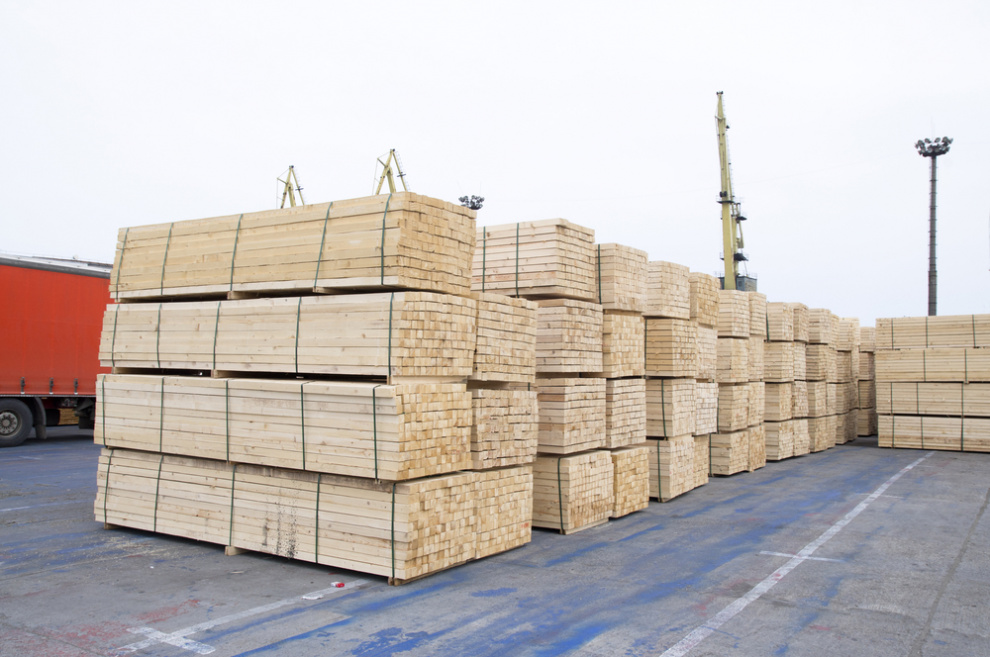
Tropical sawnwood value surges 52% to $13 million, while pine plywood value drops 25% to $43 million.
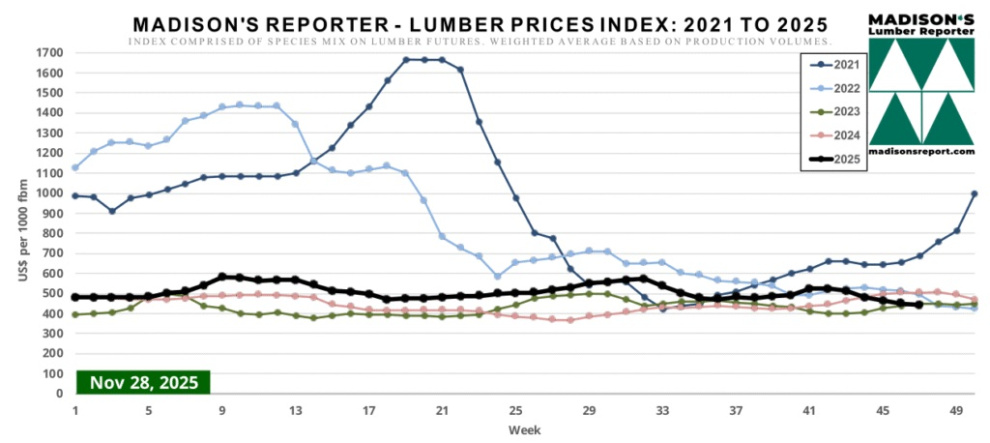
Benchmark price falls 1% weekly and 8% monthly as of November 28.
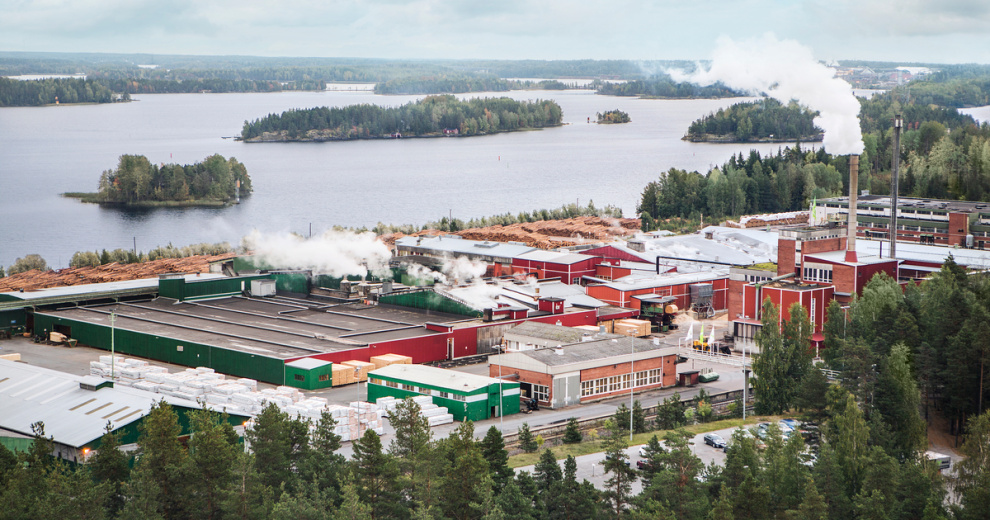
Potential temporary layoffs from January to June 2026 affect Lappeenranta, Rauma, Renko and Vilppula sites in Finland.
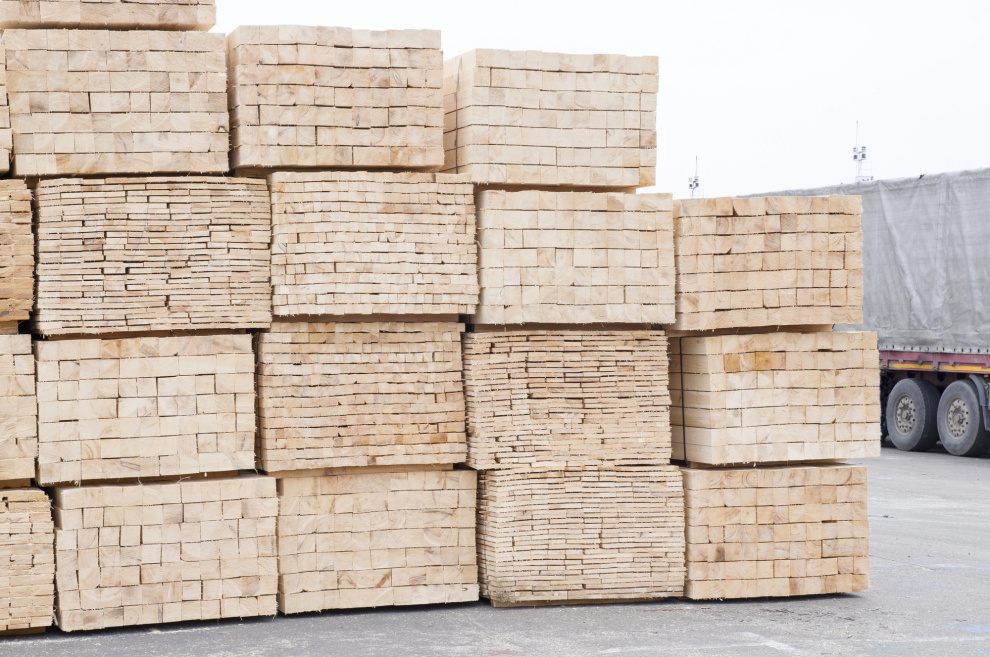
Domestic supply stays constrained while import flows improve and mills raise operating rates.
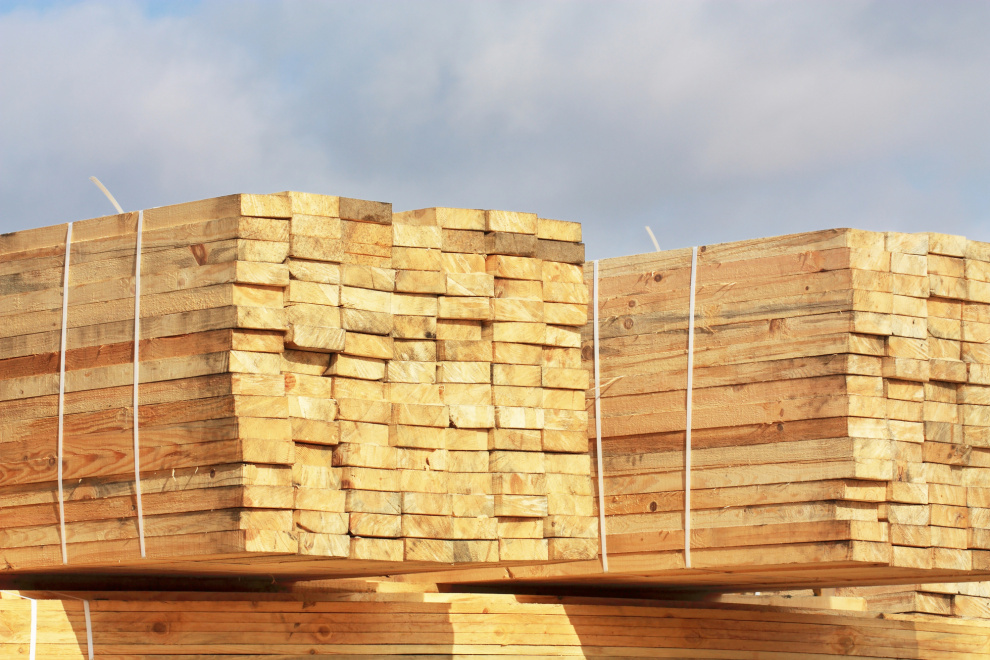
Average EBITDA margin for five major producers falls to 1.5%.
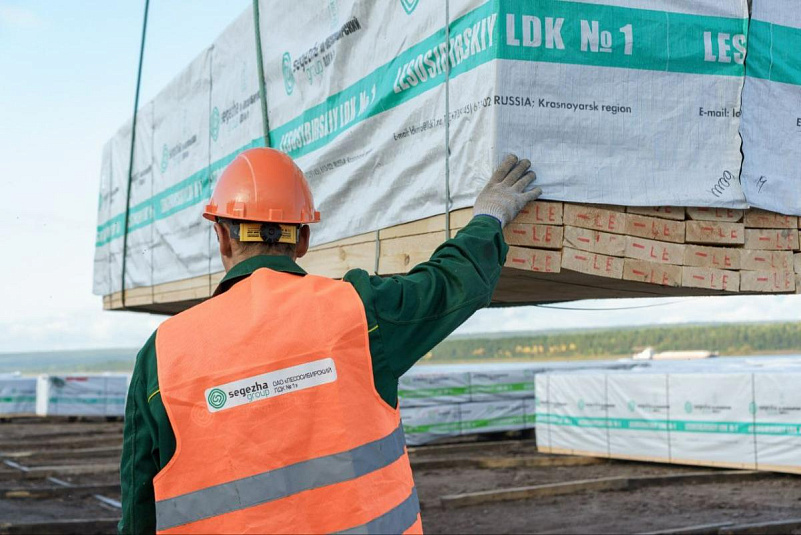
Chinese buyers push prices down as Russian exporters lack alternative markets.
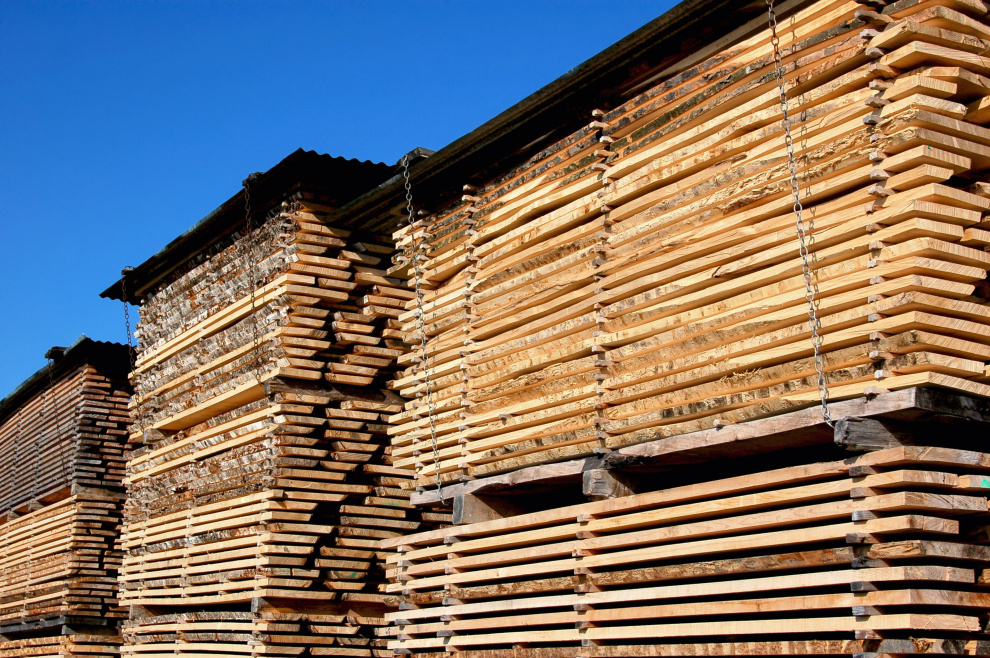
Temporary curtailment to cut output by about 13 million board feet as lumber prices fall and federal support programs expand.
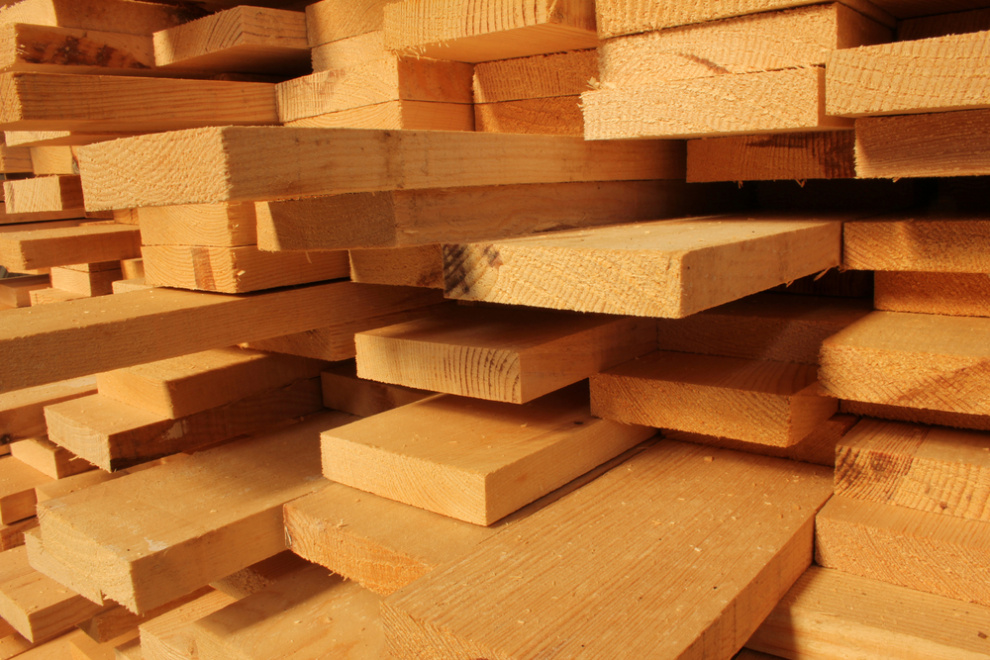
Acquisition adds Plymouth location to dealer's network ahead of new Farmington headquarters opening in early 2026.
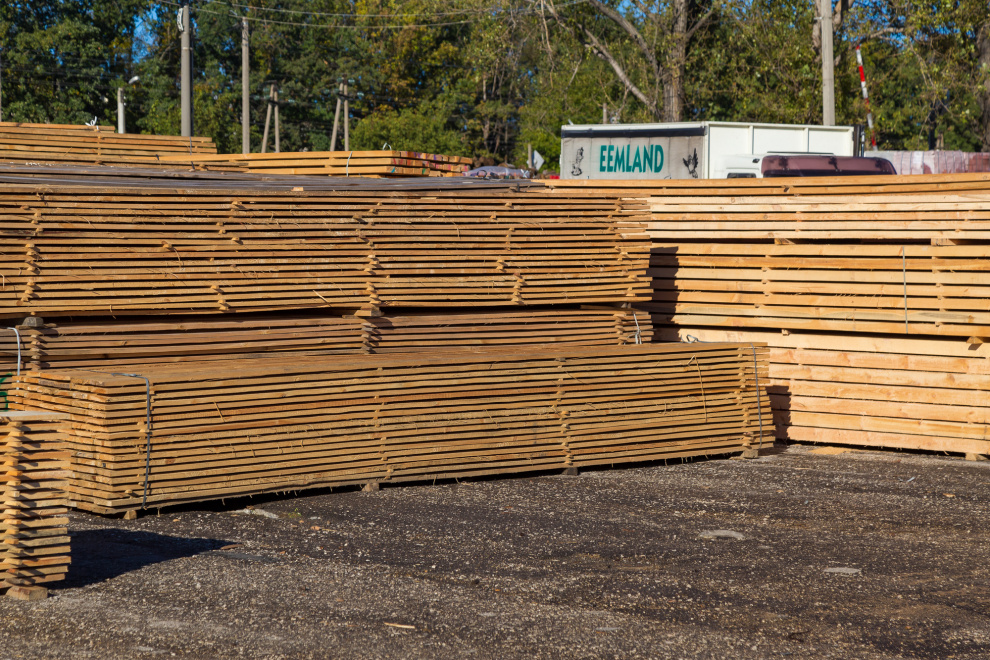
Imports of softwood lumber to Japan grew 7%.
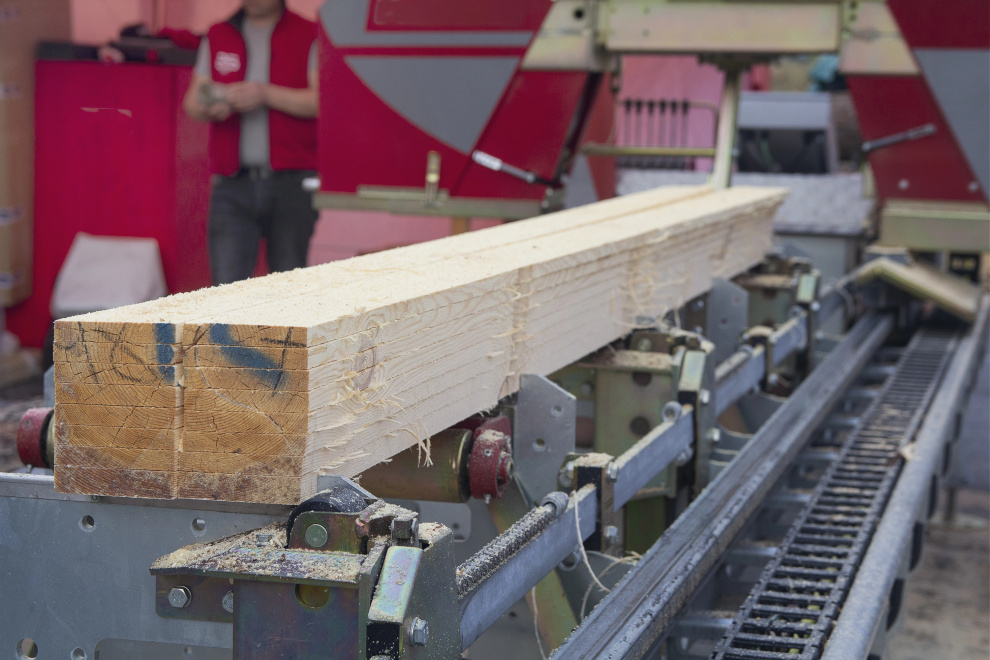
Shipments grow 6.4% as inventory declines 2.7%.
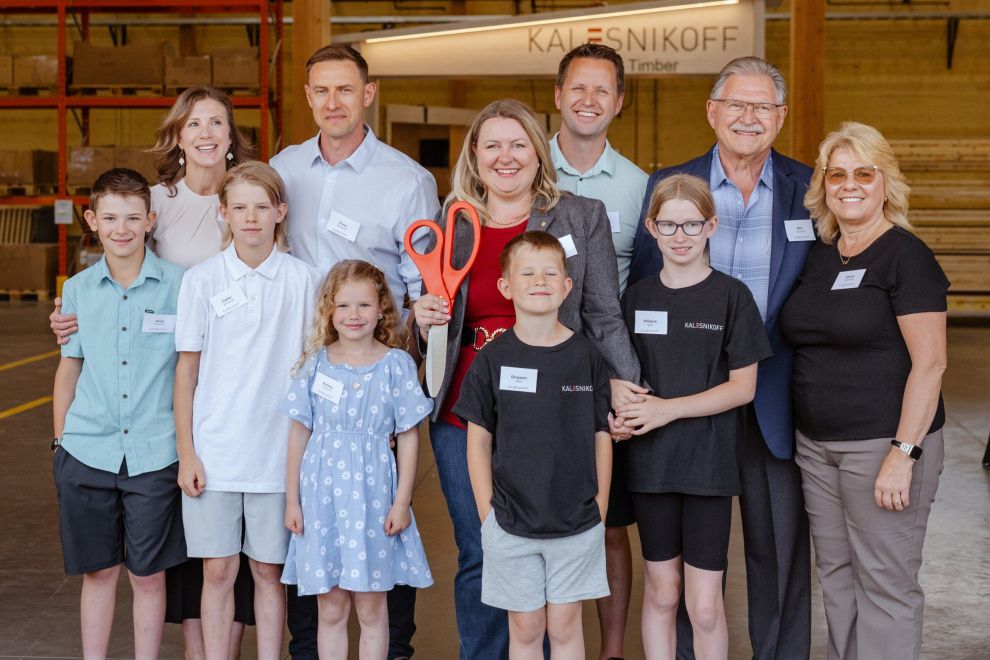
Chris Kalesnikoff will become President and CEO, and Krystle Seed will take the role of Chief Financial and Strategic Services Officer as the company continues expansion of its integrated mass timber operations in British Columbia.
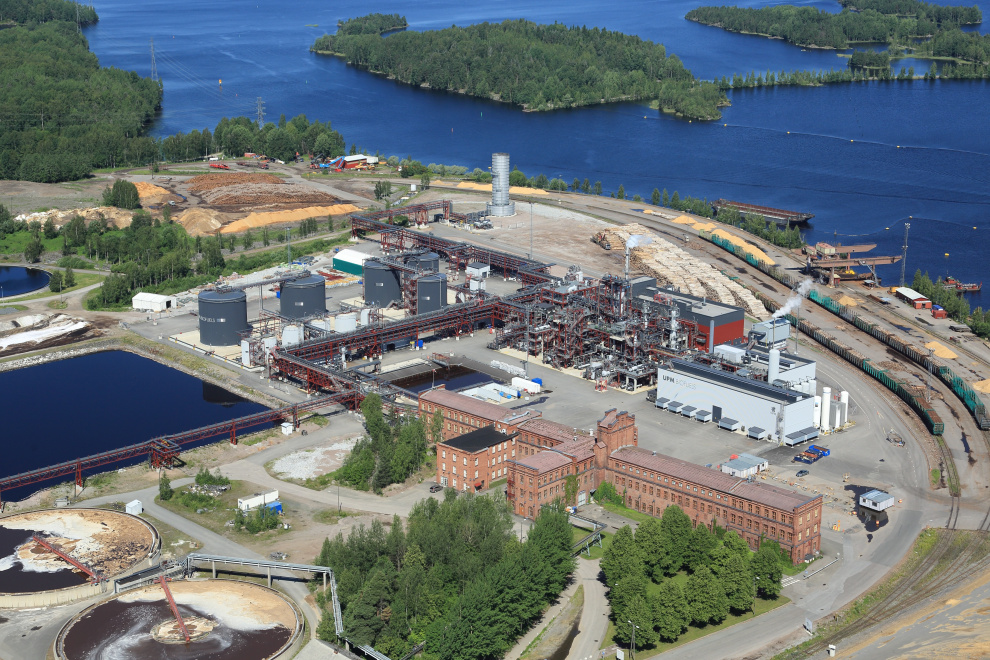
The plan targets Euro 10 billion in bio-based product purchases by 2030 and aims to expand a Euro 2.7 trillion sector employing 17.1 million people.
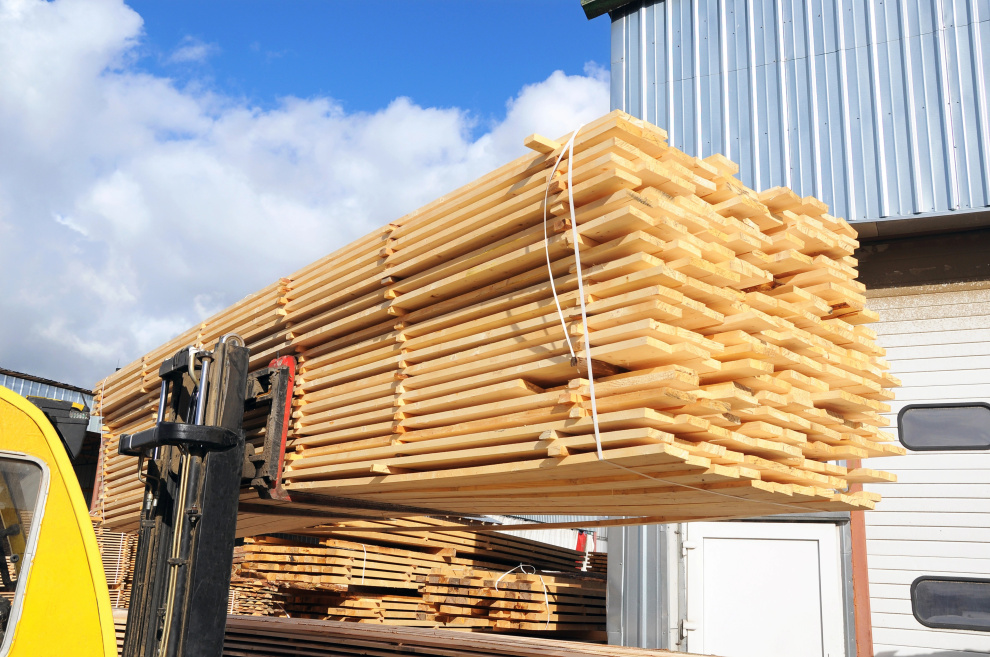
Funding includes $700 million for housing-linked lumber demand, $500 million in new loans for large softwood producers, and over $100 million in worker training, expanding on prior $1.2 billion forest sector support.