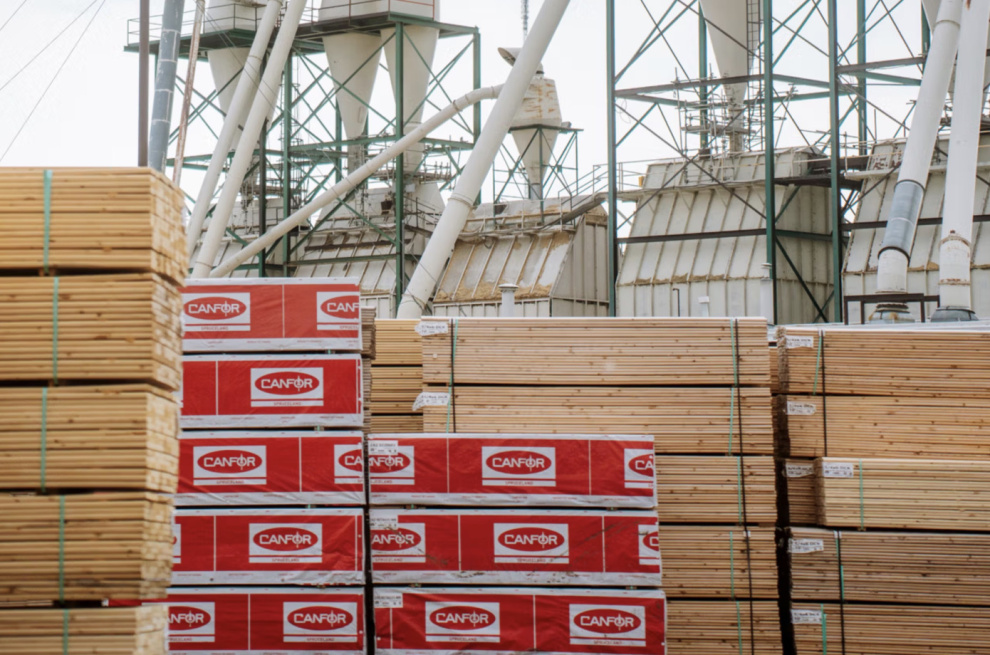
Lumber pricing rises on tighter supply, but weak demand, duties, and disruptions cut shipments and keep both lumber and pulp operations under pressure.
Lumber pricing rises on tighter supply, but weak demand, duties, and disruptions cut shipments and keep both lumber and pulp operations under pressure.
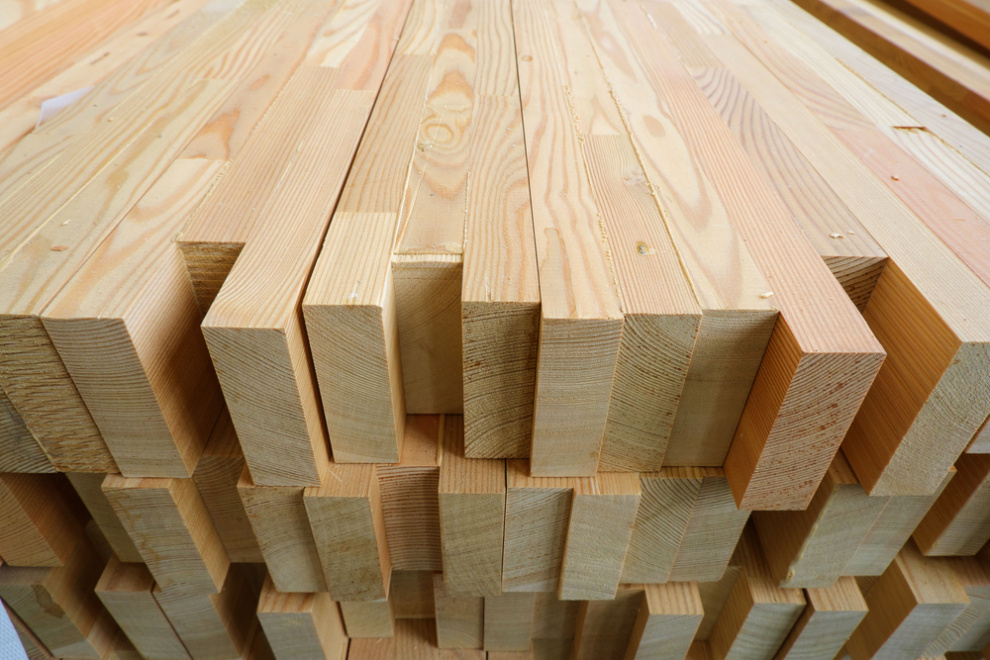
Compared with the previous month, production was up 1.7%.
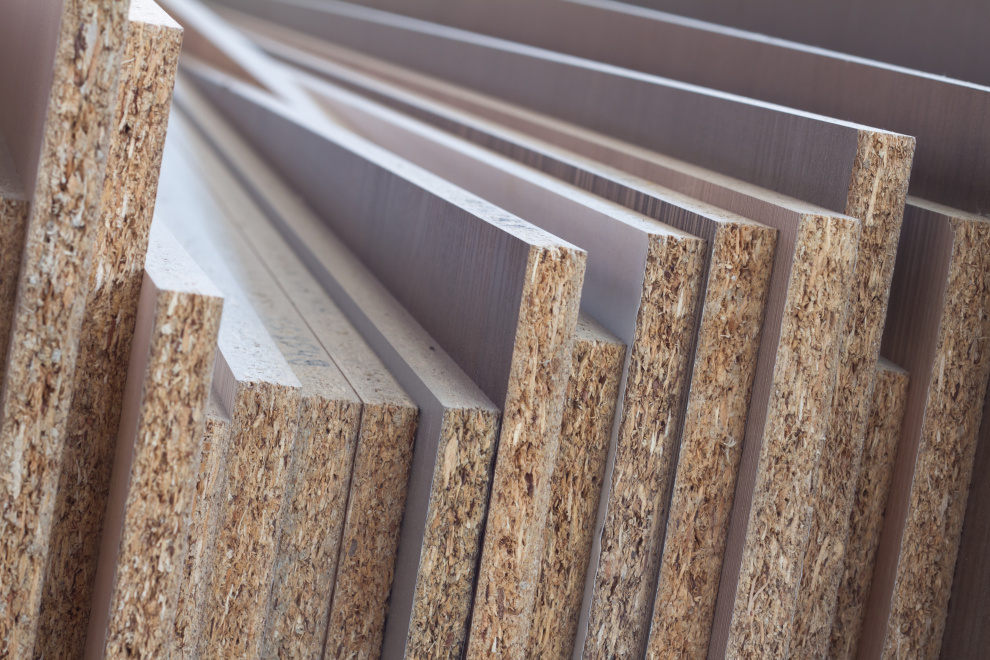
Compared with the previous month, production was up 12%.
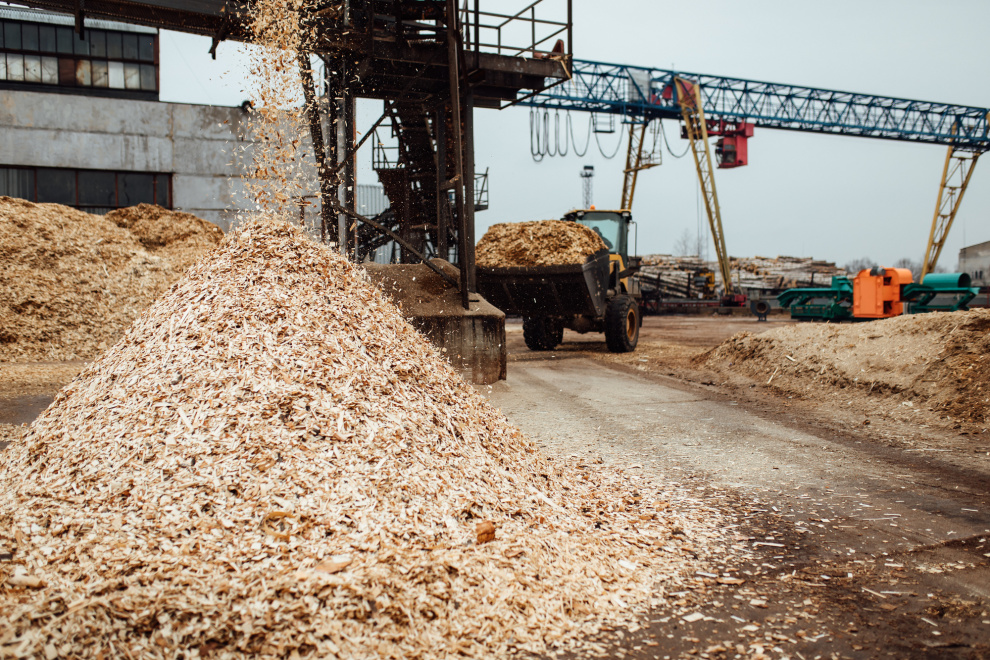
Compared with the previous month, production was up 5%.

High roundwood prices and slightly higher felling volumes lift income, even as trade and prices ease late in the year.
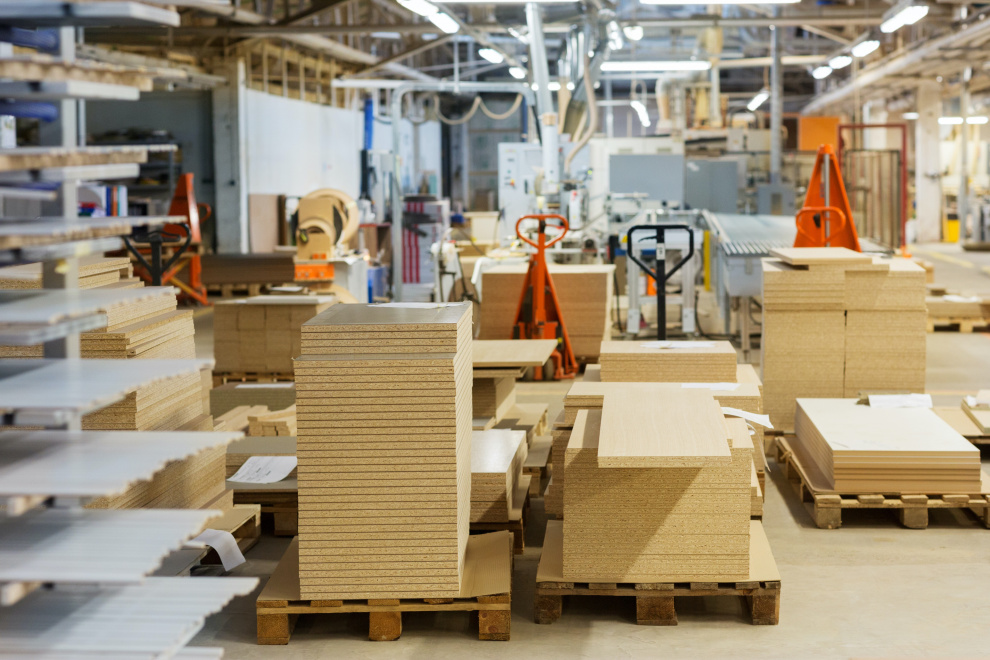
Custom and stock sales decline double digits as total cabinet quantity drops 10.7% through March 2026.
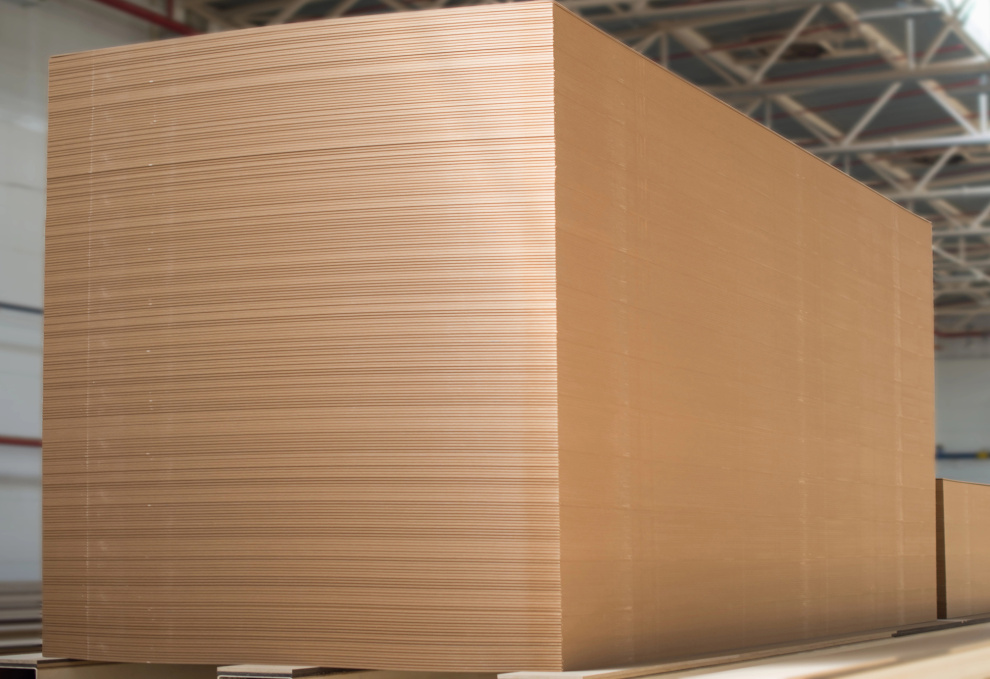
Price for OSB imported to the U.S. slipped 1.7%.
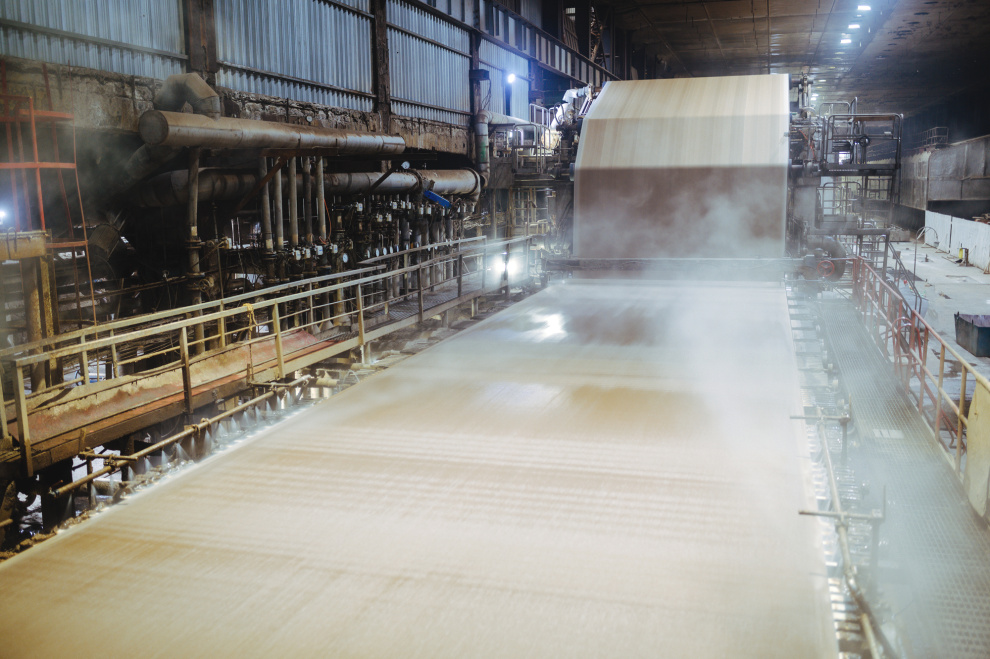
Price for bleached kraft pulp exported from Canada declined only 0.6%.
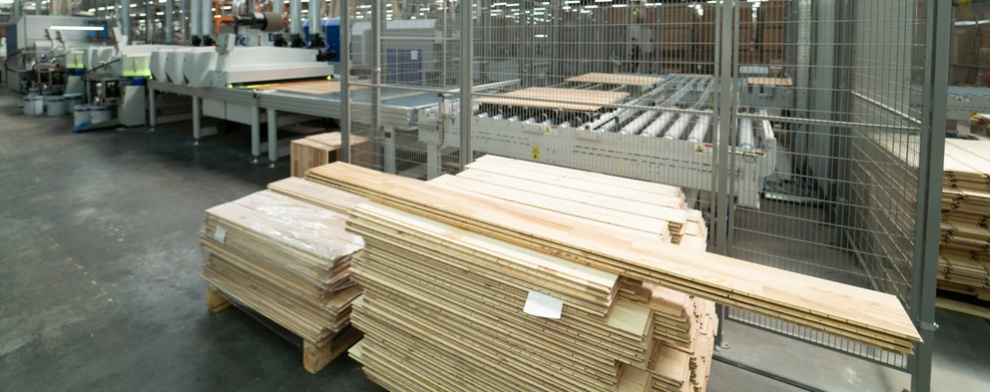
Price for southern yellow pine lumber exported from the U.S. expanded 5%.

Price for wood chips exported from the U.S. grew only 0.1%.
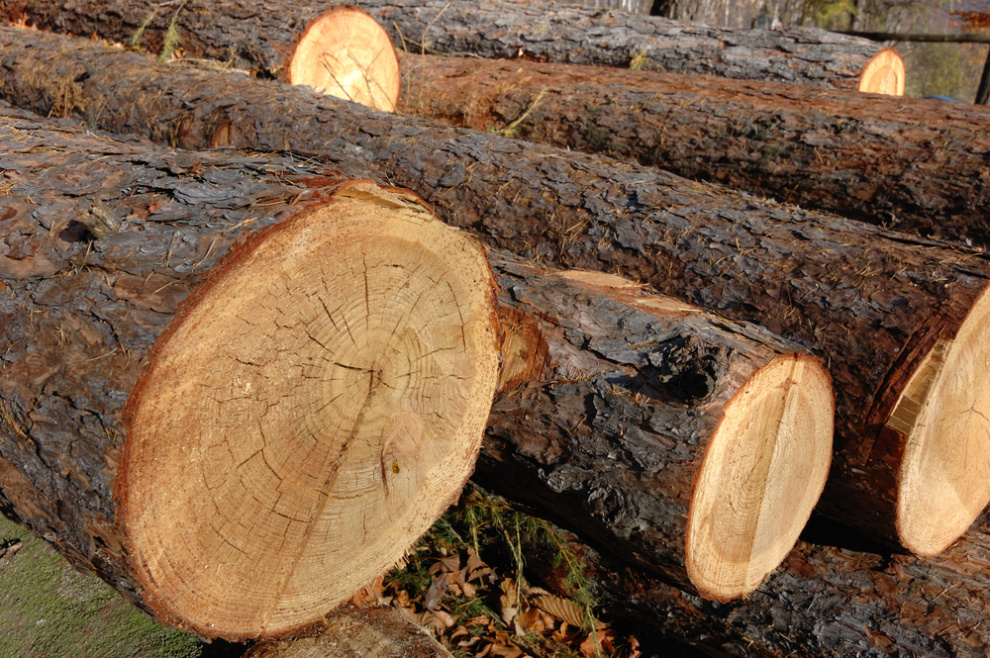
Price for logs exported from Canada increased 20%.

Price for newsprint exported from Canada gained 1.8%.
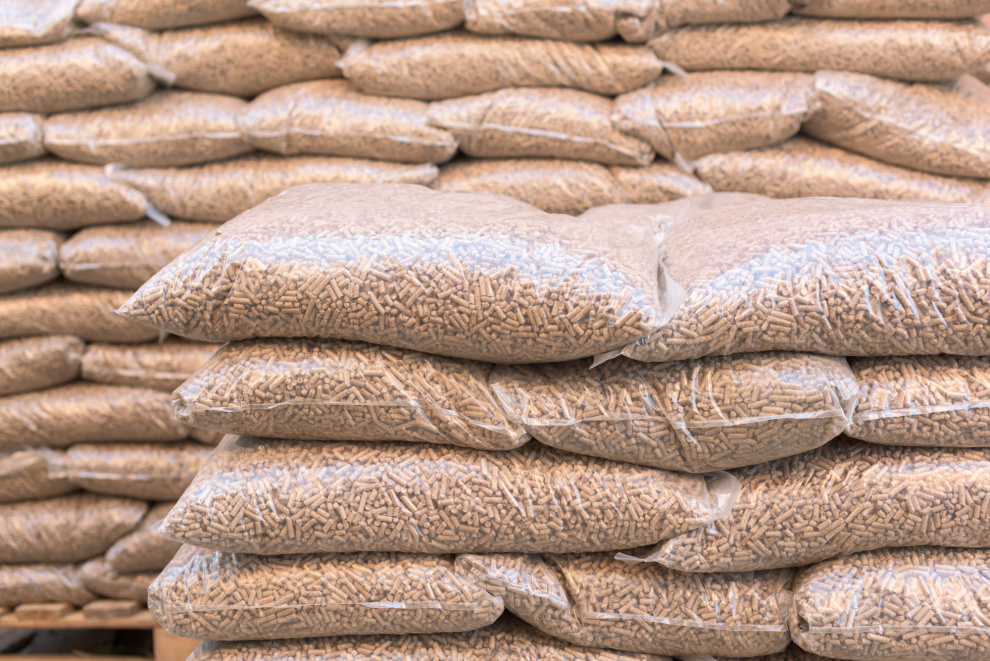
Price for wood pellets exported from Canada rose 1.4%.

Exports fell 6.6%.
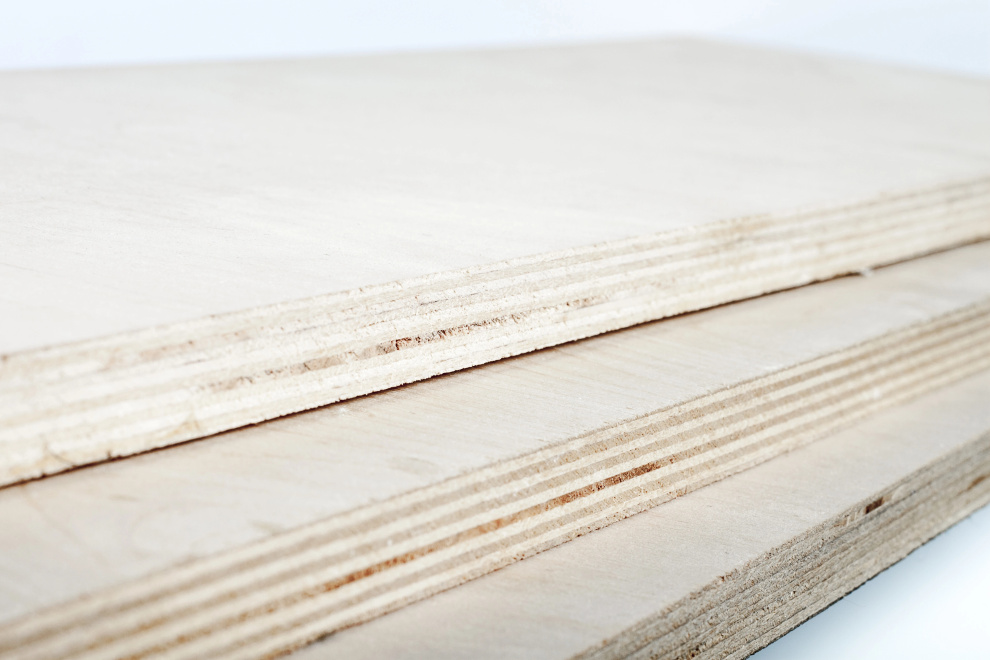
Price for plywood exported from Russia to the U.S. declined only 0.6%.
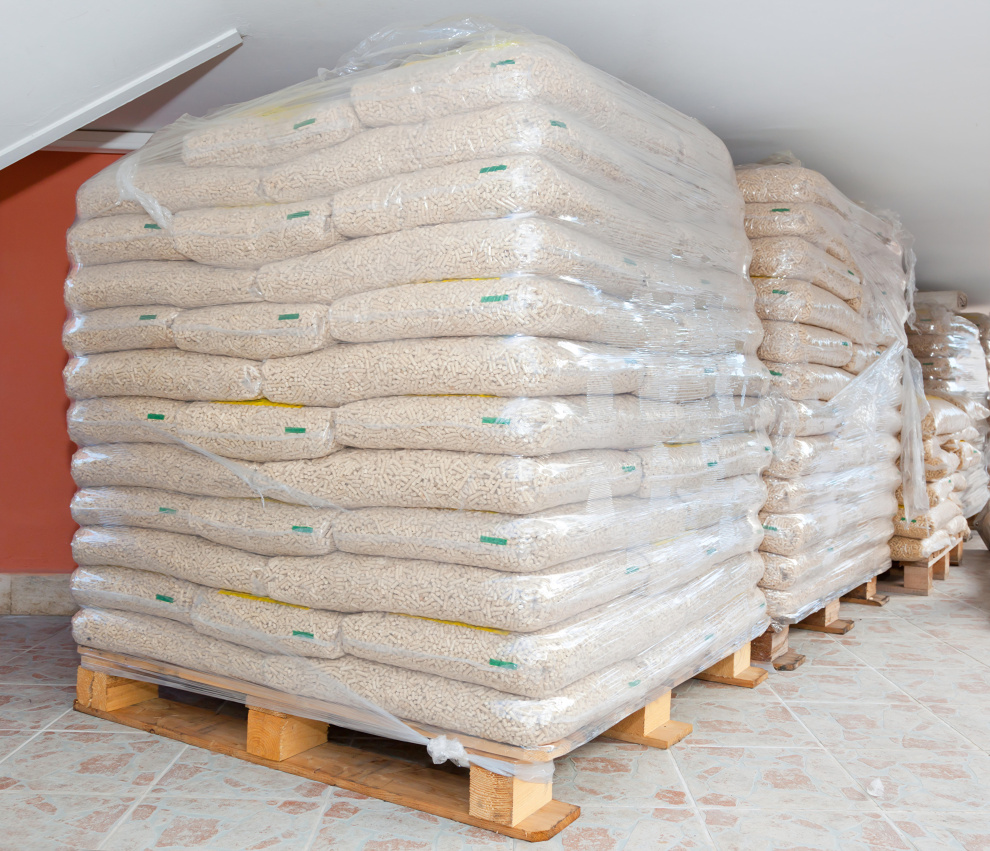
Price for wood pellets exported from the U.S. slid 2%.
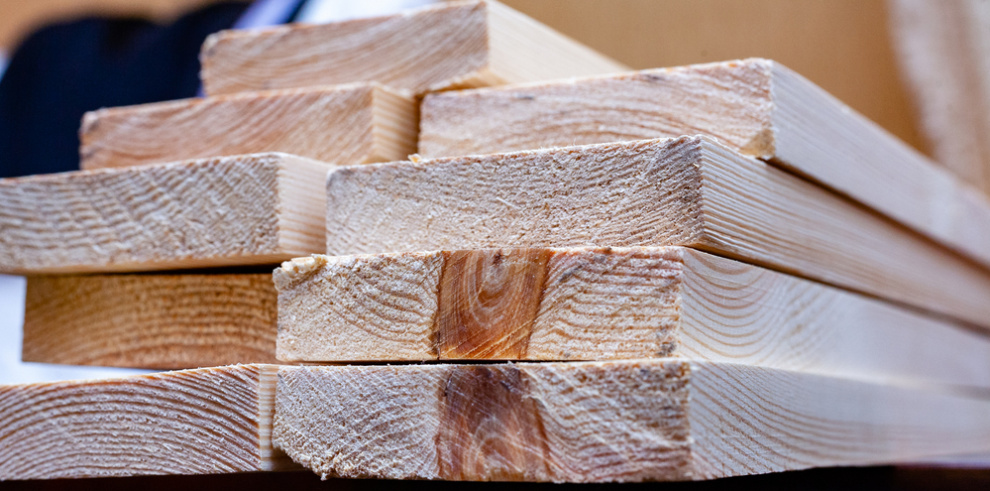
Price for softwood lumber imported to the U.S. rose 3%.
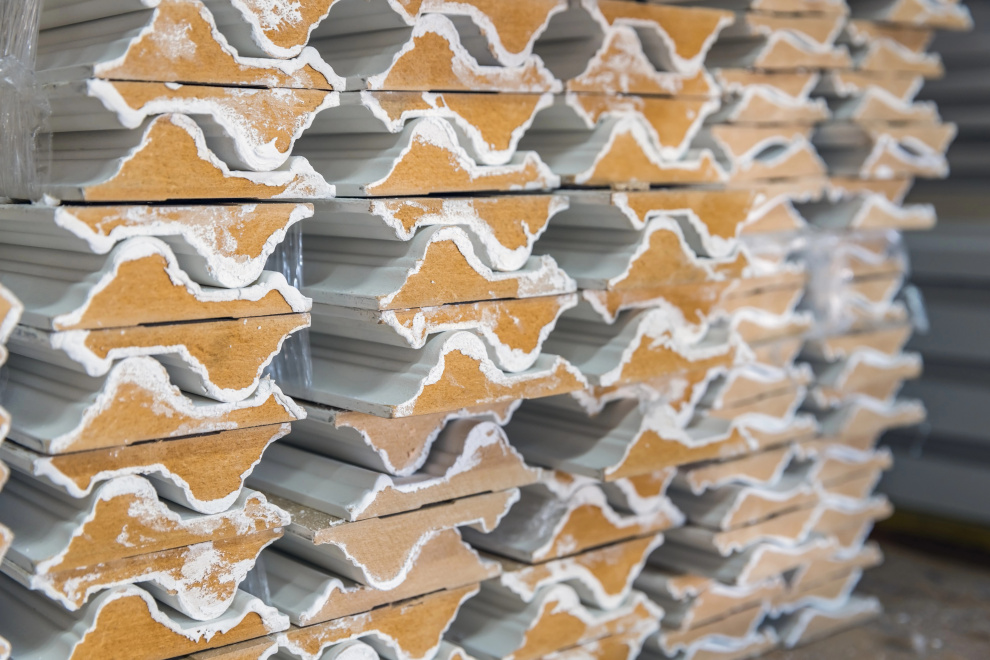
Expedited first five-year review finds dumping would likely continue if the order was revoked, with weighted-average dumping margins up to 231.60% for imports from China.
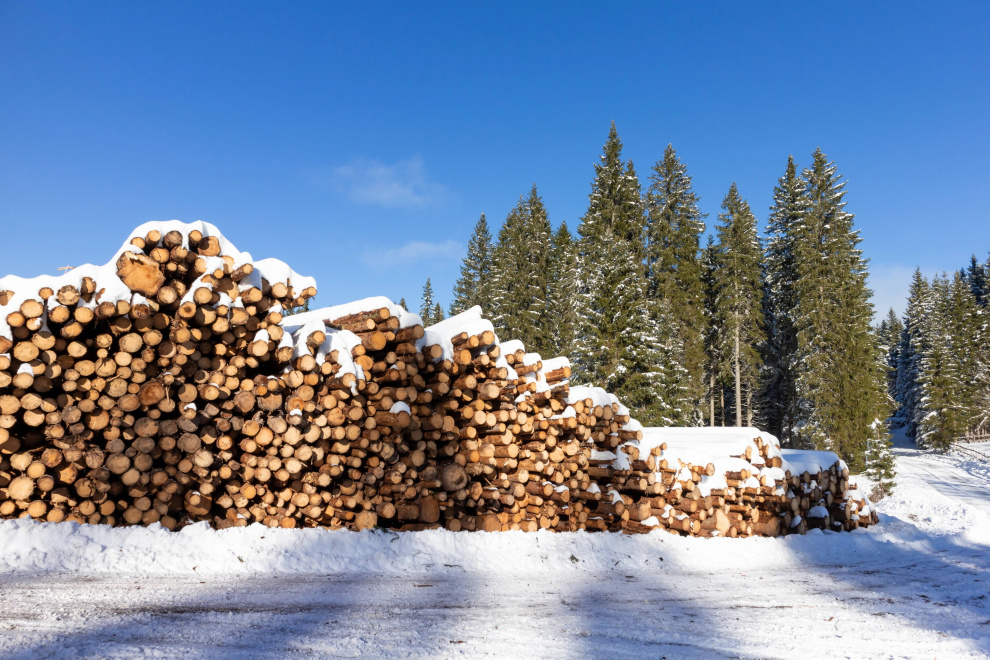
For delivery timber, prices increased on sawlogs and decreased on pulpwood.
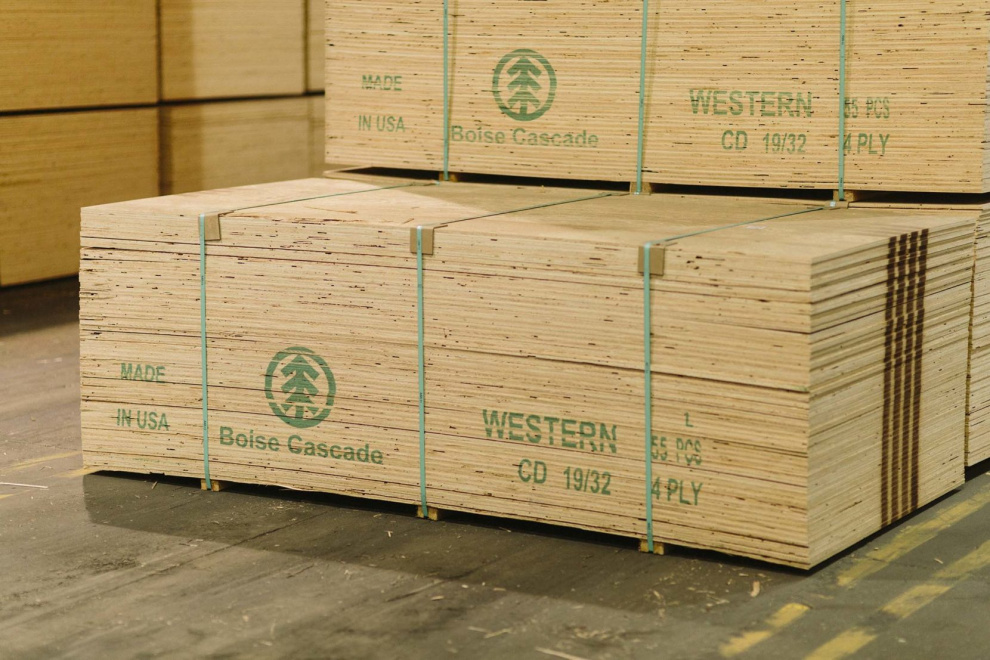
Volatile mortgage rates, weather disruptions, and cautious housing demand weigh on results and margins, with the largest pricing and gross-margin pressure in engineered wood products.