
Lower pulp prices and exchange rate effects cut consolidated EBITDA margin to 14%, while early signs of recovery appear in short-fiber markets.
Lower pulp prices and exchange rate effects cut consolidated EBITDA margin to 14%, while early signs of recovery appear in short-fiber markets.
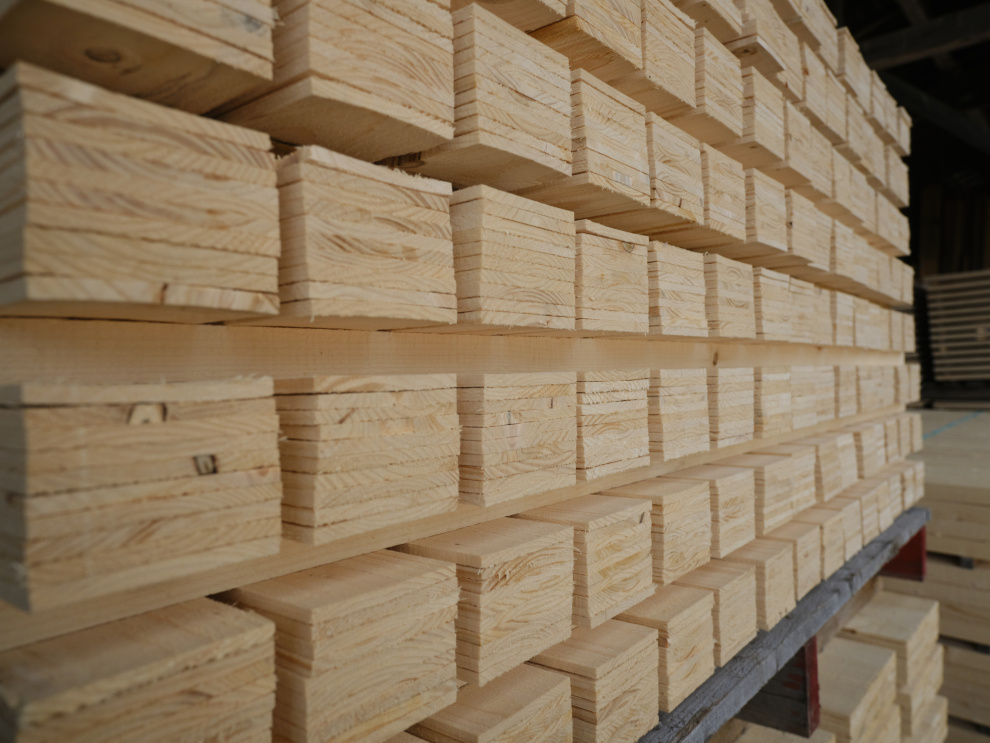
North American housing weakness, high duties, and soft global pulp prices drive lower production and margins across all regions.

Real estate EBITDA rises to $74 million; outlook indicates full-year results at or above prior guidance while Pacific Northwest EBITDA falls 26%.
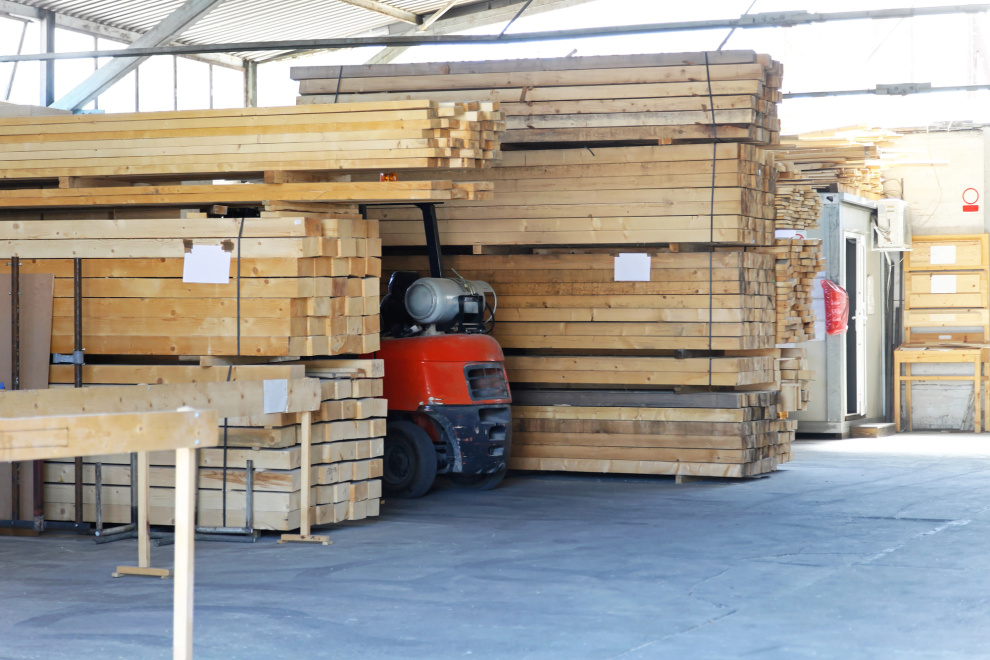
Cedar and cypress lumber prices fall while spruce/fir stud lumber sees a slight increase.
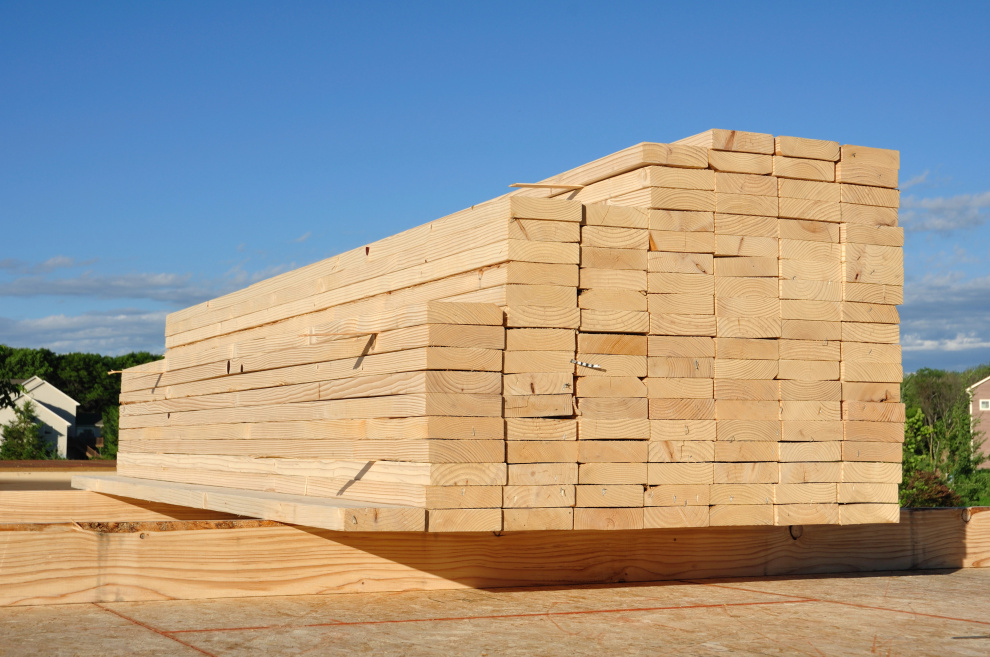
Price for lumber exported from the European Union to MENA rose 3%.
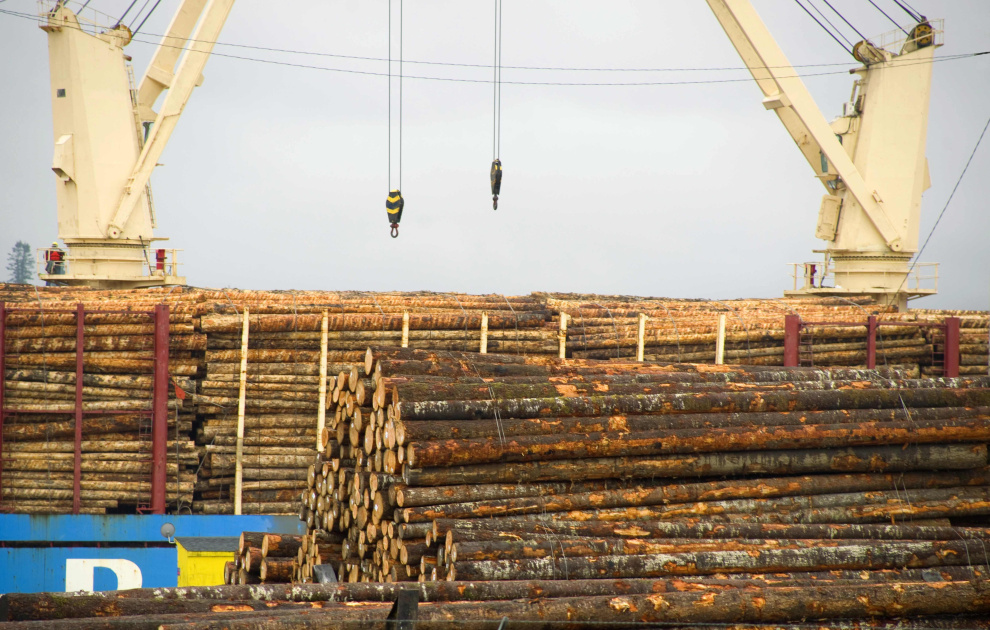
Price for logs exported from Germany to China lost 21%.

Exports of logs from Japan increased 10%.

Weekly decline of $11 contrasts with a $22 increase compared to the previous month.
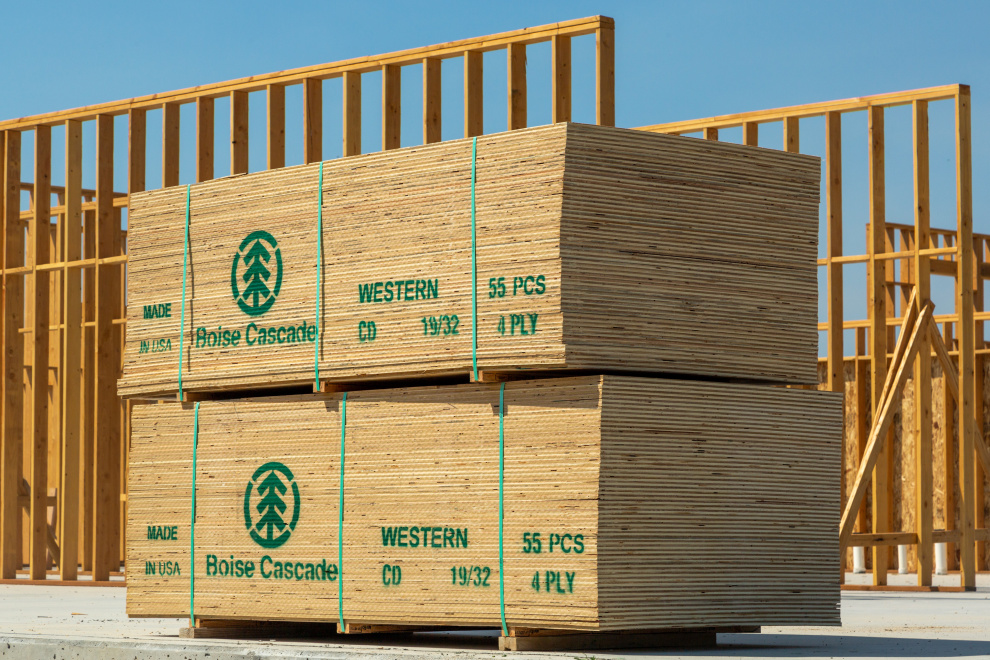
Third-quarter net income falls to $21.8 million on $1.67 billion in sales, while adjusted EBITDA declines 52% due to lower commodity prices and reduced single-family housing activity.

Operating rate drops to 88.7% as domestic output for plates, dishes and trays rises 14%.
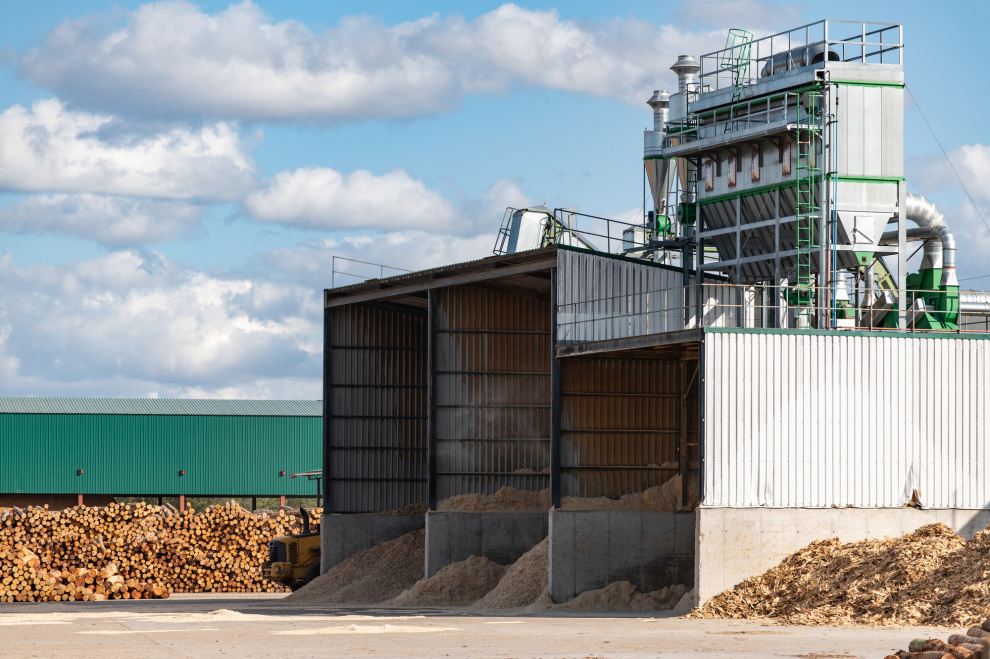
Imports of wood chips to Japan lost 20%.
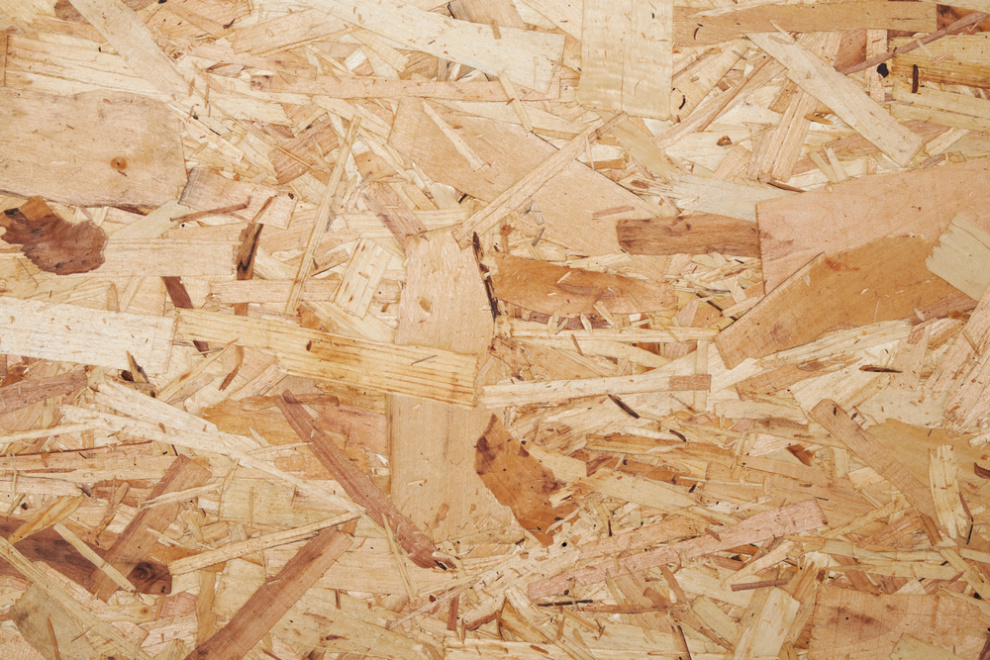
Exports of particle board from Turkey decreased 10%.
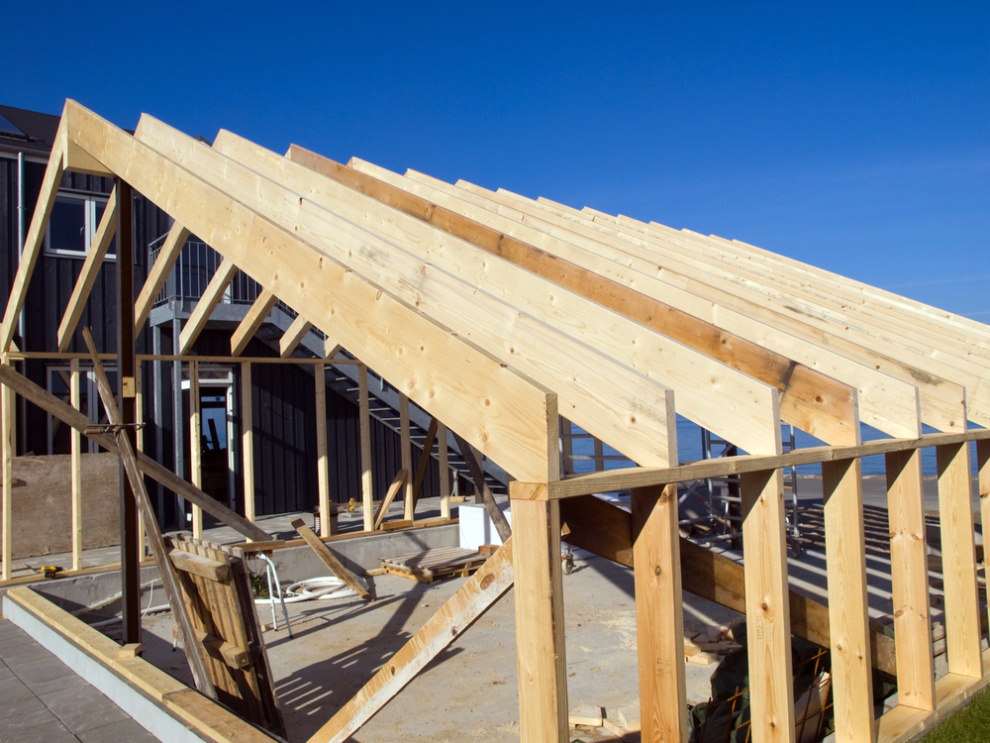
Wooden housing declines 2.2%, making up 63% of total starts.

Composite PMI output index remains at 50.0%, with service activity improving and construction slightly slowing.

Price for logs imported to Japan expanded 17%.
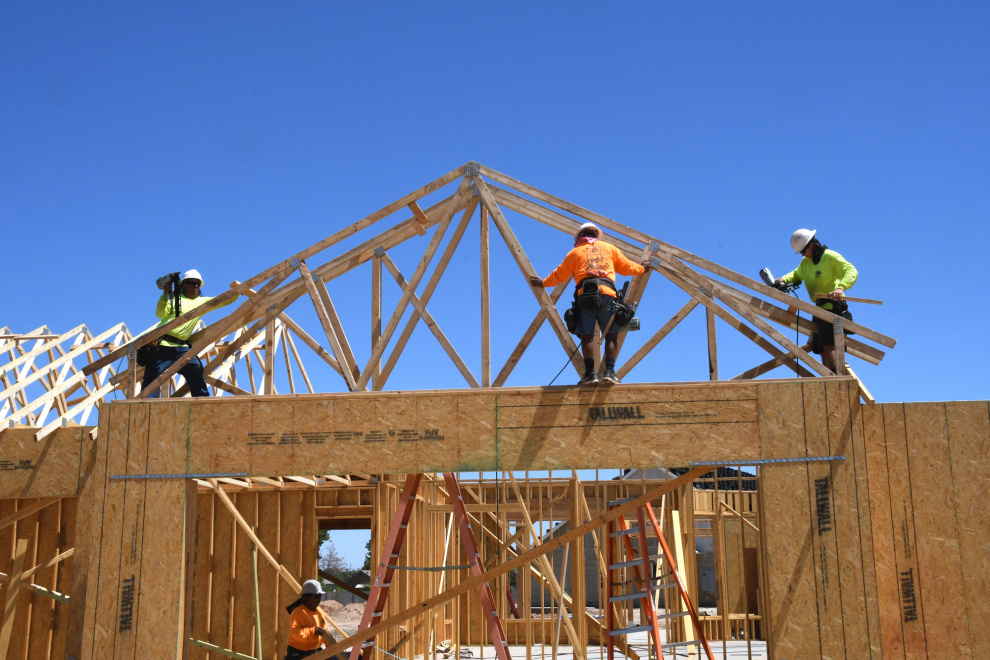
Third-quarter adjusted EBITDA declined 31% to $434 million, with gross margin dropping to 30.4% and net income down 57% to $122 million.
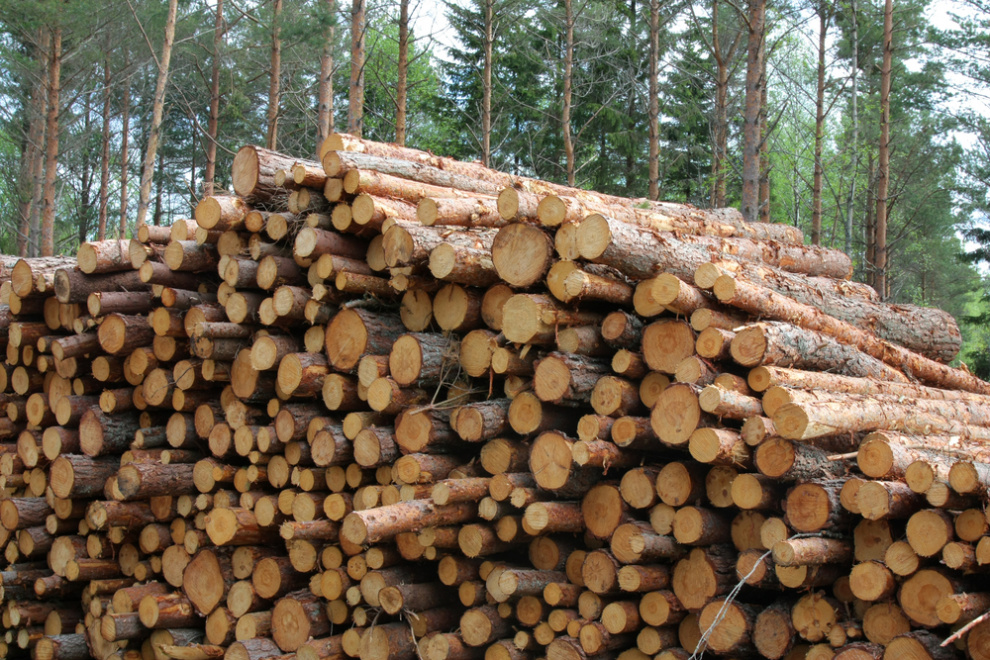
Cumulative purchases for January–September are two-fifths below last year as logging residues and delimbed stems volumes decline.

Imports of plywood to Japan downed 0.2%.

Softwood log imports decline by 13.0% in January–September 2025.
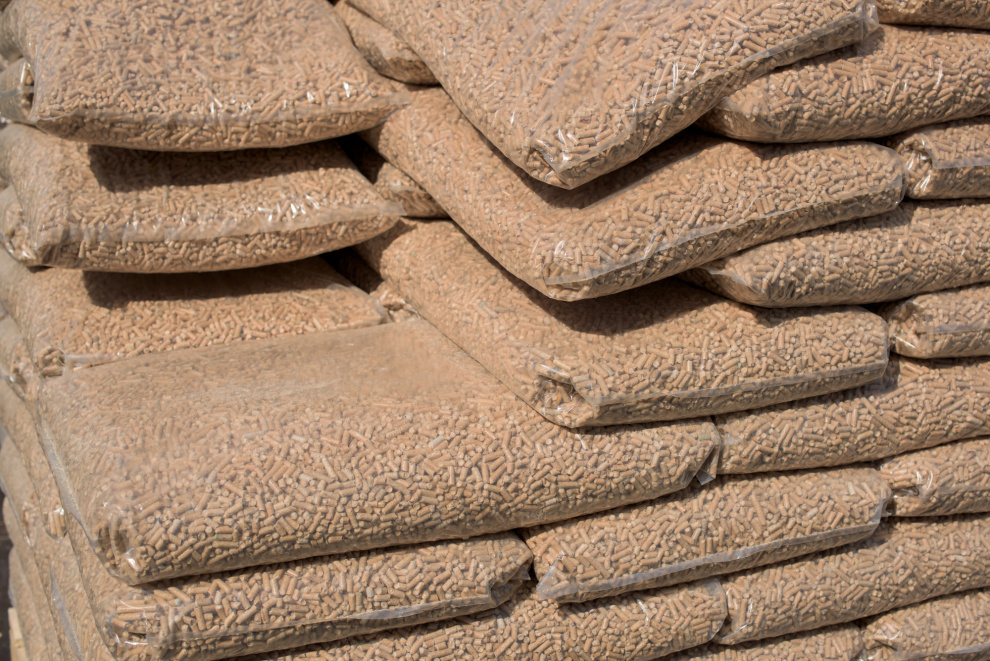
Imports of wood pellets to Japan expanded 14%.