
Higher pulp prices, strong renewable fuel demand and growth in advanced materials supported results, while weak graphic paper demand, high wood costs and geopolitical uncertainty continued to weigh on parts of the business.
Higher pulp prices, strong renewable fuel demand and growth in advanced materials supported results, while weak graphic paper demand, high wood costs and geopolitical uncertainty continued to weigh on parts of the business.

The homebuilder continues tactical pricing and sales pace adjustments as early signs of stabilization emerge in selected U.S. markets.
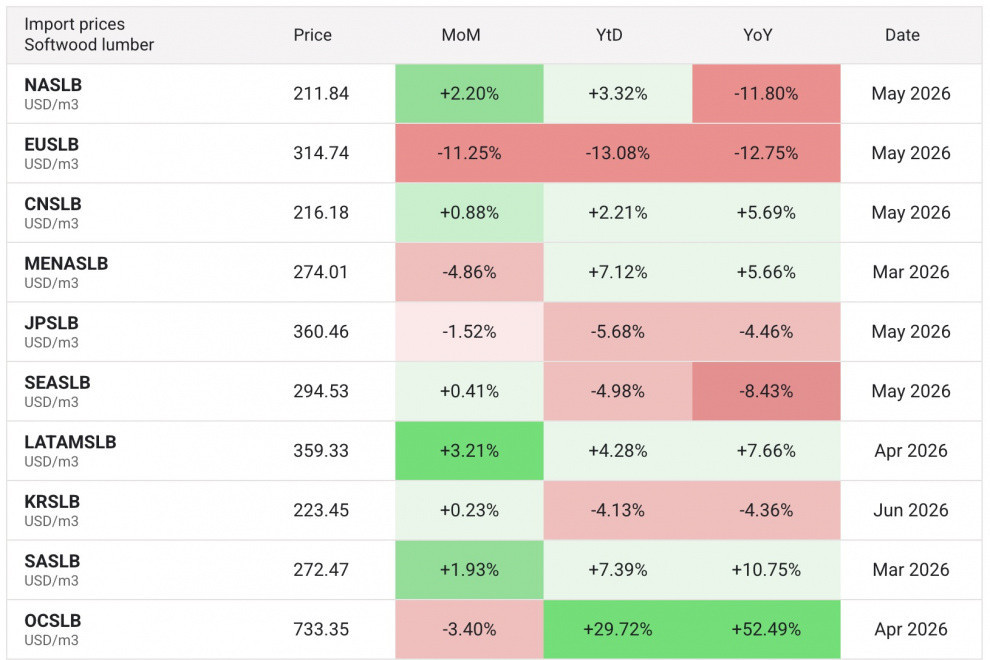
Update introduces regional import-price benchmarks, producer prices and PPI, a multi-series chart builder and an Analytics Data API subscription.
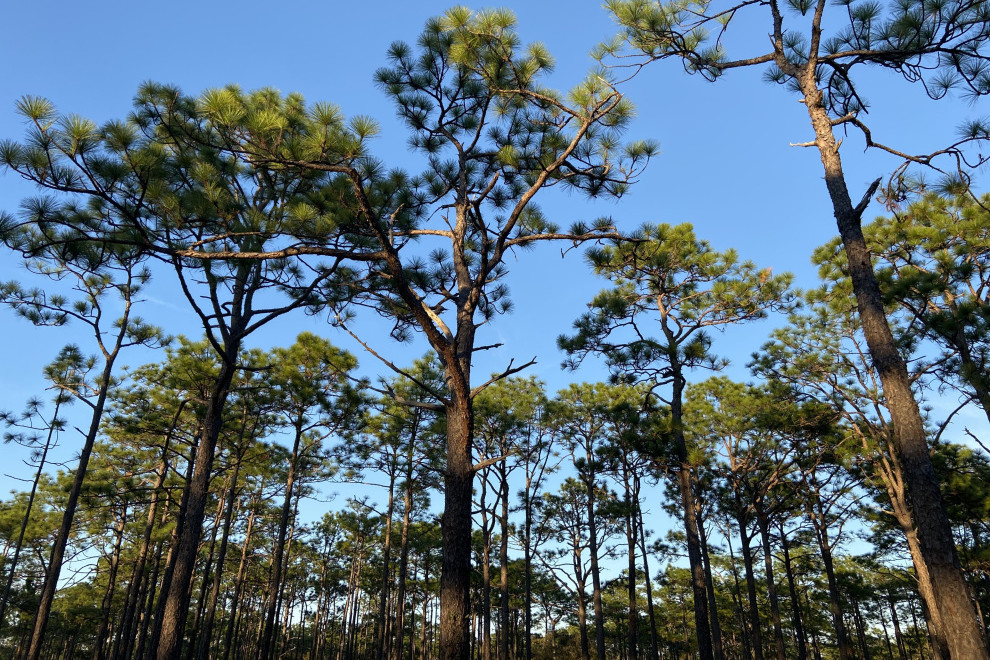
Mill closures in the U.S. South reduce fiber demand, while data centers and retail land sales continue to create investment opportunities.
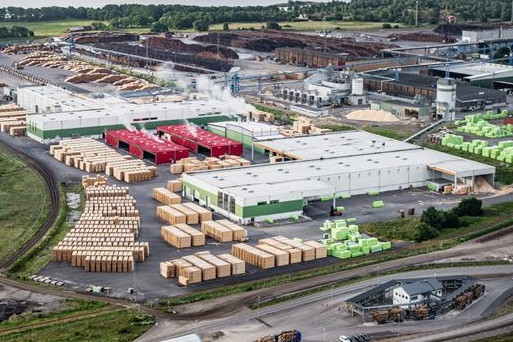
High raw-material costs and weak pulp, timber and construction markets continued to pressure prices and profitability.

The Finnish Financial Supervisory Authority has approved WISA Group Plc’s demerger and listing prospectus.
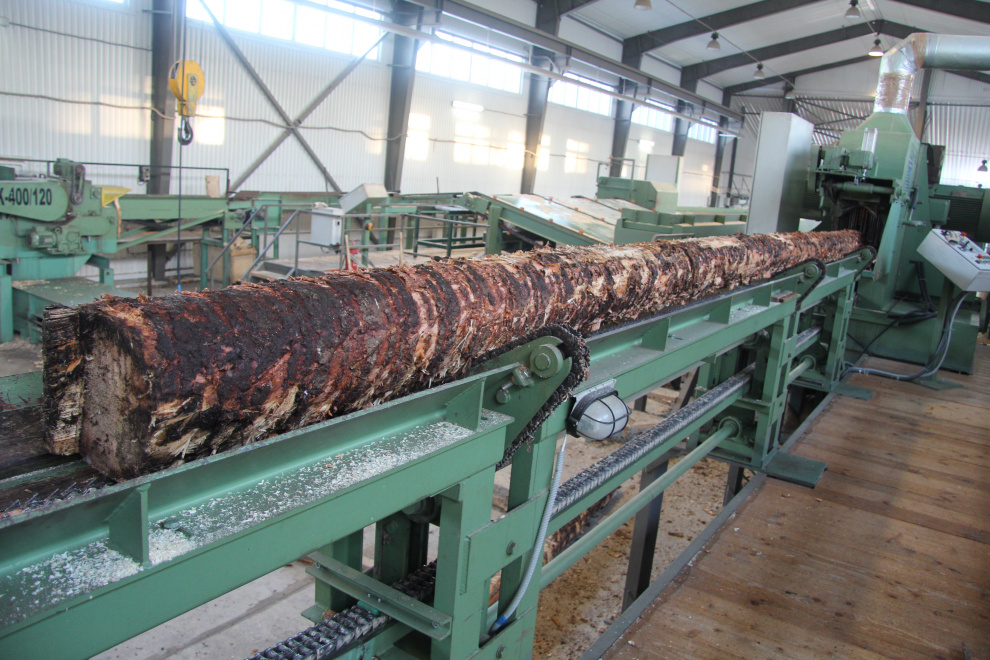
A strong ruble, weaker demand in China and rail-logistics bottlenecks are the main factors behind the projected decline.

The primary woodworking machinery sector has been hit harder by the downturn than the secondary segment that supplies machinery for further processing.
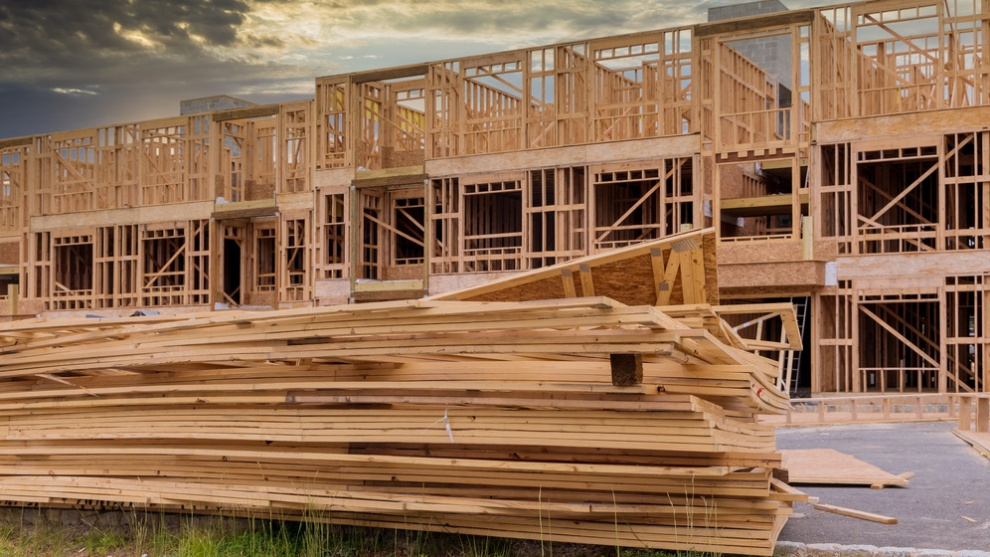
Slower household formation, reduced immigration, weak home sales, and a shortage of low-cost housing are expected to weigh on demand and affordability.

External logistics partner's performance at new Meppen facility causes delays, higher costs, and reduced delivery precision.

Raw material and logistics cost increases from prolonged conflict outweigh delayed price hike benefits amid demand weakness.
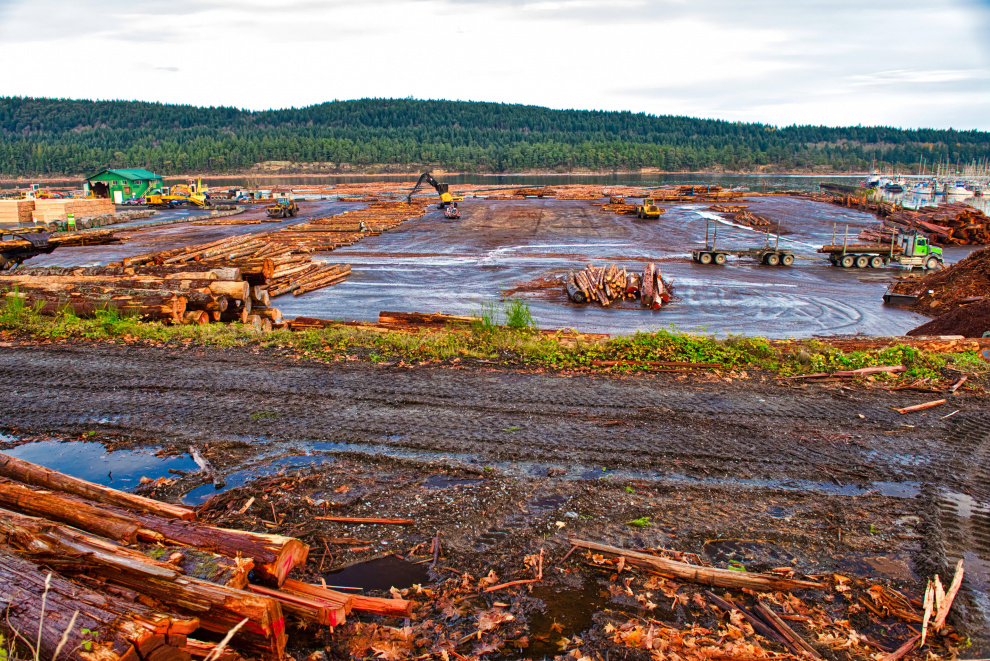
The plan sets four pillars — secure competitive wood fibre, invest in modernization and innovation, expand domestic and international markets, and support workers and communities, and will feed into a formal Forest Sector Strategy by the end of 2026.
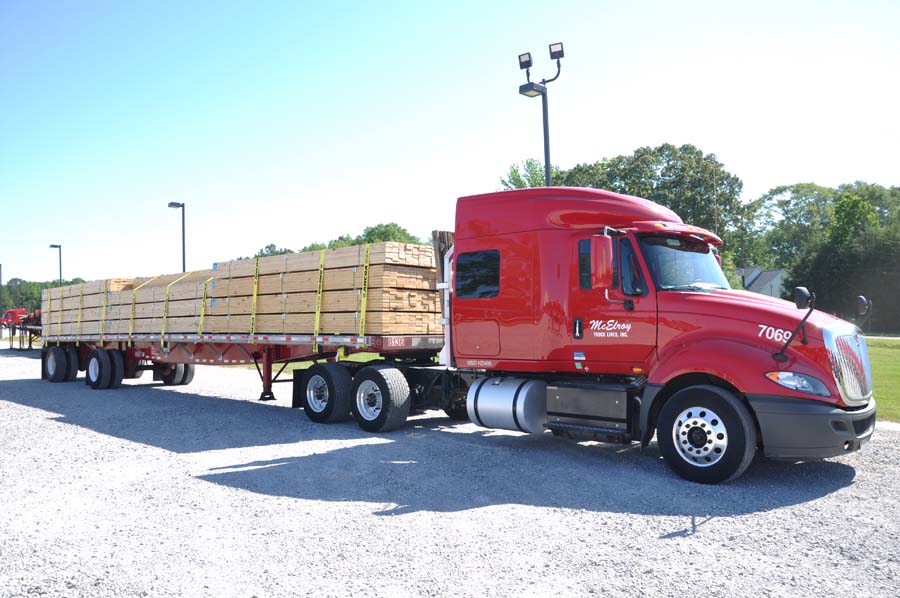
Institutional investment, fast-growing Southern Yellow Pine and advanced sawmill technology are positioning the Southeast as a steady supplier for engineered structural products.
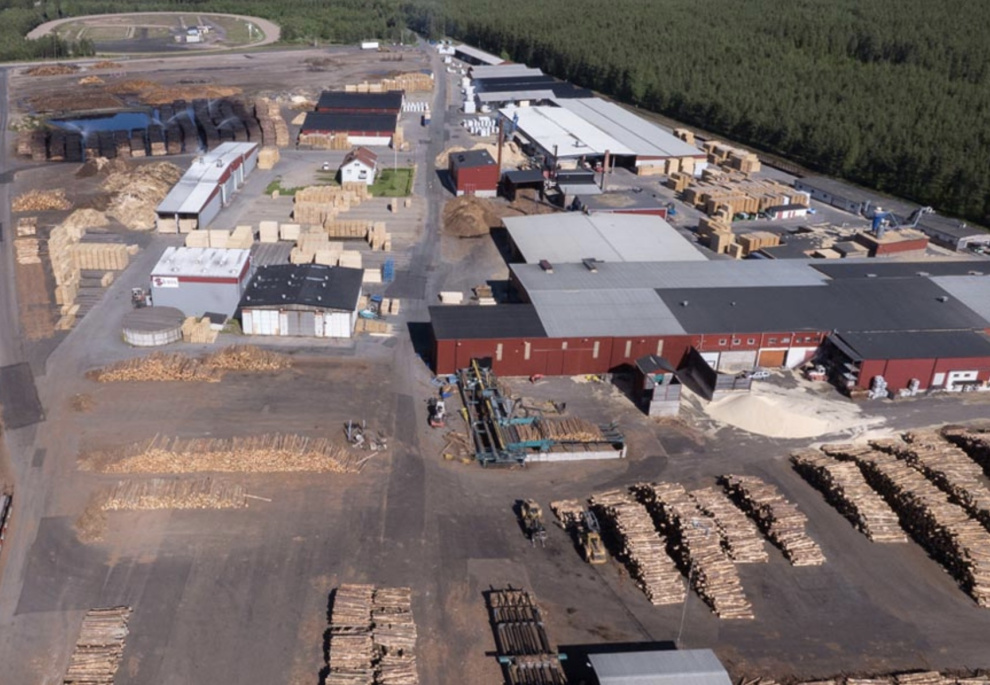
Timber price declines may ease costs only with a lag and further closures are likely if the market doesn't improve.
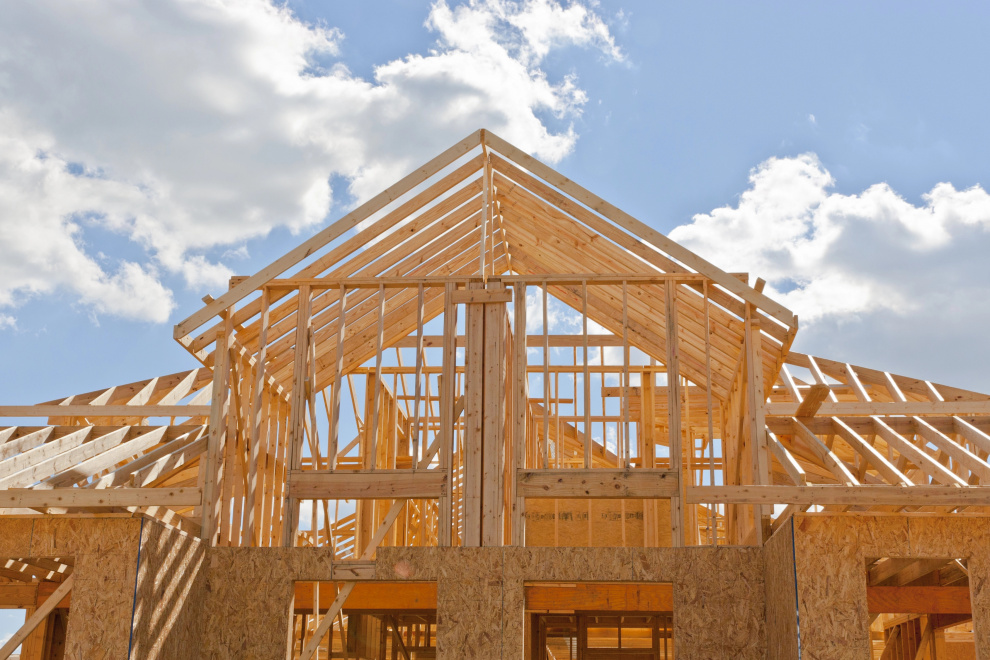
Weaker housing-related conditions in Ontario and British Columbia and more severe winter weather disrupted shipments and cut quarterly deliveries.

The U.S. South leads 2025 timberland trading with more than 560,000 acres, representing 56% of total volume.
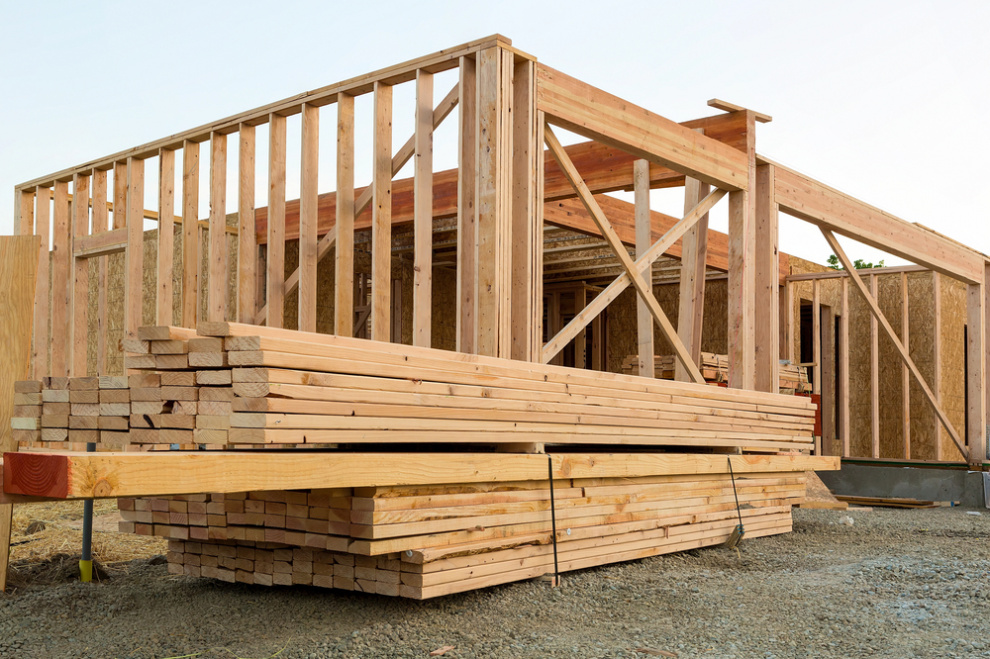
Lumber prices rose from late-2025 lows, but duty deposits and reduced operating days continued to pressure liquidity and volumes.
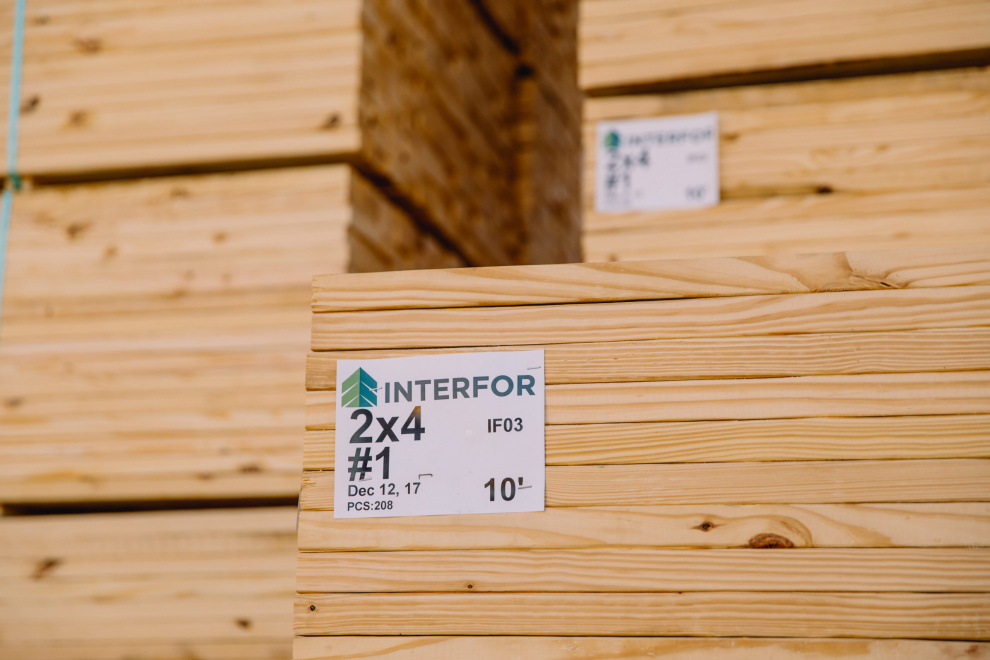
Higher lumber prices lifted results, but logistics constraints cut shipments and increased inventories.
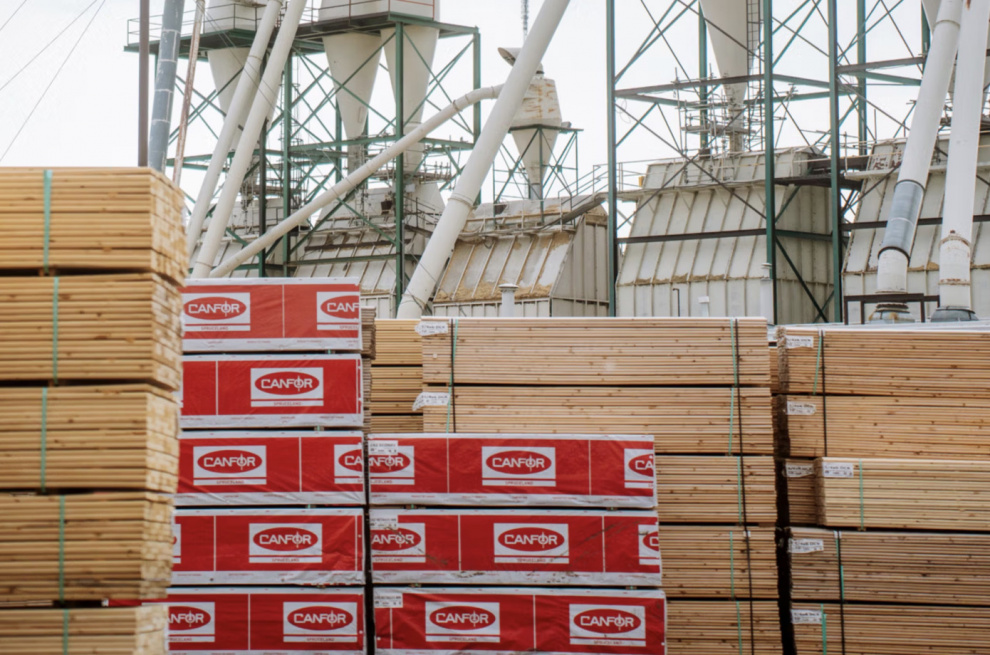
Lumber pricing rises on tighter supply, but weak demand, duties, and disruptions cut shipments and keep both lumber and pulp operations under pressure.
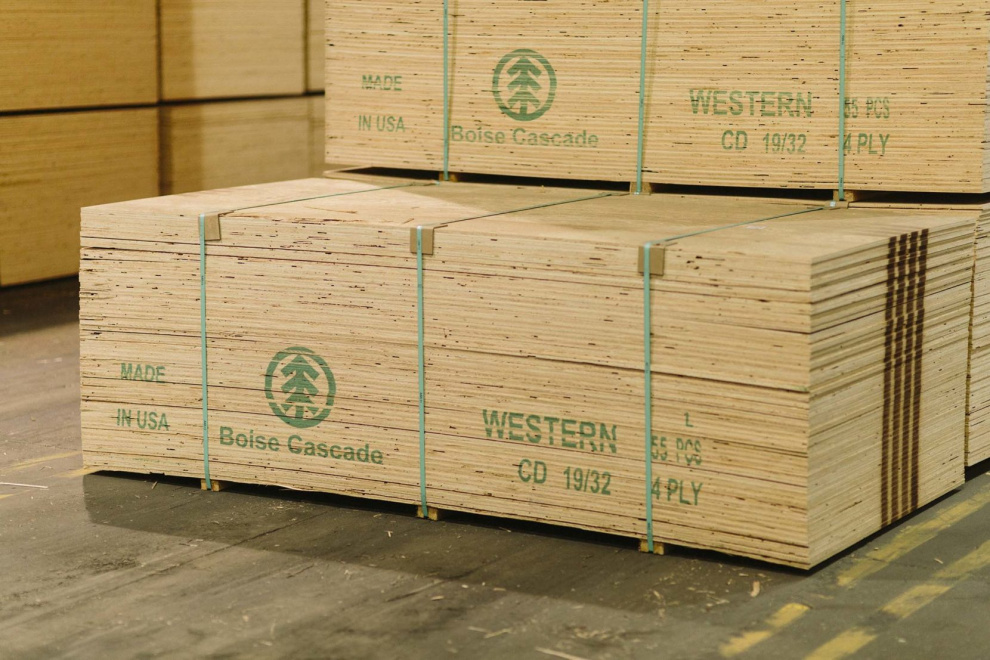
Volatile mortgage rates, weather disruptions, and cautious housing demand weigh on results and margins, with the largest pricing and gross-margin pressure in engineered wood products.