
Manufactured home shipments rose 2%, while net income fell 40% as sales to RV makers dropped 15%.
Manufactured home shipments rose 2%, while net income fell 40% as sales to RV makers dropped 15%.

The Indian plywood and MDF maker’s plants are running at nearly 98% of capacity.

Net sales orders fell 7% and cancellations rose to 23%; the largest U.S. homebuilder expects incentives to stay elevated and fiscal 2027 revenue of $30 billion to $32 billion.

Stronger softwood lumber markets lifted prices while New Brunswick softwood volumes fell; Acadian expects sawlog demand and prices to remain stable until end-use markets improve.

Sawlog deliveries rose 4% while sawmill margins stayed under pressure; Sveaskog expects lower log prices to gradually improve sawmills’ conditions, with some delay.

Higher mortgage rates affected orders and deliveries; the company expects 9,350 to 9,650 home deliveries and $3.3 billion to $3.4 billion in 2026 home sales revenue.
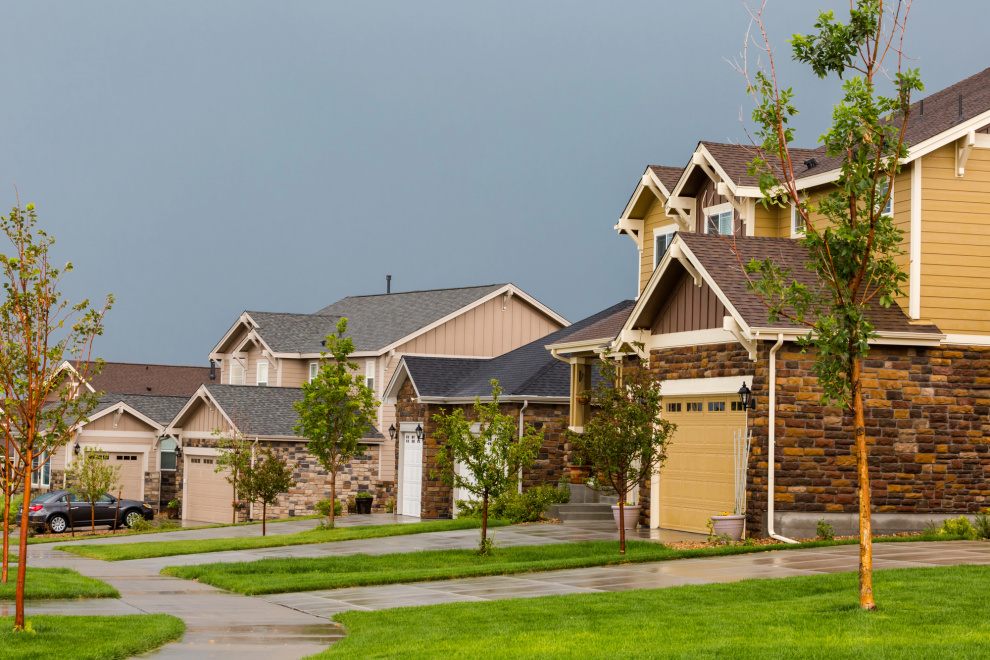
Constrained affordability weighed on consumer sentiment; management expects unpredictable market conditions over the next several quarters.

Capacity closures improved the paperboard supply balance and prices; company expects pulp market conditions to improve toward year-end.

Homebuilding revenue rose 3% to $942 million while homebuilding gross margin fell to 14.9%; the company maintains 2026 guidance for approximately 9,250 home closings.

Lower housing starts reduced organic sales and gross profit; the company expects $60 million to $70 million in productivity savings in 2026.

The curtailments will cut annual capacity by 500 million square feet of OSB and 225 million board feet of southern yellow pine lumber.

The U.S. maker of pallets, decking and building components kept its 2026 outlook unchanged.

A $1.38 billion non-cash goodwill charge drove the reported loss; North American operating profit targets are $460 million to $500 million for the fourth quarter and $1.3 billion to $1.4 billion for 2026.
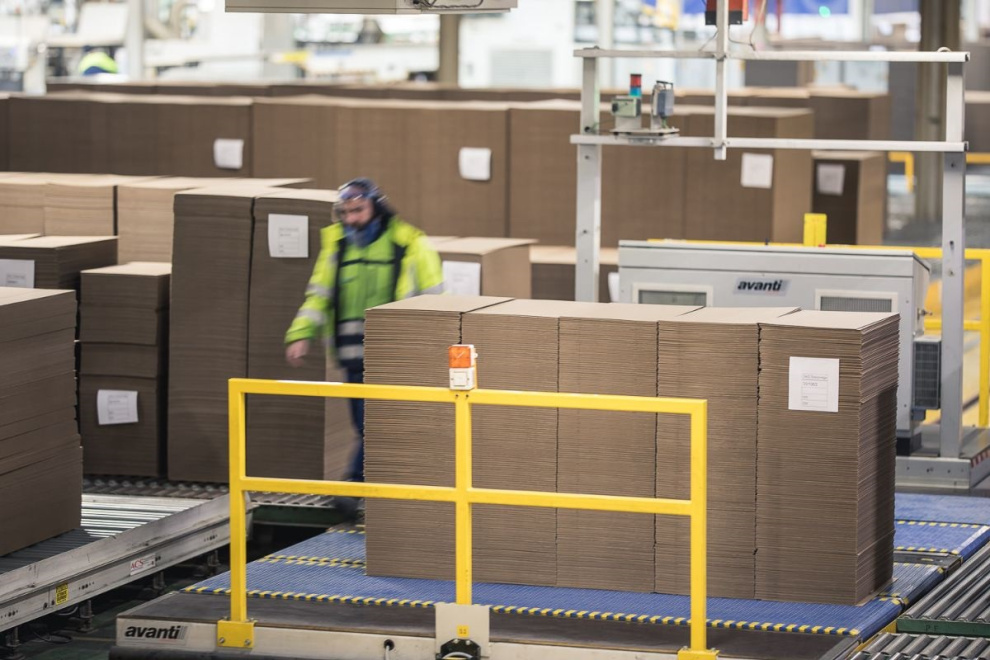
Smurfit Westrock expects price increases to more than offset freight and energy costs, with full benefits into 2027.

Company expects lower deliveries and higher variable costs in the second half; production at its Leuna biorefinery to start in Q2 2027.

Profits across all industrial enterprises rose 15.5% over the same period.

Lower own operating expenses also contributed to the result; Mellanskog expects the incoming government to prioritize compensation rights related to species-protection prohibitions.

Record group sales lifted results, while inflation, tariffs and Mineral Fiber mix pressured margins; Armstrong expects 2026 adjusted EBITDA of $602 million to $612 million.

The paperboard maker is pushing through price increases and expects the market to keep recovering, while problems at its Augusta mill continued into October.

Lower timber prices, efficiency gains and currency effects improved the result; planned maintenance shutdowns weakened July performance.