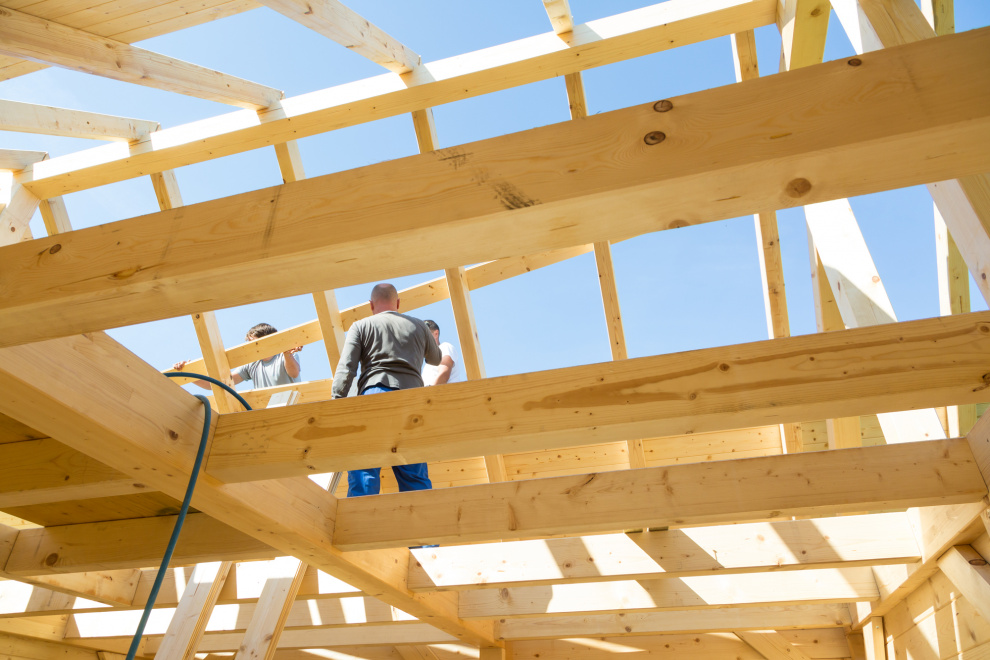
Single-family starts rose 7.6% from July.
Single-family starts rose 7.6% from July.

Customers will keep their existing brand relationships while gaining access to a broader range of cutting products and expertise.
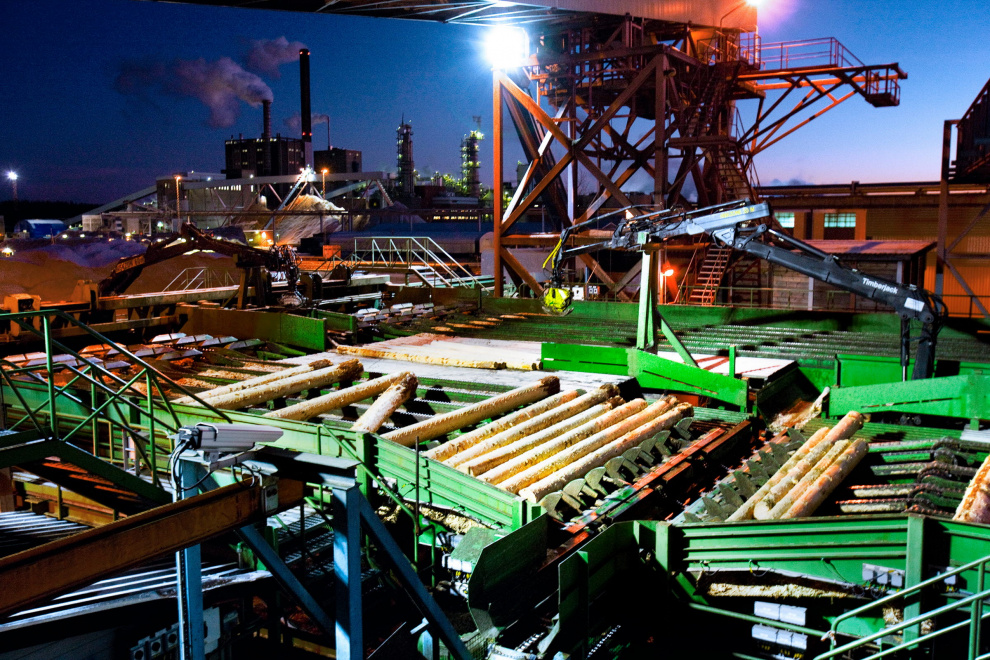
Several producers improved results, while mill closures reduced Nordic lumber capacity and production.
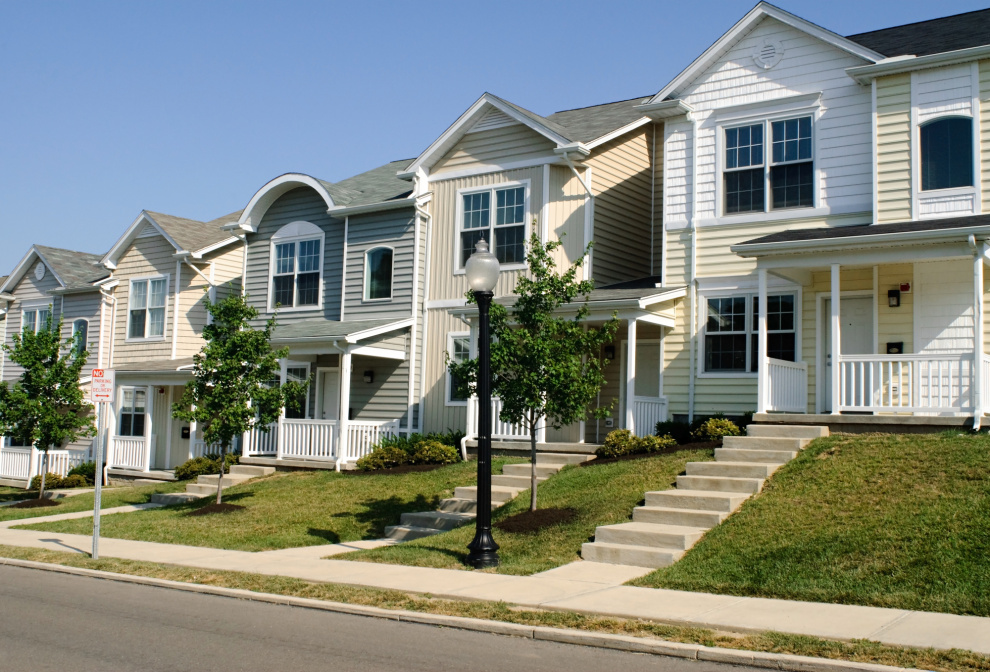
Inventory reaches 1.62 million units, while the median existing-home price rises 1.6% from a year earlier.
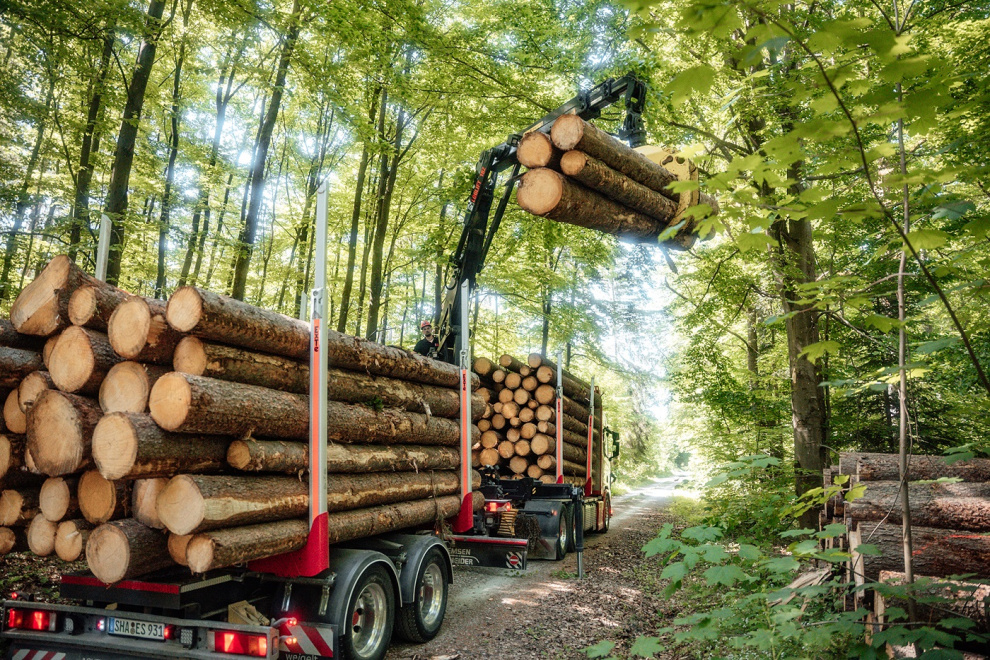
The association cites a continued weakened market situation and lower demand for the reductions.

Regional constraints, limited plantation expansion and infrastructure barriers will restrict how much additional softwood roundwood reaches markets.

The planned closure will remove about 110 thousand m3 of annual lumber production.

Prices increased for the second consecutive year after declining in 2023.
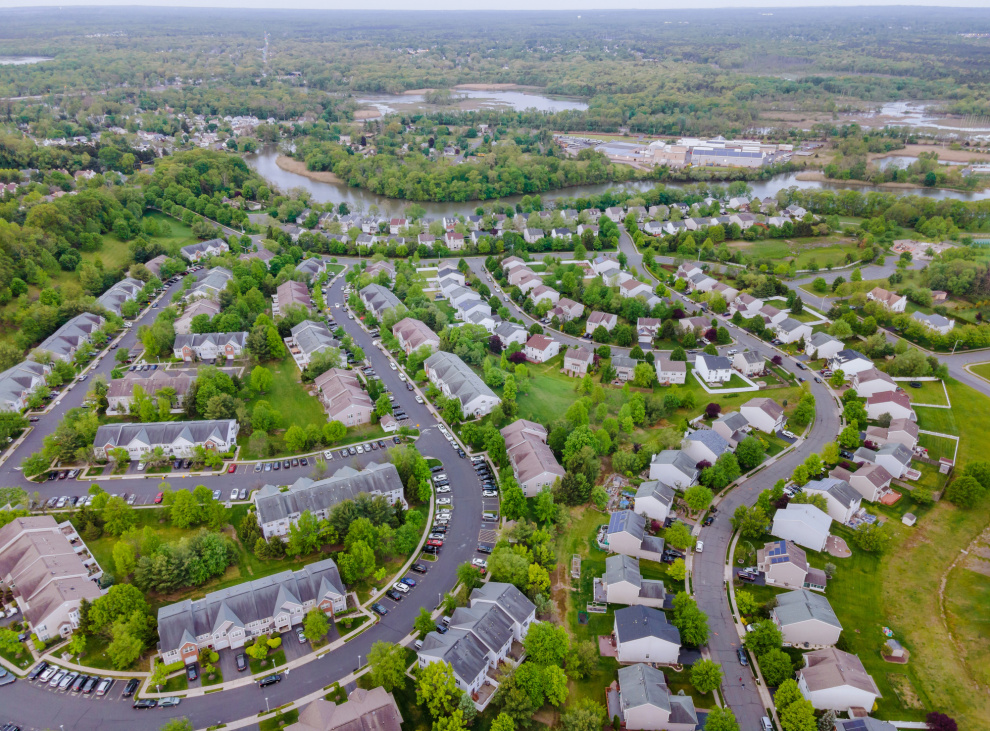
Private residential spending ran at US$859.0 billion in July, down from US$870.6 billion in June.
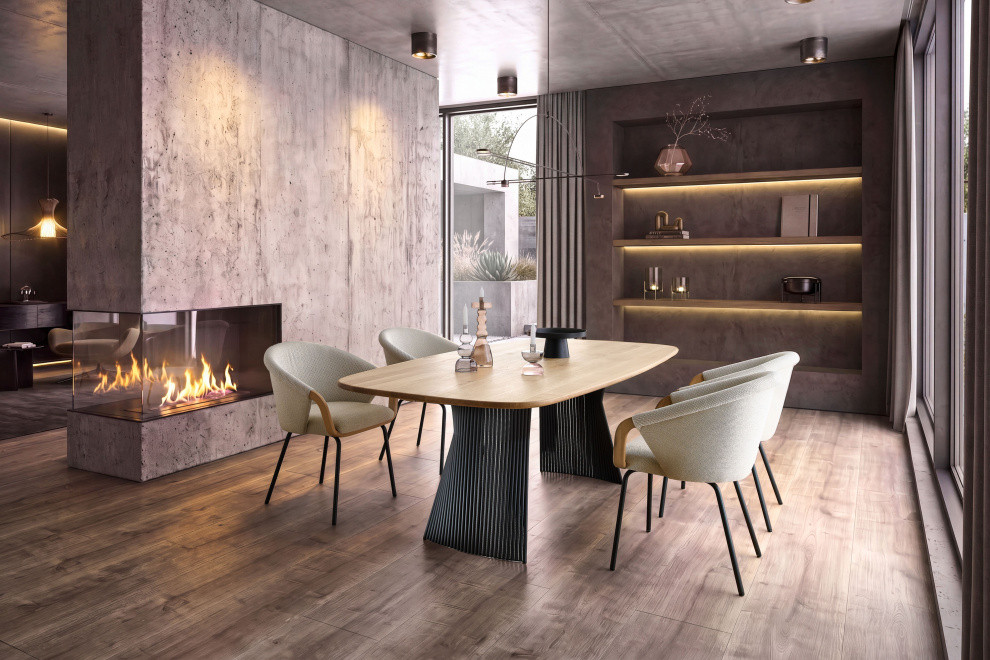
Domestic sales fell 4.1%, while U.S. shipments declined amid tariffs. The industry expects full-year sales to decrease approximately 3%.
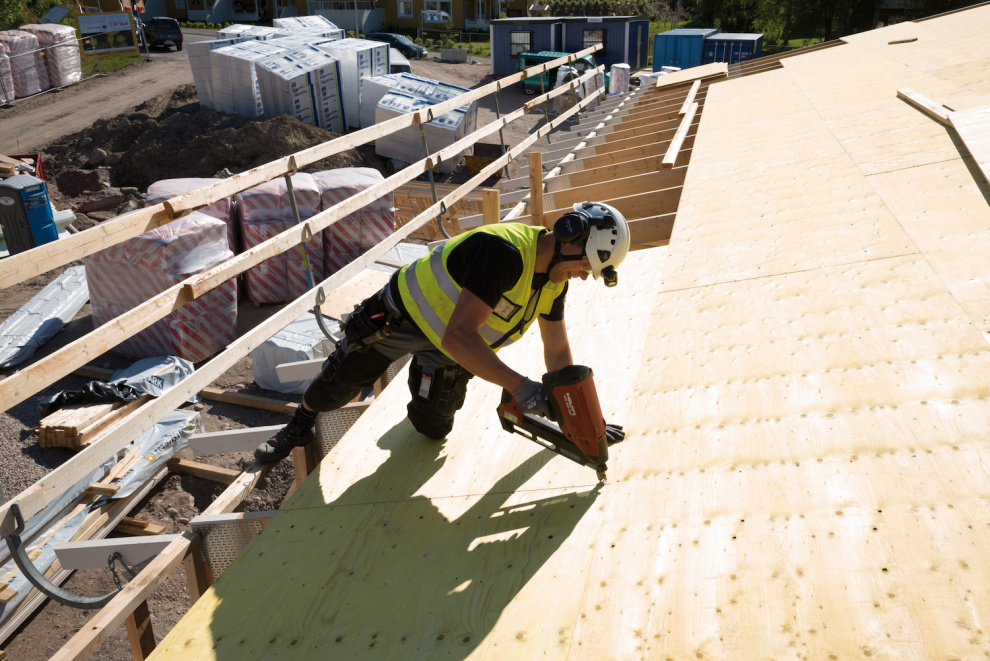
The new company is planned to take over UPM’s plywood business after the October demerger and is expected to begin trading in November.

Georgia timberland owners lose buyers as mill closures cut 3% of U.S. containerboard capacity.
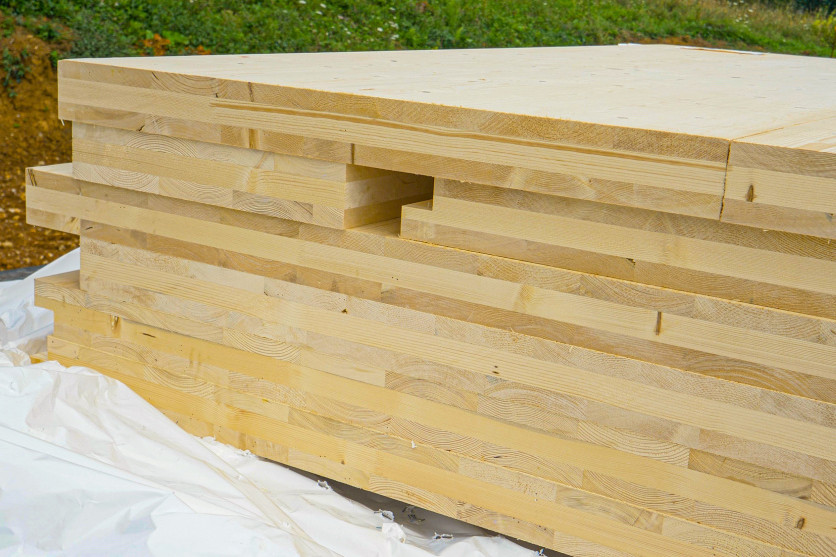
The modeled expansion would also increase the role of lumber suppliers, with dimension lumber the largest intermediate input.
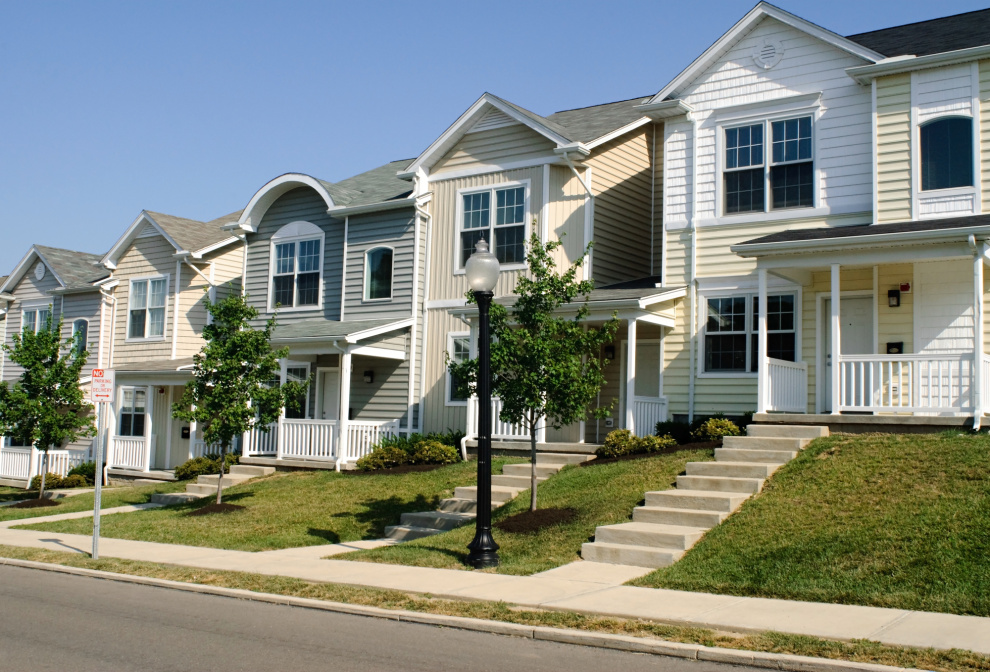
The national index rose 1.5% from a year earlier in June, after a 1.2% annual gain in May.
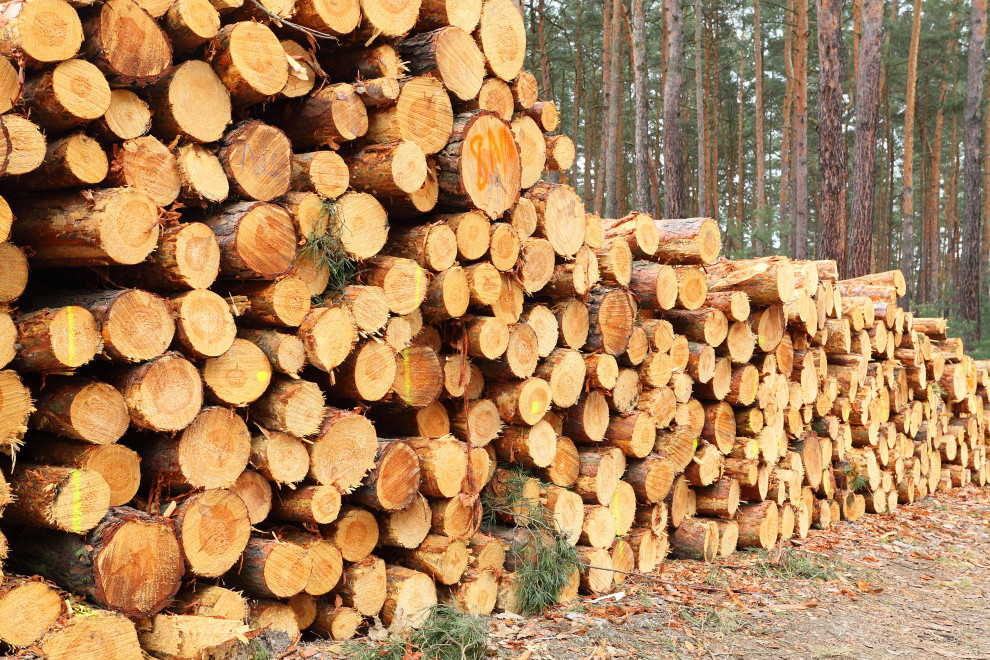
Prices for sawlogs, pulpwood and fuelwood all decreased from the first quarter, while delivery timber prices also fell.
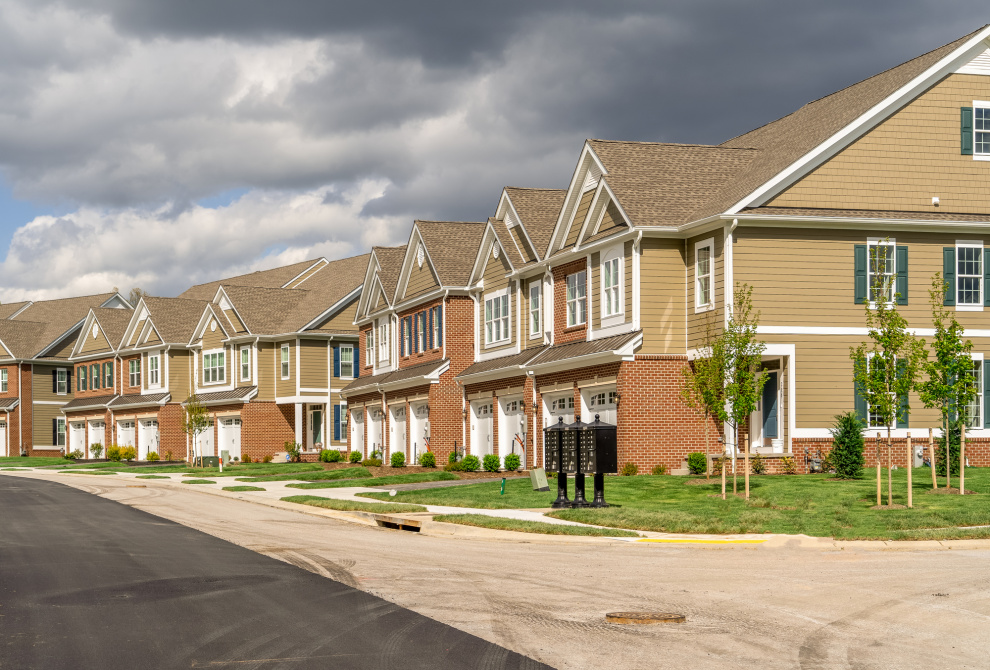
Sales of new single-family homes fell to 607,000 in July, from 678,000 in June.
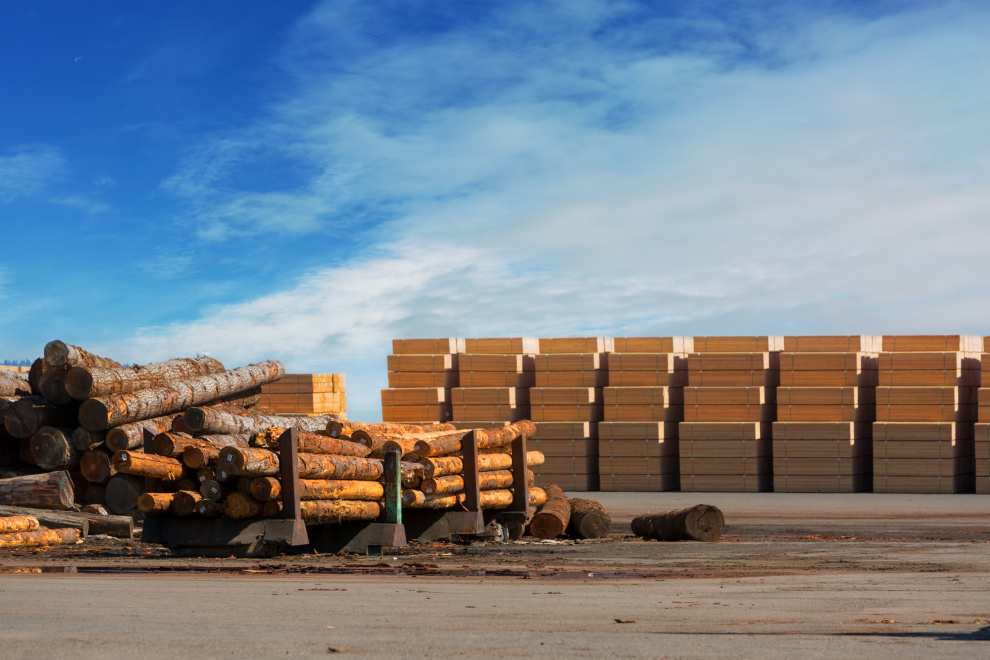
Forest-product shipments weaken as U.S. and Canada move closer to a broader trade conflict.
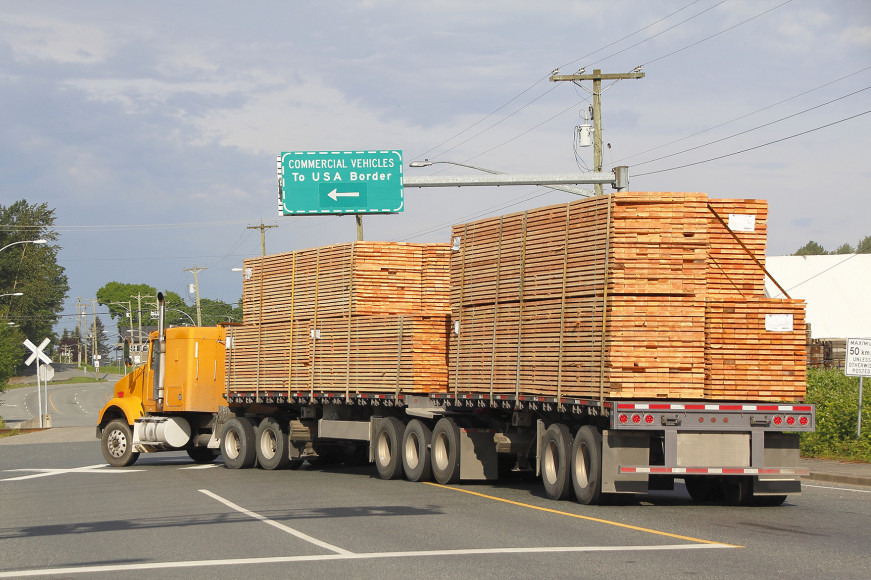
The three-day pause gives negotiators time to finalize a broader agreement covering market access and other bilateral trade issues, with Canadian lumber among the products exposed to the planned additional U.S. tariff.
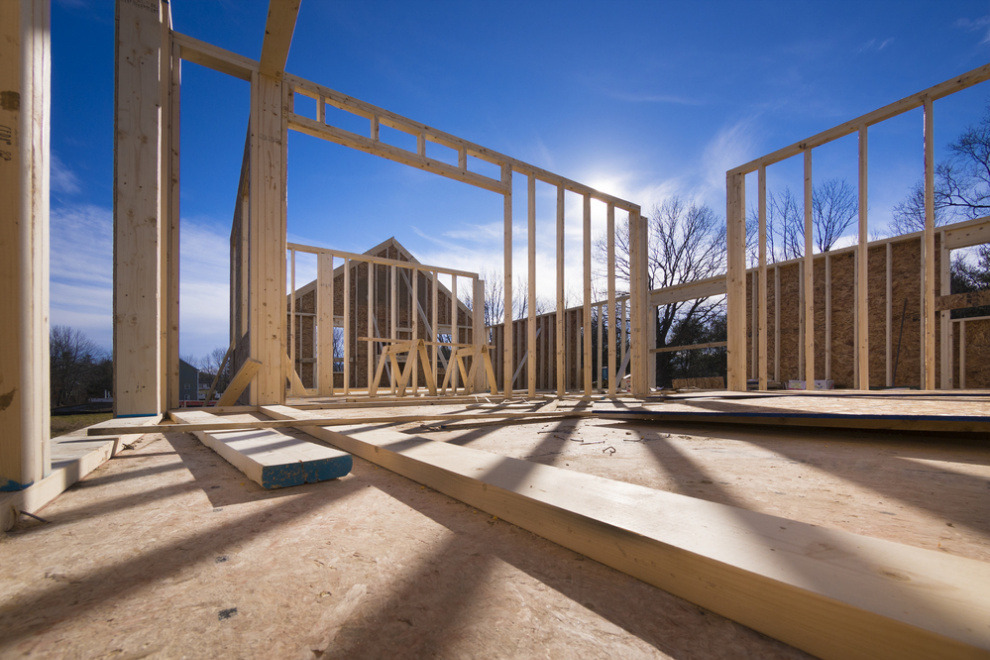
The law also directs the Department of Housing and Urban Development to identify financing barriers for modular housing and study a federal building standard.
Sawlog and pulpwood stocks rose in timber balance region 2, while pulp chip stocks increased in all regions.