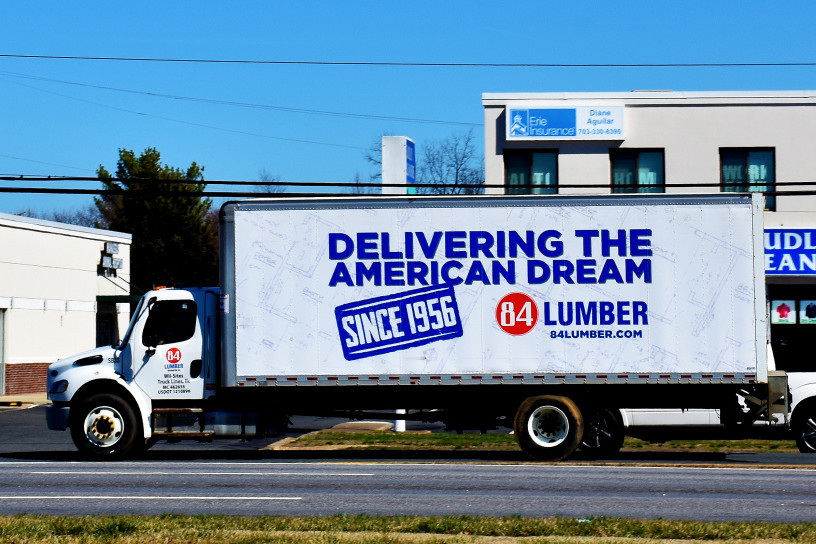
Dealers report higher supplier prices, reduced Canadian shipments and longer lead times after the duties took effect.
Dealers report higher supplier prices, reduced Canadian shipments and longer lead times after the duties took effect.
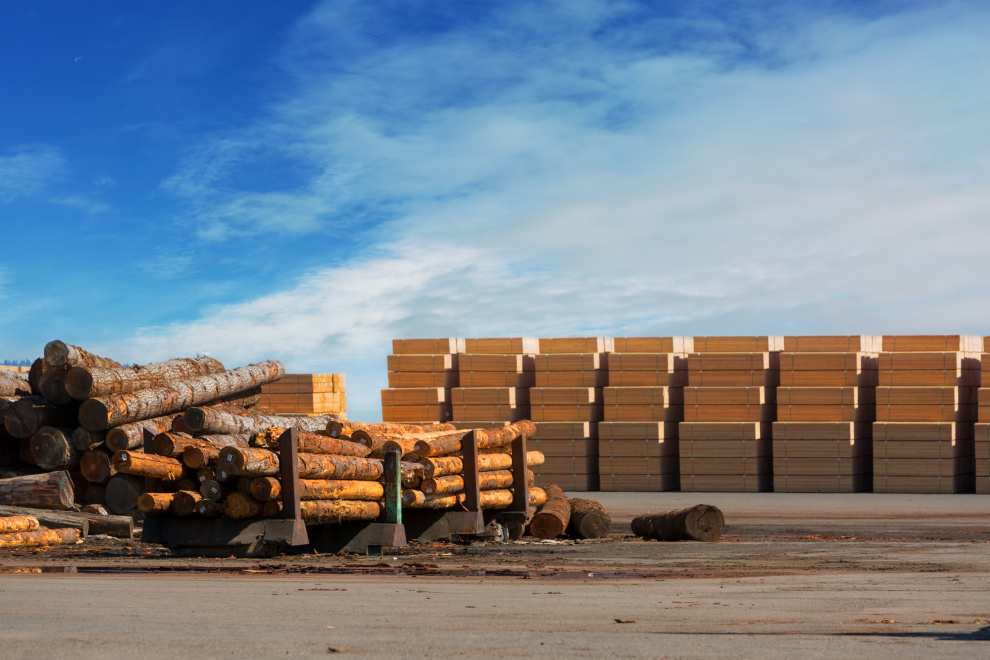
Forest-product shipments weaken as U.S. and Canada move closer to a broader trade conflict.
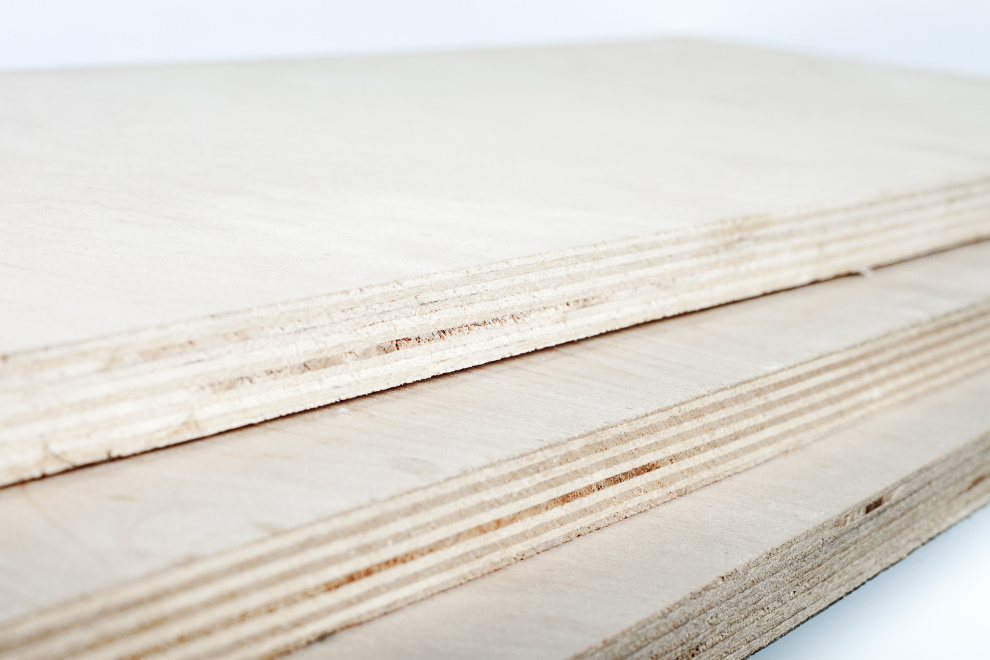
The USITC made affirmative injury determinations on hardwood and decorative plywood from China, Indonesia and Vietnam, clearing the way for antidumping and countervailing duty orders.
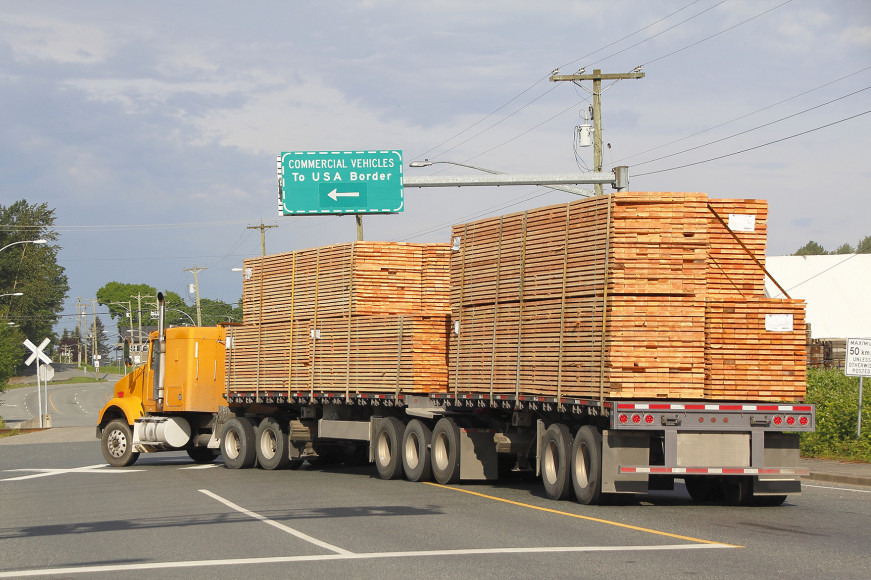
The three-day pause gives negotiators time to finalize a broader agreement covering market access and other bilateral trade issues, with Canadian lumber among the products exposed to the planned additional U.S. tariff.

The companies remain in the China-wide entity, with the rate applying to reviewed entries and future cash deposits.
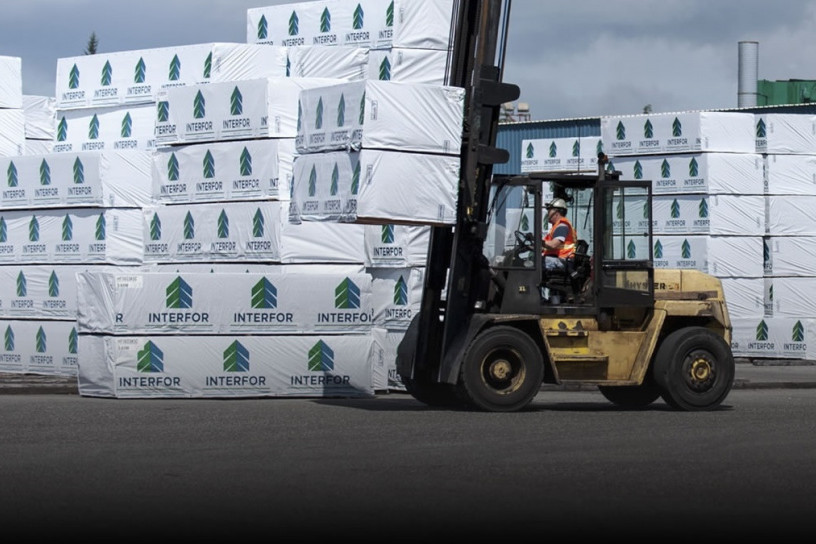
Industry curtailments and seasonal demand lift lumber prices, while higher output and lower unit costs improve operations; duty rates remain a risk for the second half.
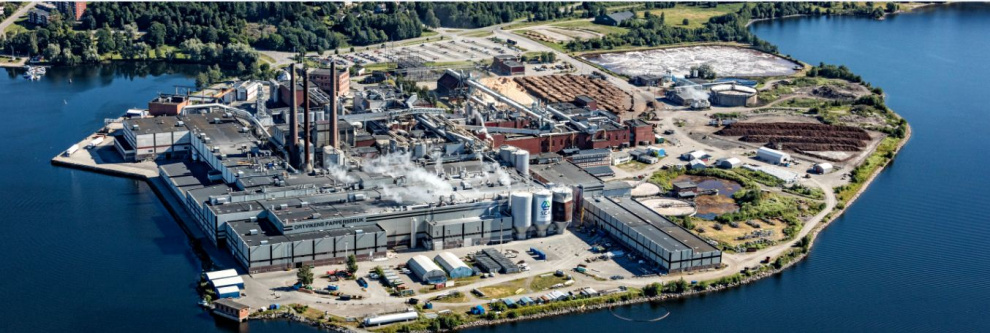
New pricing for all grades takes effect from September 1, 2026.
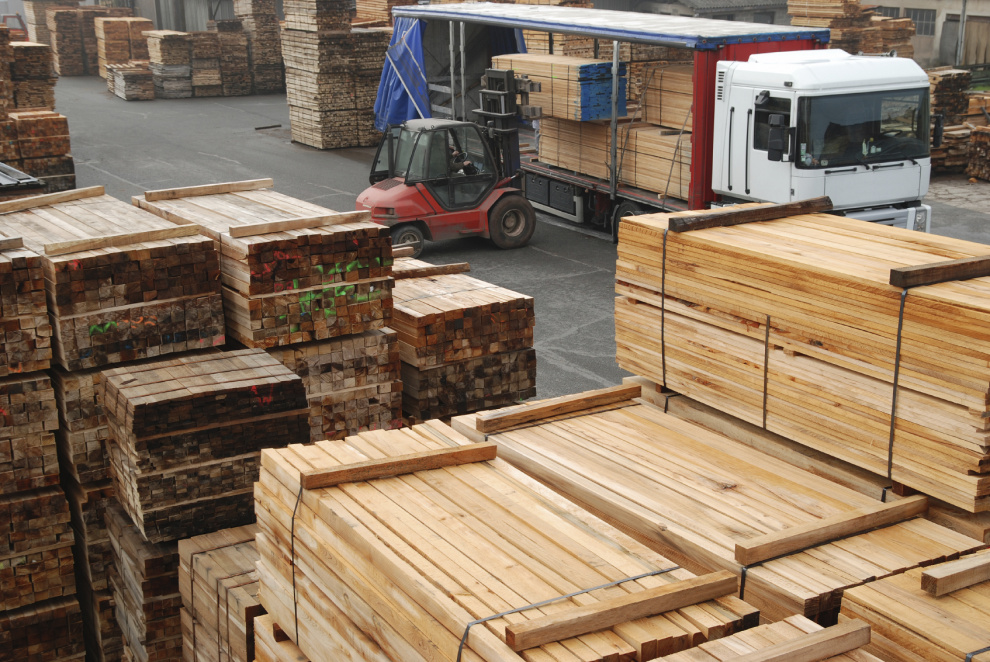
Subject softwood lumber produced and exported by the companies will face a 1.05% countervailing-duty cash deposit on entries from August 6.
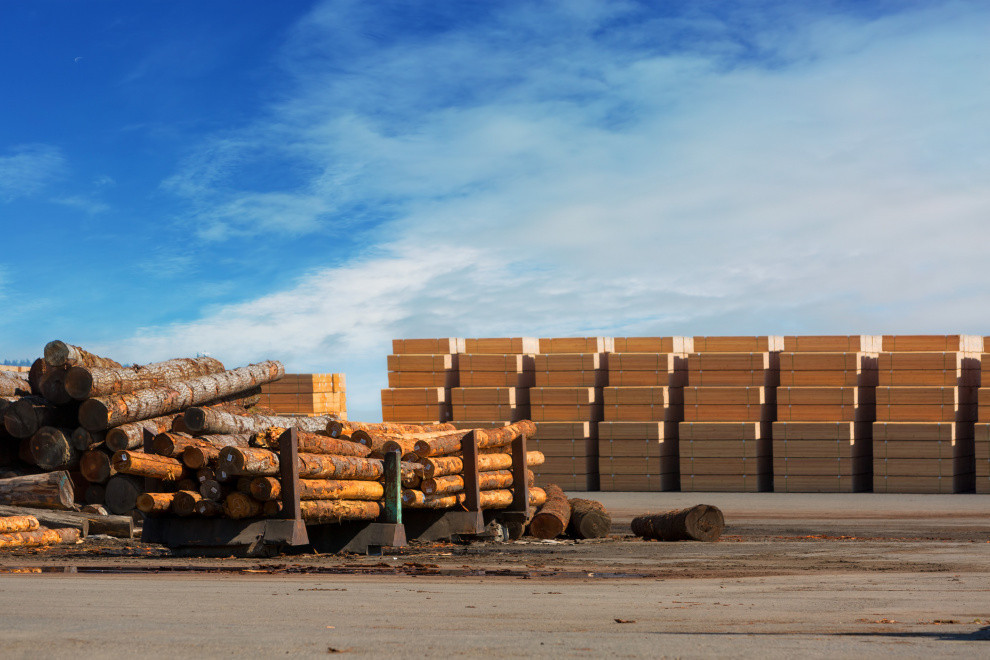
Gains in China, Taiwan, Mexico, Pakistan, South Korea and Hong Kong offset only about 4% of the U.S. volume decline.

Price adjustment applies to all new orders amid rising raw material and energy costs.
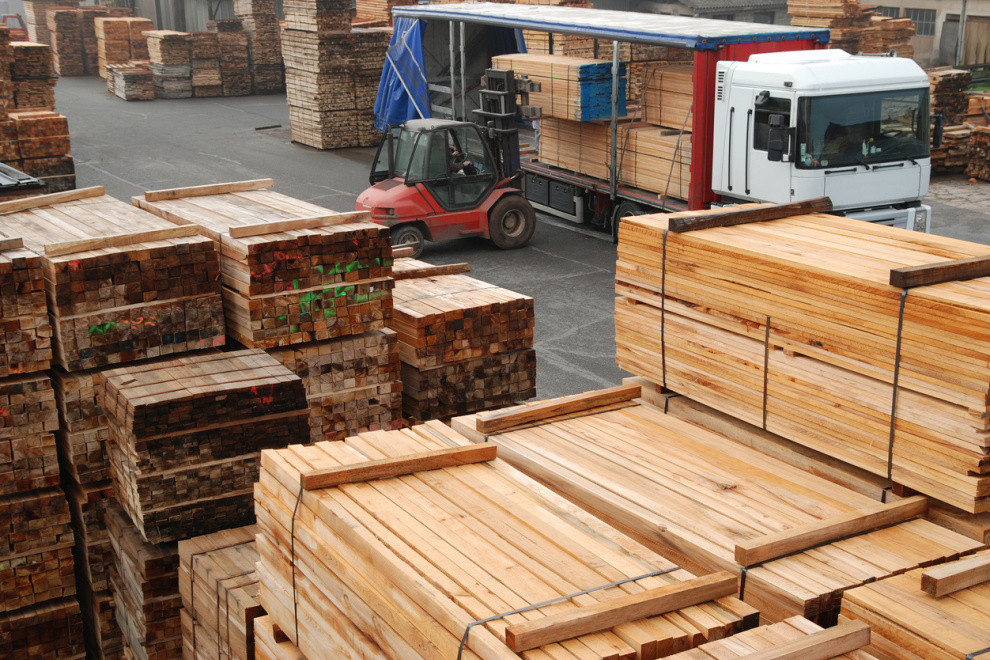
Most products affected by the 50% tariff are sold in Canada, limiting exposure to about 1% of total sales, analysts estimate.
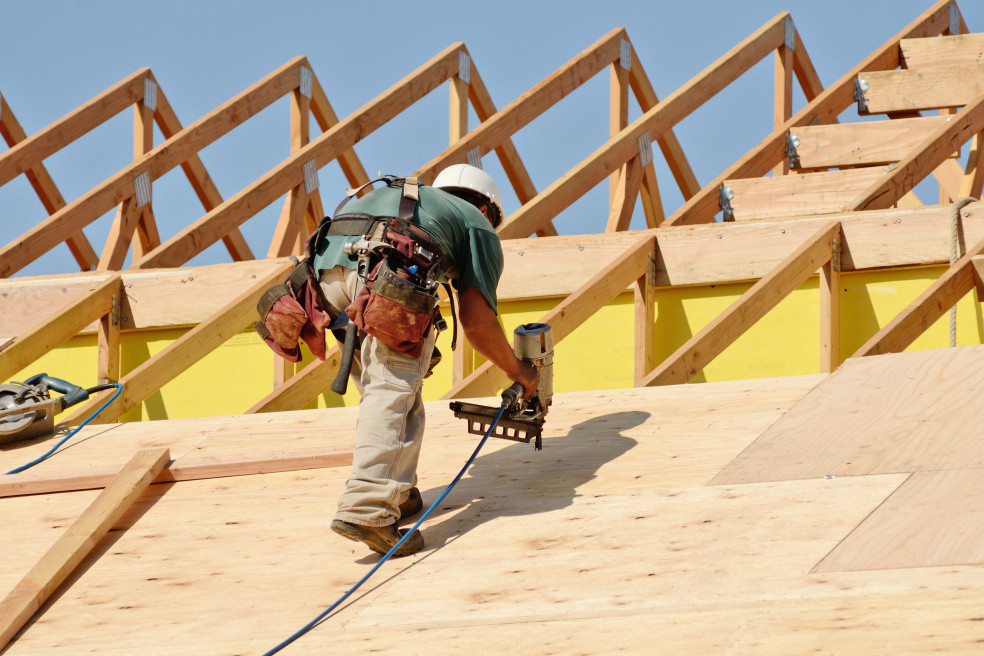
The U.S. Department of Commerce retained the 187.27% dumping margin, while permanent antidumping and countervailing duty orders will depend on a final U.S. injury ruling.
Antidumping deposits remain in place for entries made from March 2, while final duties depend on the U.S. International Trade Commission’s injury determination.
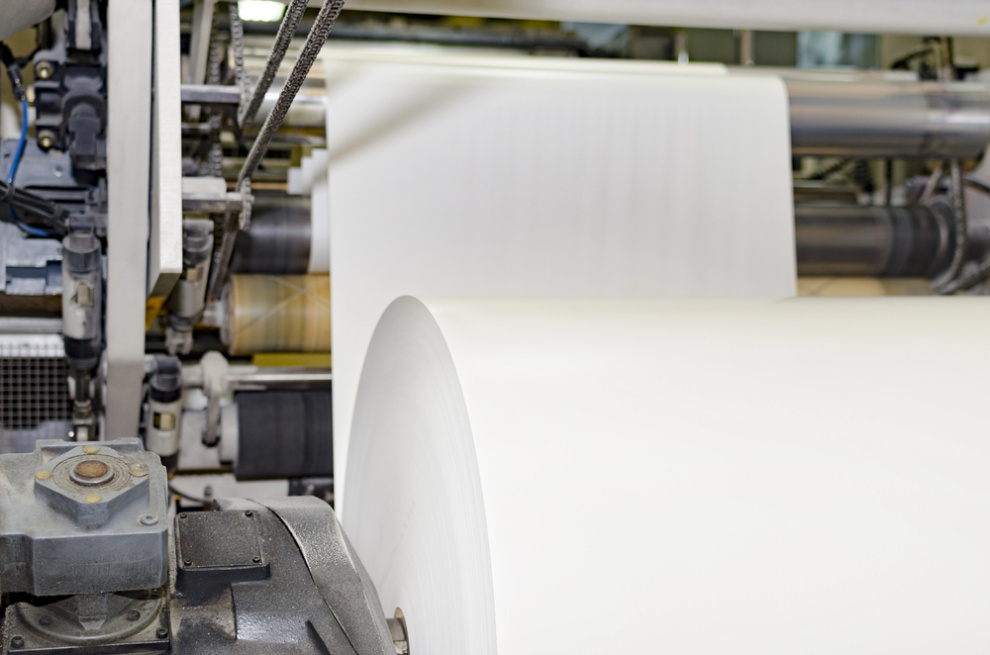
Guangdong Guanhao High-Tech faces a proposed 28.8% rate, while all other Chinese companies face 70.5%.
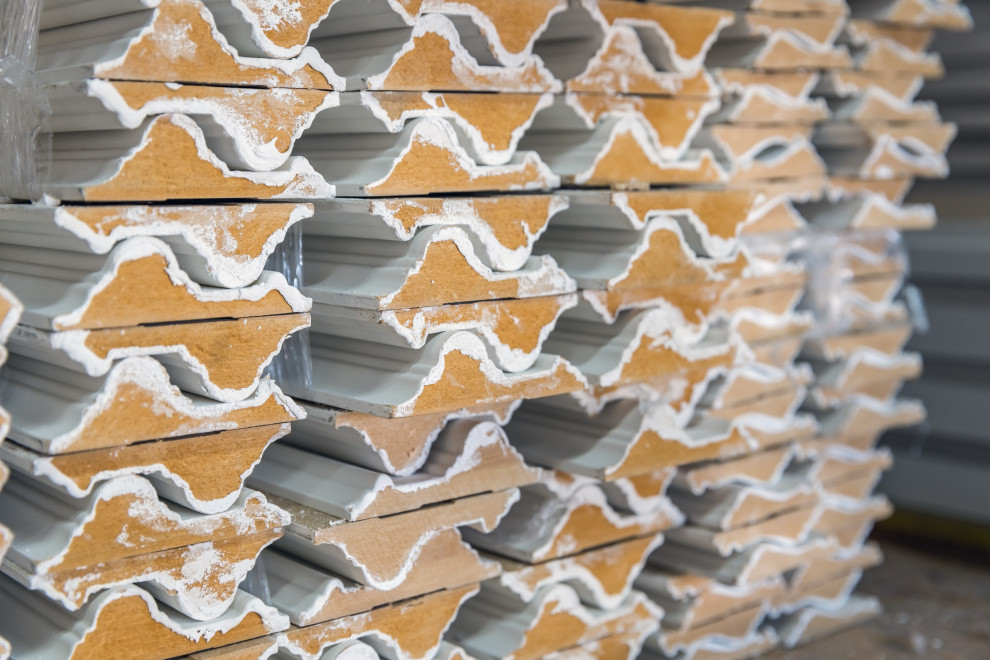
U.S. Customs and Border Protection will keep collecting cash deposits on covered Chinese wood mouldings and millwork imports.
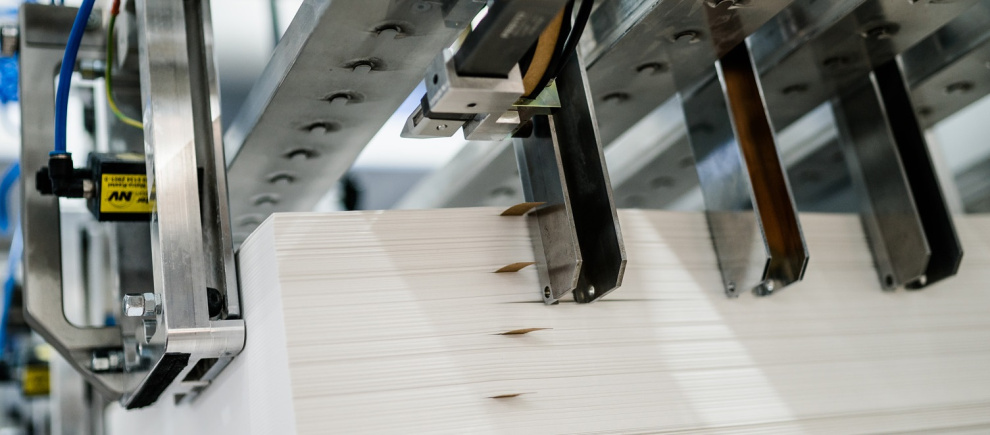
Price adjustment applies to uncoated woodfree specialty papers across all product segments.
Tube and core and protective packaging products face minimum 6.5% increase from July 13.
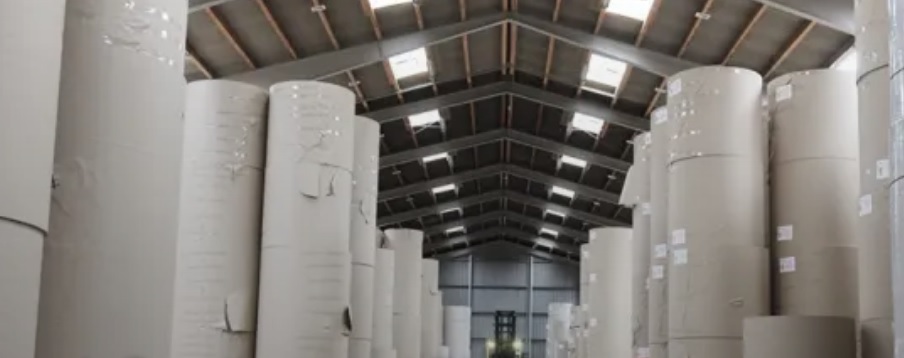
Converted products also see 7% rise as strong mill utilization and inflation drive costs higher.

The proposal keeps an exemption process and sets July deadlines, while the determination cites illegal logging and timber laundering as factors that distort wood-product pricing.
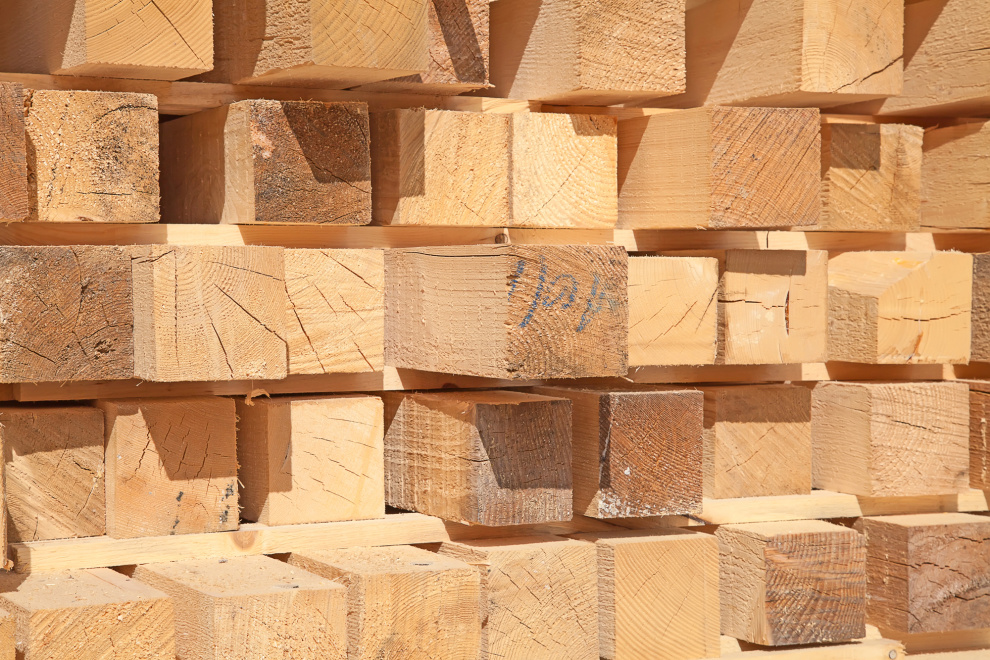
The U.S. posts the steepest decline among the largest softwood lumber import markets, followed by Germany and China, while supplier volumes fall most for Canada, Russia, and Austria.